
Chicago, a city of profound architectural beauty, vibrant culture, and culinary excellence, beckons millions of travelers each year. From the bustling energy of Michigan Avenue to the serene shores of Lake Michigan, the city offers an unparalleled array of experiences. However, like any major metropolis, Chicago faces its share of challenges, and for prospective visitors and new residents, understanding the nuances of safety and geography is paramount. This guide aims to provide an insightful, balanced perspective on areas that are often perceived as “bad parts” or require increased vigilance, framing this information within the broader context of safe and informed travel. Our goal is not to stigmatize entire communities but to equip travelers with the knowledge to navigate Chicago confidently and responsibly.

Understanding Safety in Chicago: Perception vs. Reality
The perception of safety in Chicago is often heavily influenced by media reports, which tend to focus on crime statistics, particularly those related to gun violence. While these concerns are valid and reflect real challenges within certain communities, they rarely paint a complete picture of the city as a whole. For the vast majority of tourists and daily commuters, areas commonly frequented—such as the Loop, Magnificent Mile, River North, Lincoln Park, and Hyde Park—are largely safe and well-policed.
Chicago’s challenges with crime are complex, deeply rooted in socioeconomic factors, historical disinvestment, and systemic issues that disproportionately affect specific neighborhoods on the South and West Sides. This means that while certain areas experience higher rates of violence, these incidents are typically localized and do not represent the everyday experience of the entire city or the areas most travelers explore. Understanding this distinction is crucial for a realistic assessment of personal safety during your visit. The city is vast and diverse, with hundreds of distinct neighborhoods, each with its unique character and safety profile.
Geographic Areas of Concern and Nuance
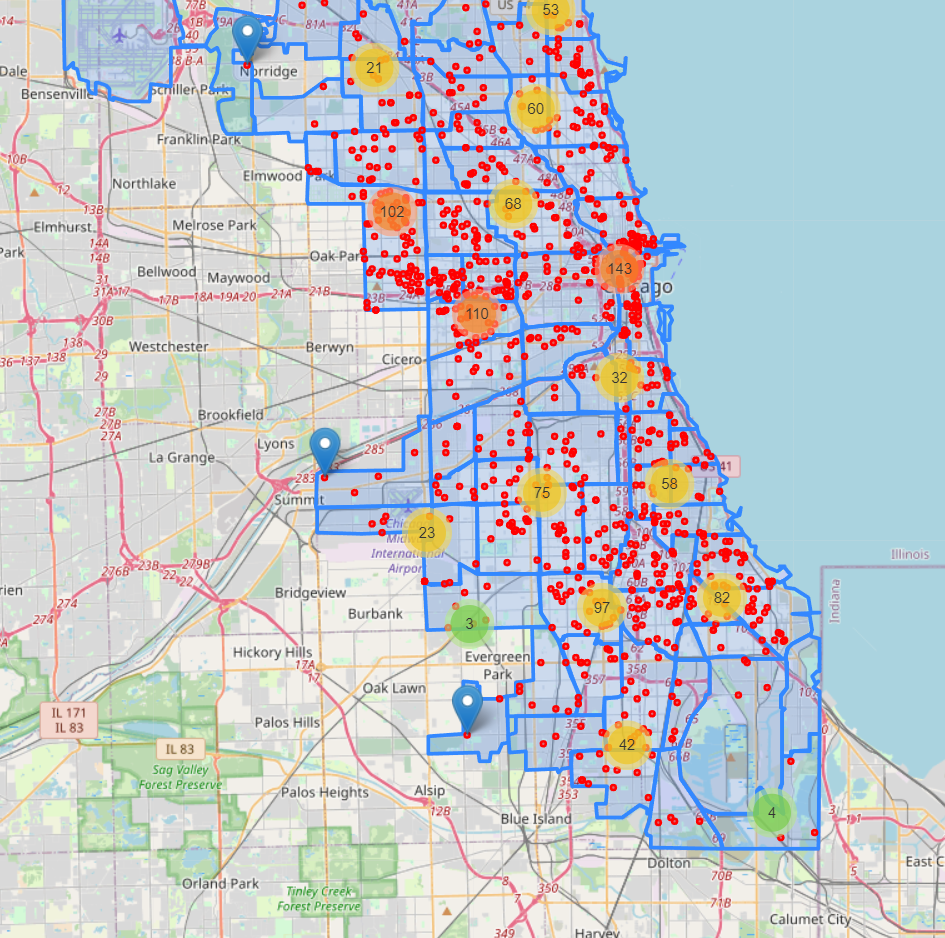
When discussions turn to the “bad parts” of Chicago, it typically refers to specific neighborhoods on the city’s South and West Sides that have historically struggled with higher crime rates, particularly violent crime. It’s imperative to approach this topic with nuance, recognizing that these areas are also home to vibrant communities, resilient residents, and ongoing revitalization efforts. The aim is to provide practical advice for travelers, not to broadly condemn entire regions.
The South Side: A Complex Tapestry
The South Side of Chicago is a sprawling expanse, encompassing a wide range of neighborhoods from affluent and historically significant areas like Hyde Park (home to the University of Chicago and the future Obama Presidential Center) to areas that face significant socioeconomic challenges. For travelers, understanding this diversity is key.
- Areas Requiring Caution: Neighborhoods such as Englewood, West Englewood, Greater Grand Crossing, and parts of South Shore have historically experienced higher rates of violent crime. These areas are generally not frequented by tourists and lack major attractions. For those without specific reasons to visit, it is advisable to exercise extreme caution or avoid them, especially after dark. The challenges here are often linked to gang activity and poverty, leading to localized crime hot spots.
- Safe and Thriving South Side Neighborhoods: Conversely, Hyde Park, Bronzeville (known for its rich African-American history), and parts of Pilsen (famous for its Mexican murals and vibrant arts scene) are generally considered safe for tourists during the day and often into the evening. These areas offer unique cultural experiences, museums, and dining options. Chinatown, another popular tourist destination on the near South Side, is also generally safe and bustling.
The West Side: Vigilance Advised
Similar to the South Side, the West Side of Chicago presents a mixed safety landscape. It includes neighborhoods with significant historical challenges alongside areas undergoing revitalization and offering unique cultural insights.
- Areas of Elevated Risk: Neighborhoods like North Lawndale, West Garfield Park, East Garfield Park, and Austin have consistently faced high crime rates, particularly related to gang violence and property crime. These areas are typically residential with limited tourist infrastructure. Travelers are generally advised to avoid these neighborhoods unless they have a specific, well-researched reason to visit, and even then, to do so with extreme caution, preferably during daylight hours and with local guidance.
- Emerging and Generally Safe West Side Areas: The West Loop, once an industrial area, has transformed into one of Chicago’s trendiest neighborhoods, boasting world-class restaurants, boutiques, and a vibrant nightlife. It is considered very safe. Similarly, parts of Wicker Park and Bucktown are popular and generally safe, known for their indie boutiques, music venues, and thriving arts scenes. Even Humboldt Park, while having areas of concern, also features the beautiful Humboldt Park itself and a strong Puerto Rican cultural presence that can be explored responsibly.
Downtown and Tourist Zones: Urban Vigilance
Even in Chicago’s most popular and heavily policed tourist areas—such as the Loop, Magnificent Mile, and Navy Pier—petty crime can occur. Pickpocketing, purse snatching, and minor scams are not uncommon in crowded urban environments globally, and Chicago is no exception. Travelers should always remain aware of their surroundings, protect their valuables, and avoid leaving belongings unattended. While violent crime is rare in these zones, typical urban precautions are always recommended.
Factors Contributing to Challenges

Understanding the “bad parts” of Chicago is incomplete without acknowledging the underlying factors that contribute to these challenges. This context helps travelers grasp the complexity of urban safety beyond simple geographical labels.
Socioeconomic Disparities
A significant driver of localized crime is the stark socioeconomic inequality that persists across Chicago’s neighborhoods. Decades of disinvestment, coupled with limited educational and employment opportunities in certain areas, have created environments where crime can become a desperate byproduct. These disparities are often visible, with stark contrasts between prosperous downtown areas and underserved residential communities.
Historical Context of Urban Development
Chicago’s history of segregation, redlining, and urban renewal projects has profoundly shaped its current landscape. Policies from the mid-20th century created and exacerbated racial and economic divisions, concentrating poverty and limiting resources in specific geographic areas. The legacy of these policies continues to impact public safety, access to services, and community stability in various parts of the city. Recognizing this historical context helps to understand why certain areas face persistent struggles.
Navigating Chicago Safely: Practical Travel Tips
Armed with a nuanced understanding of Chicago’s safety landscape, travelers can adopt practical strategies to ensure a secure and enjoyable visit. These tips are general guidelines applicable to any major city, tailored for Chicago’s specific context.
Public Transportation Safety
Chicago’s CTA (Chicago Transit Authority) train and bus systems are generally safe and efficient for navigating the city. During peak hours, trains and buses are often crowded and well-monitored.
- Daytime vs. Nighttime: While generally safe, exercising extra caution late at night, particularly on less crowded routes or at deserted stations, is advisable. If traveling alone late at night, consider ride-sharing services for direct door-to-door transit.
- Awareness: Always be aware of your surroundings, especially when waiting on platforms or at bus stops. Keep valuables out of sight and maintain a firm grip on bags.
Nighttime Precautions
Chicago comes alive at night, with a vibrant dining and entertainment scene. Enjoying the city after dark is certainly possible and encouraged, but with prudent measures.
- Stick to Well-Lit, Populated Areas: When exploring after dark, remain in well-lit, busy areas where people are present. Avoid dimly lit streets or shortcuts through parks and alleys.
- Group Travel: If possible, travel in groups at night. There is safety in numbers.
- Reliable Transportation: Utilize reputable ride-sharing apps (Uber, Lyft) or licensed taxis for transportation, especially if you’re unfamiliar with the area or have been consuming alcohol. Confirm the driver and vehicle match the app’s information.
Utilizing Local Resources and Information
Stay informed during your trip by tapping into reliable local resources.
- Hotel Staff: Your hotel concierge or front desk staff can offer valuable, up-to-date advice on neighborhood safety and recommended routes.
- Local News: Briefly reviewing local news sources can provide insights into current events or specific areas requiring extra vigilance, though remember to filter for sensationalism.
- Online Maps and Reviews: Use mapping applications with street view features to familiarize yourself with an area before visiting. Check recent reviews for restaurants or attractions to gauge the local atmosphere.
- Emergency Services: Know how to contact emergency services (911 in the U.S.) should the need arise.
In conclusion, Chicago is an extraordinary travel destination, offering rich cultural experiences and breathtaking urban landscapes. While acknowledging and understanding the challenges faced by certain neighborhoods is part of being an informed traveler, it’s equally important not to let broad generalizations overshadow the immense beauty, safety, and hospitality that define the vast majority of the city. By being mindful, staying informed, and exercising common-sense urban precautions, visitors can confidently and safely explore all that the Windy City has to offer.
LifeOutOfTheBox is a participant in the Amazon Services LLC Associates Program, an affiliate advertising program designed to provide a means for sites to earn advertising fees by advertising and linking to Amazon.com. Amazon, the Amazon logo, AmazonSupply, and the AmazonSupply logo are trademarks of Amazon.com, Inc. or its affiliates. As an Amazon Associate we earn affiliate commissions from qualifying purchases.