
For any seasoned traveler or even a first-time flyer, understanding the intricacies of airport codes is fundamental to navigating the global network of air travel. These seemingly simple three-letter identifiers are far more than just abbreviations; they are critical components in booking flights, managing luggage, and ensuring seamless connections across continents. When it comes to one of the world’s busiest and most significant air hubs, Chicago O’Hare International Airport, its code holds a pivotal place in the lexicon of international travel.
The International Air Transport Association (IATA) code for Chicago O’Hare International Airport is ORD. This seemingly straightforward three-letter combination carries with it decades of history, immense operational complexity, and the aspirations of millions of travelers each year. The choice of “ORD” is not arbitrary; it’s a historical nod to the airport’s original name and location. Before it was rechristened in honor of Medal of Honor recipient Lt. Cmdr. Edward O’Hare in 1949, the site was known as Orchard Field. Thus, the “ORD” code remains a lasting legacy, even as the airport itself has grown exponentially to become a modern marvel of engineering and logistics.
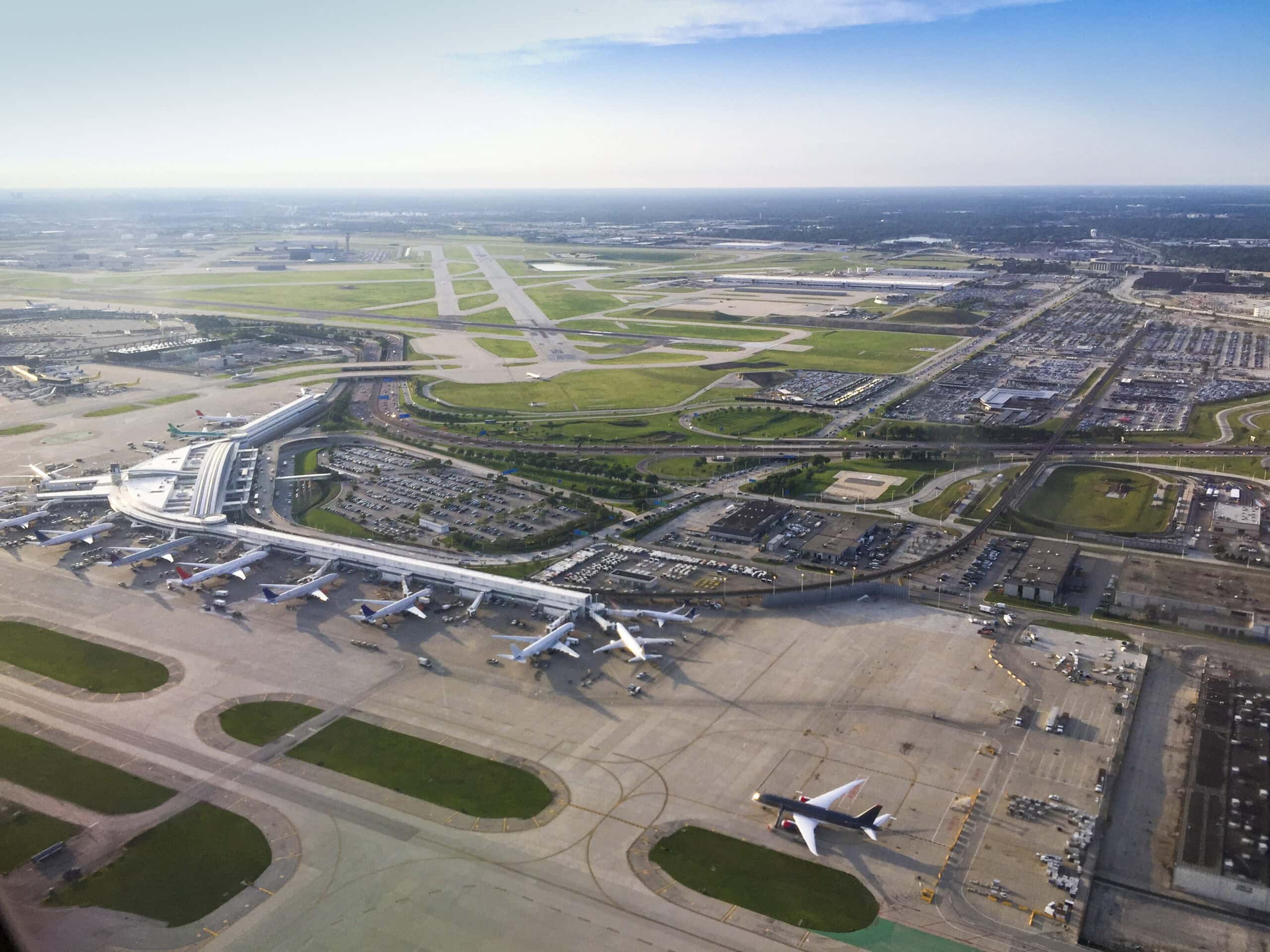
Understanding ORD’s code is the first step in unlocking the vast travel possibilities that emanate from or converge upon Chicago. It’s the key you use when searching for flights, confirming your itinerary, or even tracking a loved one’s journey. This article will delve into the significance of ORD, its role as a global travel hub, and provide insights for anyone embarking on a journey through its expansive terminals.
Decoding the Gateway to the Windy City: ORD’s Significance
Chicago O’Hare International Airport isn’t just an airport; it’s a critical piece of infrastructure that underpins global travel, commerce, and tourism. Its three-letter code, ORD, is recognized worldwide as a symbol of its immense connectivity and operational prowess. The significance of this code, and the airport it represents, extends far beyond simple identification.
The Importance of IATA Codes in Global Travel
IATA codes are the universal language of air travel. Assigned by the International Air Transport Association to airports around the world, these codes standardize identification for everything from flight schedules and airline tickets to baggage tags and air traffic control communications. Without these unique identifiers, the sheer volume and complexity of global air operations would be impossible to manage efficiently.
For travelers, the IATA code for a destination like ORD is the quickest way to specify their origin or destination. It eliminates ambiguity, especially when multiple cities might share similar names or when distinguishing between different airports serving the same metropolitan area (e.g., Chicago also has Midway International Airport, code MDW). Knowing ORD ensures that flights are booked to the correct airport, that baggage is routed properly, and that all logistical elements of a journey align perfectly. Furthermore, these codes are vital for travel agents, online booking platforms, and airline staff, enabling quick and accurate data entry and retrieval. They are the backbone of the digital systems that power modern air travel, making instantaneous worldwide connections possible.
Beyond the Letters: A Brief History of Chicago O’Hare International Airport
The history behind ORD is as fascinating as its current stature. Originally constructed as an airfield for a Douglas aircraft manufacturing plant during World War II, it was named Orchard Place Airport/Douglas Field. The “ORD” code thus derives directly from its original designation as “Orchard Place.” After the war, the City of Chicago acquired the facility for civil aviation. In 1949, it was renamed Chicago O’Hare International Airport in honor of Lieutenant Commander Edward Henry “Butch” O’Hare, a naval aviator and the U.S. Navy’s first flying ace and Medal of Honor recipient in World War II.
From its humble beginnings, O’Hare rapidly expanded to accommodate the booming post-war air travel industry. It pioneered many innovations in airport design and operation, including the development of parallel runways and advanced air traffic control systems. For decades, it held the distinction of being the world’s busiest airport by aircraft movements and passenger volume, a testament to its strategic location and efficient operations. Today, while other airports have challenged its top position in certain metrics, ORD remains a colossal force in air travel, continuously adapting and expanding to meet the demands of a dynamic global landscape. Its rich history is embedded in its code, a constant reminder of its evolution from a wartime airfield to a premier international gateway.
Navigating ORD: A Hub of Connectivity
As a traveler, understanding the layout and connectivity of Chicago O’Hare is crucial for a smooth journey. ORD is a vast and bustling airport, designed to handle millions of passengers annually, offering extensive connections both domestically and internationally.
Terminals and Airlines: Your Guide to O’Hare’s Layout
Chicago O’Hare is organized into four main terminals: Terminals 1, 2, 3, and 5. Terminals 1, 2, and 3 primarily handle domestic flights, while Terminal 5 is dedicated to international arrivals and departures, though some international flights may occasionally use other terminals due to airline alliances or operational needs.
- Terminal 1: Home to United Airlines and its Star Alliance partners (e.g., Lufthansa, ANA), this terminal is known for its modern design and the famous “Sky’s the Limit” neon tunnel connecting concourses B and C.
- Terminal 2: Serves Alaska Airlines, Spirit Airlines, and some United Express flights. It also acts as a connecting hub between Terminals 1 and 3.
- Terminal 3: The largest terminal, primarily used by American Airlines and its Oneworld Alliance partners (e.g., British Airways, Cathay Pacific), as well as Delta Air Lines and other domestic carriers.
- Terminal 5: The international terminal, hosting a wide array of international carriers from every major global region, as well as some domestic low-cost carriers. This is where most travelers arriving from or departing to non-U.S. destinations will find themselves.
The terminals are interconnected by the Airport Transit System (ATS), often referred to as the “people mover,” which allows passengers to travel between terminals, the main parking garage, and the Metra station. This system is crucial for transferring between domestic and international flights or for accessing different airlines.
Ground Transportation: Connecting to Chicago and Beyond
ORD’s excellent ground transportation network ensures seamless travel to and from downtown Chicago and surrounding areas.
- CTA Blue Line: The most economical and efficient way to reach downtown Chicago. The Chicago Transit Authority (CTA) Blue Line station is located in the lower level of Terminal 2, accessible from all terminals via the ATS. It offers a direct route to the city center, making stops at popular neighborhoods and business districts.
- Metra Commuter Rail: For those heading to the suburbs or specific regions outside of the immediate city center, the Metra North Central Service provides commuter rail service from the airport’s O’Hare Transfer station, accessible via the ATS.
- Bus and Shuttle Services: Various regional bus lines and private shuttle services offer connections to other suburbs, hotels, and even neighboring states like Wisconsin and Indiana.
- Taxis and Rideshares: Abundantly available at designated pick-up points across all terminals, taxis and rideshare services (Uber, Lyft) offer convenient, albeit often more expensive, direct transportation.
- Rental Cars: All major car rental agencies operate at ORD, with their facilities located in the Multi-Modal Facility (MMF), accessible via the ATS. This is ideal for travelers planning to explore the greater Chicago metropolitan area or embark on road trips.
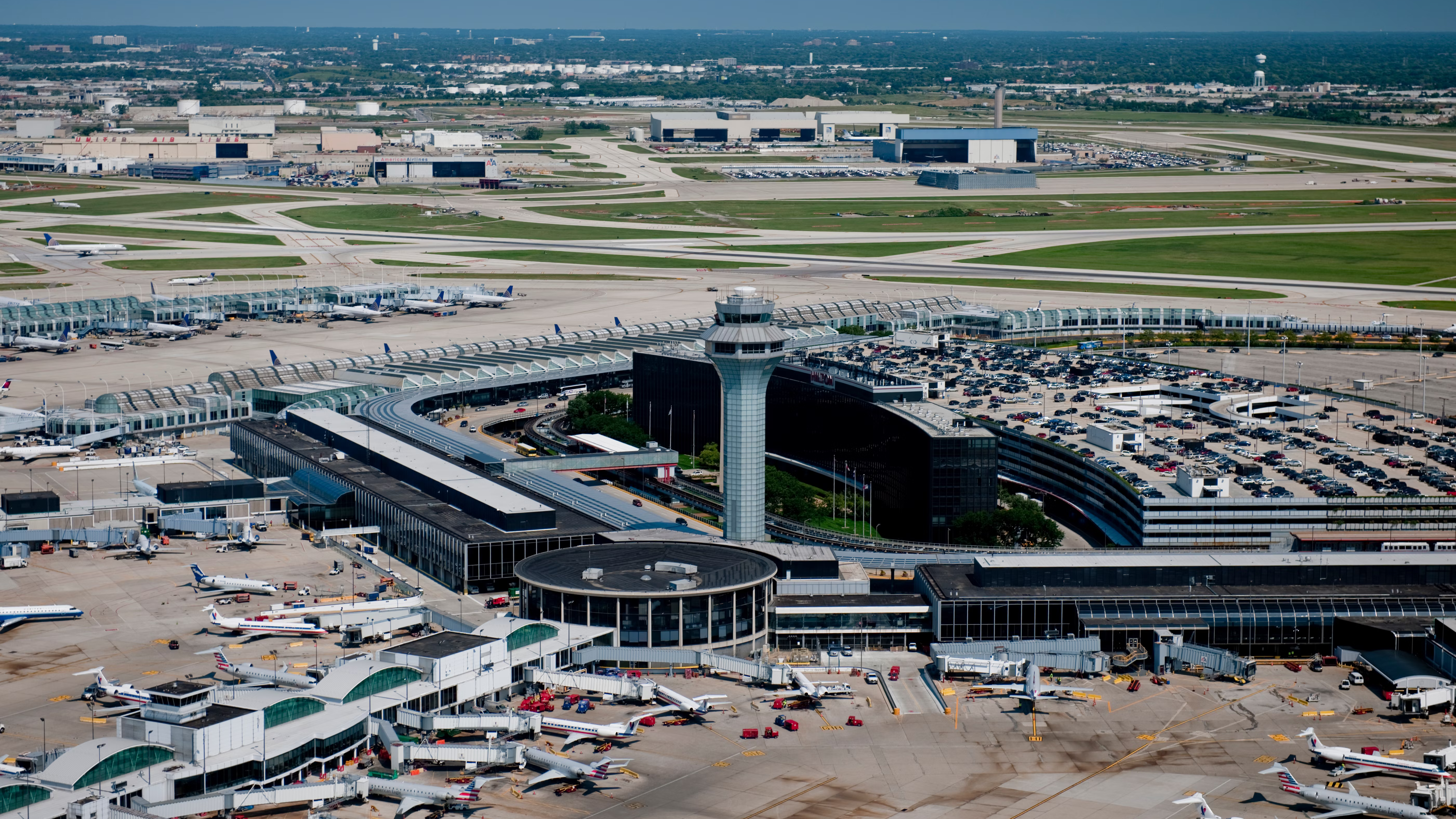
Navigating these options efficiently requires a little prior planning, especially during peak travel times, but the comprehensive system at ORD is designed to accommodate the diverse needs of millions of travelers.
O’Hare’s Role in Global Travel and Tourism
Beyond its function as a mere transit point, Chicago O’Hare International Airport plays a colossal role in the fabric of global travel and directly impacts the economy and tourism sector of the entire Midwest region and beyond. Its ORD code symbolizes not just an airport, but a vital economic engine.
Economic Impact and Passenger Volume
ORD is consistently ranked among the world’s busiest airports by both passenger traffic and aircraft movements. This massive volume translates into significant economic activity. The airport directly and indirectly supports hundreds of thousands of jobs in the region, from airline personnel and airport staff to hospitality workers, transportation providers, and a myriad of ancillary services. It acts as a major cargo hub, facilitating the movement of goods globally, which further bolsters regional industries and trade.
Each year, tens of millions of passengers pass through ORD. Many of these are business travelers, leveraging Chicago’s status as a financial and convention center. Others are tourists, drawn to the city’s iconic architecture, world-class museums, vibrant arts scene, and renowned culinary landscape. The accessibility provided by O’Hare is a cornerstone of Chicago’s ability to attract international events, conferences, and visitors, pouring billions of dollars into the local economy through hotels, restaurants, attractions, and retail. Its comprehensive network of direct flights to major cities worldwide makes it an indispensable gateway for both inbound and outbound international travel.
Future Developments and the Traveler Experience
To maintain its competitive edge and enhance the traveler experience, ORD is continually undergoing significant modernization and expansion efforts. The ongoing O’Hare 21 program, for example, is a multi-billion-dollar initiative aimed at transforming the airport into a more efficient, modern, and passenger-friendly facility. Key components include expanding and redeveloping terminals, adding new gates, improving baggage systems, and streamlining security checkpoints.
These developments are designed to reduce delays, improve connectivity between flights, and offer a more comfortable and intuitive experience for passengers. Future plans often focus on integrating advanced technologies, enhancing dining and retail options, and incorporating sustainable practices. For the frequent flyer, these upgrades mean reduced stress, better amenities, and a more predictable travel journey. For Chicago, it means solidifying its position as a premier global destination and a critical node in the international aviation network for decades to come.
Maximizing Your ORD Experience: Tips for Travelers
Navigating an airport as large and busy as ORD can be daunting, but with a few strategic tips, travelers can significantly enhance their experience, whether they are beginning their journey, transiting, or just passing through.
Essential Services and Amenities
O’Hare offers a comprehensive array of services and amenities designed to make your wait or layover as comfortable as possible:
- Dining and Retail: Each terminal boasts a wide selection of restaurants, cafes, and bars, ranging from fast food to sit-down dining. Retail options include newsstands, bookstores, duty-free shops, and various boutiques, catering to diverse needs and tastes.
- Lounges: Major airlines (United, American, Delta, etc.) operate numerous lounges across their respective terminals, offering comfortable seating, complimentary food and beverages, Wi-Fi, and often shower facilities for eligible passengers. Independent lounges are also available.
- Wi-Fi and Charging Stations: Free Wi-Fi is available throughout the airport. Numerous charging stations are strategically placed in gate areas, allowing travelers to keep their devices powered up.
- Medical and Wellness Services: O’Hare provides medical assistance, nursing rooms for mothers, and even a Yoga Room in Terminal 3 for those looking to de-stress.
- Art and Culture: Don’t miss the impressive public art installations scattered throughout the terminals, adding a touch of Chicago’s rich cultural scene to your airport experience.
Familiarizing yourself with the available services beforehand using the airport’s official website or mobile app can save time and reduce stress upon arrival.
Connecting Flights and Layover Strategies
For travelers with connecting flights at ORD, efficiency is key.
- Allow Ample Time: O’Hare is immense. Even with the ATS, transferring between terminals, especially from international (Terminal 5) to domestic (Terminals 1-3) or vice versa, can take considerable time due to security, immigration, and baggage claim. A minimum of 2-3 hours for domestic-to-domestic connections and 3-4 hours for international-to-domestic connections is highly recommended.
- Check Terminal Information: Always confirm your arrival and departure terminals and gates. Airline apps or airport information screens are invaluable resources.
- Utilize the ATS: The Airport Transit System is your best friend for inter-terminal transfers. Plan your route to ensure you know which ATS stop serves your required terminal.
- Global Entry/TSA PreCheck: For eligible travelers, these programs can significantly speed up the immigration and security process, particularly beneficial during tight connections.

Exploring Chicago During a Layover
If you have a layover of five hours or more, venturing into Chicago can be a rewarding experience.
- CTA Blue Line Access: The Blue Line offers a direct and relatively quick route to downtown Chicago. The journey typically takes about 45 minutes to an hour each way, depending on your exact destination in the city center.
- Key Attractions: With limited time, focus on easily accessible attractions. The Millennium Park (home to the “Bean”), Art Institute of Chicago, and a stroll along the Chicago Riverwalk are popular choices close to Blue Line stops.
- Luggage Storage: Consider utilizing luggage storage services if you don’t want to drag your bags around the city. Some airlines or private services may offer this.
- Be Mindful of Time: Always factor in buffer time for unexpected delays, security queues upon return, and the commute back to the airport. It’s better to be early than to miss your connecting flight.
Understanding the code ORD is just the beginning of a seamless travel experience through Chicago O’Hare International Airport. With proper planning and an awareness of its expansive facilities and services, travelers can navigate this global hub with confidence, ensuring their journey is as smooth and enjoyable as possible.
LifeOutOfTheBox is a participant in the Amazon Services LLC Associates Program, an affiliate advertising program designed to provide a means for sites to earn advertising fees by advertising and linking to Amazon.com. Amazon, the Amazon logo, AmazonSupply, and the AmazonSupply logo are trademarks of Amazon.com, Inc. or its affiliates. As an Amazon Associate we earn affiliate commissions from qualifying purchases.