
Florida, the Sunshine State, beckons with its year-round pleasant weather, scenic coastal highways, and vibrant cities, making it a prime destination for motorcycle enthusiasts. The allure of cruising along stretches of sun-drenched roads, feeling the warm breeze, and exploring diverse landscapes from the sandy beaches of the Gulf Coast to the lively streets of Miami or the charm of Key West is undeniable. For many, a motorcycle journey through Florida represents the ultimate freedom and an unforgettable adventure.
However, before you rev your engine and hit the open road, a fundamental question often arises for both residents and visitors alike: “Do you have to have a motorcycle license in Florida?” The answer is a resounding yes, but understanding the specific requirements and nuances is crucial for a lawful and enjoyable experience. This guide will navigate you through Florida’s motorcycle licensing regulations, ensuring you are fully prepared for your two-wheeled journey in this captivating state.

The Straightforward Answer: Yes, But With Nuances
The short answer for anyone planning to operate a motorcycle in Florida is unequivocally yes, you must possess a valid motorcycle endorsement on your driver’s license. This isn’t merely a suggestion; it’s a legal mandate designed to ensure the safety of all road users by confirming that motorcycle operators have undergone proper training and demonstrated proficiency. Operating a motorcycle without the appropriate license or endorsement can lead to significant legal consequences, including fines, impoundment of the vehicle, and potential court appearances.
The General Rule: A Valid Motorcycle Endorsement
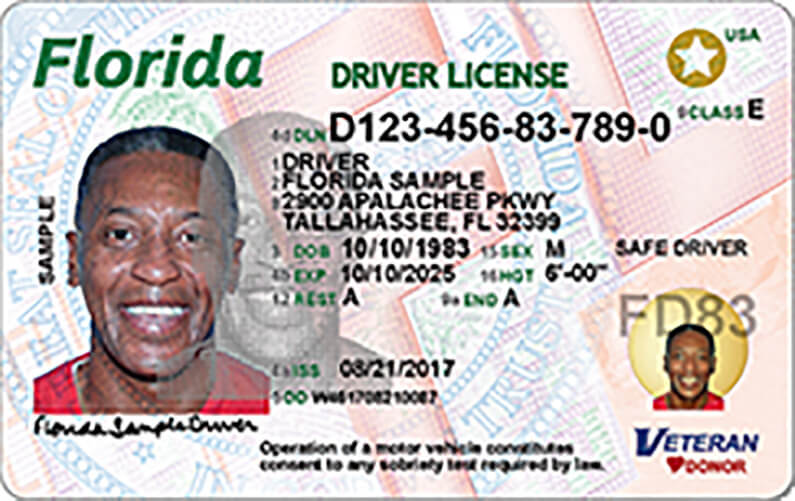
In Florida, a standard Class E driver’s license (the common license for passenger vehicles) is insufficient for operating a motorcycle. You need a specific “Motorcycle Endorsement” added to your existing license. This endorsement, typically designated as “Motorcycle Only” or “Motorcycle Also” (depending on whether you hold a car license as well), signifies that you have met the state’s requirements for safely operating a two-wheeled motor vehicle. This requirement applies to all residents and, with specific provisions, to out-of-state and international visitors planning to ride within Florida’s borders.
What Qualifies as a Motorcycle? (Distinction from Mopeds/Scooters)
It’s important to understand how Florida defines a motorcycle, as this dictates whether a special endorsement is necessary. According to Florida statutes, a “motorcycle” is generally any motor vehicle having a seat or saddle for the use of the rider and designed to travel on not more than three wheels in contact with the ground, but excluding tractors. This broad definition includes traditional motorcycles, scooters, and even certain three-wheeled vehicles (like trikes) that meet specific criteria.
However, there are exceptions for certain low-powered vehicles:
- Mopeds: These typically have an engine displacement of 50 cubic centimeters or less, a top speed not exceeding 30 mph, and are equipped with pedals that can be used to propel the vehicle. While you generally don’t need a motorcycle endorsement for a moped, you do need a valid Class E driver’s license.
- Motorized Scooters: Similar to mopeds in terms of engine size and speed, these also often do not require a motorcycle endorsement, but still necessitate a standard driver’s license.
- Electric Bicycles: These are treated like regular bicycles, provided their electric motor assists rather than propels the bike entirely and its speed is limited. No driver’s license or endorsement is required.
It’s crucial to verify the specific classification of any vehicle you intend to ride, as misinterpreting the law can lead to unintended legal issues. When in doubt, assume a motorcycle endorsement is required or consult the Florida Department of Highway Safety and Motor Vehicles (DHSMV) official resources.
Navigating Florida’s Motorcycle License Requirements
Obtaining a motorcycle endorsement in Florida for residents involves a structured process designed to ensure riders possess the necessary skills and knowledge. Unlike some states where a written test and a practical riding exam might suffice, Florida has a specific educational requirement that streamlines the process while enhancing rider safety.
The MSF Basic RiderCourse (BRC) Mandate
For most new riders in Florida, the cornerstone of obtaining a motorcycle endorsement is the successful completion of a Basic RiderCourse (BRC) from the Motorcycle Safety Foundation (MSF) or an equivalent course approved by the DHSMV. This requirement has been in place since July 1, 2008, making Florida one of the leading states in promoting formal motorcycle safety education.
The Basic RiderCourse (BRC) is an intensive, hands-on training program typically spanning a weekend. It covers fundamental riding skills, motorcycle controls, street strategies, risk management, and the mental aspects of safe riding. Upon successful completion (which includes both written and practical riding tests), students receive a course completion card. This card, rather than a separate written or riding test at the local DMV, is what you present to the DHSMV to add the motorcycle endorsement to your driver’s license. This approach significantly emphasizes the importance of formal training over self-taught methods, ultimately contributing to safer roads for everyone.
Eligibility and Application Process for Florida Residents
To be eligible for a motorcycle endorsement in Florida, you generally must:
- Be at least 16 years old. If you are under 18, you must also have held a Learner’s Permit for at least one year without any traffic convictions.
- Hold a valid Class E driver’s license or be eligible to obtain one.
- Complete the MSF Basic RiderCourse or an approved equivalent.
The application process is straightforward:
- Step 1: Complete the BRC. Enroll in and successfully pass an approved motorcycle safety course.
- Step 2: Visit a DHSMV Service Center. Within one year of completing your BRC, take your BRC completion card to any DHSMV or authorized driver’s license office.
- Step 3: Present Documents. You will need to present your current driver’s license, the BRC completion card, and possibly proof of identification and residency if you are a new Florida resident.
- Step 4: Pay Fees. Pay the required endorsement fee.
- Step 5: Get Your Endorsement. Your new license, reflecting the motorcycle endorsement, will be issued.
Understanding Your License Classifications
When you receive your endorsement, it will typically be one of two types:
- Motorcycle Also (Class E with Motorcycle Endorsement): This means you are authorized to operate both passenger vehicles (cars, trucks) and motorcycles. This is the most common scenario for riders who also drive cars.
- Motorcycle Only (Class M): This is a standalone motorcycle license for individuals who do not wish to operate other types of vehicles or do not meet the requirements for a Class E license.
Understanding which classification applies to you is important for clarity, though both signify your legal ability to ride a motorcycle in Florida.
For Visitors and Out-of-State Riders
Florida is a global tourism hub, attracting countless visitors who might wish to rent a motorcycle for a truly immersive experience. The good news is that the state generally recognizes valid licenses from other jurisdictions.
Reciprocity for Non-Florida Licenses
If you are visiting Florida from another U.S. state, your valid motorcycle endorsement from your home state is typically recognized under reciprocity agreements. This means you do not need to obtain a separate Florida motorcycle endorsement. Your out-of-state license, with the motorcycle endorsement clearly marked, is sufficient. Always carry your physical license while riding.
For new residents moving to Florida, the process is slightly different. While your out-of-state endorsement is valid for a period (usually 30 days) after establishing residency, you will eventually need to transfer it to a Florida license. If you already have a motorcycle endorsement from another state, Florida will typically waive the BRC requirement when you apply for your Florida Class E license with the motorcycle endorsement, provided your out-of-state license is current and valid.
Special Considerations for International Visitors
International visitors planning to rent or ride a motorcycle in Florida should be aware of specific requirements:
- International Driving Permit (IDP): While not always strictly required for all countries, an International Driving Permit (IDP) is highly recommended. It serves as a translation of your foreign driver’s license and is recognized in over 150 countries. The IDP must be accompanied by your valid national driver’s license, which must include a motorcycle endorsement.
- Valid Foreign Motorcycle License: Your home country’s motorcycle license must be current and valid, and it must explicitly authorize you to operate a motorcycle. If your license is not in English, an IDP becomes even more critical for law enforcement to understand your credentials.
- Rental Requirements: Motorcycle rental agencies in Florida will strictly adhere to these requirements and will not rent a motorcycle without proper documentation, including a valid motorcycle endorsement from your country of origin (and an IDP if needed).
It is always advisable for international riders to contact the DHSMV or a reputable motorcycle rental agency in Florida prior to their trip to confirm the latest requirements.
Why Compliance Matters for Your Florida Adventure
Adhering to Florida’s motorcycle licensing laws is not just about avoiding legal trouble; it’s fundamental to your safety, financial well-being, and overall enjoyment of your motorcycle tourism experience.
Legal Repercussions of Unlicensed Riding
Riding a motorcycle without a proper endorsement in Florida is a serious offense. It can result in:
- Traffic Citations and Fines: You will likely receive a ticket with a substantial fine.
- Vehicle Impoundment: Your motorcycle may be impounded, incurring towing and storage fees.
- Court Appearance: You might be required to appear in court.
- License Suspension/Points: Even if you have a regular driver’s license, points could be added, or your existing license could be suspended.
- Criminal Charges: In some severe cases, especially repeat offenses or if involved in an accident, charges could escalate.
These consequences can quickly turn a dream vacation into a costly nightmare, far outweighing the effort of obtaining the correct endorsement.
Insurance Implications and Liability
Insurance companies base their coverage on the premise that you are legally authorized to operate the vehicle. If you are involved in an accident while riding without a valid motorcycle endorsement, your insurance policy (whether for the motorcycle itself or your personal auto insurance) could be rendered null and void. This means:
- No Coverage for Damages: You would be personally responsible for all damages to your motorcycle, other vehicles, and property.
- Personal Liability: You would be personally liable for any injuries sustained by others, which could amount to hundreds of thousands or even millions of dollars.
- Denied Medical Claims: Your own medical expenses, which can be significant in a motorcycle accident, might not be covered.
The financial risks associated with unlicensed riding are immense and can have devastating long-term impacts.
Safety First: The Importance of Proper Training
The MSF Basic RiderCourse is mandated for a reason: it dramatically improves rider safety. Motorcycles are inherently more exposed than cars, and operating them requires a unique set of skills, defensive strategies, and situational awareness. The training provides riders with the foundational skills to:
- Handle various road conditions.
- Execute emergency maneuvers (quick stops, obstacle avoidance).
- Understand traffic dynamics from a motorcyclist’s perspective.
- Develop crucial decision-making processes.
This training not only helps you pass the endorsement requirements but, more importantly, equips you with the confidence and ability to navigate Florida’s roads safely, making your touring experience much more enjoyable and secure.
Essential Tips for Motorcycle Tourism in Florida
Once you’ve ensured your licensing is in order, a few additional tips can enhance your motorcycle tour of Florida.
Pre-Trip Planning and Documentation
Before embarking on your journey, meticulous planning is key:
- Verify Your Endorsement: Double-check that your license has the correct motorcycle endorsement and that it is current.
- Insurance Documents: Carry proof of insurance for your motorcycle (or rental insurance).
- Motorcycle Registration: Ensure your motorcycle’s registration is current and accessible.
- Motorcycle Operator Manual: Familiarize yourself with Florida’s specific motorcycle laws (helmet laws, lane splitting rules, etc.). While Florida allows riders over 21 with specific insurance to ride without a helmet, wearing one is always recommended for safety.
- Route Planning: While spontaneous rides are part of the fun, having a general idea of your route, fuel stops, and potential rest areas is prudent, especially when exploring new regions like the scenic routes around Orlando or the historic pathways near St. Augustine.
Riding Conditions and Safety Gear
Florida’s climate offers unique riding conditions:
- Heat and Humidity: Hydrate frequently. Wear breathable, protective gear, even in warm weather. Long sleeves and pants, designed for riding, protect against sun exposure and road rash.
- Sudden Rain Showers: Florida is known for its afternoon thunderstorms. Always carry rain gear and be prepared for wet roads. Improve visibility by using reflective gear.
- Wildlife: Be vigilant, especially in rural areas or during dawn/dusk, for animals such as deer, alligators, or smaller critters that might cross your path.
- Helmet Use: While not always mandatory for adult riders with sufficient insurance, a DOT-approved helmet significantly reduces the risk of head injury. Eye protection is legally required for all riders.
- Protective Gear: Beyond a helmet, consider wearing a riding jacket, gloves, and sturdy footwear to minimize injury risk in case of a fall.
Exploring Florida’s Scenic Routes
Florida offers a plethora of breathtaking routes perfect for motorcycle tourism:
- Coastal Cruises: The Atlantic Coast (A1A) and Gulf Coast provide stunning ocean views.
- Florida Keys Overseas Highway: An iconic ride over water from mainland Florida to Key West.
- Central Florida’s Backroads: Discover charming small towns, natural springs, and winding roads away from the major highways.
- Forest Routes: Explore the quieter roads within Florida’s national and state forests for a different kind of natural beauty.
By ensuring you have the proper licensing and following these practical tips, your motorcycle adventure in Florida will be not only legal but also incredibly rewarding, safe, and truly unforgettable.
LifeOutOfTheBox is a participant in the Amazon Services LLC Associates Program, an affiliate advertising program designed to provide a means for sites to earn advertising fees by advertising and linking to Amazon.com. Amazon, the Amazon logo, AmazonSupply, and the AmazonSupply logo are trademarks of Amazon.com, Inc. or its affiliates. As an Amazon Associate we earn affiliate commissions from qualifying purchases.