
Guam, a verdant gem nestled in the western Pacific, beckons travelers with its pristine beaches, vibrant culture, and captivating history. For any prospective visitor, understanding the island’s climate is paramount to planning an unforgettable journey. Unlike destinations with pronounced four seasons, Guam operates on a more consistent tropical rhythm, offering warmth and sunshine year-round, albeit with distinct variations in rainfall and humidity. Its location within the Micronesian region dictates a tropical marine climate, characterized by relatively stable temperatures, high humidity, and two primary seasons: dry and wet. Delving into these climatic nuances reveals the best times to visit, what to pack, and how to make the most of every sun-drenched day or refreshing shower on this alluring island paradise.
Understanding Guam’s Tropical Climate
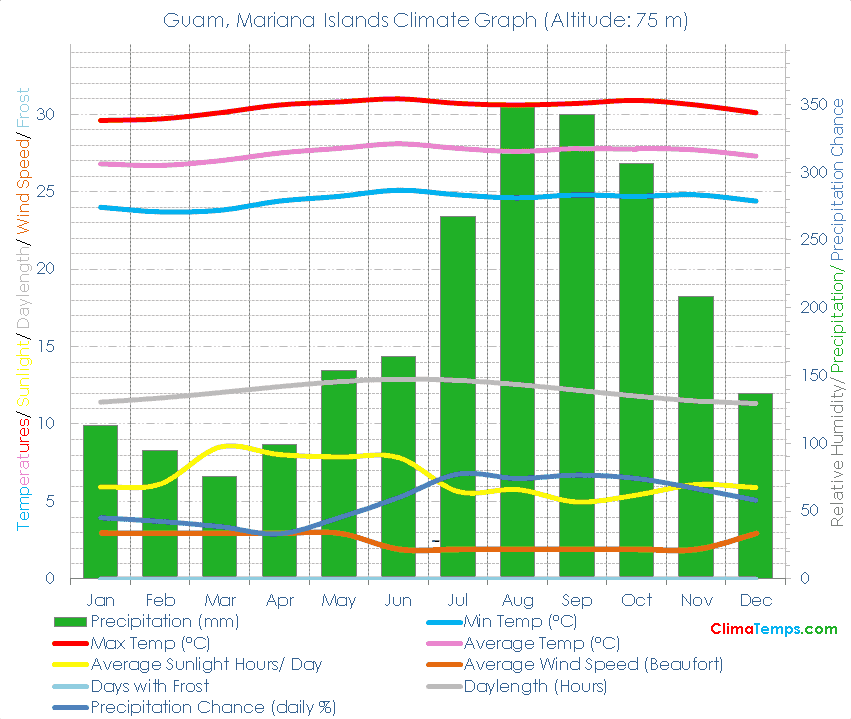
Guam’s climate is quintessentially tropical, classified under the Köppen climate classification system as a tropical rainforest climate (Af). This classification denotes consistently high temperatures, abundant rainfall, and high humidity throughout the year, with no true dry season in the conventional sense, as every month averages over 60mm of precipitation. However, distinct patterns of drier and wetter periods are discernible and significantly influence the travel experience. The island’s position just north of the equator means it is bathed in strong sunlight for most of the year, contributing to its consistently warm conditions.
A Year-Round Warmth
One of the most appealing aspects of Guam’s climate for travelers is its perpetual warmth. Daily high temperatures typically hover between 86°F (30°C) and 90°F (32°C), while nighttime lows rarely dip below 75°F (24°C). This narrow temperature range means that visitors can expect balmy conditions regardless of the month. The consistent heat is often accompanied by high humidity, which can make the air feel warmer, especially during the wetter months. However, refreshing trade winds often provide a welcome respite, particularly along coastal areas. This stable warmth ensures that beach days, swimming, and various outdoor activities are viable options throughout the calendar year, making Guam a reliable destination for sun-seekers.
The Influence of the Pacific Ocean
The vast expanse of the Pacific Ocean plays a crucial role in shaping Guam’s climate. As an isolated island, its weather patterns are heavily influenced by the surrounding marine environment. The ocean acts as a massive thermal regulator, preventing extreme temperature fluctuations that might occur on continental landmasses. The warm waters contribute significantly to the island’s high humidity levels through constant evaporation. Furthermore, ocean currents and prevailing trade winds, typically blowing from the east or northeast, carry moisture-laden air across the island, contributing to its frequent, though often brief, rainfall. This maritime influence also means that the ocean temperature remains delightfully warm year-round, typically ranging from 82°F (28°C) to 86°F (30°C), perfect for swimming, snorkeling, and diving in the crystal-clear waters of Tumon Bay and beyond.
Tropical Rainforest Classification
The “tropical rainforest” climate classification is not just a scientific label; it profoundly describes the lush, vibrant landscape of Guam. The abundant rainfall, even during the “dryer” months, sustains dense tropical vegetation, leading to the island’s characteristic emerald green appearance. This classification implies a rich biodiversity, with a thriving ecosystem supported by consistent moisture and warmth. For travelers, this translates into opportunities to explore lush jungles, discover hidden waterfalls, and experience a natural environment brimming with life, even amidst a casual stroll through the central parts of Hagåtña. The consistent rain ensures that the island maintains its verdant appeal, offering a stark contrast to more arid destinations.
Seasonal Variations and Their Impact on Travel
While Guam boasts a year-round tropical climate, the island experiences two distinct seasons primarily defined by variations in rainfall: the dry season and the wet season. Understanding these seasonal shifts is crucial for travelers planning their visit, as they influence everything from daily activities to potential weather disruptions. Each season presents a different facet of the island, offering unique advantages and considerations for visitors.
The Dry Season (December to June)
Generally considered the prime time to visit Guam, the dry season typically runs from December through June. During these months, the island experiences less frequent rainfall, lower humidity levels, and slightly cooler, more comfortable temperatures, although the difference is marginal. Sunshine is abundant, and the skies are often clearer, making it ideal for beach activities, sightseeing, and exploring outdoor attractions like Two Lovers Point. The trade winds are usually more consistent and stronger during this period, offering a refreshing breeze that helps mitigate the tropical heat.
Travelers visiting during the dry season can expect ideal conditions for diving, snorkeling, hiking, and enjoying the island’s many cultural festivals. The ocean is typically calmer, and visibility for underwater activities is often at its best. This period also coincides with peak tourist season, particularly around the Christmas and New Year holidays, and during spring breaks, so booking accommodations and flights well in advance is advisable. The evenings are pleasant and perfect for al fresco dining or evening strolls along the beach.
The Wet Season (July to November)
The wet season, spanning from July to November, brings higher humidity and more frequent, heavier rainfall to Guam. While the term “wet season” might evoke images of continuous downpours, the reality is often different. Rain showers during this period are typically intense but brief, often lasting only an hour or so before giving way to sunshine. These tropical showers can be quite refreshing, cooling down the air and invigorating the lush landscape. The island becomes even greener and more vibrant during these months, with waterfalls flowing powerfully and the air feeling distinctly tropical.
Despite the increased rainfall, the wet season offers its own unique advantages for travelers. Crowds are generally smaller, leading to a more relaxed atmosphere and potentially lower prices for flights and accommodations. Many outdoor activities, particularly those involving water, remain enjoyable. Divers and snorkelers might find different marine life patterns, and the post-rain freshness can make hiking more pleasant. However, travelers during this season should be prepared for sudden downpours, packing appropriate rain gear, and being flexible with their plans. The humidity can be higher, so light, breathable clothing is a must.
Typhoon Season: What Travelers Need to Know
A significant consideration during Guam’s wet season, specifically from July to November, is the potential for tropical storms and typhoons. Guam is situated in a region known as “Typhoon Alley,” and while direct hits are not a constant occurrence, the island does experience strong weather systems. Modern infrastructure and early warning systems are robust, and residents are well-prepared for such events.
For travelers, this means staying informed about weather forecasts, especially if visiting during these months. Hotels and tour operators are typically well-versed in typhoon protocols and prioritize visitor safety. In the event of an approaching storm, activities may be temporarily halted, and residents are advised to secure belongings and stay indoors. While the possibility of a typhoon might sound daunting, most visits during the wet season occur without incident, and the island community is resilient and well-equipped to handle adverse weather. Being aware and having travel insurance that covers weather-related disruptions are practical steps for peace of mind.
Preparing for Guam’s Weather: Tips for Visitors
Given Guam’s tropical climate, smart preparation is key to ensuring a comfortable and enjoyable trip. Understanding what to pack, how to stay hydrated, and the best times for specific activities will enhance your experience on this beautiful Pacific island. A little foresight can go a long way in making your tropical adventure seamless and memorable, regardless of the season.
Packing Essentials
Packing for Guam should prioritize comfort and adaptability to warm, humid conditions. Light, breathable fabrics like cotton, linen, or moisture-wicking synthetics are highly recommended. Think shorts, t-shirts, sundresses, and swimwear. Due to the strong sun, a wide-brimmed hat, sunglasses, and a good quality reef-safe sunscreen are absolute necessities. Even during the dry season, sporadic rain showers can occur, so a lightweight rain jacket or a compact umbrella is a wise addition, especially if you plan on exploring nature trails or being out for extended periods. Comfortable walking sandals or water shoes are perfect for navigating beaches and casual outings, while sturdy walking shoes might be preferred for more adventurous hikes. Don’t forget insect repellent, particularly for evening outings or jungle excursions, as mosquitoes can be present, especially after rain.
Hydration and Sun Safety
Staying hydrated is crucial in Guam’s humid, warm climate. Visitors should drink plenty of water throughout the day, even if not actively exercising. Carrying a reusable water bottle and refilling it regularly is an excellent practice. Fresh local fruits and juices also contribute to hydration. Beyond drinking water, protecting yourself from the sun’s powerful UV rays is paramount. The equatorial sun is intense, and sunburn can occur quickly. Apply sunscreen liberally and frequently, even on cloudy days, and seek shade during the peak sun hours (typically 10 AM to 4 PM). Rash guards or UPF-rated clothing can provide additional protection during water activities. Listen to your body and take breaks in air-conditioned spaces or under shaded palm trees to avoid heat exhaustion.
Best Time to Visit
While Guam is a year-round destination, the “best” time to visit often depends on individual preferences. For those seeking the driest weather, lowest humidity, and maximum sunshine for beach-centric activities and outdoor exploration, the dry season (December to June) is ideal. This period offers the most consistently pleasant conditions. However, it is also the peak tourist season, meaning potentially higher prices and larger crowds.
If you prefer fewer crowds, potentially lower costs, and don’t mind occasional heavy, but usually brief, rain showers, then the wet season (July to November) can be a rewarding time to visit. The island is incredibly lush and vibrant during these months, offering a unique beauty. Just be mindful of the typhoon season and keep an eye on weather forecasts. Ultimately, Guam’s mild temperature variations mean that as long as you pack appropriately and are flexible with your plans, any time of year can offer a fantastic tropical escape.
Beyond the Forecast: Climate’s Influence on Guam’s Ecosystem and Activities
The climate of Guam is more than just temperature and rainfall data; it is the fundamental force shaping the island’s natural environment and the diverse range of activities available to travelers. From the thriving jungle to the crystal-clear ocean depths, the tropical marine climate creates an immersive experience that is intrinsically linked to the island’s unique character and allure.
Lush Vegetation and Biodiversity
The consistent warmth and abundant rainfall, characteristic of Guam’s tropical rainforest climate, are directly responsible for the island’s incredibly lush and vibrant vegetation. Dense jungles, rich with native flora and introduced species, cover much of the interior, creating a spectacular green landscape. This thriving ecosystem supports a surprising array of biodiversity, from exotic birds to unique insects and reptiles. For adventurous travelers, this means opportunities for jungle hikes, exploring hidden waterfalls, and experiencing the sensory richness of a tropical rainforest, a stark contrast to the island’s pristine beaches. Even during the drier months, the residual moisture sustains this verdant beauty, ensuring that the island never loses its captivating verdant appeal. The climate truly defines the island as a living, breathing natural wonder.
Water Activities Year-Round
One of the greatest benefits of Guam’s climate for tourists is the consistently warm ocean water, which hovers around 82-86°F (28-30°C) throughout the year. This ensures that water-based activities are not only possible but incredibly inviting every single day. Whether it’s the peak of the dry season or amidst a wet season shower, the conditions for swimming, snorkeling, diving, paddleboarding, and jet-skiing remain exceptional. The warm water encourages a rich marine life, making Guam a world-renowned destination for scuba diving and free diving, with incredible coral reefs, WWII wrecks, and diverse fish species waiting to be discovered. Even during a tropical downpour, the ocean remains a welcoming haven, offering a unique and memorable way to experience the island’s natural beauty from a different perspective.

Cultural Resilience and Adaptation
Guam’s climate has not only shaped its natural environment but also profoundly influenced the culture and lifestyle of its indigenous Chamorro people for thousands of years. From traditional building techniques designed to withstand tropical storms to agricultural practices adapted to the wet and dry cycles, the island’s inhabitants have developed a deep understanding and respect for their environment. This cultural resilience is evident in how the community prepares for and recovers from typhoons, and in the traditions that celebrate the bounty of the land and sea. Travelers can gain a deeper appreciation for this connection by engaging with local communities, visiting cultural sites, and learning about the Chamorro way of life, which is intricately woven with the rhythms of Guam’s tropical climate. The island’s enduring spirit is a testament to its people’s harmonious relationship with their environment, making the climate an integral part of Guam’s fascinating story.
LifeOutOfTheBox is a participant in the Amazon Services LLC Associates Program, an affiliate advertising program designed to provide a means for sites to earn advertising fees by advertising and linking to Amazon.com. Amazon, the Amazon logo, AmazonSupply, and the AmazonSupply logo are trademarks of Amazon.com, Inc. or its affiliates. As an Amazon Associate we earn affiliate commissions from qualifying purchases.