
Understanding the precise time in any destination is more than a trivial detail; for travelers, it’s a foundational piece of information that dictates everything from flight schedules to dinner reservations. When planning a visit to the vibrant metropolis of Chicago, Illinois, knowing the local time is paramount for a seamless and enjoyable experience.
Chicago observes Central Time (CT). More specifically, during the warmer months, it operates on Central Daylight Time (CDT), which is UTC-5. During the colder months, when Daylight Saving Time is not in effect, it switches to Central Standard Time (CST), which is UTC-6. This biannual shift, often referred to as “spring forward” and “fall back,” typically occurs in March and November, respectively. This simple fact holds profound implications for anyone traveling to, from, or through the Windy City, influencing travel logistics, health, and the overall rhythm of your visit.

Understanding Chicago’s Time Zone: Central Time Deconstructed
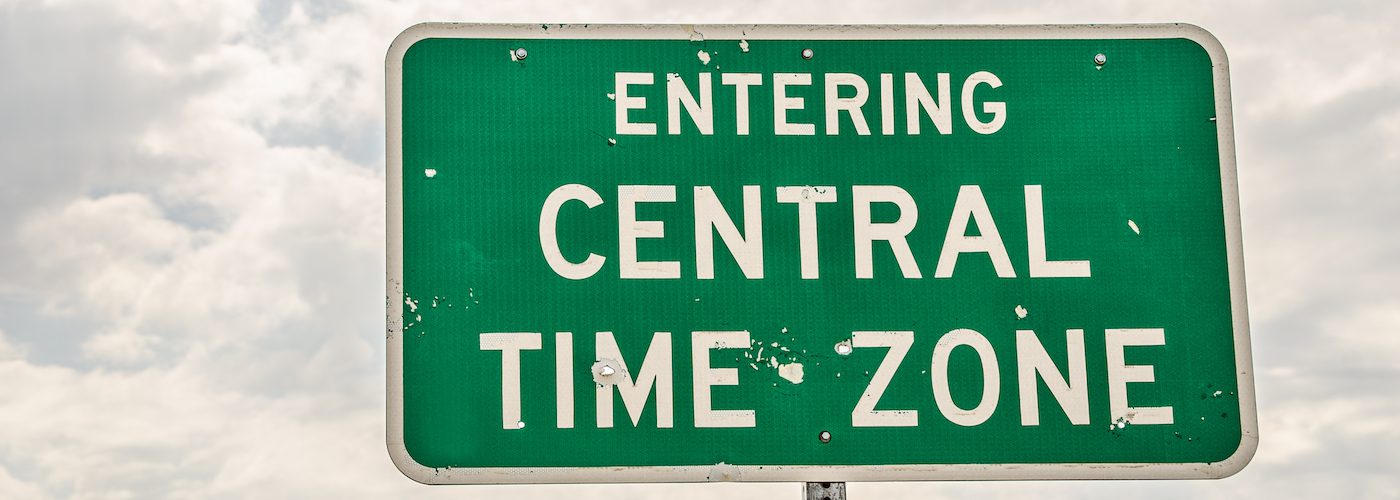
The Central Time Zone encompasses a broad swathe of the United States, Canada, and Mexico, placing Chicago firmly within this crucial temporal demarcation. For travelers, appreciating the nuances of this time zone, especially the shift between CST and CDT, is key to avoiding confusion and optimizing their itinerary.
The Dynamics of Central Standard Time (CST) and Central Daylight Time (CDT)
CST (UTC-6) is the standard offset from Coordinated Universal Time (UTC) observed during the winter months. This means that Chicago is six hours behind UTC. As spring approaches, typically on the second Sunday in March, the clocks “spring forward” by one hour, initiating CDT (UTC-5). This change extends daylight into the evening, a boon for tourism and outdoor activities. The transition back to CST (“fall back”) occurs on the first Sunday in November, when clocks move back an hour, effectively regaining the hour lost in spring. These changes are critical for travelers arriving or departing around these dates, as they can impact flight times, train schedules, and even the opening hours of attractions. Checking the exact dates of these transitions for your travel year is always a prudent step.
Geographic Context: Where Central Time Matters
Chicago’s position within the Central Time Zone means it shares its time with major cities like Dallas, Houston, New Orleans, and St. Louis. This commonality simplifies planning if your journey includes other cities in this zone. However, if you’re arriving from the Eastern Time Zone (e.g., New York City, Miami) or the Mountain or Pacific Time Zones (e.g., Denver, Los Angeles), you’ll be crossing one or more time boundaries. Each time zone crossed signifies a potential for jet lag and requires careful adjustment of your internal clock and schedule. For international travelers, the time difference can be even more pronounced, making preliminary research on time conversion an essential pre-trip activity.
Planning Your Trip: Time Zone Considerations for Travelers
The journey to Chicago involves more than just booking a flight; it requires a strategic approach to time. From managing flight times to scheduling appointments, your understanding of Chicago’s time zone will directly impact the smoothness of your travel.
Flight Schedules and Airport Navigation
Major airports serving Chicago, such as O’Hare International Airport (ORD) and Midway International Airport (MDW), operate strictly on local Chicago time. This means all arrival and departure times listed are in CST/CDT. When booking flights, especially connecting ones, always confirm that you are viewing times in the correct local time zone for each segment of your journey. Many travel websites automatically convert times, but a manual double-check is always advisable, particularly for flights crossing multiple time zones. Misinterpreting departure or arrival times due to time zone differences can lead to missed flights or long, unexpected waits.
Accommodation Check-ins and Reservations
Hotel check-in and check-out times are strictly enforced according to local Chicago time. Typically, check-in is in the afternoon (e.g., 3:00 PM or 4:00 PM CST/CDT) and check-out is in the late morning (e.g., 11:00 AM or 12:00 PM CST/CDT). If you’re arriving on an early morning flight, you might need to arrange for an early check-in or plan activities to fill your time until your room is ready. Conversely, for a late departure, consider a late check-out (if available) or baggage storage options at your hotel. Similarly, restaurant reservations, theater tickets, and tour bookings are all scheduled in Chicago time, making accurate time conversion crucial for punctual arrivals.
Beating Jet Lag and Maximizing Your Chicago Experience
Jet lag is the unwelcome companion of many travelers, and understanding Chicago’s time can be your first line of defense against it. Effectively managing your body clock ensures you can fully immerse yourself in all the Windy City has to offer.
Adjusting Your Internal Clock
For travelers crossing multiple time zones, pre-adjusting your sleep schedule can significantly mitigate the effects of jet lag. A few days before your trip, try to shift your bedtime and wake-up time closer to Chicago’s local time. Upon arrival, expose yourself to natural light during the day to help reset your circadian rhythm. Avoid excessive caffeine and alcohol, stay hydrated, and try to stick to your new schedule as much as possible, even if you feel tired. A short nap (20-30 minutes) can be refreshing, but long naps can prolong the adjustment period.
Strategic Scheduling for Peak Enjoyment
Knowing the local time allows for strategic planning of your activities to align with your energy levels as you adjust. Schedule more relaxed activities, like a scenic stroll through Millennium Park or a visit to the Art Institute of Chicago, for your first day when you might still be feeling the effects of travel. Save more strenuous or time-sensitive events, like an architectural boat tour on the Chicago River or a visit to the Skydeck Chicago, for when you are fully adjusted and can appreciate them without fatigue. Early morning starts for popular attractions can also help beat the crowds and maximize your sightseeing before the afternoon slump potentially kicks in.
Navigating Daily Life and Events in the Windy City
Beyond personal comfort, understanding Chicago’s time zone is essential for interacting with the city’s daily rhythm, from business hours to special events.
Business Hours and Public Services
Most businesses, banks, and government offices in Chicago operate within typical weekday hours, usually from 9:00 AM to 5:00 PM CST/CDT. Retail establishments, especially along the Magnificent Mile, often have extended hours, particularly on weekends and during holiday seasons. Public transportation, including the CTA ‘L’ train and bus system, operates on a regular schedule, with increased frequency during peak morning and evening commute times. Familiarizing yourself with these operational hours in local time ensures you can efficiently access services and plan your shopping and commuting effectively.
Special Events and Cultural Engagements
Chicago is renowned for its dynamic calendar of events, ranging from world-class theatrical performances at the Goodman Theatre to sporting events at Wrigley Field. All advertised event times will be in local Chicago time. Punctuality is appreciated, especially for theater performances and guided tours. Arriving a little early is always a good practice, not just to find your seats but also to soak in the atmosphere. Missing the start of a show at The Second City or a pre-booked entry slot for the Field Museum due to a time zone miscalculation can be a frustrating and costly mistake.
Time-Sensitive Attractions and Experiences
Many of Chicago’s most iconic experiences are time-dependent, requiring careful planning to ensure you don’t miss out.
Museum Hours and Last Entry Times
Chicago’s world-class museums, such as the Art Institute of Chicago, the Field Museum, the Shedd Aquarium, and the Adler Planetarium, all have specific operating hours and, crucially, “last entry” times. These are strictly observed in local Chicago time. Arriving too close to closing can mean you’re denied entry or have insufficient time to explore. Always check their official websites for the most up-to-date information, as hours can vary seasonally or for special events. Booking timed-entry tickets in advance, especially for popular attractions, is highly recommended to guarantee your visit.

Sunset Views and Dining Experiences
The beauty of a Chicago sunset over Lake Michigan or from an observation deck like Skydeck Chicago is an unforgettable experience. However, sunset times vary significantly throughout the year, especially with the observance of Daylight Saving Time. Consulting a local weather app for daily sunset times is essential if you plan to capture that perfect golden hour photo or enjoy a sunset cruise from Navy Pier. Similarly, popular dining spots in neighborhoods like West Loop or River North often require reservations weeks in advance, and these are, of course, made for Chicago time. Ensure your reservation aligns with your desired dining window to avoid disappointment. Even attractions like Lincoln Park Zoo, while free, have gates that open and close at specific local times.
In conclusion, “What is the time in Chicago, Illinois?” is a question with a straightforward answer: Central Time (CST/CDT). However, its implications for travelers are far-reaching. By understanding and proactively managing this fundamental piece of information, visitors can navigate their journey with confidence, conquer jet lag, and fully embrace the vibrant tapestry of experiences that await them in this magnificent American city.
LifeOutOfTheBox is a participant in the Amazon Services LLC Associates Program, an affiliate advertising program designed to provide a means for sites to earn advertising fees by advertising and linking to Amazon.com. Amazon, the Amazon logo, AmazonSupply, and the AmazonSupply logo are trademarks of Amazon.com, Inc. or its affiliates. As an Amazon Associate we earn affiliate commissions from qualifying purchases.