
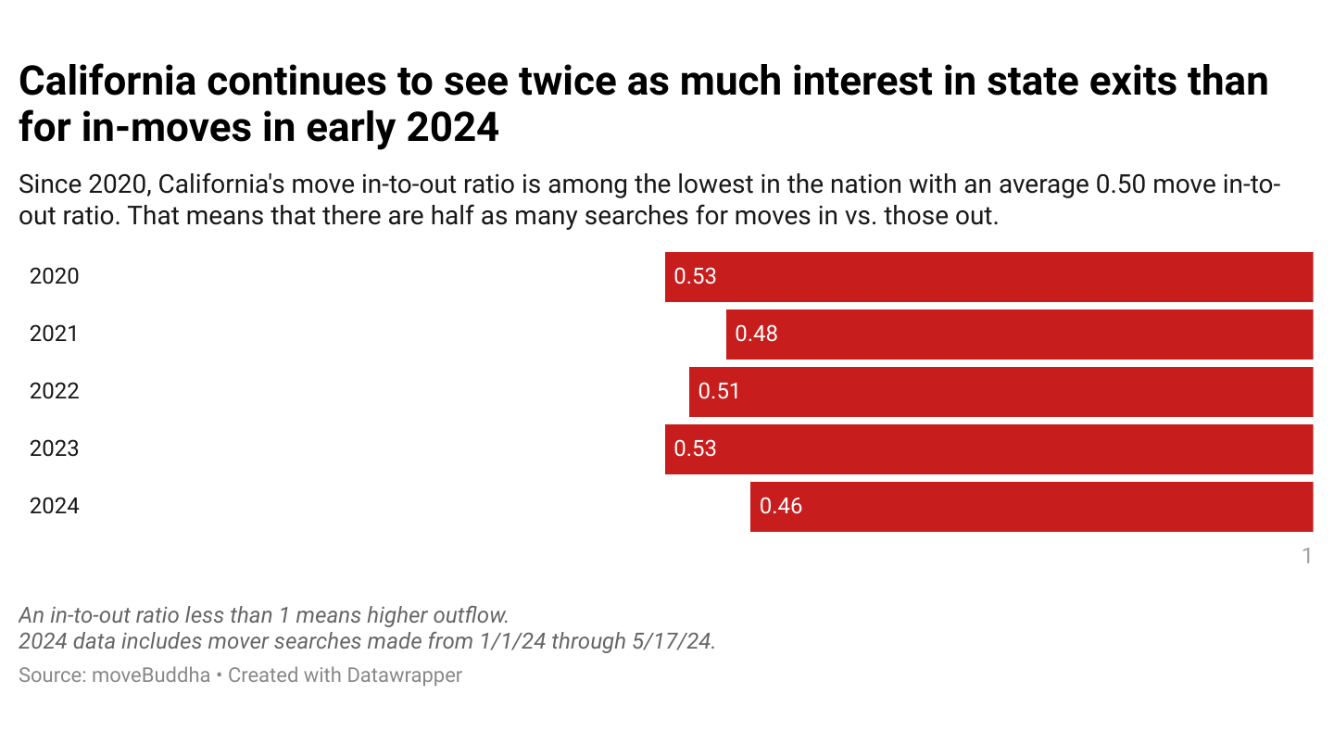
California, often celebrated as the Golden State, a land of innovation, opportunity, and diverse landscapes, has long been a beacon for those seeking to carve out a unique lifestyle. From the tech hubs of Silicon Valley to the sun-kissed beaches of Southern California and the artistic enclaves of its major cities, the state has historically attracted millions. Yet, since 2020, a noticeable shift has been underway. A growing chorus of conversations, often fueled by personal stories and anecdotal evidence, suggests a significant out-migration. This exodus, far from being a simple statistical blip, represents a complex phenomenon deeply intertwined with changing lifestyle priorities, economic pressures, and the transformative impact of global events. Understanding “how many people have left California since 2020” necessitates a deeper dive into the demographic data, but more importantly, it requires an exploration of the underlying lifestyle drivers compelling individuals and families to seek new horizons.

The decision to relocate is rarely facile, particularly when it involves leaving a state as iconic and opportunity-rich as California. For many, it represents a profound recalculation of what constitutes a desirable quality of life, a sustainable financial future, and an optimal environment for personal and professional growth. This article delves into the trends, the motivations, and the broader implications of California’s recent population dynamics, framed through the lens of lifestyle choices and aspirations.
The Shifting Sands of the Golden State: An Overview of Exodus Trends
The narrative of people leaving California is supported by various data sources, indicating a notable, albeit nuanced, pattern of out-migration since the turn of the decade. This trend challenges the long-held perception of California as an irresistible magnet for population growth.
Decoding the Numbers: What the Data Says
Official statistics paint a clearer picture of the demographic shifts. According to data from the California Department of Finance and estimates from the U.S. Census Bureau, California experienced its first ever recorded annual population decline in 2020, followed by further declines in subsequent years. While births still outpace deaths, the primary driver of this trend has been a significant net out-migration. Between April 2020 and July 2022, for instance, the state lost hundreds of thousands of residents due to people moving out more than moving in. This figure includes both domestic migration (people moving to other U.S. states) and international migration (people moving to or from other countries), though domestic migration has been the more impactful factor in the net loss.
These numbers reflect not just individuals, but entire households, families, and businesses making the choice to depart. While the state’s total population remains immense, exceeding 39 million, the sustained net outflow represents a significant demographic shift that bears close examination for its lifestyle implications. It signifies a collective reassessment of the value proposition that California offers against the backdrop of other states.
Who is Leaving, and Where Are They Going?
The profile of those leaving California is diverse, but common threads emerge. Many are middle-income families, young professionals, and retirees, often seeking greater affordability and a different pace of life. A significant portion of these movers are not necessarily high-income earners but rather the backbone of the state’s workforce, including those in tech, healthcare, and education, who find their quality of life increasingly strained by the cost of living.
The destinations of choice are often states within the Sun Belt, which offer lower costs of living, favorable tax environments, and robust job markets. Popular states include Texas, Arizona, Nevada, Florida, and Idaho. In these states, individuals and families often find they can purchase larger homes for significantly less, reduce their tax burden, and enjoy a lifestyle that might include more disposable income, less commuting, and greater access to recreational activities without the premium price tag. For example, a home that costs over a million dollars in Los Angeles or San Francisco might be half that price in Phoenix or Dallas, fundamentally altering a family’s financial lifestyle.
Lifestyle Drivers Behind the Departure
The decision to leave a place as dynamic and diverse as California is rarely singular. Instead, it’s often a confluence of factors, each contributing to a lifestyle calculus that ultimately tips the scales towards relocation.
The High Cost of Living: A Sustainable Lifestyle Challenge
Undoubtedly, the most frequently cited reason for leaving California is the exorbitant cost of living, particularly housing. Major metropolitan areas like San Francisco, Los Angeles, and San Diego consistently rank among the most expensive places to live globally. The dream of homeownership, a cornerstone of the American lifestyle, remains out of reach for many even with substantial incomes. Sky-high rents consume a disproportionate amount of income, leaving little for savings, leisure, or other lifestyle investments.
Beyond housing, the cost of everyday goods and services, utilities, and gasoline also contributes to a feeling of financial squeeze. For many, maintaining a desired lifestyle – whether it’s dining out, pursuing hobbies, or saving for retirement – becomes increasingly challenging, leading to a diminished quality of life despite potentially high wages. The aspiration for financial stability and the ability to comfortably raise a family often becomes the primary lifestyle driver for seeking greener, or rather, more affordable, pastures.
Remote Work and the Quest for a New Quality of Life

The COVID-19 pandemic acted as a powerful accelerant for the out-migration trend, primarily by normalizing and expanding remote work capabilities. For decades, the necessity of being physically present in California’s economic hubs, especially Silicon Valley, kept many tethered to the state despite the high costs. The shift to remote work untethered countless professionals from geographic constraints, offering them unprecedented freedom to choose where they live.
This newfound flexibility directly impacts lifestyle choices. Employees who no longer need to commute to San Jose or Santa Monica can now seek communities where they can afford a larger home with a yard, access to better schools, or a more relaxed pace of life, all while retaining their California-based salaries (though this is also changing). The quest for a better work-life balance, more family time, and the ability to pursue personal interests in a less stressful environment are profound lifestyle considerations enabled by remote work.
Shifting Priorities: From Urban Hustle to Suburban Serenity
Beyond direct financial concerns, many individuals and families are experiencing a shift in what they prioritize for their lifestyle. The allure of the dense urban environment, with its constant stimulation and perceived opportunities, has waned for some. Concerns about traffic congestion, long commutes, crowded public spaces, and general urban intensity have prompted a desire for a different kind of living.
For families, the search for safer neighborhoods, larger homes with outdoor space, and access to highly-rated public schools often dictates a move away from California’s more urbanized and expensive areas. Retirees, too, frequently seek quieter communities with a lower cost of living and less hustle, allowing them to stretch their retirement savings further and enjoy a more tranquil lifestyle. This desire for suburban serenity or even a rural retreat represents a deliberate lifestyle choice, valuing space, peace, and community over the fast-paced intensity often associated with California’s major cities.
The Ripple Effect: What the Exodus Means for California’s Lifestyle Landscape
The departure of hundreds of thousands of residents is not without consequences for the state itself. The ripple effects touch various facets of California’s economy, social fabric, and overall lifestyle landscape.
Demographic Changes and Community Evolution
As certain segments of the population leave, the demographic makeup of California inevitably shifts. While the state remains incredibly diverse, there’s a risk of losing a critical mass of its middle class, potentially leading to a more bifurcated society. Neighborhoods and communities that once thrived with a mix of incomes and professions may see changes in their character. This can impact local businesses, school enrollment, and the very cultural vibrancy that has defined California’s lifestyle. For instance, a decline in young families could strain public services reliant on property taxes and lead to school closures in some areas.
Innovation and Economic Future
California’s economic prowess, particularly in the tech and innovation sectors, has been heavily reliant on its ability to attract and retain top talent. While the state still holds a dominant position, a sustained outflow of skilled professionals could pose long-term challenges. If the cost of living continues to push out a significant portion of the workforce, it could make it harder for companies to recruit and retain the diverse talent necessary for continued innovation. This doesn’t mean the end of Silicon Valley, but it could force a re-evaluation of how companies operate and where they establish their footprints, potentially impacting the high-tech lifestyle associated with the state.
Looking Ahead: The Future of Californian Lifestyles
The question of how many people have left California since 2020 underscores a pivotal moment for the state. It’s a period of introspection and adaptation, as policymakers, businesses, and residents grapple with evolving realities.
Adaptation and Resilience: California’s Response
California is not passively observing these trends. Efforts are underway to address some of the underlying issues, particularly housing affordability. Initiatives aimed at streamlining housing development, increasing density, and exploring innovative housing solutions are gaining traction. Additionally, discussions around tax reform and improving the business climate are ongoing, all with the goal of making California a more sustainable place to live and work for a wider range of income levels. The state aims to retain its vibrant, diverse lifestyle while making it more accessible.
A New Equilibrium?
Predicting whether the out-migration trend will continue, slow down, or reverse is complex. Factors such as national economic conditions, continued remote work flexibility, and the success of California’s policy responses will all play a role. It’s possible that the state is heading towards a new demographic equilibrium, where its population growth may be slower, but its core strengths in innovation, culture, and natural beauty continue to attract a certain demographic. The lifestyle of California may evolve, perhaps becoming more exclusive in some areas, while other regions become more affordable and accessible.
In conclusion, the exodus of hundreds of thousands of people from California since 2020 is a multifaceted phenomenon, not merely a statistical anomaly. It is deeply rooted in personal and family lifestyle considerations, driven by the search for greater affordability, a better quality of life, and the newfound freedom offered by remote work. While California continues to possess an undeniable allure, its recent demographic shifts highlight a profound re-evaluation of what constitutes an ideal lifestyle in the 21st century. The state’s ability to adapt to these changing priorities will ultimately determine the future character of its legendary lifestyle.
LifeOutOfTheBox is a participant in the Amazon Services LLC Associates Program, an affiliate advertising program designed to provide a means for sites to earn advertising fees by advertising and linking to Amazon.com. Amazon, the Amazon logo, AmazonSupply, and the AmazonSupply logo are trademarks of Amazon.com, Inc. or its affiliates. As an Amazon Associate we earn affiliate commissions from qualifying purchases.