
For any seasoned traveler, understanding the local time zone of a destination is far more than a simple matter of setting a watch. It’s a fundamental pillar for planning, adaptation, and truly immersing oneself in the rhythm of a new city. When considering a journey to Chicago, one of the most vibrant metropolises in the United States, knowing its current time is the first step towards a seamless and enriching travel experience. This article delves into Chicago’s time zone, its implications for travelers, and how mastering this crucial detail can elevate your visit from good to truly exceptional.

Chicago, a global hub for culture, commerce, and tourism, operates on Central Time. This seemingly straightforward fact holds layers of nuance for anyone arriving from a different time zone, especially those crossing multiple meridians. From mitigating jet lag to strategically planning your days to maximize sightseeing and dining experiences, a deep understanding of Chicago’s temporal landscape is indispensable. It’s about more than just avoiding being late; it’s about harmonizing with the city’s pulse, making the most of every daylight hour, and ensuring your internal clock aligns with the bustling pace of the Windy City.
Understanding Chicago’s Time Zone: Central Time
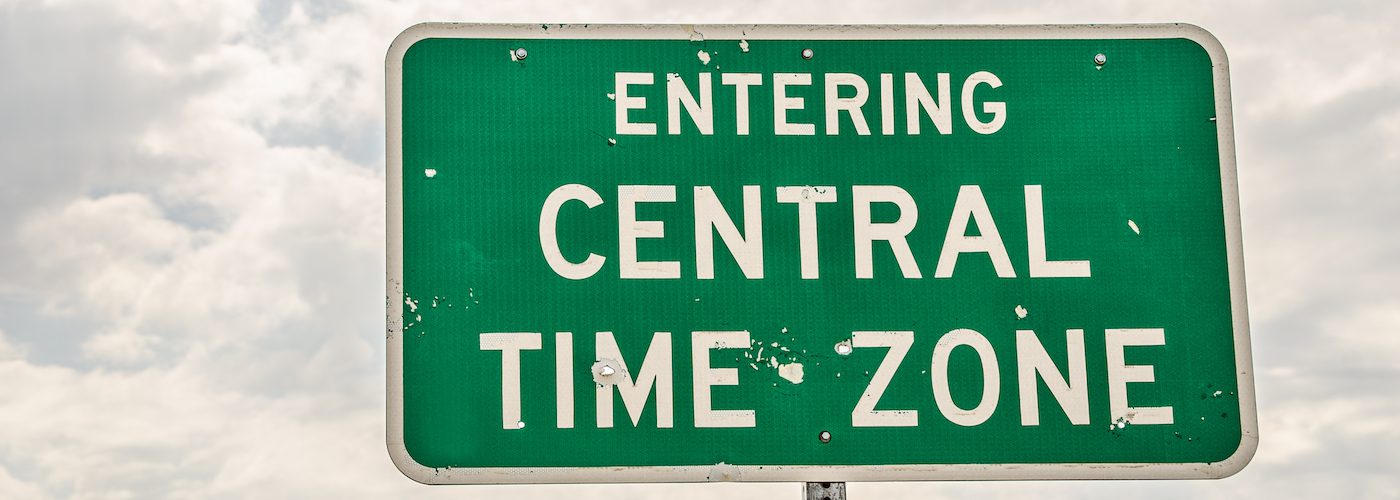
At its core, Chicago’s time is dictated by its position within the Central Time Zone, one of the four primary time zones spanning the contiguous United States. This geographical alignment places it six hours behind Coordinated Universal Time (UTC) during standard time and five hours behind during daylight saving. Grasping this distinction is crucial for international travelers and those arriving from coasts.
Central Standard Time (CST) and Central Daylight Time (CDT)
Throughout much of the year, Chicago observes Central Standard Time (CST), which is UTC-6. This means that if it’s noon UTC, it’s 6:00 AM in Chicago. However, like much of the United States, Illinois observes Daylight Saving Time. This transition typically occurs on the second Sunday in March, when clocks “spring forward” one hour, shifting Chicago to Central Daylight Time (CDT). During CDT, the offset becomes UTC-5. This change provides an extra hour of daylight in the evenings, a boon for summer travelers looking to enjoy Chicago’s outdoor attractions later into the day. The return to CST usually happens on the first Sunday in November, when clocks “fall back” an hour. Being aware of these transitions is vital for planning travel during these specific periods, as they can subtly impact flight schedules, reservation times, and even public transport timetables.
Geographical Context and Time Zone Boundaries
Chicago’s location within the Central Time Zone is a consequence of its longitudinal position in North America. This zone generally covers states in the central belt of the United States, stretching from the Canadian border to the Gulf of Mexico. Understanding these boundaries can be helpful if your itinerary involves driving or flying across state lines within the Midwest. For instance, traveling west from Chicago into parts of Kansas or Nebraska keeps you in the same time zone, while heading further west into states like Colorado would transition you into the Mountain Time Zone, adding another hour’s difference. Conversely, traveling east into states like Indiana or Ohio might bring you into the Eastern Time Zone. For a traveler, recognizing these geographical shifts allows for better planning of multi-city itineraries, ensuring smooth transitions and minimizing confusion when communicating with different regions.
Navigating Time Differences: A Traveler’s Guide
For many visitors to Chicago, the biggest challenge related to time zones is managing the physiological and logistical impacts of crossing multiple time zones. Effective management can mean the difference between an exhausting trip and an exhilarating adventure.
Planning Your Arrival and Departure
The moments of arrival and departure are critical for time zone adjustment. If you’re flying into Chicago from the East Coast or internationally, you’ll be effectively gaining hours, which can sometimes make jet lag feel less severe but still disrupt sleep patterns. Conversely, traveling eastward from Chicago means losing hours, often leading to more noticeable fatigue. To counteract this, consider scheduling your arrival flight to land in the late afternoon or early evening in Chicago. This allows you to check into your accommodation, have a light meal, and then aim for an early night’s sleep, aligning with the local time from day one. Avoid scheduling critical meetings or intense activities immediately after a long-haul flight. For departures, especially long ones, give yourself ample time at O’Hare International Airport or Midway International Airport to account for potential delays and the need to adjust your internal clock back towards your home time.
Coordinating with Home and Other Destinations
Staying connected with family, friends, or colleagues in different time zones requires careful coordination. Before you travel, make a note of the time difference between Chicago and your home location. Many smartphones now have world clock features that allow you to display multiple time zones simultaneously, which is incredibly useful. When planning video calls or important communications, be mindful of sleep patterns on both ends. For instance, an early morning call in Chicago might be late afternoon or evening for someone in Europe, or even the next day for someone in Asia. This consideration prevents inconvenient disruptions and ensures effective communication without causing undue stress for either party.
Setting Your Devices
One of the simplest yet most overlooked steps is ensuring all your devices are updated to Chicago time. Most modern smartphones automatically adjust to the local time zone when they connect to a cellular network in a new location. However, it’s always good practice to double-check. Manually update any non-connected devices like traditional watches, alarm clocks, or older tablets. Carrying a small, battery-operated travel alarm clock set to your home time can also be a helpful tool for early morning wake-ups if you’re trying to ease into the new time zone gradually without missing important appointments. Remember, syncing your devices correctly prevents confusion regarding reservation times, tour departures, and meeting schedules, ensuring you remain punctual and stress-free throughout your trip.
Chicago’s Daily Rhythm: What Time Means for Your Itinerary
Beyond merely telling the hour, Chicago’s time dictates the city’s flow, influencing everything from the best times to visit popular attractions to securing a coveted dinner reservation. Understanding this rhythm allows you to optimize your itinerary and experience the city like a local.
Peak Hours and Tourist Attractions
Chicago’s most iconic landmarks and museums often experience peak visitation during specific hours. Attractions like Millennium Park (home to “The Bean”), the Art Institute of Chicago, the Willis Tower Skydeck, and Navy Pier are typically busiest from late morning through mid-afternoon, especially on weekends and during school holidays. To avoid the largest crowds and enjoy a more serene experience, consider visiting these sites shortly after opening time or later in the afternoon/early evening. For example, an early morning stroll through Millennium Park offers stunning photo opportunities with fewer people, while visiting a museum towards closing time can allow for a more leisurely pace. Similarly, the Lincoln Park Zoo is fantastic early in the morning before the family crowds arrive. Planning your visits with these peak times in mind can significantly enhance your enjoyment and reduce waiting times.
Dining and Entertainment Schedules
Chicago’s renowned culinary scene and vibrant nightlife also operate on a specific temporal schedule. Lunch typically runs from noon to 2 PM, while dinner service often begins around 5 PM, with peak dining hours falling between 7 PM and 9 PM, particularly in popular neighborhoods like River North and West Loop. If you’re aiming for a reservation at a highly sought-after restaurant, booking well in advance and considering slightly earlier or later dining times (e.g., 6 PM or 9:30 PM) can increase your chances. Similarly, theater shows, concerts, and live music performances generally kick off in the evening, often between 7 PM and 8 PM, concluding by 10 PM or 11 PM. Planning your pre-show dinner to allow ample time to reach the venue without feeling rushed is essential. Knowing the local dining customs means you won’t be caught trying to find a full-service dinner at 4 PM or expecting late-night dining options everywhere past midnight.
Public Transportation and Commute Times
Navigating Chicago’s extensive public transportation system, particularly the ‘L’ train and bus network, also benefits from an understanding of local time. Like any major city, Chicago experiences significant rush hour periods. Morning rush hour typically runs from 6:30 AM to 9:00 AM, and evening rush hour from 4:00 PM to 6:30 PM. During these times, trains and buses will be more crowded, and travel times may be longer. If your itinerary allows, planning your longer commutes between neighborhoods outside of these windows can lead to a more comfortable and efficient journey. For instance, exploring the shops along the Magnificent Mile or strolling down Michigan Avenue during the mid-morning, then heading to a museum in the afternoon, can help you avoid the worst of the commuter crush.
Maximizing Your Chicago Experience by Mastering Time
Ultimately, understanding “What time is it at Chicago?” is about empowerment. It’s about taking control of your travel narrative and crafting an experience that feels perfectly timed and effortlessly enjoyable.
Strategic Sightseeing
Leveraging Chicago’s time zone for strategic sightseeing means making deliberate choices about when and where to visit. Early mornings are often ideal for experiencing outdoor spaces, like the shores of Lake Michigan or quiet moments at public art installations, before the city fully awakens. Mid-mornings and early afternoons can be dedicated to indoor attractions like the Field Museum, Shedd Aquarium, or shopping districts. As the day progresses, consider planning activities that align with the evening light, such as a sunset architectural river cruise or enjoying cocktails with a skyline view. By consciously timing your activities, you can minimize waiting times, capture better photographs, and experience the city’s diverse offerings in their best light.
Adapting to Local Time for Wellness
Beyond schedules, adapting to Chicago’s local time is crucial for your personal well-being. Jet lag can significantly impact energy levels, mood, and even appetite. To combat this, try to expose yourself to natural light during Chicago’s daylight hours and avoid heavy meals close to your bedtime. Stay hydrated, and try to maintain a consistent sleep schedule once you arrive, even if it feels unnatural at first. Gentle exercise, like walking through a Chicago park, can also aid in re-calibrating your body clock. Prioritizing your physical and mental adaptation allows you to fully engage with your surroundings, enjoy your meals, and have the stamina for all the exploration Chicago has to offer.

Embracing the City’s Flow
Ultimately, mastering Chicago’s time means more than just being on schedule; it means embracing the city’s inherent flow. It’s understanding that businesses open at certain hours, that the lunch rush is vibrant, and that evenings are for entertainment and exquisite dining. It’s about allowing yourself to be guided by the local rhythm, rather than constantly fighting against an internal clock still stuck in another time zone. This immersion is where the true magic of travel happens, allowing you to connect more authentically with the local culture, interact with residents, and create memories that resonate deeply. By aligning your personal clock with Chicago’s’s, you don’t just visit the city; you become a part of it, however brief your stay.
In conclusion, knowing “What time is it at Chicago?” is the bedrock of a well-executed travel plan. From the nuances of Central Standard Time and Central Daylight Time to the strategic planning of your daily itinerary, every aspect of your journey is influenced by the clock. By proactively understanding and adapting to Chicago’s temporal landscape, you unlock the potential for a richer, more enjoyable, and truly unforgettable exploration of this magnificent American city.
LifeOutOfTheBox is a participant in the Amazon Services LLC Associates Program, an affiliate advertising program designed to provide a means for sites to earn advertising fees by advertising and linking to Amazon.com. Amazon, the Amazon logo, AmazonSupply, and the AmazonSupply logo are trademarks of Amazon.com, Inc. or its affiliates. As an Amazon Associate we earn affiliate commissions from qualifying purchases.