
Embarking on a journey across Colorado’s diverse landscapes often begins with understanding the fundamental distances that connect its vibrant cities. For many planning to explore the northern reaches of the state or simply navigate between its major hubs, a common question arises: “How far is Fort Collins, Colorado from Denver, Colorado?” This seemingly simple inquiry unlocks a wealth of considerations for travelers, encompassing not just miles but also travel time, transportation options, scenic routes, and practical planning advice. Understanding this crucial link is the first step towards a seamless and enjoyable Colorado adventure, whether you’re commuting for business, visiting family, or exploring the state’s myriad attractions.
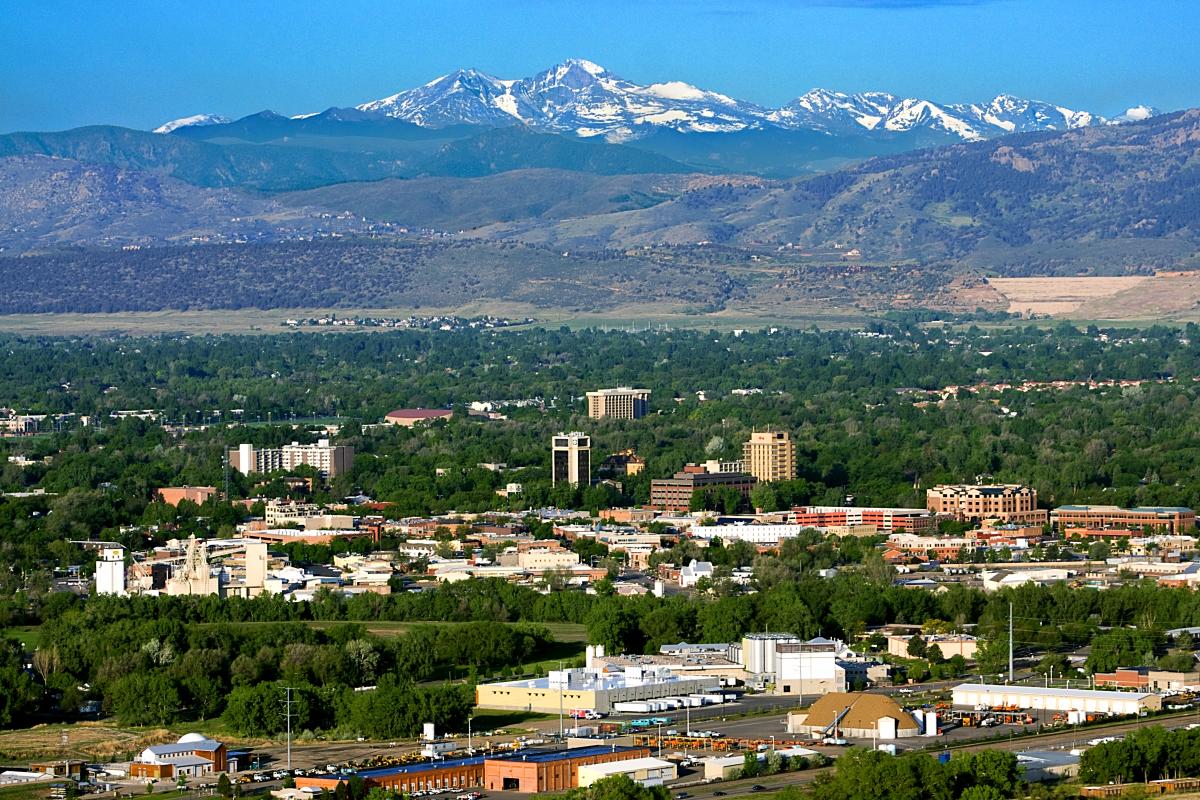
The Direct Distance and Core Travel Time
The journey between Denver and Fort Collins is a well-traveled route, primarily along the state’s main north-south arterial. This stretch of road connects Colorado’s bustling capital city with one of its most dynamic Northern Colorado communities, renowned for its craft breweries, outdoor recreation, and academic vibrancy.
By Car: The Most Common Route
The most direct and frequently used path from Denver to Fort Collins is via Interstate 25 (I-25). This major highway forms the spine of the Front Range urban corridor, providing a straightforward drive north. The typical distance between Downtown Denver and Old Town Fort Collins is approximately 60 to 65 miles (96 to 105 kilometers).
Under ideal driving conditions—meaning clear weather, no major construction, and light traffic—the journey by car can usually be completed in about 1 hour to 1 hour and 15 minutes. This makes Fort Collins an accessible destination for day trips from Denver or a convenient first stop for those venturing further into Northern Colorado or towards the Rocky Mountains. However, these ideal conditions are not always a given, particularly during peak travel times or adverse weather.
Understanding Peak Traffic Hours
Traffic can significantly impact travel times between these two cities, transforming a seemingly short drive into a longer commitment. Like any major metropolitan area, Denver experiences rush hour congestion, which extends along I-25 well past the city limits.
- Morning Rush Hour: Typically from 6:30 AM to 9:00 AM, southbound traffic into Denver can be heavy, while northbound traffic towards Fort Collins may also experience increased volume, especially around exits for suburbs and commercial centers.
- Afternoon/Evening Rush Hour: Usually between 3:30 PM and 6:30 PM, northbound I-25 out of Denver towards Fort Collins can become particularly congested. This is when commuters are heading home, and weekend travelers might be making an early start.
During these peak times, the 1-hour drive can easily stretch to 1.5 hours or even 2 hours, especially if there are accidents or road closures. It’s always advisable to consult real-time traffic applications before setting out to get the most accurate estimate of travel duration.
Exploring Transportation Options Beyond Driving
While driving remains the most popular way to travel between Denver and Fort Collins due to its flexibility, several other transportation options cater to different needs and preferences, offering alternatives for those who prefer not to drive or are seeking a more eco-friendly journey.
Navigating by Bus: Affordability and Convenience
Bus services provide a cost-effective and convenient way to travel between the two cities. Several operators offer routes that connect Denver to Fort Collins and vice versa.
- Greyhound: As a national carrier, Greyhound offers scheduled services between Denver’s main bus station and Fort Collins. Travel times can vary but generally range from 1 hour 30 minutes to 2 hours, depending on the specific route and number of stops.
- FlixBus: An increasingly popular option, FlixBus provides modern buses with amenities, often at competitive prices. Their routes also connect major points in both cities.
- Express Buses: Local and regional express bus services, sometimes operated by entities like RTD (Regional Transportation District) or connecting services like Transfort in Fort Collins, may offer more frequent departures or specialized routes. While RTD primarily serves the metro Denver area, connections can be made for longer-distance travel.
Taking the bus allows travelers to relax, work, or enjoy the scenery without the stress of driving, parking, or navigating traffic.
Rideshare and Shuttle Services
For those seeking a middle ground between public transit and personal vehicle, rideshare services like Uber and Lyft are readily available. While more expensive than a bus ticket, they offer door-to-door convenience and flexibility, particularly for those traveling with luggage or needing to reach specific addresses not easily accessed by public transport. The cost will fluctuate based on demand, time of day, and specific service requested.
Additionally, private shuttle services cater specifically to the needs of travelers, often providing direct routes from Denver International Airport (DIA) to Fort Collins. These services are particularly useful for visitors arriving by air, offering a comfortable and stress-free transfer directly to their destination. Companies like the Groome Transportation (formerly Colorado Mountain Express for this route) are well-regarded for their reliability and professional service.
Considering Rail Travel
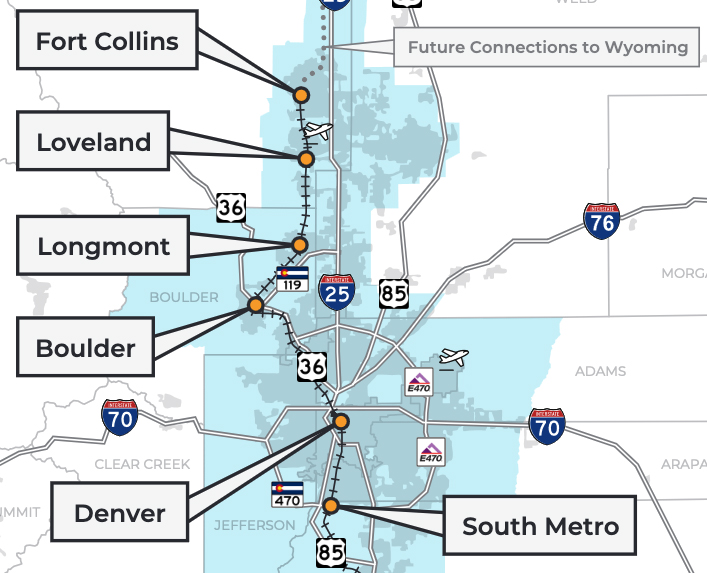
While Colorado has a rich railway history, direct passenger rail service between Denver and Fort Collins is not currently available. Amtrak‘s California Zephyr route passes through Denver, but its lines do not extend to Fort Collins. The RTD commuter rail system serves parts of the Denver metro area, including the DIA Rail Line to Union Station in Downtown Denver, but does not yet stretch northward to Fort Collins. While discussions and plans for future rail expansion often surface, for now, rail is not a viable option for this specific inter-city journey.
Scenic Routes and Points of Interest Along the Way
The journey along I-25 provides a glimpse into the Front Range landscape, but savvy travelers might consider detours to enhance their experience. While the most direct route is efficient, exploring parallel roads or taking slight deviations can uncover charming towns, natural beauty, and unique attractions.
Detours and Day Trips
For those with extra time, several towns situated off I-25 or easily accessible from it offer interesting stops:
- Loveland: Known as Colorado’s “Sweetheart City,” Loveland is just south of Fort Collins and famous for its annual Valentine re-mailing program and numerous public art sculptures. It’s an easy stop for a coffee or to browse local shops.
- Greeley: To the east of I-25, Greeley offers a different flavor of Northern Colorado with its agricultural roots and University of Northern Colorado. It’s a slightly longer detour but provides insight into the region’s diverse economy.
- Longmont and Boulder: While Boulder is west of I-25 and requires a more significant detour, routes through Longmont can offer a picturesque alternative to the highway, showcasing rolling plains and increasingly dramatic views of the Rocky Mountains as you approach Boulder. This option is ideal for those who prioritize scenery over speed and wish to explore other vibrant Front Range communities.
Notable Towns and Natural Attractions
Even without major detours, the landscape along I-25 provides context for Colorado’s geography. Travelers will pass through areas that transition from urban sprawl to more agricultural and open spaces, with the majestic Rocky Mountains serving as a constant backdrop to the west.
- The Poudre River Canyon: Once in Fort Collins, the nearby Poudre River Canyon offers stunning natural beauty, hiking trails, and whitewater rafting opportunities, making it a perfect extension of a trip to Fort Collins for outdoor enthusiasts.
- Anheuser-Busch Brewery: Located just south of Fort Collins, this major brewery offers tours and tastings, providing a fun and informative stop for adults interested in the brewing process and local economy.
- Colorado State University: The vibrant campus of Colorado State University is a focal point of Fort Collins, adding to the city’s lively atmosphere and offering cultural events, botanical gardens, and unique architectural features.
Planning Your Journey: Tips for a Seamless Trip
Effective planning is key to maximizing enjoyment and minimizing stress when traveling between Denver and Fort Collins. Considering a few critical factors can make all the difference.
Best Times to Travel
- Weekdays vs. Weekends: Weekday travel during non-peak hours (between 9:30 AM and 3:00 PM) typically offers the fastest transit times. Weekend travel can also be smooth, but watch out for Friday afternoons and Sunday evenings, which often see increased traffic as people travel for weekend getaways.
- Seasonality: Spring and fall often provide the most pleasant driving conditions with mild temperatures and beautiful scenery. Summer can bring heavier tourist traffic and occasional afternoon thunderstorms, while winter requires preparedness for potential snow and ice, which can severely impact travel times and road conditions along I-25.
Weather Considerations in Colorado
Colorado’s weather is famously unpredictable, particularly in the Front Range corridor.
- Winter Driving: From November through April, snow and ice can make driving challenging. Always check the weather forecast and road conditions (via Colorado Department of Transportation or CDOT resources) before embarking on a winter journey. All-wheel drive or four-wheel drive vehicles are recommended, and tires with good tread are essential. Colorado also has chain laws that can be activated on certain mountain passes, although they are less common on I-25 between Denver and Fort Collins.
- Summer Storms: Summer afternoons can bring severe thunderstorms, which might include heavy rain, hail, and even tornadoes, particularly on the plains. These can significantly reduce visibility and create hazardous driving conditions.
- High Winds: The Front Range is prone to strong winds, especially in the corridor between Fort Collins and Boulder, which can affect driving, particularly for high-profile vehicles.

Essential Packing and Preparation
Beyond checking the weather and traffic, a few preparedness tips can ensure a smooth trip:
- Vehicle Check: If driving your own car, ensure it’s in good working order, especially if traveling in winter. Check tire pressure, fluid levels, and windshield wipers.
- Emergency Kit: Always carry an emergency kit, particularly during colder months. This should include blankets, a first-aid kit, water, snacks, a flashlight, and jumper cables.
- Navigation Tools: While I-25 is straightforward, a reliable GPS or mapping app is invaluable for real-time traffic updates and navigating off-highway detours.
- Flexibility: Build some buffer time into your schedule, especially if you have connecting flights at Denver International Airport or appointments. Colorado travel, while generally efficient, can throw curveballs.
In conclusion, the journey from Denver to Fort Collins is a relatively short and manageable one, covering approximately 60-65 miles. While typically taking just over an hour by car under optimal conditions, a full understanding of various transportation options, potential traffic impacts, and seasonal weather challenges allows travelers to plan effectively. Whether you’re heading north for Colorado State University, a craft brewery tour, or to access the stunning Rocky Mountains, a well-prepared trip ensures a pleasant and memorable Colorado experience.
LifeOutOfTheBox is a participant in the Amazon Services LLC Associates Program, an affiliate advertising program designed to provide a means for sites to earn advertising fees by advertising and linking to Amazon.com. Amazon, the Amazon logo, AmazonSupply, and the AmazonSupply logo are trademarks of Amazon.com, Inc. or its affiliates. As an Amazon Associate we earn affiliate commissions from qualifying purchases.