
The allure of a white Christmas, or even just a dusting of snow, is a powerful one. For many, it conjures images of cozy fireplaces, festive decorations, and a blanket of pristine white covering familiar landscapes. When thinking about the iconic city of Los Angeles, however, snow is rarely the first image that comes to mind. Known for its sun-drenched beaches, Hollywood glamour, and sprawling urban tapestry, Los Angeles is more commonly associated with palm trees than pine trees laden with snow. Yet, the question lingers: can it actually snow in Los Angeles?
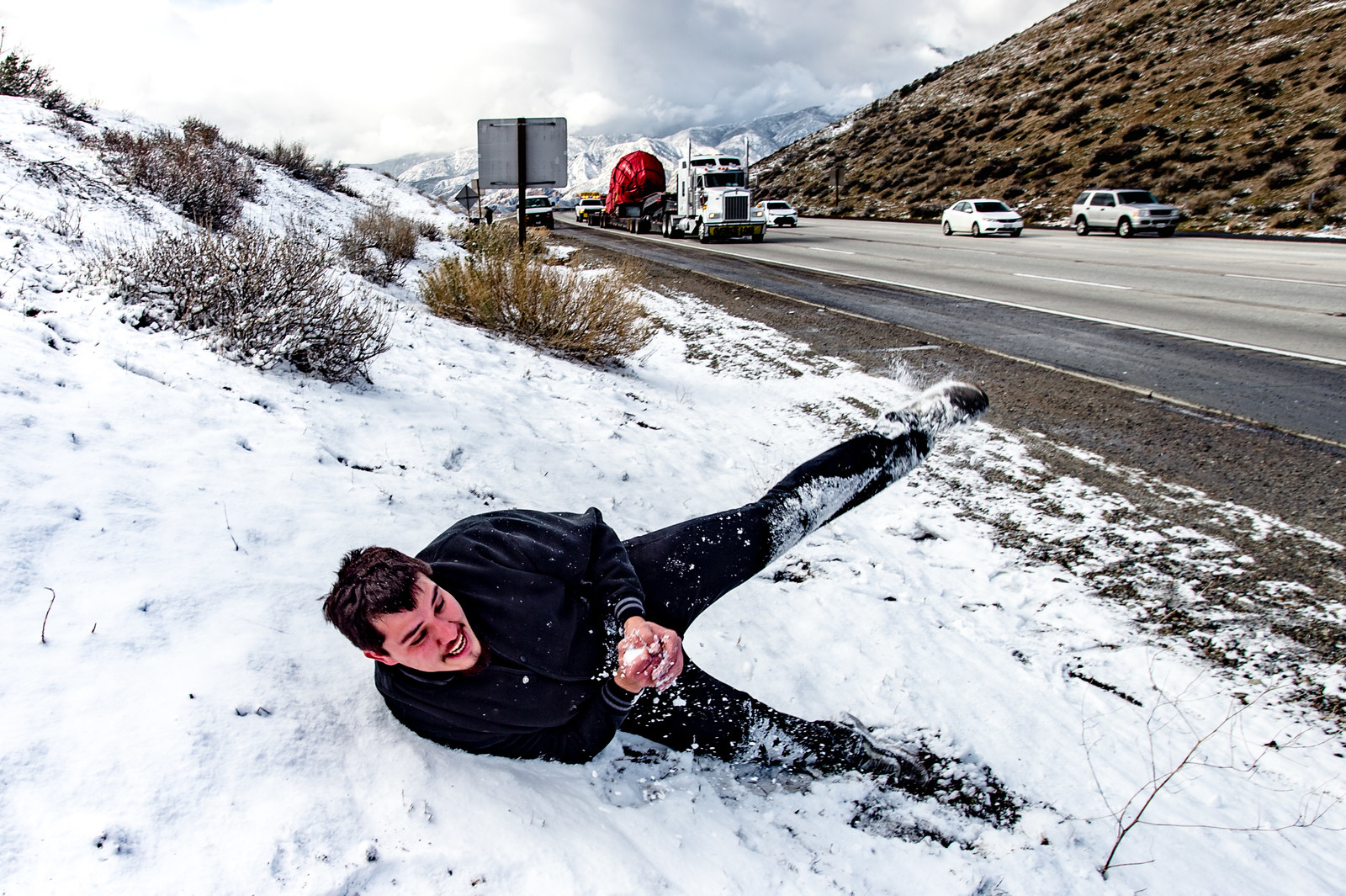
While the chances of experiencing a traditional snowfall directly in the heart of the city are incredibly slim, the phenomenon isn’t entirely unheard of in the greater Los Angeles metropolitan area. This seemingly contradictory reality is a testament to the diverse geography that surrounds this vast Californian metropolis. From the iconic beaches of Santa Monica to the towering peaks of the surrounding mountain ranges, Los Angeles is a land of dramatic contrasts. Understanding these geographical nuances is key to unraveling the possibility of snow.
The Meteorological Dance: Factors Influencing Snowfall
Snowfall is a delicate meteorological dance, requiring a specific confluence of atmospheric conditions. For snow to form and reach the ground, several elements must align:
Temperature: The Crucial Cold Factor
The most fundamental requirement for snow is cold air. Specifically, the temperature needs to be at or below freezing (0° Celsius or 32° Fahrenheit) from the cloud level all the way down to the surface. In the lower elevations of Los Angeles, which are typically mild and temperate, this condition is rarely met during the winter months. The ocean’s moderating influence plays a significant role, keeping coastal and inland valley temperatures well above freezing for most of the year.
Precipitation: The Moisture Source
Even with freezing temperatures, snow won’t materialize without sufficient moisture in the atmosphere. Clouds laden with water vapor are essential. When these clouds encounter freezing temperatures, water vapor can transform directly into ice crystals (deposition) or freeze onto existing ice particles. This process, known as nucleation, leads to the formation of snowflakes. Los Angeles does experience its “wet season” during the winter and spring, bringing much-needed rain, but this precipitation often falls as rain in the lower elevations due to warmer ground temperatures.
Atmospheric Dynamics: Storms and Fronts
The arrival of winter storms, often originating from the Pacific Ocean, is what brings the necessary moisture and atmospheric instability to Southern California. These storms can bring significant rainfall to the region. However, for snow to occur in the lower altitudes, these storms must also carry a cold air mass that dips far enough south and descends to the ground level. Such events are infrequent but not impossible.
When and Where Snow Becomes a Possibility
While a snowfall directly on the Hollywood Sign is a near-mythical event, the story changes when we consider the higher elevations surrounding Los Angeles. The mountains that ring the basin are the true candidates for experiencing winter’s white embrace.
The San Gabriel and San Bernardino Mountains: Winter Wonderlands
The most likely places to witness snow in proximity to Los Angeles are the majestic San Gabriel Mountains and the even higher San Bernardino Mountains. These ranges act as natural barriers and boast significantly colder temperatures due to their elevation.
During significant winter storms, particularly those that bring a strong influx of cold air from the north, snow can fall at elevations above approximately 4,000 to 5,000 feet. This means that popular mountain resorts and communities within these ranges can receive substantial snowfall, transforming them into winter wonderlands.
Destinations for a Snowy Escape
For those living in or visiting Los Angeles and yearning for a snow experience, these mountain communities offer a readily accessible escape.
-
Wrightwood: Nestled in the San Gabriel Mountains, Wrightwood is a charming mountain town that often sees snow. It’s home to Mountain High, a popular ski resort offering opportunities for skiing, snowboarding, and other winter activities. The drive from Los Angeles is relatively short, making it a feasible day trip or weekend getaway.
-
Big Bear Lake: Located in the San Bernardino Mountains, Big Bear Lake is a well-known destination for winter sports enthusiasts. It features multiple ski resorts like Bear Mountain and Snow Summit, which are equipped with snowmaking capabilities to supplement natural snowfall. The scenic drive up to Big Bear Lake offers breathtaking views, and the town itself provides a cozy atmosphere with various accommodations and dining options. Visitors can enjoy skiing, snowboarding, snowshoeing, or simply building snowmen and enjoying the wintry ambiance.

- Lake Arrowhead: Another gem in the San Bernardino Mountains, Lake Arrowhead offers a picturesque setting for a snowy retreat. While perhaps not as focused on large-scale skiing as Big Bear Lake, it provides opportunities for winter recreation and a charming village atmosphere. The scenic beauty of the lake surrounded by snow-capped trees is a sight to behold.
These destinations, while a drive from the urban sprawl of Los Angeles, are part of the greater metropolitan experience and offer a tangible answer to the question of whether snow graces the region.
Historical Snowfall in Lower Elevations: Rare but Memorable
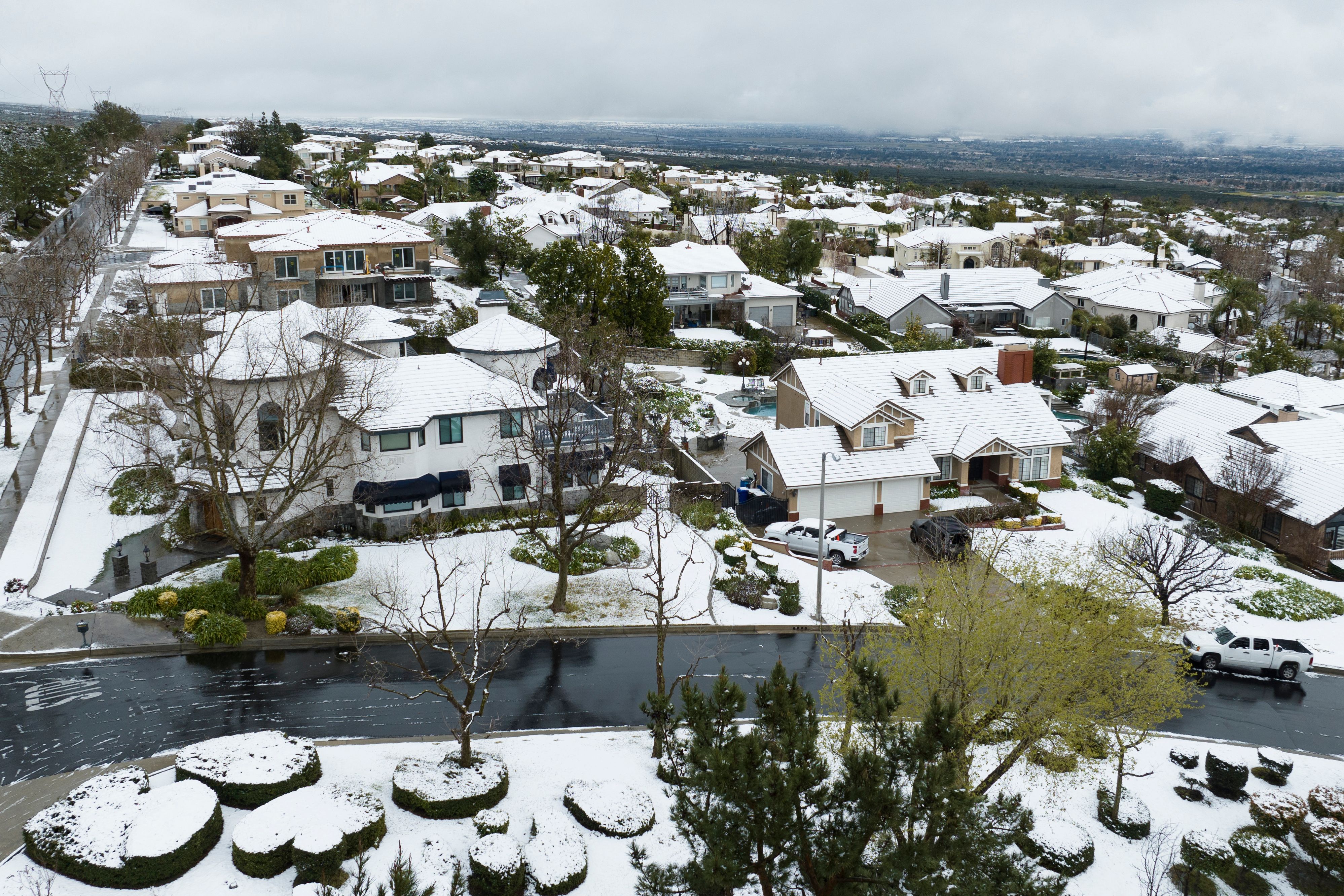
While extremely rare, there have been instances of light snowfall reaching the lower elevations of Los Angeles county. These events are often tied to powerful winter storms that manage to push unusually cold air far south.
One of the most memorable occurrences was in January 1949, when a significant cold snap brought snow down to the coastal plains. Residents reported seeing snowflakes in areas like Pasadena, Long Beach, and even parts of Orange County. This event is still talked about by long-time residents and is a testament to the unpredictable nature of weather systems.
Another notable, though less widespread, dusting occurred in February 2011, where higher elevations of the city and surrounding hills experienced a light covering of snow. These events are anomalies, often caused by a precise alignment of a potent storm system with a deep trough of cold air.
Planning Your Snowy Adventure
For travelers looking to incorporate a snowy experience into their visit to Los Angeles, strategic planning is key. The focus should be on the mountain communities rather than expecting snow within the city limits.
When to Visit for Snow Chances
The winter months, from December through March, are the prime season for potential snowfall in the mountains surrounding Los Angeles. January and February are statistically the coldest and wettest months, thus offering the highest probability of snow.
It’s crucial to monitor weather forecasts closely as winter storms approach. Local news outlets and weather websites will provide detailed predictions for snowfall in the mountain areas.
Accommodation and Activities
When planning a trip to Big Bear Lake or Wrightwood for a snowy experience, consider booking accommodation in advance, especially during peak winter weekends. Options range from cozy cabins and hotels to vacation rental homes, offering a range of amenities and price points.
- Hotels and Resorts: Many resorts cater to winter visitors, offering ski-in/ski-out access or proximity to slopes. Look for amenities like fireplaces, hot tubs, and on-site dining.
- Vacation Rentals: For families or groups, renting a cabin or house provides more space and a home-away-from-home feel, perfect for enjoying the snow.
- Activities: Beyond skiing and snowboarding, enjoy activities like sledding, snowshoeing, building snow forts, or simply taking in the picturesque snowy landscapes. Many areas offer rentals for snow gear and organized tours.
Travel Tips for Snowy Conditions
Driving to the mountains in snowy conditions requires caution and preparedness.
- Tire Chains: In many mountain areas, tire chains are mandatory during periods of snow and ice. Ensure your vehicle is equipped, or be prepared to purchase them.
- Check Road Conditions: Before heading out, check Caltrans for road closures and conditions. Mountain roads can become hazardous quickly.
- Fill Up Your Tank: Gas stations can be sparse in some mountain areas, so ensure you have enough fuel.
- Pack Warm Clothing: Layers are essential. Bring waterproof outerwear, hats, gloves, and sturdy, waterproof footwear.
Conclusion: Embracing the Unpredictability
So, will it snow in Los Angeles? The direct answer for the sprawling urban and coastal areas is a resounding “very unlikely.” However, for those willing to venture into the stunning mountain ranges that cradle the city, the answer is a clear “yes.” The San Gabriel Mountains and San Bernardino Mountains transform into magical winter destinations, offering a genuine snow experience just a short drive from the sunny shores.
Los Angeles is a city of diverse landscapes and experiences, and its ability to offer both the classic Southern California sunshine and the possibility of a winter wonderland in its nearby mountains is part of its unique charm. Whether you’re drawn to the allure of snow-capped peaks or the promise of a warm beach, the region around Los Angeles has something to offer every traveler, regardless of the season. The occasional historic snowfall in lower elevations serves as a reminder of nature’s capacity for surprise, making the pursuit of snow near Los Angeles an adventure in itself.
LifeOutOfTheBox is a participant in the Amazon Services LLC Associates Program, an affiliate advertising program designed to provide a means for sites to earn advertising fees by advertising and linking to Amazon.com. Amazon, the Amazon logo, AmazonSupply, and the AmazonSupply logo are trademarks of Amazon.com, Inc. or its affiliates. As an Amazon Associate we earn affiliate commissions from qualifying purchases.