
For any traveler embarking on a journey to the Golden State, or coordinating with contacts within its expansive borders, understanding the current time in California is an essential first step. More than just a simple numerical value, time awareness is a fundamental pillar of seamless travel planning, effective communication, and the overall enjoyment of your Californian adventure. From flight schedules to restaurant reservations, and from managing jet lag to synchronizing business calls across continents, the precise time in California governs countless aspects of the travel experience. This guide delves into California’s time zone, its implications for travelers, and how to harness this knowledge to make your trip both productive and profoundly memorable.
Pinpointing the Current Time in California
At its core, determining the current time in California involves understanding its singular time zone and how it interacts with the global clock. Unlike some larger states or countries, the entirety of California operates within one consistent time zone, simplifying planning for intra-state travel but making inter-state or international coordination crucial.
Understanding the Pacific Time Zone
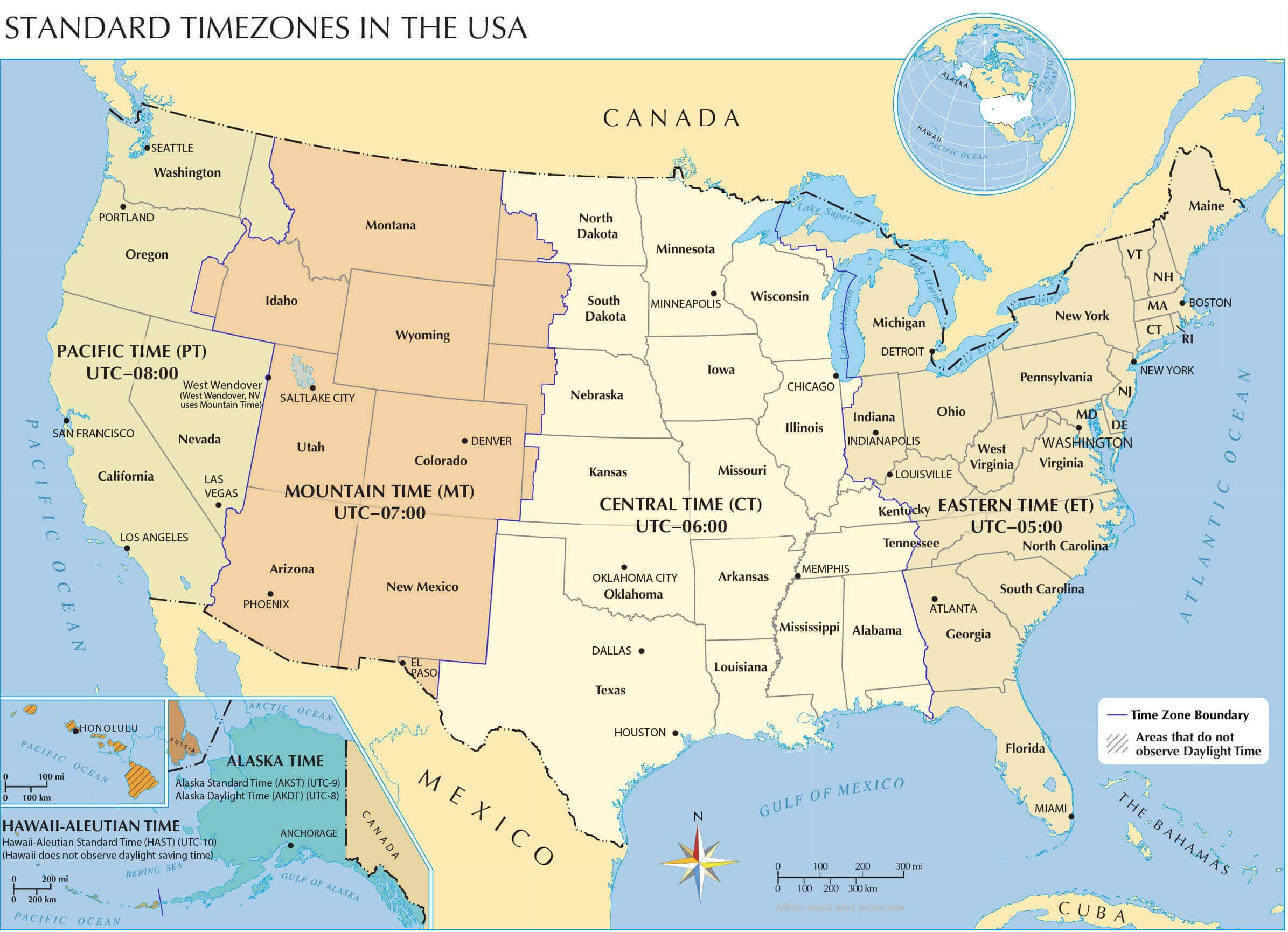
California adheres to the Pacific Time Zone, which is observed across the westernmost states of the USA. During the standard period of the year, this is referred to as Pacific Standard Time (PST). PST is 8 hours behind Coordinated Universal Time (UTC) – often expressed as UTC-8 or GMT-8 (relative to Greenwich Mean Time). This consistent offset means that if it’s noon UTC, it would be 4:00 AM in California during PST.
The Dynamics of Daylight Saving Time
A significant factor impacting California’s time is Daylight Saving Time (DST). Each spring, typically on the second Sunday in March, [California](https://lifeoutofthebox.com/california] observes Daylight Saving Time by advancing clocks forward by one hour. During this period, the time zone switches from Pacific Standard Time (PST) to Pacific Daylight Time (PDT). PDT is 7 hours behind Coordinated Universal Time (UTC-7). This shift provides an extra hour of daylight in the evenings, a welcome change for tourism and outdoor activities. The clocks “fall back” to Pacific Standard Time on the first Sunday in November, marking the end of Daylight Saving Time. For travelers, knowing whether California is currently observing PST or PDT is critical for accurate scheduling.
Quick Reference: How to Check California’s Current Time
In today’s interconnected world, obtaining the current time in California is remarkably simple. Modern smartphones and computers automatically adjust to local time zones. For a quick check, a simple web search for “time in California now” or “current time in Los Angeles” (or San Francisco, San Diego, etc.) will yield immediate results. Time zone converter apps and websites are also invaluable tools for comparing California’s time with your home location, especially when planning multi-leg international journeys.
Why Time Zone Awareness is Paramount for California Travelers
Understanding California’s time zone goes beyond mere curiosity; it’s a foundational element for a smooth, stress-free, and enjoyable travel experience. Ignoring time zone differences can lead to missed flights, awkward communication, and a general sense of disorganization.
Seamless Travel Logistics: Flights, Check-ins, and Transfers
The most immediate impact of time zones on travel logistics is evident in transportation. Flight departure and arrival times are always stated in local time. If you’re flying from the East Coast of the USA or internationally, calculating the time difference is crucial to avoid confusion. A flight departing at 9 AM from New York (Eastern Time, UTC-5/UTC-4) and arriving at 12 PM in Los Angeles (Pacific Time, UTC-8/UTC-7) doesn’t mean a 3-hour flight; it means a 6-hour flight due to the 3-hour time difference. Similarly, coordinating airport transfers, hotel check-ins, and even car rental pick-ups requires precise time awareness to prevent delays or extra charges.
Optimizing Your Itinerary: Aligning with Local Schedules
California’s attractions, restaurants, and tours operate on local time. Whether you plan to visit Disneyland, explore Yosemite National Park, or dine at a renowned restaurant in San Francisco, their opening and closing hours, as well as reservation slots, are all based on Pacific Time. Miscalculating the local time can lead to arriving late for a booked tour, missing the last entry to a museum, or showing up for a dinner reservation at the wrong hour. By factoring in the time difference, travelers can meticulously plan their days, ensuring they maximize their precious vacation time without unnecessary stress or missed opportunities.
Communication Across Continents: Staying Connected
For business travelers or those wanting to stay in touch with family and friends back home, time zone differences are paramount for effective communication. A casual morning call from Europe might wake up your Californian contact in the middle of the night, while a late afternoon call from California could be early morning the next day for someone in Asia. Using a world clock or a time zone converter becomes indispensable for scheduling video calls, phone meetings, or even just sending texts without disturbing others. This consideration ensures professional courtesy and maintains personal connections across vast geographical distances.
Conquering Jet Lag for an Enhanced California Experience
The significant time difference between California and many other parts of the world, particularly locations to its east, means that jet lag is a common companion for travelers. Effectively managing jet lag isn’t just about comfort; it directly impacts your ability to enjoy the destination and make the most of your travel investment.
Pre-Travel Preparations for a Smooth Transition
Mitigating jet lag begins before your flight even departs. A few days prior to your trip, gradually adjust your sleep schedule closer to California’s time zone. If traveling west, try going to bed an hour or two later each night. Hydration is key; drink plenty of water before, during, and after your flight, and limit alcohol and caffeine intake. Setting your watch to [California](https://lifeoutofthebox.com/california] time as soon as you board the plane can also psychologically prepare you for the change and help you start adapting mentally.
On-Arrival Strategies for Rapid Adjustment
Upon arrival in California, prioritize syncing your internal clock with the local time immediately. Resist the urge to nap for extended periods, especially if it’s daytime. Instead, expose yourself to natural light as much as possible, which helps regulate your circadian rhythm. Engage in light activities outdoors; a walk along Santa Monica Pier or a stroll through Golden Gate Park can be invigorating. Eat meals at local times, even if you don’t feel hungry, to further align your body’s schedule. Push through the initial fatigue to stay awake until a reasonable bedtime, ensuring you get a full night’s sleep to kickstart your adjustment.
Maximizing Your Days: Embracing California’s Rhythm
Once adjusted, embracing the local rhythm allows you to fully immerse yourself in California’s vibrant culture and diverse offerings. Early risers can catch the sunrise over the Pacific Ocean or be among the first visitors at popular attractions like Universal Studios Hollywood. Evenings offer opportunities to enjoy world-class dining, live entertainment, or a leisurely walk under the stars. By respecting and adapting to the Pacific Time Zone, travelers can transform what might otherwise be lost days to jet lag into invaluable moments of discovery and enjoyment.
Exploring California: Top Destinations and Time Considerations
California is a vast state, offering an incredible array of travel experiences. While the entire state shares one time zone, the sheer geographic diversity means planning travel between regions still requires careful consideration of travel time and how it impacts your schedule.
Coastal Wonders: San Francisco to San Diego
The Californian coast is a legendary stretch, from the foggy charm of San Francisco down to the sunny beaches of San Diego. In San Francisco, timing is everything for visiting popular spots like Alcatraz Island or riding the cable cars, as queues can be long. Planning your day to visit the Golden Gate Bridge either early morning or late afternoon can offer stunning views with fewer crowds. As you head south, exploring the dramatic coastline of Big Sur requires careful driving during daylight hours, as the winding roads are best navigated with good visibility. In Los Angeles, timing your visits to Hollywood attractions, Disneyland, or Santa Monica Pier can significantly impact traffic and crowd levels. San Diego, with its laid-back vibe, still benefits from timed visits to Balboa Park or the Gaslamp Quarter to fully appreciate their offerings without feeling rushed.
Inland Adventures: National Parks and Wine Country
Beyond the coast, California’s interior offers breathtaking natural beauty and world-renowned vineyards. Destinations like Yosemite National Park, Death Valley National Park, and Redwood National Park are massive, requiring ample daylight hours for exploration, hiking, and photography. Visitors must consider sunrise and sunset times, especially during different seasons, to ensure safety and fully experience the majestic landscapes. For instance, planning a hike to Yosemite Valley or Half Dome requires an early start. In Napa Valley and Sonoma Valley, wine tasting tours and restaurant reservations often run on strict schedules. Booking these in advance and arriving promptly ensures you don’t miss out on unique culinary and viticultural experiences. Even leisure destinations like Lake Tahoe or Palm Springs have peak times for activities, from skiing to golf, which can be optimized with good time management.
Urban Excitement: Los Angeles and Beyond
California’s urban centers, especially Los Angeles, are vibrant hubs of culture, entertainment, and business. In Los Angeles, understanding the rhythm of the city is key to navigating its sprawling expanse. Traffic can be a significant time sink, so planning drives during off-peak hours or utilizing public transport and ride-sharing services can save valuable time. Attending live shows, sporting events, or concerts requires knowing the start times and allowing for travel and entry procedures. Similarly, in San Francisco, managing your schedule around the iconic Ferry Building Marketplace or cultural institutions like the de Young Museum will enhance your experience, allowing for both exploration and relaxation without feeling rushed.
Essential Time-Savvy Travel Tips for California
Mastering the current time in California is just the beginning. Strategic time management elevates a good trip into an unforgettable one. These practical tips will help you navigate your Californian adventure with efficiency and enjoyment.
The Power of Digital Tools and Apps
Leverage technology to your advantage. Most smartphones automatically update to the local time upon arrival, but consider a world clock widget on your home screen to easily compare California’s time with your home time zone. Apps like Google Maps or Waze are indispensable for real-time traffic updates in urban areas like Los Angeles, helping you adjust travel times on the fly. Digital calendars, shared with travel companions, can keep everyone synchronized on schedules and reservations. Setting reminders for important appointments, like flight check-ins or tour departures, can prevent missed opportunities.
Planning Ahead: Booking Activities and Reservations
California is a popular destination, and many attractions, especially during peak seasons, require advance booking. This includes tickets for theme parks, tours to Alcatraz Island, permits for popular national park hikes, and reservations at highly sought-after restaurants. By booking well in advance and noting all times in Pacific Time, you secure your spot, often save money, and avoid disappointment. Create a detailed itinerary with all confirmed times, factoring in travel duration between locations.
Embracing Flexibility and Local Insights
While meticulous planning is crucial, maintaining a degree of flexibility is equally important. Travel rarely goes exactly as planned, and unexpected delays or spontaneous opportunities can arise. Be prepared to adjust your schedule. Talk to locals, hotel staff, or tour guides; they can often provide invaluable insights into the best times to visit attractions, avoid crowds, or discover hidden gems. Sometimes, the best experiences are found when you step away from the rigid schedule and embrace the relaxed pace of Californian life, letting the moment guide you.
In conclusion, knowing “What Is The Time In California USA Now?” is far more than a simple fact for travelers. It’s the key to unlocking a seamless journey, conquering jet lag, optimizing itineraries, and fully immersing oneself in the diverse wonders of the Golden State. By understanding the Pacific Time Zone, adapting to Daylight Saving Time, and utilizing smart time management strategies, every traveler can ensure their California adventure is as smooth, enjoyable, and memorable as possible.
LifeOutOfTheBox is a participant in the Amazon Services LLC Associates Program, an affiliate advertising program designed to provide a means for sites to earn advertising fees by advertising and linking to Amazon.com. Amazon, the Amazon logo, AmazonSupply, and the AmazonSupply logo are trademarks of Amazon.com, Inc. or its affiliates. As an Amazon Associate we earn affiliate commissions from qualifying purchases.