
In an increasingly connected world where digital devices are ubiquitous, the act of recording conversations, whether through audio or video, has become remarkably easy and commonplace. From documenting important business discussions to capturing personal memories or even gathering evidence, the ability to record is a powerful tool. However, this power comes with significant legal and ethical considerations, particularly concerning consent. For anyone living, working, or simply visiting Colorado, understanding the state’s specific laws regarding recording conversations is not just a legal technicality; it’s a fundamental aspect of navigating daily life and interactions responsibly. It impacts everything from casual conversations with neighbors to high-stakes business negotiations, making it an imperative piece of knowledge for your lifestyle in the Centennial State.
Understanding Consent Laws in the Digital Age: A Lifestyle Imperative
The legal framework surrounding recording conversations is primarily categorized into two main types: one-party consent and two-party (or all-party) consent. These distinctions are crucial as they dictate the level of agreement required before a conversation can be legally recorded. Misunderstanding these laws can lead to severe legal penalties, ranging from fines to imprisonment, and can profoundly disrupt one’s personal and professional life. Therefore, grasping these concepts is a fundamental lifestyle imperative in today’s digital landscape.
The Basics of Recording Conversations
At its core, recording a conversation involves capturing spoken words, either in audio-only format or as part of a video recording. The legality of such an act hinges on whether the individuals involved in the conversation have given their permission. This is where the concept of “consent” becomes paramount. Consent isn’t just a polite request; it’s a legal requirement designed to protect individual privacy and ensure fair communication. In the absence of proper consent, even an innocent recording could be deemed illegal, infringing upon the privacy rights of others. This is particularly relevant in private settings where individuals have a reasonable expectation of privacy, such as inside homes, private offices, or during personal phone calls.
Unpacking “One-Party” vs. “Two-Party” Consent
The distinction between one-party and two-party consent states is the bedrock of recording laws across the United States.
-
One-Party Consent: In a state with one-party consent laws, only one participant in a conversation needs to be aware of and consent to the recording. This means if you are part of a conversation, you can legally record it without informing the other parties, as long as you yourself are consenting to the recording. The rationale behind this is often to allow individuals to protect themselves, gather evidence, or document interactions where transparency might be compromised. The majority of U.S. states operate under one-party consent.
-
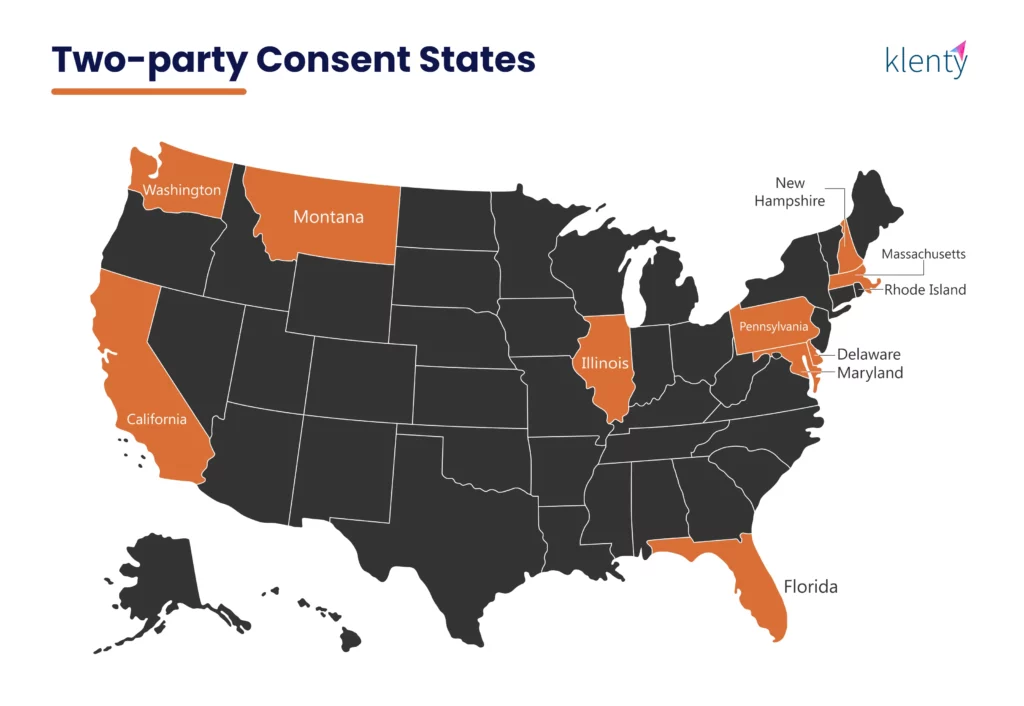
Two-Party (or All-Party) Consent: Conversely, in a two-party consent state, all parties involved in a conversation must give their explicit consent for the recording to be legal. This typically means that before you hit record, you must inform everyone participating that the conversation is being recorded and obtain their agreement. This framework offers a higher degree of privacy protection, reflecting a societal value placed on individuals’ rights to control how their words are captured and disseminated. These states are often referred to as “all-party consent” states because the requirement extends to every participant, not just two.
Understanding which category Colorado falls into is vital for anyone engaging in any form of recorded communication within its borders, profoundly influencing how one conducts their personal and business life.
Colorado’s Stance: What Residents and Visitors Need to Know
For those in Colorado, the answer to whether it’s a two-party consent state is crucial for ensuring legal compliance in various aspects of life. The state’s laws reflect a balance between individual privacy and the practicalities of communication, leaning towards a more open approach than stricter all-party consent jurisdictions.
The Law in Colorado Explained
Colorado is a one-party consent state. This means that under Colorado law, you can legally record a conversation as long as you are a party to the conversation yourself, or if you have obtained the consent of at least one party to the conversation. You do not need the consent of all parties involved to make the recording lawful. This applies to both in-person conversations and telephone calls. The relevant statutes governing this are primarily found within the Colorado Revised Statutes, specifically dealing with wiretapping and eavesdropping.
It’s important to note the nuances:
- Direct Participation: If you are actively participating in the conversation, your consent to record is sufficient.
- Third-Party Recording: If you are not a party to the conversation but wish to record it, you must obtain the consent of at least one of the participants. Recording a conversation where you are not present and without the knowledge or consent of any participant generally constitutes illegal eavesdropping.
- Reasonable Expectation of Privacy: While Colorado is a one-party consent state, the laws are typically applied where there is a “reasonable expectation of privacy.” This means that conversations held in truly public places where individuals have no reasonable expectation of privacy (e.g., shouting loudly in a crowded park) might have different considerations, although it is always safest to assume privacy exists and abide by consent laws.
Implications for Everyday Interactions and Business
The one-party consent rule in Colorado has significant implications for both daily personal interactions and professional activities:
- Personal Life: For individuals, this means you can record phone calls with service providers, discussions with landlords, or conversations with personal contacts without explicitly informing them, as long as you are part of the conversation. This can be useful for keeping records, recalling details, or even for personal safety. However, ethical considerations often extend beyond legal minimums; just because something is legal doesn’t always make it ethical or conducive to trust.
- Business Operations: In a business context, the one-party consent rule allows for greater flexibility. Employers can record employee-customer interactions (e.g., customer service calls) if the employee is aware and consents. Similarly, internal meetings can be recorded if one of the participants (e.g., the meeting organizer) consents. This can be invaluable for training, quality control, compliance, and dispute resolution. However, businesses often implement stricter internal policies requiring all-party consent to foster trust, improve transparency, and avoid potential legal complications when dealing with clients or employees from two-party consent states. It’s crucial for businesses to communicate their recording policies clearly.
Practical Considerations for Your Lifestyle in Colorado
While Colorado’s one-party consent law provides a degree of flexibility, exercising this right responsibly requires careful consideration. Understanding when and how to record legally and ethically is vital for maintaining good relationships and avoiding unforeseen legal challenges.

When Can You Record Legally?
In Colorado, you can legally record a conversation under several key scenarios, provided you are a party to the conversation or have the consent of at least one party:
- Personal Documentation: To keep a personal record of an important conversation, such as discussions with contractors, service providers, or regarding personal agreements.
- Evidence Gathering: If you believe you might need proof of a conversation for legal or dispute resolution purposes, such as in cases of harassment, threats, or contractual disagreements.
- Meeting Minutes/Recall: For business or organizational meetings, recording can serve as a reliable way to capture accurate minutes or recall specific details and decisions made during discussions.
- Journalism/Research: Journalists or researchers conducting interviews can record their subjects, provided the journalist is a party to the conversation or has the explicit consent of the interviewee.
- Public Safety: Recording interactions with law enforcement in public spaces, as long as it does not interfere with their duties, is generally protected under First Amendment rights, though this falls under different legal principles than private conversation recording.
Even within these legal bounds, it’s always advisable to consider the context and potential implications of recording without informing all parties. Building trust often involves transparency.
Best Practices for Ethical Recording
Beyond the legal minimums, adopting ethical best practices for recording can safeguard relationships and enhance your lifestyle:
- Transparency First: Whenever possible and appropriate, inform all parties that a conversation is being recorded. This fosters trust and avoids potential awkwardness or resentment later. A simple statement like, “Just so you know, I’m recording this call for accuracy,” is often sufficient.
- Obtain Explicit Consent (When Desirable): Even in a one-party consent state like Colorado, asking for and receiving explicit consent from all parties can provide additional legal and ethical protection, especially in sensitive or high-stakes situations.
- Purpose-Driven Recording: Only record when there’s a clear and legitimate purpose. Avoid recording conversations purely out of curiosity or malice.
- Data Security: If you record, ensure the recordings are stored securely and only accessible to authorized individuals. Protect sensitive information contained within the recordings.
- Context Matters: Be mindful of the context. Recording a private conversation in someone’s home without their knowledge, even if you are a party to it, could be legally permissible but ethically questionable and damaging to relationships.
- Professional Policies: For businesses, establish clear internal policies regarding recording, train employees, and ensure these policies comply with state and federal laws, as well as any industry-specific regulations.
Navigating Potential Pitfalls and Legal Ramifications
Despite Colorado being a one-party consent state, the act of recording is not without its potential legal and ethical minefields. Understanding these pitfalls is essential for protecting yourself and ensuring your lifestyle remains free from unnecessary legal entanglements.
Consequences of Non-Compliance
Illegally recording a conversation in Colorado can lead to serious consequences, even if the state’s laws are less restrictive than two-party consent jurisdictions.
- Criminal Charges: Recording a private conversation without being a party to it and without the consent of at least one party can constitute illegal eavesdropping, which is typically a felony offense in Colorado. Penalties can include significant fines and imprisonment.
- Civil Lawsuits: Even if criminal charges are not pursued, individuals who were illegally recorded may file civil lawsuits against the recorder for invasion of privacy or other related torts. These lawsuits can result in substantial monetary damages.
- Inadmissibility of Evidence: An illegally obtained recording is generally inadmissible as evidence in court. This means that even if a recording contains crucial information, it cannot be used to support a legal claim if it was obtained in violation of recording laws.
- Reputational Damage: Beyond legal penalties, being found to have illegally or unethically recorded someone can severely damage one’s personal and professional reputation, leading to a loss of trust and strained relationships.
Interstate Travel and Recording Laws
A significant complication arises when conversations cross state lines, particularly in the age of phone calls, video conferences, and travel.
- Jurisdictional Conflicts: If you are in [Colorado](https://lifeoutofthebox.com/colorado] (a one-party consent state) and record a call with someone in a two-party consent state (e.g., California, Florida, Maryland, Pennsylvania, Washington), the laws of the more restrictive state could apply. Courts often consider where the recording device was located and where the parties had an expectation of privacy.
- “Reasonable Expectation of Privacy” Test: This test is frequently applied to determine which state’s law governs. If a person in a two-party consent state has a reasonable expectation that their conversation will not be recorded without their consent, a court might rule that the laws of their state apply, even if the recorder is in a one-party consent state.
- Best Practice for Interstate Calls: When communicating with individuals across state lines, the safest approach is to assume that the most restrictive law applies. Therefore, obtaining consent from all parties is highly recommended when one or more participants are in a two-party consent state. This precaution helps to mitigate legal risks and respects the privacy expectations of all involved.
The Broader Impact on Privacy and Communication in a Connected World
The question of whether Colorado is a two-party consent state extends beyond mere legal compliance; it touches upon fundamental aspects of privacy, trust, and communication in our increasingly digitized lifestyle. As technology continues to evolve, so too will the challenges and debates surrounding the act of recording.
Balancing Transparency and Individual Rights
The debate between one-party and two-party consent laws reflects a tension between the desire for transparency and accountability (often championed by one-party proponents) and the protection of individual privacy and the right to unrecorded conversation (the core of two-party consent). In [Colorado](https://lifeoutofthebox.com/colorado], the one-party rule allows for a certain level of personal agency and the ability to self-protect, but it also places a greater onus on individuals to be aware that their conversations could be recorded at any time. This legal stance inevitably shapes social norms and expectations around communication. Living in such a state means integrating this awareness into your daily interactions, fostering a lifestyle that respects both personal privacy and the legal frameworks that govern it.

Future Trends in Recording Legislation
The landscape of recording laws is not static. As new technologies emerge (e.g., AI-powered transcription, wearable recording devices, advanced surveillance tools) and societal attitudes towards privacy shift, legislative bodies may revisit and revise existing statutes. Concerns about deepfakes, misinformation, and the weaponization of recorded content are likely to fuel future discussions. For residents and businesses in [Colorado](https://lifeoutofthebox.com/colorado], staying informed about potential changes to state and federal recording laws will be a continuous responsibility. This vigilance is part of a proactive lifestyle, ensuring compliance and ethical behavior in an ever-evolving digital world. Understanding Colorado’s current one-party consent status is therefore not just about legal knowledge but about cultivating a mindful approach to communication that respects both law and ethical considerations, shaping a responsible and informed lifestyle.
LifeOutOfTheBox is a participant in the Amazon Services LLC Associates Program, an affiliate advertising program designed to provide a means for sites to earn advertising fees by advertising and linking to Amazon.com. Amazon, the Amazon logo, AmazonSupply, and the AmazonSupply logo are trademarks of Amazon.com, Inc. or its affiliates. As an Amazon Associate we earn affiliate commissions from qualifying purchases.