
For anyone planning a journey through the majestic landscapes of Colorado, the status of Interstate 70 (I-70) is often the first and most critical question. This vital highway, spanning the state from east to west, is far more than just a road; it’s the economic and recreational artery connecting Denver and the eastern plains to the heart of the Rocky Mountains and destinations further west like Grand Junction. Its operational status can significantly impact travel plans, local economies, and the overall experience for residents and visitors alike.
The immediate answer to “Is I-70 closed in Colorado today?” is rarely a simple “yes” or “no” without real-time data. Unlike a static road, sections of I-70 in the mountains are highly susceptible to dynamic weather events, accidents, and planned maintenance. This article aims to provide a comprehensive guide for understanding, monitoring, and navigating travel along I-70, ensuring your journey through the Centennial State is as smooth and informed as possible.

Navigating I-70: A Vital Artery Through Colorado’s Rockies
I-70 through Colorado is an engineering marvel, carving a path through some of the most stunning and challenging terrain in North America. It traverses several mountain passes, including the iconic Eisenhower Tunnel at over 11,000 feet, making it a critical conduit for commerce, tourism, and daily commutes.
The Lifeline of the Rockies
For millions, I-70 is the gateway to Colorado’s world-renowned ski resorts like Vail, Breckenridge, and Copper Mountain, as well as summer hiking, camping, and whitewater rafting destinations in Glenwood Canyon and beyond. It serves as the primary connection between major population centers like Denver and the vast western slope. The continuous flow of goods and people along this corridor is essential for the economic vitality of numerous mountain towns, resorts, and businesses across the state. Without I-70, accessibility to these regions would be severely hampered, making its operational status a daily concern for many.
Common Causes for Closures
Due to its high-altitude, mountainous traverse, I-70 is prone to various types of closures, each demanding different responses from travelers:
- Weather-Related Closures: This is by far the most frequent cause. Colorado winters bring heavy snowstorms, blizzards, and whiteout conditions, particularly over high mountain passes. Avalanches and the threat of them, often requiring proactive mitigation, also lead to temporary shutdowns. In summer months, heavy rains can cause flash floods and mudslides, especially in areas previously affected by wildfires, like Glenwood Canyon.
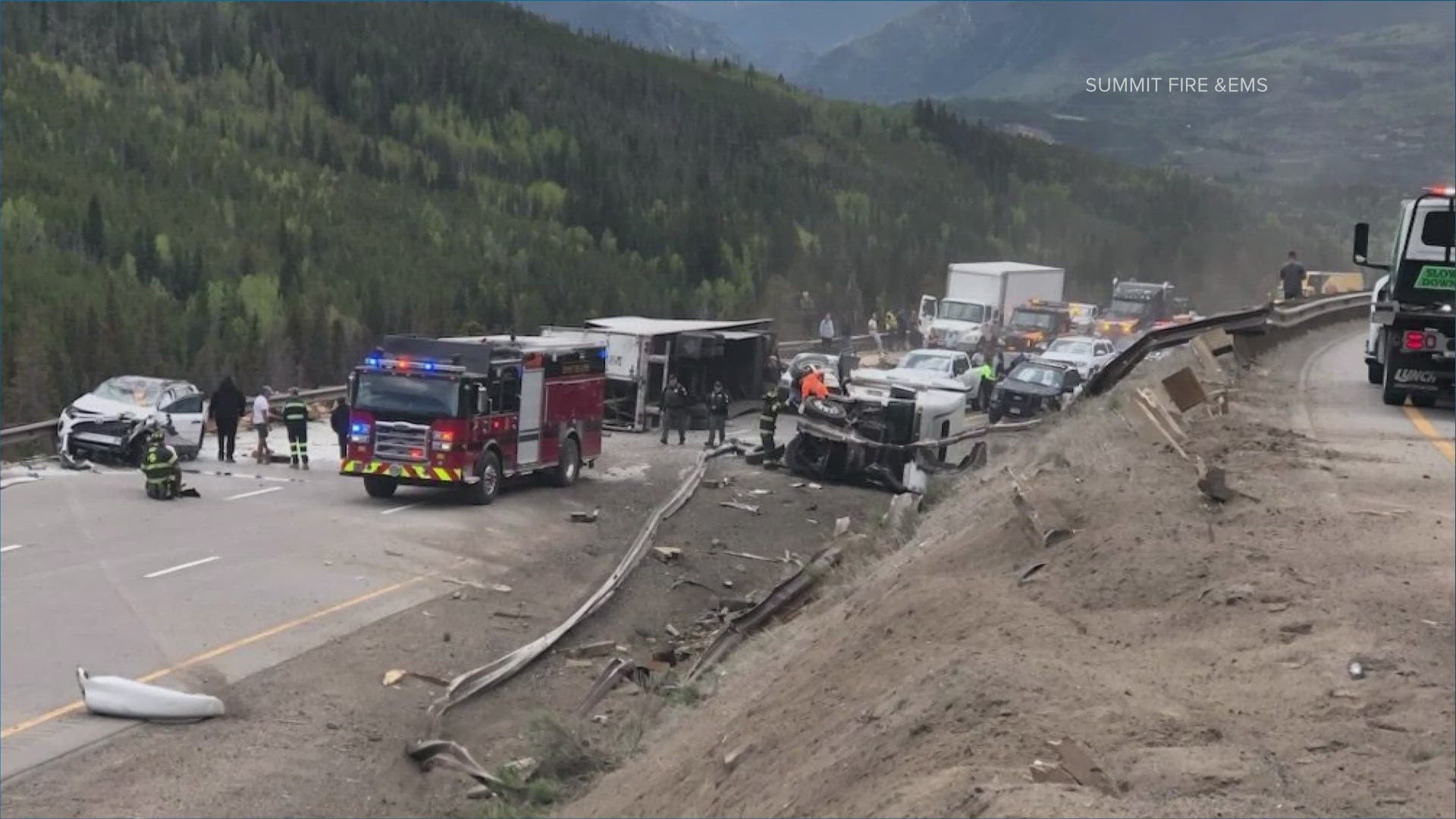
- Accidents and Vehicle Incidents: High traffic volumes, coupled with challenging mountain driving conditions, can unfortunately lead to accidents. Major collisions, particularly involving semi-trucks, can close sections of the interstate for hours as emergency services respond and clear the wreckage.
- Maintenance and Construction: The constant wear and tear on such a heavily used highway in extreme conditions necessitates ongoing maintenance and construction projects. While many are scheduled for off-peak hours or seasons, some critical projects may require temporary closures or significant delays.
- Safety and Environmental Hazards: Rockslides, structural concerns, or other unforeseen environmental hazards can also prompt immediate closures to ensure public safety.
Real-Time Resources for I-70 Status
Given the dynamic nature of I-70 conditions, relying on real-time, official information is paramount. Speculating or trusting outdated reports can lead to significant delays or even dangerous situations.
Official CDOT Channels
The definitive source for I-70 status is the Colorado Department of Transportation (CDOT). CDOT operates a robust system for monitoring road conditions and disseminating information to the public.
- COtrip.org: This is CDOT’s official travel information website. It provides an interactive map with live updates on road closures, construction zones, traffic incidents, and weather advisories. Users can zoom in on specific sections of I-70, view live traffic cameras, and see estimated travel times. It’s an indispensable tool for pre-trip planning and on-the-go checks.
- CDOT Mobile App: For smartphone users, the COtrip app offers the same comprehensive information as the website in a mobile-friendly format, allowing easy access to real-time updates while traveling.
- Social Media: CDOT maintains active social media accounts, particularly on Twitter (often @ColoradoDOT), where they post immediate alerts regarding major closures, reopening estimates, and detours. Following these accounts can provide instant notifications.
- Highway Advisory Radio (HAR): Along major corridors, including I-70, CDOT broadcasts advisories on specific low-power FM radio frequencies. Look for roadside signs indicating these frequencies.
Recommended Apps and Websites
While CDOT is the primary authority, several other reputable platforms can complement your information gathering:
- Google Maps/Waze: These popular navigation apps incorporate real-time traffic data, including reported accidents and road closures, often suggesting alternative routes automatically. However, always cross-reference with CDOT for official closure statuses, especially in challenging mountain conditions.
- Local News Outlets: Denver-based news channels and websites frequently provide detailed coverage of I-70 closures, especially during significant weather events, offering localized insights that might not be immediately apparent on broader platforms.
Planning Ahead: Essential Tips for Colorado Travel
Proactive planning is crucial for any trip involving I-70 through the Rocky Mountains. Being prepared can mitigate stress and ensure a safer, more enjoyable journey.
Weather Preparedness
Colorado’s weather is notoriously unpredictable, especially in the mountains. A clear morning in Denver can quickly turn into a snowstorm at the Eisenhower Tunnel.
- Check Forecasts Regularly: Monitor mountain weather forecasts from reliable sources like the National Weather Service or local Denver meteorologists, paying close attention to forecasts for specific mountain passes you intend to traverse.
- Tire Requirements: During winter months (typically September to May), CDOT often implements traction laws on I-70 between Morrison and Dotsero. This means vehicles must have adequate tires (M+S rated, snow tires, or four-wheel drive/all-wheel drive with sufficient tread) or carry chains. Non-compliance can result in hefty fines.
- Flexible Itinerary: Be prepared to delay your travel or adjust your route if severe weather is anticipated or actively occurring. Sometimes the safest option is to wait out a storm.
Alternative Routes and Scenic Detours
While I-70 is the most direct route, awareness of alternative roads can save hours of frustration during a closure.
- Southbound via US-285/US-24: For travel to destinations like Breckenridge, Buena Vista, or Aspen (via Independence Pass in summer), taking US Highway 285 south from Denver to US Highway 24 west can bypass the worst of the I-70 mountain corridor. This route adds significant time but offers stunning scenery.
- Northbound via US-40/Loveland Pass: If the Eisenhower Tunnel is closed, US Highway 40 over Berthoud Pass (to Winter Park) or US Highway 6 over Loveland Pass (east of the tunnel) can be alternatives. These are winding, high-altitude roads requiring extra caution, especially in winter.
- Local Roads for Shorter Diversions: For traffic snarls in the Front Range canyons, local roads like US-6 through Clear Creek Canyon (though often just as congested) or routes through Evergreen can sometimes offer minor relief.
Always consult CDOT’s COtrip website before relying on these alternatives, as they too can be subject to closures or severe conditions.
Vehicle Maintenance
Ensure your vehicle is in top condition before embarking on a mountain journey.
- Tires: Check tire pressure and tread depth. Ensure they are appropriate for potential winter conditions if traveling in the colder months.
- Fluids: Top off all fluids, including engine oil, coolant, and windshield washer fluid.
- Brakes: Ensure your brakes are in excellent working order, as mountain descents are demanding.
- Fuel: Keep your fuel tank at least half full. Extended delays or detours can burn through fuel quickly, and gas stations can be sparse in certain mountain sections.
Impact on Travel and Tourism
A closure on I-70 isn’t merely an inconvenience; it can have significant ripple effects on the broader travel and tourism industry in Colorado.
Ski Resorts and Mountain Towns
The I-70 corridor is the primary gateway for skiers and snowboarders traveling from Denver and Denver International Airport to world-class resorts such as Vail, Beaver Creek, Breckenridge, Keystone, and Frisco. A multi-hour or multi-day closure can result in thousands of missed ski days, cancelled lodging reservations, and empty restaurant tables. Similarly, in the summer, access to hiking trails, fishing spots, and charming mountain towns like Aspen and Steamboat Springs (requiring segments of I-70 travel) becomes problematic. This directly impacts the livelihoods of countless individuals and businesses that rely on the steady flow of tourism.
Economic Implications
Beyond tourism, I-70 is a critical freight corridor, moving goods across the state and the country. Closures disrupt supply chains, delaying deliveries for businesses ranging from grocery stores to manufacturing plants. The economic cost of sustained I-70 closures can run into millions of dollars daily, affecting everything from perishable goods to just-in-time inventory systems. Businesses in communities along the highway, such as Idaho Springs or Silverthorne, may experience reduced traffic and sales during extended disruptions.
Safety First: What to Do During a Closure
If you find yourself caught in an I-70 closure or anticipate one, prioritizing safety and staying informed are your best courses of action.
Stay Informed and Patient
- Do not rely on anecdotal information: Stick to official CDOT sources for updates. Information from other drivers or social media can be inaccurate or outdated.
- Avoid U-turns or illegal maneuvers: Attempting to turn around on the interstate or drive on shoulders can be extremely dangerous and result in fines. Follow the instructions of law enforcement and traffic management personnel.
- Seek shelter if possible: If a long closure is announced and you are near a town, consider exiting the interstate (if safe and permitted) to find lodging, food, or simply a warmer place to wait. Towns like Georgetown, Dillon, and Frisco often become temporary havens during major disruptions.
- Conserve resources: If you are stuck in your vehicle, conserve fuel, food, and water. Keep your phone charged.

Emergency Kit Essentials
Always travel with an emergency kit, especially during winter or when traversing remote mountain sections:
- Warm clothing/blankets: Essential for cold weather, especially if your vehicle breaks down or you’re stuck for hours.
- Water and non-perishable food: Enough for at least 24 hours.
- First-aid kit: For minor injuries.
- Flashlight with extra batteries: For visibility in dark conditions.
- Shovel, sand/kitty litter: For traction if you get stuck in snow.
- Jumper cables: In case of a dead battery.
- Phone charger/portable power bank: To keep your communication device active.
- Roadside flares or reflective triangles: To alert other drivers to your presence.
In conclusion, the question “Is I-70 closed in Colorado today?” is a testament to the dynamic challenges of mountain travel. While we cannot provide a live answer here, being equipped with the right resources, a flexible mindset, and a commitment to safety will ensure that your travels through the breathtaking Colorado landscape remain an adventure, not an ordeal. Always check conditions before you go, and be prepared for anything.
LifeOutOfTheBox is a participant in the Amazon Services LLC Associates Program, an affiliate advertising program designed to provide a means for sites to earn advertising fees by advertising and linking to Amazon.com. Amazon, the Amazon logo, AmazonSupply, and the AmazonSupply logo are trademarks of Amazon.com, Inc. or its affiliates. As an Amazon Associate we earn affiliate commissions from qualifying purchases.