
Indeed, coconuts not only grow in Florida but are an iconic and integral part of the state’s tropical landscape and cultural identity, particularly in its southern regions. Often associated with idyllic beachscapes and the quintessential “Sunshine State” vibe, the presence of these majestic palms immediately transports visitors to a paradise-like setting. While many might assume coconuts are exclusive to far-flung, exotic islands, Florida offers a robust environment for Cocos nucifera to flourish, contributing significantly to its tourism appeal and local economy. From the vibrant streets of Miami to the serene shores of the Florida Keys, the coconut palm stands tall, offering shade, sustenance, and a tangible connection to the state’s subtropical allure. Understanding their origin, proliferation, and multifaceted role provides invaluable insight into Florida’s unique charm, making them a fascinating subject for any traveler exploring the region.
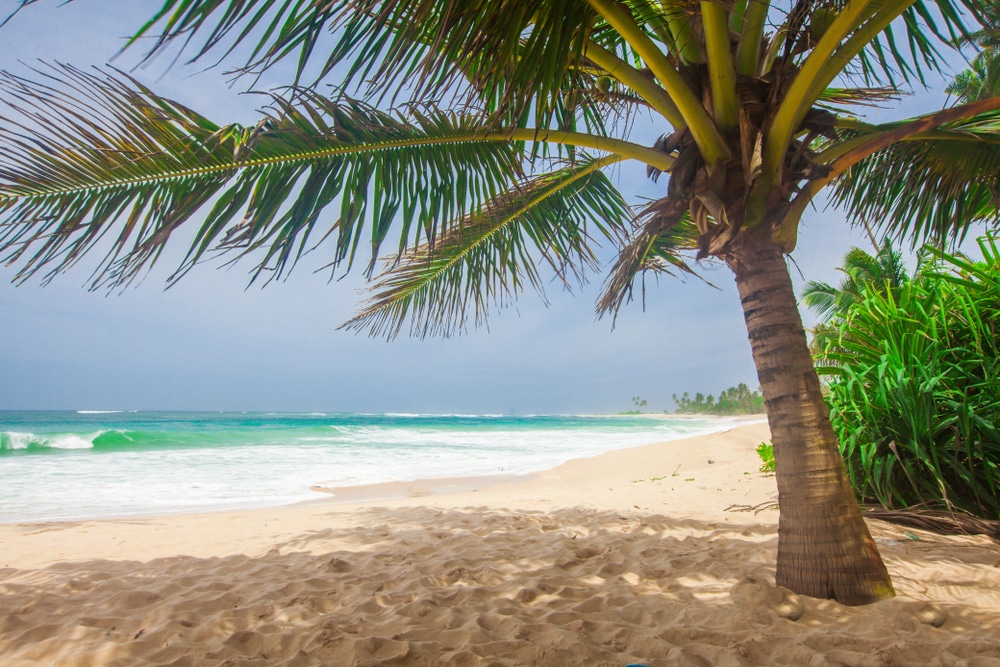
The Ubiquitous Palm: Coconuts in Florida’s Landscape
The visual tapestry of South Florida is undeniably dominated by palms, and among them, the coconut palm holds a special, almost revered status. Its distinctive silhouette is as much a symbol of the region as its pristine beaches and vibrant marine life. However, the story of coconuts in Florida is more complex than it appears, encompassing historical introductions and specific geographical adaptations.
Native vs. Introduced Species
While the image of a coconut palm might feel inherently Floridian, it’s crucial to understand that Cocos nucifera is not native to the continental United States. The coconut palm is believed to have originated in the Indo-Malayan archipelago, with its seeds naturally dispersing across tropical oceans, carried by currents. In Florida, coconuts are considered a naturalized species, meaning they were introduced by humans centuries ago and have since established self-sustaining populations.
Historical accounts suggest that coconuts arrived in Florida via various means. Some theorize that Spanish explorers brought them in the 16th century, while others point to shipwrecks in the 19th century that washed ashore thousands of coconuts, leading to their widespread growth, particularly along the eastern coast near what is now Palm Beach. Regardless of the exact origin, these palms found a remarkably hospitable environment, allowing them to thrive and become a defining characteristic of Florida’s tropical and subtropical zones. This distinction between native and naturalized is important, yet for the casual observer and the tourism industry, the coconut palm is an undisputed icon of the state’s tropical identity.
Where Coconuts Thrive
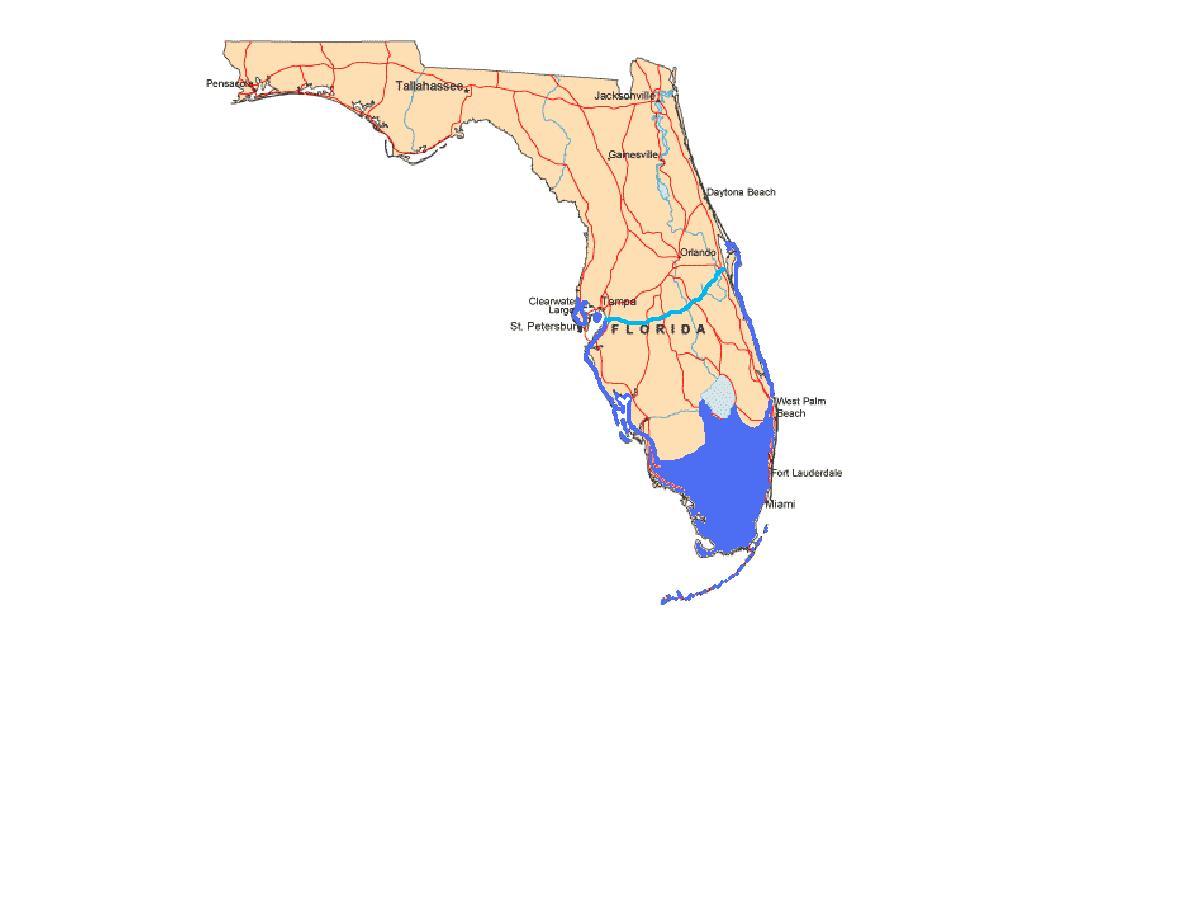
The ideal conditions for coconut palms are a combination of warm temperatures, high humidity, and abundant sunshine, all of which are generously provided by South Florida’s climate. They are particularly prevalent below the 27th parallel, which effectively means the southern half of the peninsula, including Miami-Dade County, Broward County, Collier County, and most famously, the entire chain of the Florida Keys.
Coastal areas are especially favored due to sandy soils and proximity to saltwater, which coconuts tolerate well. Regions like Key West, Fort Lauderdale, Naples, and Sarasota boast vast groves of coconut palms, lining beaches, avenues, and resort properties. These areas rarely experience freezing temperatures, which are detrimental to the coconut palm. While you might spot them further north, particularly in protected urban environments like Orlando (where they might require extra care during cold snaps), their natural and widespread abundance truly defines the landscape from Palm Beach southward. For tourists, this means that virtually any visit to a beach or resort in South Florida will feature the majestic presence of these iconic trees.
More Than Just a Pretty Palm: The Many Uses of Florida Coconuts
Beyond their aesthetic appeal, coconuts in Florida offer a myriad of practical and economic benefits, transforming them from mere landscaping elements into valuable resources that enhance the local experience for both residents and tourists. Their versatility is evident in everything from culinary creations to locally crafted goods, underscoring their deep integration into the state’s culture.
Culinary Delights and Refreshments
The most immediate and appealing use of Florida coconuts for many visitors is their role in refreshing beverages and delectable dishes. Fresh coconut water, chilled and served directly from a young, green coconut, is a quintessential Florida experience. Vendors, especially in popular tourist spots and along beaches in places like South Beach, offer this natural electrolyte-rich drink, often with a straw plunged directly into the fruit. It’s a taste of tropical purity and a welcome respite from the Florida heat.
Beyond the water, the rich, white meat of mature coconuts finds its way into numerous culinary applications. Coconut milk and cream, extracted from the grated meat, are staples in many Floridian kitchens, particularly in Caribbean and Latin-inspired cuisine prevalent in South Florida. From savory curries and stews to sweet desserts like coconut cake, macaroons, and flan, the distinctive flavor of coconut adds an authentic local touch. Even shredded coconut is a common topping for ice cream, pastries, and fruit salads, making the coconut an indispensable ingredient in the local food scene.
Economic Impact and Local Products
The economic footprint of coconuts in Florida might not be as colossal as its citrus industry, but it nonetheless supports a niche market and contributes to the state’s unique tourism offerings. Local farmers markets, particularly in Miami and the Keys, often feature stalls selling fresh coconuts, sometimes still warm from the sun. This provides a direct income stream for small-scale growers and distributors.
Moreover, the entire coconut palm, not just the fruit, finds various uses. The fronds are sometimes used in local crafts or for decorative purposes in resorts and special events. The fibrous husk, or coir, can be processed into potting medium, doormats, and brushes, though this industry is less developed in Florida compared to countries where coconuts are a primary agricultural product. More commonly, the imagery of the coconut palm is heavily leveraged in Florida’s branding and souvenir industry. From postcards and apparel to custom-made jewelry and home decor, the coconut motif is omnipresent, symbolizing the dream of a tropical getaway that Florida so masterfully delivers. This subtle yet pervasive economic impact reinforces the coconut’s status as a local icon.
The Lifecycle and Care of Florida Coconuts
Maintaining the lush appearance and health of Florida’s coconut palms is an ongoing effort, vital for both aesthetic appeal and safety. Understanding their growth cycle and the specific care they require sheds light on the dedication involved in preserving this iconic element of the state’s natural beauty.
From Sprout to Harvest
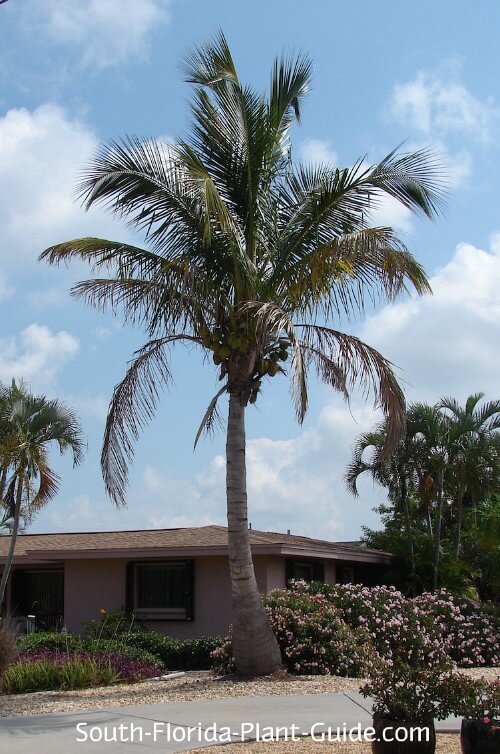
A coconut palm begins its life from a fallen, mature coconut. Under ideal conditions of warmth and moisture, the husk develops roots and a shoot emerges, slowly growing into a sapling. These trees are relatively slow-growing in their initial stages, but once established, they can reach impressive heights, often exceeding 80 feet, with some varieties even taller. A healthy coconut palm can live for 60 to 80 years, or even longer, consistently producing fruit.
Flowering and fruiting typically begin around 5–7 years after planting, with mature trees producing numerous coconuts throughout the year, although peak seasons can vary. Each tree can yield dozens of coconuts annually, ripening over approximately 10–12 months. The different stages of ripeness offer different products: young green coconuts are prized for their abundant water, while older, brown coconuts contain thicker meat and less water, ideal for culinary uses and oil extraction. This continuous cycle ensures a steady supply of fresh coconuts for consumption and cultivation across South Florida.
Maintenance and Safety Considerations
Despite their resilient nature, coconut palms in Florida require attentive care to thrive. Proper fertilization, especially with micronutrients like magnesium, manganese, and boron, is crucial to prevent common deficiencies that can lead to yellowing fronds (frizzle top) or stunted growth. Regular pruning of dead or dying fronds is also essential, not only for the tree’s health but also for aesthetic purposes and safety.
Perhaps the most significant maintenance and safety concern related to coconuts is the potential for falling fruit. A mature coconut can weigh several pounds and fall from considerable heights, posing a serious hazard to people and property below. Consequently, in public areas, parks, resorts, and private residences, it’s common practice to regularly “de-nut” palms, removing mature coconuts before they fall naturally. This practice, often performed by skilled arborists, is critical for ensuring visitor safety, especially in high-traffic tourist destinations like Walt Disney World resorts or along the busy beaches of Miami Beach. While this intervention might seem counterintuitive to natural growth, it’s a necessary measure to balance the aesthetic and economic benefits of these palms with the well-being of the millions who enjoy Florida’s tropical ambiance.
Experiencing Coconuts as a Tourist in Florida
For visitors to Florida, coconuts are more than just part of the scenery; they’re an integral part of the immersive tropical experience. From savoring fresh coconut water to exploring unique coconut-themed attractions, these versatile fruits enhance a tourist’s journey through the Sunshine State.
Where to Find Fresh Coconuts
Experiencing fresh coconut in Florida is relatively easy, especially in the southern half of the state. One of the most authentic ways is to visit local farmers’ markets or roadside stands. In areas like Key Largo, Islamorada, or in ethnic neighborhoods of Miami such as Little Havana or Wynwood, you can often find vendors with piles of green coconuts, ready to be cracked open on the spot. They’ll typically use a machete to create an opening for a straw, offering a pure, unadulterated taste of the tropics.
Many beachside vendors and casual eateries along popular tourist beaches, from Clearwater Beach to South Beach, also offer fresh coconut water. Upscale resorts and hotel bars frequently incorporate coconut water into their beverage menus, often as a mixer for tropical cocktails or as a standalone healthy refreshment. Even major grocery stores across South Florida will stock fresh coconuts, allowing visitors to bring a piece of the tropical flavor back to their accommodations.
Coconut-Inspired Activities and Souvenirs
Beyond consumption, coconuts inspire a range of activities and products that tourists can enjoy. In some areas, particularly in the Florida Keys, small artisanal shops might sell decorative coconuts, hand-painted with local scenes or transformed into unique crafts. These make for distinctive souvenirs, far more authentic than mass-produced trinkets.
Several festivals and events in Florida occasionally feature coconuts prominently. While there isn’t a single “Coconut Festival” on the scale of, say, an Oktoberfest, local community events, especially those with a Caribbean or island theme, will often highlight coconut-based foods, drinks, and crafts. Participating in a cooking class focused on Floridian or Caribbean cuisine might also involve learning to cook with fresh coconut milk or shredded coconut. The simple act of sitting under a coconut palm, watching the ocean, perhaps with a cool drink in hand, is itself a quintessential Florida “activity” that truly encapsulates the relaxed, tropical lifestyle the state offers.
The Future of Coconuts in the Sunshine State
The ongoing presence and health of coconut palms are crucial for Florida’s environmental and economic future. As climate patterns shift and urban development continues, the challenges and opportunities for these iconic trees are constantly evolving, demanding proactive approaches to ensure their sustained flourishing.
Challenges and Conservation
Despite their resilience, Florida’s coconut palms face several challenges. Lethal yellowing disease, a devastating phytoplasma disease transmitted by a planthopper, has historically caused significant losses of coconut palms and other palm species across the state. While efforts in research and preventative treatments have helped manage its spread, it remains a persistent threat. Climate change also presents a complex challenge; while warmer temperatures might theoretically expand the range where coconuts can grow, increased frequency and intensity of hurricanes pose a significant risk, as these storms can defoliate, damage, or completely uproot palms.
Conservation efforts focus on managing these threats. This includes ongoing research into disease-resistant varieties, responsible planting practices, and integrated pest management. Arborists and horticulturists work to educate property owners on proper palm care to ensure the health and longevity of individual trees. Protecting coastal ecosystems, where many coconuts thrive, is also vital, as healthy beaches and dunes provide the ideal sandy, well-drained conditions these palms prefer.
Sustainable Practices
Promoting sustainable practices for coconut palms in Florida is essential for their long-term viability. This involves advocating for sustainable urban forestry, where new developments integrate existing palms where possible and plant appropriate, healthy replacements. Utilizing coconut by-products, such as coir from the husks, in local horticulture or craft industries could also create a more circular economy around the coconut.
Furthermore, engaging tourists in appreciation rather than exploitation is key. Educating visitors about the importance of not disturbing wild palms, respecting the efforts in maintaining safety (like de-nutting), and supporting local vendors who sell sustainably sourced coconut products contributes to a healthier ecosystem. The future of coconuts in Florida hinges on a balanced approach that combines scientific understanding, proactive management, and an informed appreciation from both residents and the millions of visitors who flock to the state each year to experience its unique tropical charm.
In conclusion, coconuts unequivocally grow in Florida, adding an invaluable layer to its identity as a premier tropical destination. They are more than just trees; they are living symbols of the state’s natural beauty, economic contributors, culinary inspirations, and enduring attractions for anyone seeking a taste of paradise. Their continued presence is a testament to Florida’s unique climate and the concerted efforts to preserve a truly iconic part of its landscape.
LifeOutOfTheBox is a participant in the Amazon Services LLC Associates Program, an affiliate advertising program designed to provide a means for sites to earn advertising fees by advertising and linking to Amazon.com. Amazon, the Amazon logo, AmazonSupply, and the AmazonSupply logo are trademarks of Amazon.com, Inc. or its affiliates. As an Amazon Associate we earn affiliate commissions from qualifying purchases.