
Florida, with its sun-drenched beaches, vibrant cities, and romantic landscapes, stands as a premier destination for couples looking to tie the knot. Whether you envision an intimate ceremony on the soft sands of Miami Beach, a grand celebration in Orlando’s themed resorts, or a charming elopement in historic St. Augustine, understanding the administrative aspects, particularly the cost and process of obtaining a marriage license, is your essential first step. This guide is designed to demystify the financial and procedural requirements, ensuring your journey to marital bliss in the Sunshine State is as smooth and stress-free as possible.

Understanding the Essentials of a Florida Marriage License
Before you can say “I do” in the beautiful state of Florida, there are specific legal prerequisites that must be met. These essentials are designed to ensure the validity and legality of your union, laying the groundwork for a smooth application process.
Who Can Apply?
The requirements for who can obtain a Florida marriage license are relatively straightforward, aiming for clarity and legal compliance.
- Age Requirements: Both applicants must be at least 18 years old. Minors aged 17 may apply with parental consent and certain judicial waivers, though this is less common for couples planning destination weddings.
- Previous Marriages: If either applicant has been previously married, proof of the dissolution of that marriage (divorce decree or death certificate) is generally not required at the time of application. However, applicants must declare the date their last marriage ended. It is crucial that any previous marriage is legally dissolved before applying for a new one.
- Residency: One of Florida’s’s most appealing features for destination weddings is that there are no residency requirements for obtaining a marriage license. This means couples from any state or country can apply and marry here, making it incredibly convenient for out-of-state and international visitors.
Key Documents Required
While the process is designed to be user-friendly, having the correct documentation ready will expedite your application.
- Identification: Both applicants must present valid photo identification, such as a driver’s license, state ID card, or passport. The identification must be current and clearly show your legal name and date of birth.
- Social Security Numbers: Florida law requires applicants who are U.S. citizens or resident aliens to provide their Social Security number. This number will not appear on the marriage license itself. For non-U.S. citizens or non-resident aliens who do not have a Social Security number, this requirement does not apply. They will simply declare that they do not have one.
- No Blood Test: Unlike some other states, Florida does not require a blood test for marriage license applicants.
The Waiting Period
One crucial aspect to be aware of is the waiting period, which can vary based on residency and whether certain requirements are met.
- For Florida Residents: If both applicants are residents of Florida, there is a mandatory three-day waiting period between the issuance of the license and when the marriage can be solemnized. This means you pick up your license on Monday, and the earliest you can get married is Thursday.
- Waiver of Waiting Period: The good news is that this three-day waiting period can be waived for Florida residents if they complete a pre-marital preparation course from a qualified registered provider.
- For Non-Residents: For couples where at least one applicant is not a Florida resident, there is no waiting period. You can obtain your license and get married on the very same day. This makes Florida an incredibly attractive option for destination weddings, allowing for greater flexibility in scheduling.
Navigating the Application Process
Once you understand the basic requirements, the next step is to navigate the application process itself. Florida offers several convenient ways to apply, designed to accommodate both local residents and out-of-state visitors.
Where to Apply
Marriage licenses are issued by the Clerk of the Circuit Court in any of Florida’s 67 counties.
- Clerk of Courts Office: You can apply in person at any Clerk of Courts office throughout the state. It doesn’t have to be the county where you plan to get married. For example, if you’re flying into Orlando and getting married in Key West, you could obtain your license in Orange County (Orlando’s county) or Monroe County (Key West’s county). Popular counties for weddings often include Miami-Dade, Broward County, and Palm Beach County in South Florida, each offering multiple courthouse locations.
- Online Resources: Many county Clerk of Courts websites provide detailed information, downloadable application forms, and sometimes even online pre-application portals. While you will almost always need to appear in person to finalize the application and present identification, some preliminary steps can be completed online, saving time at the courthouse.
Online vs. In-Person Application
While the final issuance requires an in-person appearance for both parties to sign the application and present ID, the initial stages can differ.
- In-Person Advantage: Applying completely in person allows you to get all your questions answered on the spot and walk out with your license the same day (subject to the waiting period for residents). It’s often the quickest way for non-residents.
- Online Pre-Application: Many counties, like Miami-Dade, offer online pre-application services where you can fill out most of the paperwork before arriving. This streamlines the in-person visit, reducing wait times significantly. Check the specific county’s Clerk of Court website for their procedures. Remember, even with online pre-application, both parties must still appear in person with valid identification to affirm the application and receive the license.
The Marriage Preparation Course and Its Benefits
Florida encourages couples to invest in their relationship foundation through pre-marital preparation, offering tangible benefits for those who do.
- Cost Reduction: Couples who complete a qualified pre-marital preparation course from a registered provider are eligible for a discount on their marriage license fee. This isn’t just a minor discount; it significantly reduces the overall cost.
- Waiver of Waiting Period: As mentioned, for Florida residents, completing this course also waives the three-day waiting period, allowing them to get married immediately after obtaining the license. This can be a huge advantage for planning.
- Skill-Building: Beyond the financial and logistical benefits, these courses offer invaluable tools for communication, conflict resolution, and financial planning, strengthening the couple’s bond before they embark on married life. The course must be at least four hours long and taught by a qualified instructor, such as a licensed psychologist, marriage and family therapist, clinical social worker, or religious leader.
Deconstructing the Cost: Fees and Savings
Understanding the exact financial outlay for your Florida marriage license is crucial for budget planning. While the fees are generally consistent across counties, there are opportunities for savings.
Standard Marriage License Fee
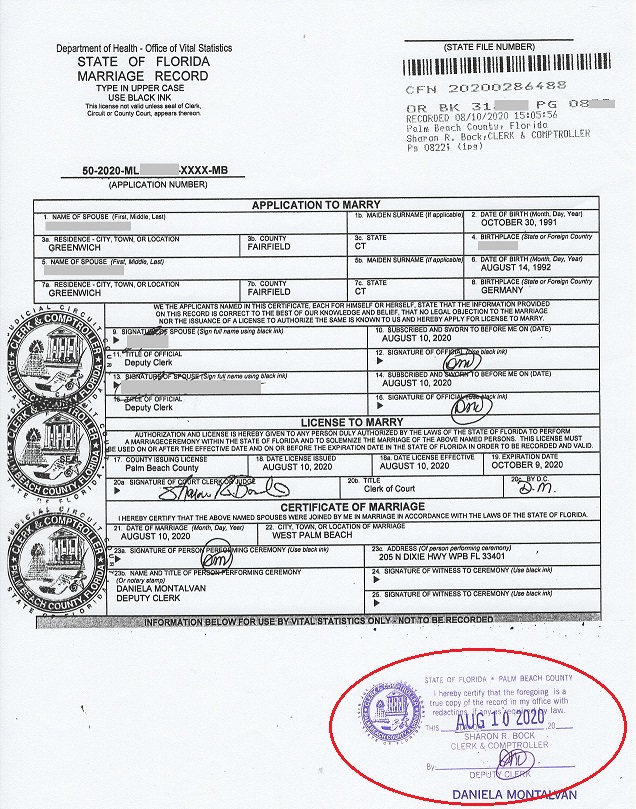
The base fee for a Florida marriage license typically hovers around $93.50. This figure can vary by a dollar or two between counties, so it’s always wise to check the specific Clerk of Court website for the county where you intend to apply. This fee covers the administrative costs associated with processing the application, issuing the license, and maintaining the public record. Payment methods generally include cash, credit/debit cards, or money orders, though credit card payments might incur a small processing fee.
Discount for Pre-Marital Course Completion
This is where the pre-marital preparation course truly shines financially. Couples who complete the state-approved course are eligible for a significant reduction in the license fee. The discount typically brings the cost down by approximately $32.50, making the discounted fee around $61.00. To receive this discount, you must present a certificate of completion from a registered provider at the time of application. The certificate must indicate that the course covered the required topics and was completed within one year of the license application date. This initiative by the state of Florida not only fosters healthier marriages but also offers a tangible incentive, making it a win-win for engaged couples.
Additional Costs to Consider
While the marriage license fee is a fixed cost, several other expenses might arise during the planning of your Florida wedding.
- Officiant Fees: The person solemnizing your marriage (a judge, ordained minister, notary public, or even yourself in some cases) may charge a fee for their services. These fees can range widely based on their experience, the length of the ceremony, and travel requirements.
- Venue Costs: Your chosen wedding venue, whether it’s a grand hotel in Miami, a charming bed-and-breakfast in St. Petersburg, or a beachfront gazebo, will have its own associated costs. These can be significant and should be factored into your overall budget.
- Certified Copies of the Marriage Certificate: After your marriage, the officiant will return the signed license to the Clerk of Court. Once recorded, you’ll want to obtain certified copies of your marriage certificate. These are typically needed for legal purposes, such as changing names on identification, bank accounts, and passports. Each certified copy usually costs around $3-$5, and it’s advisable to order several.
Post-Application Steps: What Happens Next?
Once you have your Florida marriage license in hand, the countdown to your wedding day officially begins. However, there are a few critical steps to ensure your marriage is legally recorded and recognized.
The License’s Validity Period
A Florida marriage license is valid for 60 days from the date of its issuance. This means you must have your marriage solemnized (the ceremony performed) within this two-month window. If you do not get married within 60 days, the license will expire, and you will need to apply and pay for a new one. This timeframe provides ample flexibility for planning but requires attention to ensure it doesn’t lapse.
Solemnization of Marriage
The “solemnization” is the actual wedding ceremony, where you declare your intent to marry before an authorized person.
- Who Can Officiate? In Florida, a marriage can be solemnized by a regularly ordained minister of the gospel or other person in good standing of any religious denomination, including the Quakers; a judicial officer (such as a judge or clerk of the circuit court); or a notary public of the state. Interestingly, a marriage can also be solemnized by the parties to the marriage themselves, if they are members of the Religious Society of Friends (Quakers), or if they choose to perform a self-solemnization ceremony where no officiant is present, by declaring their intentions to marry in front of witnesses.
- Witnesses: Florida law does not explicitly require witnesses to be present at the solemnization of the marriage, though it is a common practice and often desired for sentimental reasons.
Returning the License and Obtaining Certified Copies
This final administrative step is arguably the most crucial for making your marriage legally binding and officially recorded.
- Returning the License: After the ceremony, the officiant is responsible for completing and signing the marriage license and returning it to the Clerk of the Circuit Court office where it was issued. This must be done within 10 days of the marriage solemnization. This step is vital; without the return and recording of the license, your marriage is not officially registered.
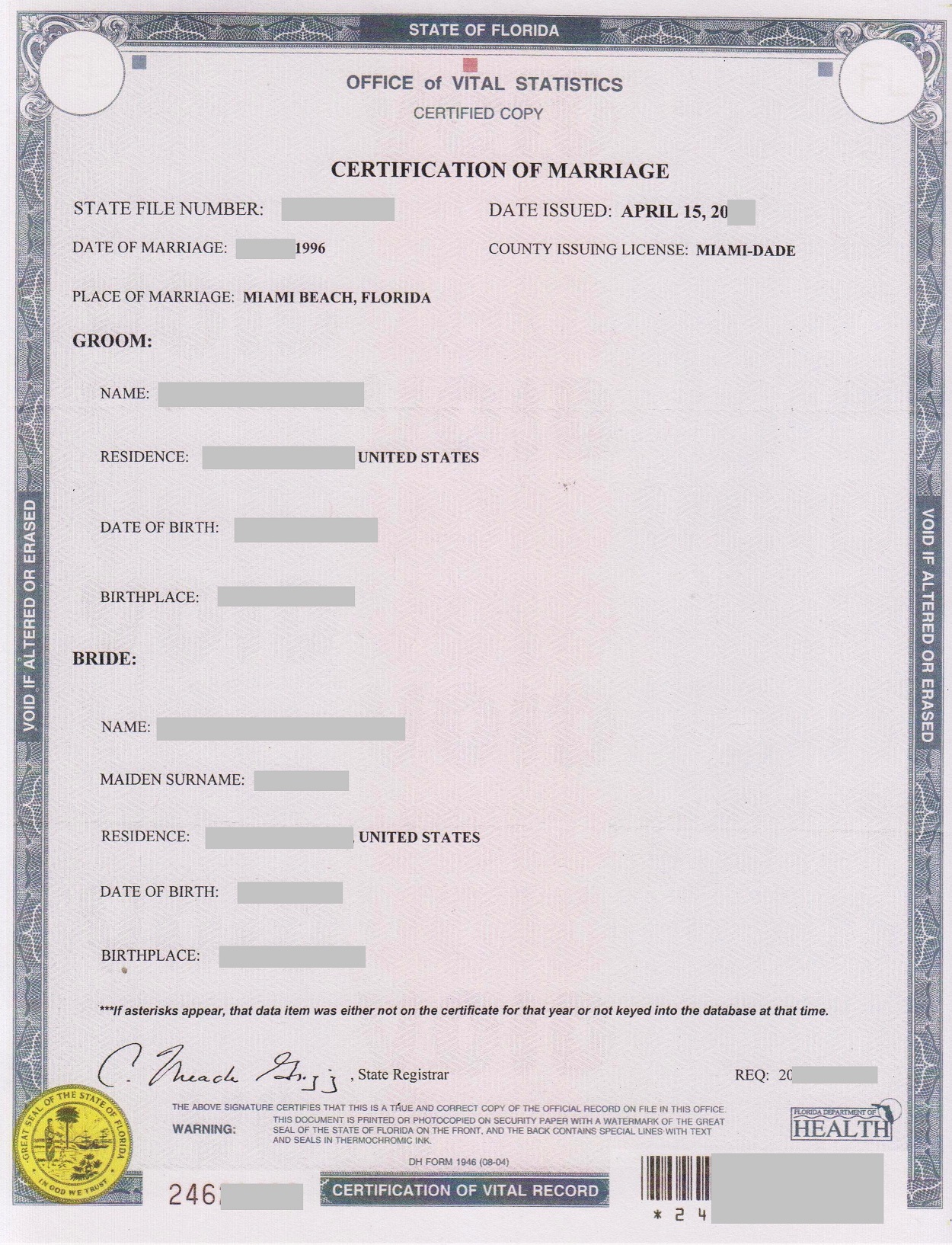
- Obtaining Certified Copies: Once the license is returned and recorded by the Clerk of Court, it officially becomes a marriage certificate. You will then want to obtain certified copies. These are official duplicates of the original record, stamped and signed by the Clerk, and are necessary for almost any legal process requiring proof of marriage (e.g., name changes on driver’s licenses, passports, social security cards, insurance policies, and for immigration purposes if applicable for international couples). You can typically request these copies in person, by mail, or sometimes online through the county’s Clerk of Court website, usually for a small fee per copy.
Common Questions and Expert Tips for Your Florida Wedding
Planning a wedding in a popular destination like Florida naturally brings up a host of questions. Here are answers to some common inquiries and expert tips to ensure your special day is everything you’ve dreamed of.
Can We Get Married on the Beach?
Absolutely! Florida’s stunning beaches are a top draw for weddings. However, there are a few considerations:
- Permits: Many popular beach locations, especially those managed by cities or counties, require a special event permit for weddings. Fees can vary, and applying in advance is crucial, particularly for larger gatherings or during peak seasons. Check with the local parks and recreation department or city hall for the specific beach you have in mind (e.g., Clearwater Beach, South Beach in Miami).
- Logistics: Consider tides, public access, and privacy. Early mornings or late afternoons are often best for lighting and fewer crowds. Remember to arrange for chairs, arches, and any decorations in advance.
What About International Couples?
Florida is incredibly welcoming to international couples.
- Visa Considerations: While you don’t need a specific visa to get married in the U.S., ensure you enter the country legally with the appropriate visa (e.g., tourist visa or ESTA for eligible countries). Do not misrepresent your intentions when applying for a visa.
- Apostille: For your Florida marriage certificate to be recognized in your home country, you might need an “apostille.” This is a certification attached to your document that authenticates the signatures of U.S. officials, making the document legal for use in countries that are part of the Hague Apostille Convention. You can obtain an apostille from the Florida Department of State.
- Translation: If your country requires documents in a language other than English, you may need a certified translation of your marriage certificate.
Making Your Florida Wedding Unforgettable
Beyond the legalities, crafting a memorable experience is key.
- Planning Resources: Utilize local wedding planners who specialize in Florida destination weddings. They can navigate permits, vendors, and local nuances.
- Local Tips: Explore Florida’s diverse offerings. Consider a wedding in the historic charm of St. Augustine, the lush gardens of Naples, or the vibrant art scene of Sarasota. Incorporate local flavors into your reception, from fresh seafood to key lime pie.
- Timing: While Florida is sunny year-round, consider the hurricane season (June 1st to November 30th) and the peak tourist season (winter months) when planning your date to avoid potential weather disruptions and higher costs.
Obtaining a Florida marriage license is a straightforward process, especially when armed with the right information. By understanding the requirements, navigating the application, and being mindful of post-ceremony steps, you can focus on what truly matters: celebrating your love in one of the world’s most enchanting wedding destinations.
LifeOutOfTheBox is a participant in the Amazon Services LLC Associates Program, an affiliate advertising program designed to provide a means for sites to earn advertising fees by advertising and linking to Amazon.com. Amazon, the Amazon logo, AmazonSupply, and the AmazonSupply logo are trademarks of Amazon.com, Inc. or its affiliates. As an Amazon Associate we earn affiliate commissions from qualifying purchases.