
Embarking on a journey to California is an exciting prospect, promising everything from sun-drenched beaches and majestic mountains to vibrant cities and world-class culinary experiences. However, for many travelers, the initial hurdle often begins even before packing a suitcase: understanding the local time. Knowing “What time is it in California?” is far more than a simple query; it’s a fundamental piece of information that dictates everything from flight schedules and hotel check-ins to managing jet lag and maximizing your precious vacation days. This comprehensive guide delves into the intricacies of California’s time zone, offering insights and practical advice to ensure your travel experience is as seamless and enjoyable as possible.
Understanding California’s Time Zone: Pacific Time
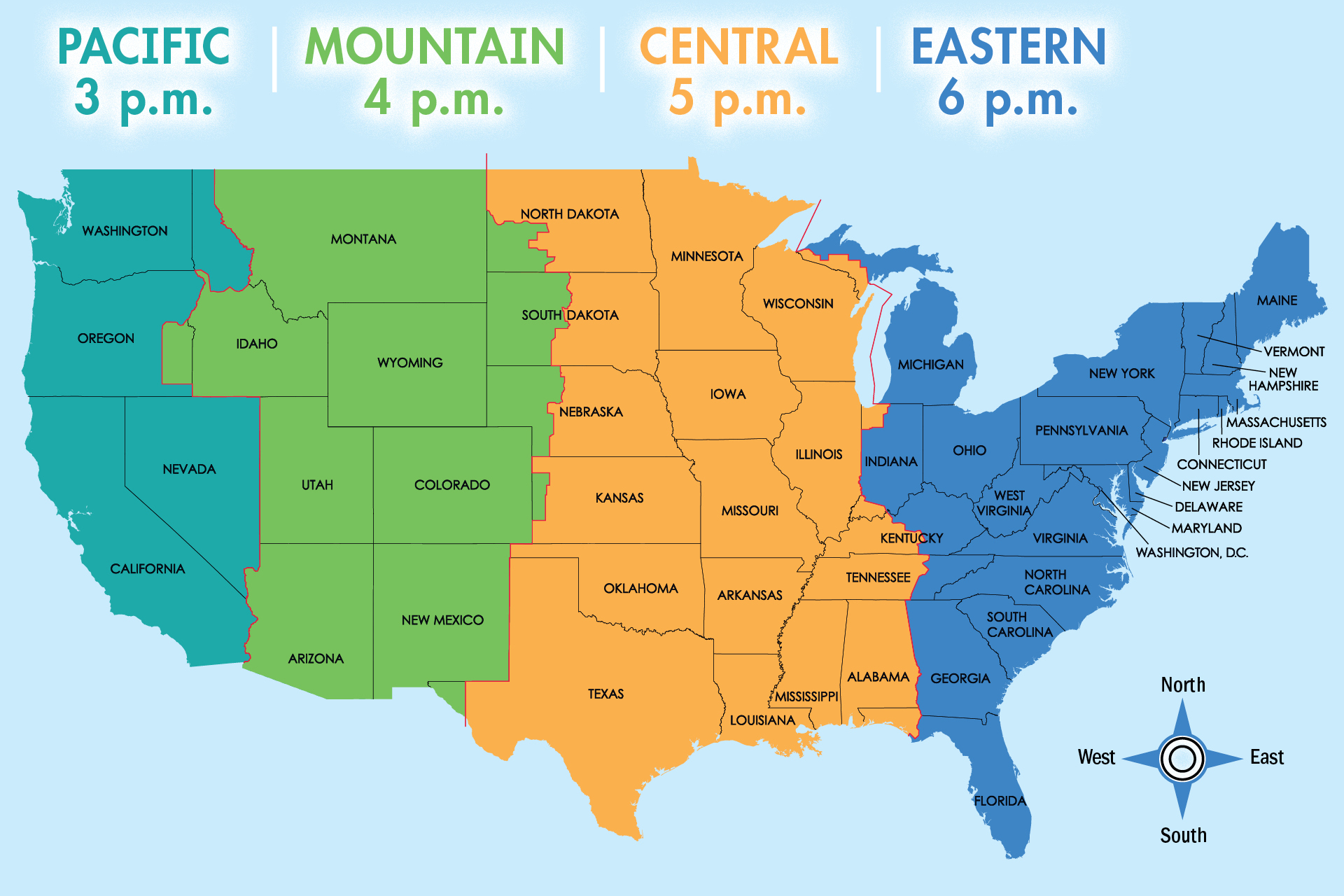
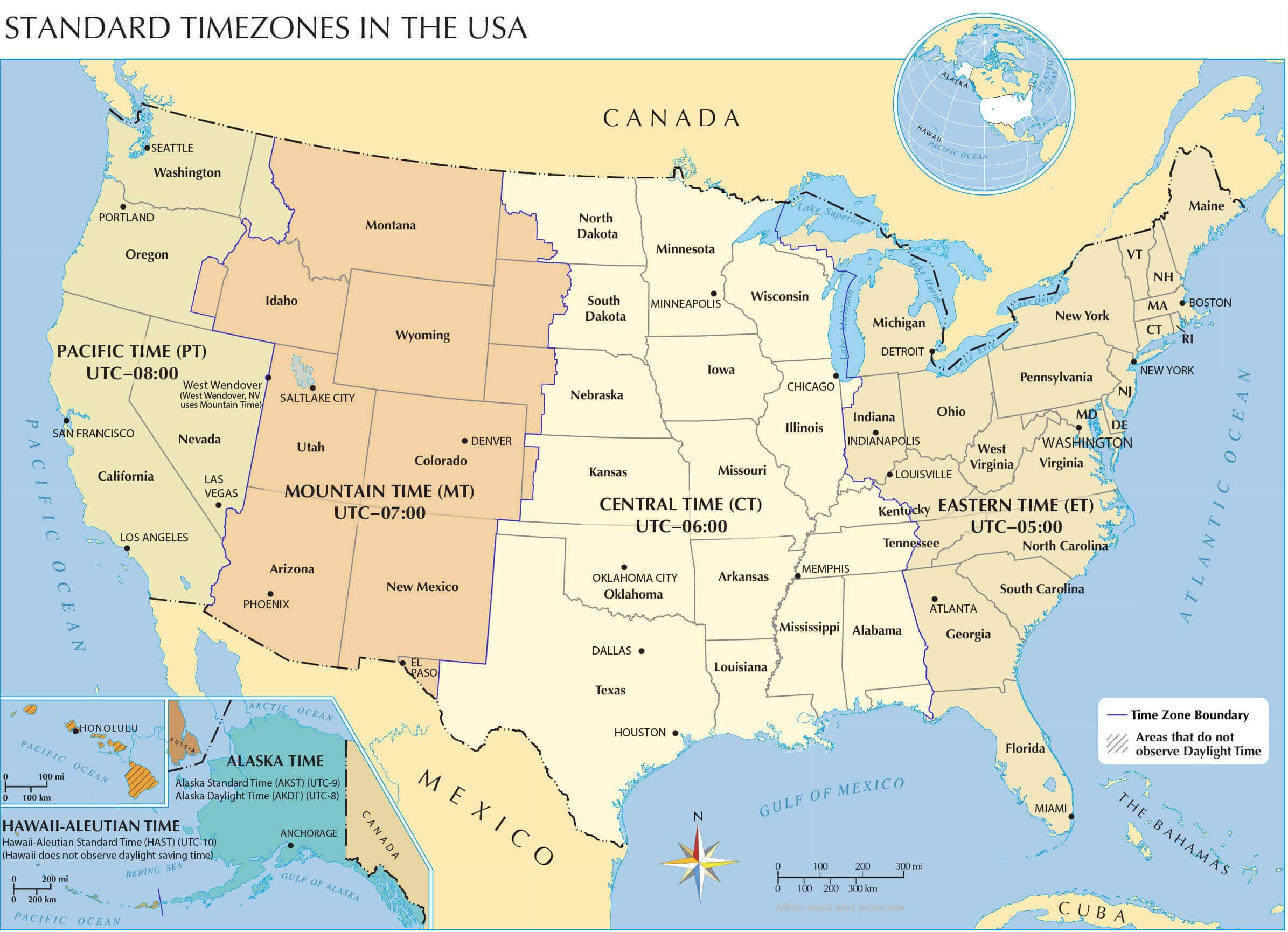
At its core, California operates within the Pacific Time Zone, which is observed across the westernmost states of the continental United States. This means that whether you’re planning a trip to the bustling streets of Los Angeles, the iconic hills of San Francisco, or the serene landscapes of Yosemite National Park, you’ll be adhering to the same temporal rhythm. The Pacific Time Zone is typically eight hours behind Coordinated Universal Time (UTC-8), a standard that governs global timekeeping. This crucial distinction is the bedrock of planning any travel to the Golden State, impacting everything from your departure time to your first morning coffee.
PST vs. PDT: The Daylight Saving Dance
Like many regions, California observes Daylight Saving Time (DST), which introduces a seasonal shift in the clock. From early November to mid-March, California is on Pacific Standard Time (PST), which is UTC-8. However, from mid-March to early November, the clocks spring forward by one hour, moving to Pacific Daylight Time (PDT), which is UTC-7. This change is designed to make better use of daylight, providing longer evenings during the warmer months. For travelers, this means a critical need to confirm the exact date of your travel relative to these shifts. A flight scheduled to land at 3 PM during PST will land at what feels like 4 PM during PDT if your body clock hasn’t adjusted, potentially affecting onward travel plans or scheduled activities. Always double-check current local time and Daylight Saving Time status before your departure.
Why California Operates on PST/PDT
The establishment of time zones, including the Pacific Time Zone, dates back to the late 19th century. Before standardized time, each locality kept its own time, often based on solar noon, leading to considerable confusion, especially for railway schedules. The adoption of standard time zones across North America in 1883, and later by federal law, aimed to bring order to this chaos. California’s location on the far western edge of the continental United States naturally places it within the westernmost contiguous time zone, ensuring that solar noon generally aligns with the middle of the clock’s twelve-hour cycle. This geographical imperative allows for a practical and consistent approach to daily life and travel across the state.
The Impact of Time Zones on Travel Planning
Understanding California’s time zone is paramount for efficient travel planning. It extends beyond merely knowing what time it is; it’s about strategically scheduling your entire trip to minimize stress and maximize enjoyment. From the moment you book your flights to the minute you check into your hotel, every aspect is intertwined with the temporal dynamics of your destination.
Coordinating Flights and Connections
When booking flights to California, pay close attention to the arrival and departure times listed, as they are always in local time. If you’re flying from the East Coast of the United States, you’ll gain three hours upon arrival (e.g., leaving New York at 9 AM EST and landing in Los Angeles at 12 PM PST after a 6-hour flight). This can be a delightful feeling of having extra time, but it also means your body clock will be several hours ahead. Conversely, departing California for an eastward destination can feel like losing several hours. Careful consideration of layovers and connecting flights is also essential. A seemingly generous two-hour layover might shrink in practical terms if you’re mentally adjusting to a new time. Always confirm all flight times with your airline and keep a reliable time zone converter handy during the planning phase.
Scheduling Meetings and Activities
Once you’re in California, your internal clock might be telling you one thing, while local businesses operate on another. This is particularly relevant for scheduling tours, restaurant reservations, or business meetings. A breakfast meeting at 8 AM PST might feel like 11 AM to someone from the East Coast, potentially leading to oversleeping if not adequately prepared. Similarly, popular attractions like the Hollywood Walk of Fame or Disneyland Resort have strict operating hours. Understanding the local time will ensure you arrive promptly for your scheduled activities and avoid missing out on planned experiences. It also allows you to strategically plan your days, perhaps using the “gained” morning hours from an eastward journey for early sightseeing before the crowds.
Staying Connected with Home
Maintaining communication with family, friends, or colleagues back home often requires a mindful approach to time differences. If you’re from the UK, a typical workday call to California might mean calling late at night from your end. From Australia, the time difference is even more pronounced, potentially spanning a full day. Utilizing world clock apps or features on your smartphone can be incredibly helpful. Be considerate of their local time before making calls or sending messages, especially during inconvenient hours. This forethought not only prevents unnecessary disturbances but also helps manage expectations for response times, ensuring smoother communication throughout your trip.
Conquering Jet Lag: Tips for a Seamless California Transition
Jet lag is an inevitable companion for many long-haul travelers. It’s your body’s natural circadian rhythm struggling to align with a new time zone. While it can manifest as fatigue, irritability, or digestive issues, there are proactive steps you can take to minimize its impact and ensure your California adventure starts on a high note.
Pre-Travel Adjustments

One of the most effective strategies is to begin adjusting your internal clock before you even leave home. A few days before your flight, gradually shift your sleep schedule towards Pacific Time. If flying west, try going to bed and waking up an hour or two later each day. If flying east, do the opposite. Adjust your meal times as well to mimic the local meal schedule in California. While not always possible to fully adjust, even minor shifts can significantly ease the transition upon arrival. Ensuring you’re well-rested before your journey also provides a stronger foundation for combating fatigue.
During Your Flight: Hydration and Movement
The flight itself offers opportunities to mitigate jet lag. Stay well-hydrated by drinking plenty of water, and avoid excessive alcohol and caffeine, which can exacerbate dehydration and disrupt sleep patterns. Try to synchronize your activities on the plane with your destination’s time. If it’s daytime in California, try to stay awake; if it’s nighttime, try to sleep. Eye masks and noise-canceling headphones can be invaluable for creating a conducive sleep environment. Additionally, incorporate gentle stretches and walk around the cabin periodically to promote circulation and prevent stiffness.
Upon Arrival: Embrace the Pacific Time
The moment you land in California, commit to the local time. Resist the urge to nap if it’s daytime, no matter how tired you feel. Instead, expose yourself to natural light as much as possible; sunlight is a powerful cue for your circadian rhythm. Go for a walk, explore your immediate surroundings, or simply enjoy a meal outdoors. If you arrive in the evening, try to stay awake until a reasonable bedtime in California. While the first night might be challenging, pushing through will help your body adapt more quickly. Maintain a consistent sleep schedule for the duration of your trip, even on weekends, to solidify your adjustment.
Experiencing California by the Clock: Maximizing Your Itinerary
Once adjusted to California’s time, you can truly unlock the full potential of your trip. Strategic timing can transform your experiences, allowing you to avoid crowds, capture breathtaking moments, and savor the local rhythm.
Early Birds: Sunrise Hikes and Breakfast Spots
For those who embrace the early hours, California offers spectacular rewards. Imagine catching the sunrise over the Pacific Ocean from a coastal trail near San Diego or witnessing the first light illuminate the granite monoliths of Yosemite. Early mornings are also prime for visiting popular attractions like the Golden Gate Bridge in San Francisco before the tour buses arrive, or enjoying a tranquil stroll through Balboa Park. Afterward, reward yourself with breakfast at a local diner, experiencing the authentic start to a Californian day.
Mid-Day Explorations: Museums and Coastal Drives
The middle of the day is perfect for exploring indoor attractions or enjoying scenic drives. California boasts world-class museums, from the Getty Center in Los Angeles to the California Academy of Sciences in San Francisco, offering enriching cultural experiences sheltered from the midday sun. Alternatively, embark on an iconic coastal drive along Highway 1, where the views are consistently stunning, and you can stop at charming beach towns for lunch. This period is also ideal for activities that require daylight but aren’t time-sensitive, allowing for flexibility in your itinerary.
Evening Delights: Dining and Entertainment
As the sun sets, California truly comes alive with a plethora of dining and entertainment options. From Michelin-starred restaurants in Napa Valley to casual beachfront eateries, the culinary scene is diverse and vibrant. Catch a show in the Theatre District of San Francisco, enjoy live music in a Los Angeles club, or simply watch a breathtaking sunset over the Pacific from a rooftop bar. These evening activities often extend late into the night, making a well-adjusted body clock essential for fully enjoying the state’s nocturnal offerings.
Beyond the Clock: The California Vibe
Ultimately, understanding what time it is in California is not just about precise scheduling; it’s about aligning yourself with the rhythm and flow of this incredible destination. It’s about more than just the numbers on a clock; it’s about embracing the unique California vibe.
Adapting to the Local Rhythm
California is known for its relaxed pace, especially in its coastal communities. While major cities operate with a certain hustle, there’s an underlying appreciation for sunshine and leisure. Adapting to this rhythm means not rushing through your meals, taking time to savor the scenic beauty, and perhaps even enjoying a siesta if your schedule allows. It’s about being present and immersing yourself in the local lifestyle, letting the Pacific Time become your natural tempo rather than a constant point of comparison.
Time as a Dimension of Experience
When you travel to California, time transforms from a mere numerical measurement into a dimension of your experience. The golden hour for photography, the window for catching the perfect wave, the timing of a vineyard tour, or the optimal moment to visit a popular museum to avoid crowds – all are dictated by time. By understanding and respecting California’s time zone, you don’t just avoid logistical headaches; you empower yourself to craft a richer, more authentic, and ultimately more memorable journey through the Golden State. So, set your watch, embrace the Pacific Time, and prepare to explore all that California has to offer.
LifeOutOfTheBox is a participant in the Amazon Services LLC Associates Program, an affiliate advertising program designed to provide a means for sites to earn advertising fees by advertising and linking to Amazon.com. Amazon, the Amazon logo, AmazonSupply, and the AmazonSupply logo are trademarks of Amazon.com, Inc. or its affiliates. As an Amazon Associate we earn affiliate commissions from qualifying purchases.