
Chicago, a city renowned for its breathtaking architecture, vibrant arts scene, and rich cultural tapestry, also carries a darker, more controversial moniker: Chiraq. This deeply unsettling nickname, a portmanteau of Chicago and Iraq, emerged from a period of escalating gun violence and homicide rates that tragically mirrored the death tolls reported in war zones. Understanding why this label became associated with one of America‘s most iconic cities requires a nuanced exploration of its socio-economic fabric, historical context, and the complex realities faced by many of its communities. This article delves into the origins of “Chiraq,” the underlying factors that gave rise to its use, its profound impact on the city’s image, and the ongoing efforts to reclaim its narrative. For anyone seeking to genuinely comprehend the local culture and the challenges that shape Chicago, confronting this difficult aspect is essential.
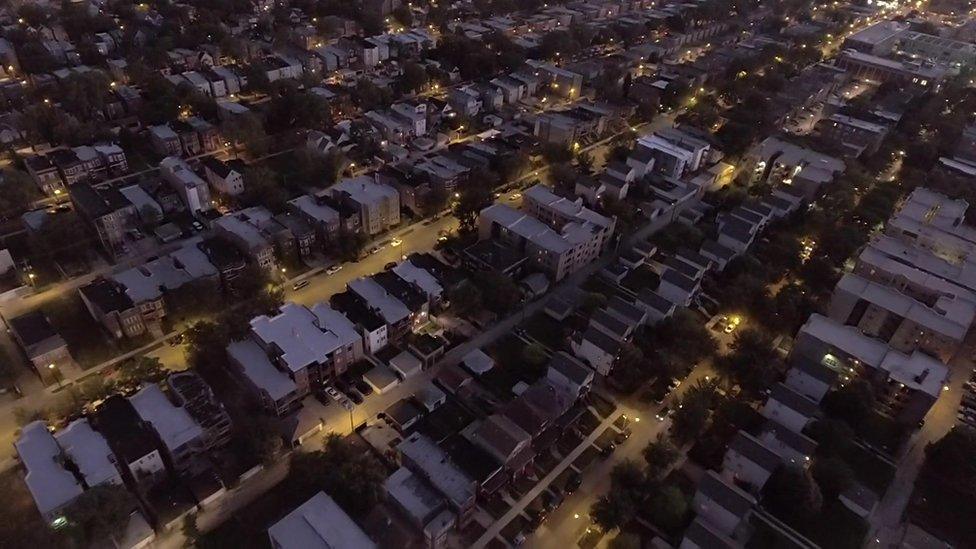
Unpacking the Controversial Nickname: Origin and Meaning
The term “Chiraq” is far more than just a catchy, albeit disturbing, nickname; it is a profound social commentary born out of acute suffering and frustration. Its genesis and widespread adoption reflect a critical moment in Chicago’s recent history, highlighting a stark contrast between its glittering reputation as a global city and the grim realities experienced in specific neighborhoods.
The Genesis of “Chiraq”
The nickname “Chiraq” began to gain traction in the early 2010s, primarily within the local hip-hop scene and among residents directly affected by the surge in urban violence. It served as a desperate, powerful cry for attention to the epidemic of gun-related deaths, particularly among young Black men in the city’s South and West Sides. The comparison to Iraq, a country synonymous with protracted conflict and high civilian casualties during the U.S. invasion and occupation, was not incidental. It was a deliberate and stark metaphor intended to shock, to convey the feeling of living in a war zone, even within the borders of a peaceful, developed nation. Artists, activists, and community members used it to underscore the daily fear, trauma, and loss that became an unbearable part of life for many. While its origins are deeply rooted in grassroots expression, the term gained wider national and international prominence through media coverage, documentaries, and even a Spike Lee film titled “Chi-Raq“, further cementing its place in the lexicon surrounding Chicago.
The Stark Reality Behind the Moniker
At its core, “Chiraq” is a descriptor of a grim reality. During the periods when the term gained prominence, Chicago indeed experienced homicide rates that, in certain years, surpassed the per capita death tolls for U.S. soldiers in active war zones like Afghanistan or Iraq. These figures were concentrated disproportionately in specific, often historically marginalized, neighborhoods. The violence was not random but deeply intertwined with gang conflicts, the illicit drug trade, and retaliatory cycles that ripped through families and communities. For those living in these areas, the comparison felt painfully accurate, reflecting a daily existence marked by the omnipresent threat of violence, the sound of gunshots, and the constant grief for lost loved ones. The nickname became a shorthand for a complex web of social problems, representing the failure of systemic structures to protect all of Chicago’s citizens equally.
Socio-Economic Factors Fueling the Perception
The nickname “Chiraq” did not emerge in a vacuum; it is a symptom of deeply entrenched socio-economic issues that have plagued Chicago for decades. Understanding these underlying factors is crucial for grasping the full weight of the term and the challenges the city faces in shedding this problematic label.
The Scourge of Gun Violence and Crime Statistics
The most immediate catalyst for the “Chiraq” label was the alarming escalation of gun violence and the subsequent high homicide rates. Chicago has consistently ranked among U.S. cities with the highest number of homicides annually. While overall crime rates have fluctuated, the concentration of gun violence in certain areas, particularly the South and West Sides, creates localized crises that are devastating. Factors contributing to this include the proliferation of illegal firearms, complex gang dynamics, and a pervasive lack of trust between communities and law enforcement. The violence is often described as cyclical, with retaliatory shootings perpetuating a seemingly endless loop of conflict and loss. These statistics, often starkly presented in national media, paint a picture of a city under siege, directly feeding into the “Chiraq” narrative.
Deep-Rooted Socio-Economic Disparities and Segregation
Beyond the immediate violence, the “Chiraq” moniker highlights profound socio-economic disparities. Chicago is one of the most racially and economically segregated major cities in the United States. Decades of discriminatory housing policies, redlining, and disinvestment in Black and Brown communities have created stark divisions. Areas experiencing high levels of violence often suffer from chronic unemployment, underfunded schools, inadequate healthcare access, and a scarcity of economic opportunities. These conditions foster despair and create fertile ground for gang recruitment, as young people, lacking viable alternatives, may turn to illicit activities for income and a sense of belonging. The absence of legitimate pathways to success and the systemic deprivation contribute directly to the social breakdown that can lead to violence, forming the bedrock upon which the “Chiraq” narrative rests.
The Role of Systemic Issues and Public Policy
The challenges contributing to Chicago’s violence are further exacerbated by systemic issues and failures in public policy. Gaps in mental health services, a criminal justice system that disproportionately impacts marginalized communities, and inconsistent investment in violence prevention programs all play a role. The policing strategies implemented over the years have also come under scrutiny, with critics arguing that heavy-handed tactics in some areas alienate residents, while insufficient resources leave other communities vulnerable. Furthermore, the broader economic shifts that have seen manufacturing jobs leave urban centers have hollowed out the economic base of many neighborhoods, deepening poverty and instability. Addressing the “Chiraq” problem requires not just law enforcement solutions but comprehensive policy reforms that tackle housing, education, economic development, and community engagement.
The Impact on Chicago’s Identity and Tourism
The label “Chiraq” carries significant weight, profoundly impacting Chicago’s identity, how it is perceived globally, and the nuances of its tourism landscape. It presents a complex challenge for city leaders, residents, and visitors alike.
Shaping Public Perception and Media Portrayal
The “Chiraq” nickname, popularized by media and cultural references, has undeniably shaped public perception of Chicago, often overshadowing its many positive attributes. For those unfamiliar with the city, it can conjure images of pervasive danger, fostering apprehension and deterring potential visitors or investors. This narrative, while rooted in real issues, often oversimplifies a complex metropolis of 2.7 million people, generalizing the experiences of specific neighborhoods to the entire city. Media outlets, in their pursuit of compelling stories, sometimes perpetuate this image, focusing heavily on crime statistics without providing adequate context about the city’s vast size, diverse communities, and the targeted nature of much of the violence. This portrayal can create a distorted understanding, reducing Chicago to a single, negative characteristic rather than a vibrant, multifaceted urban center.
Local Perspectives: Resilience and Resistance
Within Chicago, the nickname “Chiraq” elicits a range of strong emotions. For many residents living in the affected communities, it is a painful, accurate reflection of their daily struggle, a call to action, and a desperate plea for help. They use the term not to disparage their city but to demand attention and resources for neighborhoods that feel neglected. However, for others, particularly those outside these areas or those actively working to promote Chicago‘s positive aspects, the term is offensive and damaging. They view it as an unfair generalization that ignores the resilience, innovation, and vibrant culture that thrives across most of the city. There’s a strong resistance to allowing a single, negative narrative to define Chicago, with numerous community organizations, artists, and activists actively working to combat violence, build stronger communities, and showcase the city’s true spirit.
Navigating the Narrative for Visitors
For visitors planning a trip to Chicago, the “Chiraq” label can naturally raise concerns about safety. It’s crucial for prospective tourists to understand that while gun violence is a severe problem, it is highly concentrated in specific areas, primarily affecting residents involved in certain social dynamics, and rarely impacting the vast majority of tourist areas and downtown attractions. Iconic landmarks like Millennium Park, the Art Institute of Chicago, Navy Pier, and the Magnificent Mile remain exceptionally safe and welcoming. Understanding this context is vital for responsible tourism. Engaging with local culture in Chicago means appreciating its beauty and vibrancy while also acknowledging its challenges. Visitors who delve deeper can support local businesses, engage with community initiatives, and gain a more comprehensive, empathetic understanding of this incredible city, moving beyond sensationalized headlines to experience its true complexity.
Beyond the Label: The True Spirit of Chicago
While the “Chiraq” label reflects a painful reality for some of its communities, it does not define the entirety of Chicago. To truly understand this magnificent city, one must look beyond the headlines and appreciate its enduring spirit, innovation, and relentless pursuit of a better future.
A City of Innovation, Culture, and Community
Chicago is a global powerhouse of culture, innovation, and community spirit. It boasts world-class museums, including the Field Museum and the Museum of Science and Industry, groundbreaking architecture that makes its skyline iconic, and a legendary food scene that ranges from deep-dish pizza to Michelin-starred dining. Its jazz and blues clubs are famous worldwide, and its theater scene is among the most dynamic in the United States. Beyond the downtown core, Chicago is a mosaic of diverse neighborhoods, each with its own unique character, traditions, and local businesses. These communities are home to resilient individuals, families, and organizations that work tirelessly to enrich their areas, support their neighbors, and foster a sense of belonging. The entrepreneurial spirit, the dedication to public art, and the passion for sports (epitomized by teams like the Chicago Bulls and Chicago Cubs) all contribute to a vibrant, living culture that defies simplistic categorization.

Ongoing Efforts for Change and Renewal
Crucially, Chicago is a city actively engaged in addressing its challenges. Numerous governmental, non-profit, and grassroots organizations are tirelessly working on violence prevention, economic development, and educational reform. Initiatives like “READI Chicago” offer employment and cognitive behavioral therapy to individuals at the highest risk of gun violence. Programs focusing on youth mentorship, after-school activities, and job training are prevalent across vulnerable communities, aiming to provide alternatives and hope. City leaders and community activists are collaborating to implement strategies that combine law enforcement efforts with public health approaches to violence reduction. While progress can be slow and incremental, these dedicated efforts underscore Chicago’s commitment to healing and renewal. The story of Chicago is not just one of struggle, but also one of unwavering resilience, constant evolution, and an enduring belief in the power of community to overcome adversity. The nickname “Chiraq” serves as a stark reminder of serious issues, but it should not overshadow the full, complex, and ultimately hopeful narrative of a truly remarkable city.
LifeOutOfTheBox is a participant in the Amazon Services LLC Associates Program, an affiliate advertising program designed to provide a means for sites to earn advertising fees by advertising and linking to Amazon.com. Amazon, the Amazon logo, AmazonSupply, and the AmazonSupply logo are trademarks of Amazon.com, Inc. or its affiliates. As an Amazon Associate we earn affiliate commissions from qualifying purchases.