
Boston, a city steeped in history, vibrant culture, and culinary excellence, offers an unparalleled tourism experience for every visitor. From the cobblestone streets that whisper tales of revolution to world-class museums and a dynamic food scene, the capital of Massachusetts provides a rich tapestry of activities and insights into the American spirit. This guide delves into the essential “must do’s” that encapsulate the very best of Boston’s local culture, gastronomic delights, engaging activities, and practical tips, ensuring an unforgettable journey through one of America’s most iconic destinations.
Embracing History on the Freedom Trail
No visit to Boston is complete without immersing oneself in the city’s pivotal role in American history, primarily through the iconic Freedom Trail. This 2.5-mile red-lined path through downtown Boston connects 16 historically significant sites, offering a walking journey through the very foundations of the United States. It’s an engaging way to understand the revolutionary spirit that defined a nation.
Tracing the Footsteps of Revolutionaries
The Freedom Trail begins at Boston Common, America’s oldest park, and winds its way through centuries of history. Visitors can embark on self-guided tours using maps or engage with knowledgeable guides who bring the past to life with captivating stories and anecdotes. Walking this path allows tourists to physically connect with the events and figures that shaped American independence, from colonial meeting houses to battle sites. The experience is more than just sightseeing; it’s a profound cultural activity that offers deep insights into the local heritage and national identity.
Iconic Stops and Stories
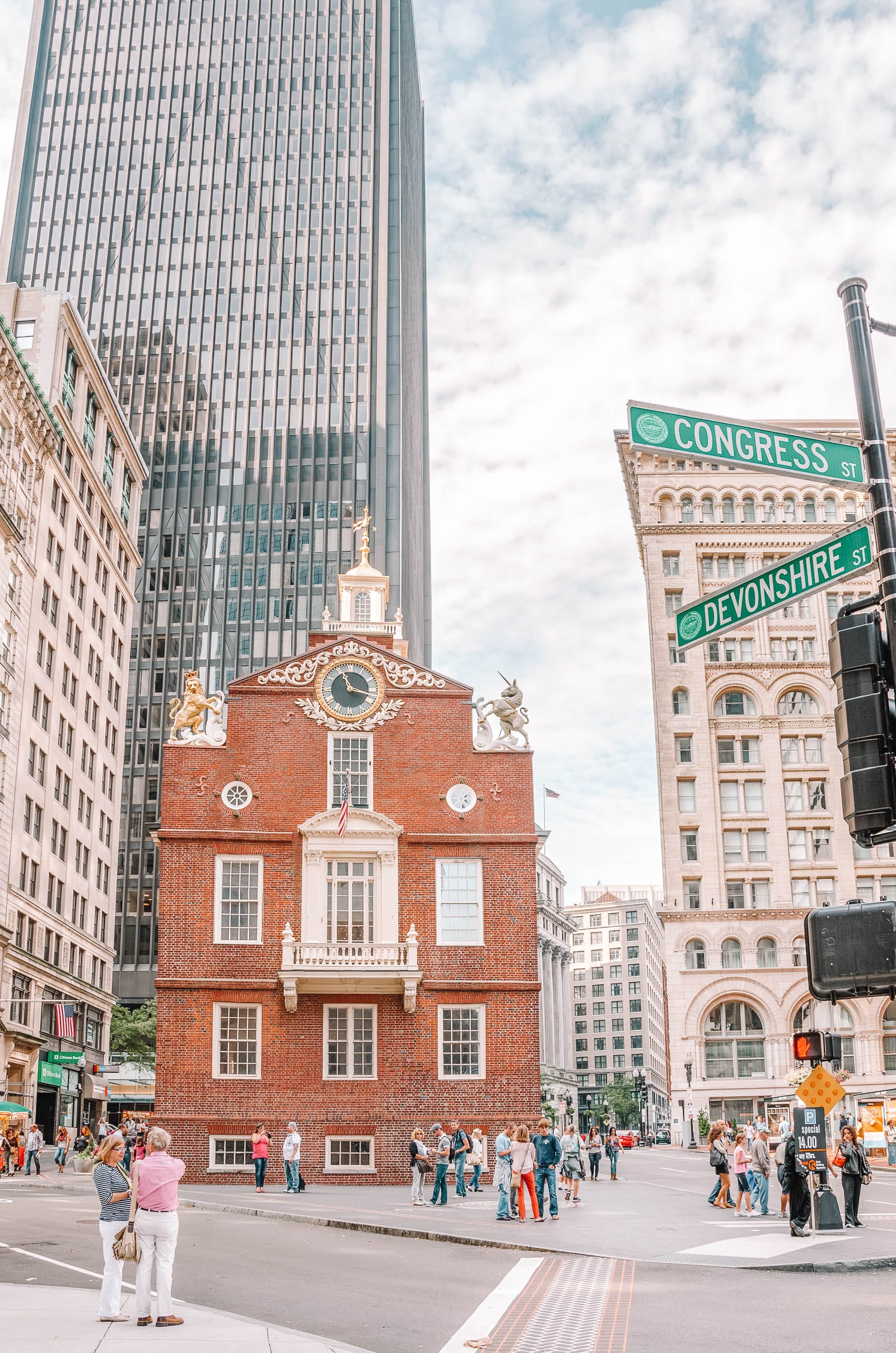
Among the trail’s many highlights are the Massachusetts State House, with its distinctive gold dome, and Park Street Church, known for its abolitionist speeches. Further along, you’ll encounter the Granary Burying Ground, the final resting place of notable figures like Paul Revere, Samuel Adams, and John Hancock. The Old State House, site of the Boston Massacre, stands as a testament to colonial grievances, while Faneuil Hall Marketplace, historically a public meeting place, continues to buzz with activity today. Crossing into the North End, the trail leads to the Paul Revere House, the oldest building in downtown Boston, and the Old North Church, from whose steeple the famous “one if by land, two if by sea” signal was sent. The journey concludes at the USS Constitution, America’s oldest commissioned warship afloat, and the towering Bunker Hill Monument in Charlestown, commemorating one of the early battles of the Revolutionary War. Each stop is a unique opportunity for cultural immersion, linking visitors directly to the historical narrative of the city.
A Taste of Boston: Culinary Journeys
Boston’s food scene is as diverse and historic as its landmarks, offering a rich array of local flavors and international influences. Exploring the city’s culinary landscape is an activity in itself, providing a delicious window into Boston’s unique cultural fabric. From fresh seafood to authentic Italian cuisine, there’s a dish to satisfy every palate.
Italian Delights in the North End
The North End, Boston’s oldest residential neighborhood, is a vibrant enclave renowned for its authentic Italian heritage. Strolling through its narrow, bustling streets is a sensory experience, with the aroma of garlic and fresh pasta wafting from countless ristorantes. This district offers an unparalleled opportunity for cultural tourism through food. Visitors can indulge in everything from classic pasta dishes at establishments like Mamma Maria or Giacomo’s Ristorante to artisanal pizzas and delectable cannolis. The pastry shops, such as Mike’s Pastry and Modern Pastry, are legendary, drawing long lines for their traditional Italian sweets. A food tour of the North End is highly recommended, allowing visitors to sample local specialties while learning about the neighborhood’s rich immigrant history and traditions.
Seafood Staples and Historic Eateries
Given its coastal location, Boston is synonymous with fresh, delectable seafood. Clam chowder, lobster rolls, and steamed mussels are quintessential Boston experiences. Legal Sea Foods is a regional institution, offering a consistently high-quality seafood experience in various locations across the city. For a truly historic dining adventure, a visit to the Union Oyster House, America’s oldest continuously operating restaurant, is a must. Here, you can savor oysters on the half shell and traditional New England fare in a setting that has hosted historical figures and countless locals since 1826. Exploring Boston’s seafood scene is not just about eating; it’s about participating in a local tradition deeply ingrained in the city’s identity, a key aspect of culinary tourism.
Cultural Immersion and Artistic Exploration
Beyond its revolutionary past and culinary prowess, Boston is a hub of arts, culture, and intellectual pursuits. The city boasts a collection of world-class museums, beautiful architectural districts, and vibrant performance venues that offer enriching activities for cultural tourists.
World-Class Museums and Galleries
Boston’s museum scene is remarkably rich. The Museum of Fine Arts (MFA) is one of the largest and most comprehensive art museums in the United States, housing nearly 500,000 works of art, from ancient to contemporary. Its diverse collections make it an essential stop for art lovers. Equally captivating is the Isabella Stewart Gardner Museum, an exquisite Venetian-style palace built around a central courtyard, featuring a stunning collection of art, tapestries, and decorative arts. The museum itself is a work of art and offers a unique, intimate cultural experience. For a more interactive and historical exploration, the Boston Tea Party Ships & Museum offers an immersive journey back to 1773, with reenactors and replica ships providing an engaging educational activity for all ages. These institutions provide deep dives into various aspects of human creativity and history, central to cultural tourism.
Beacon Hill’s Charm and Architectural Gems
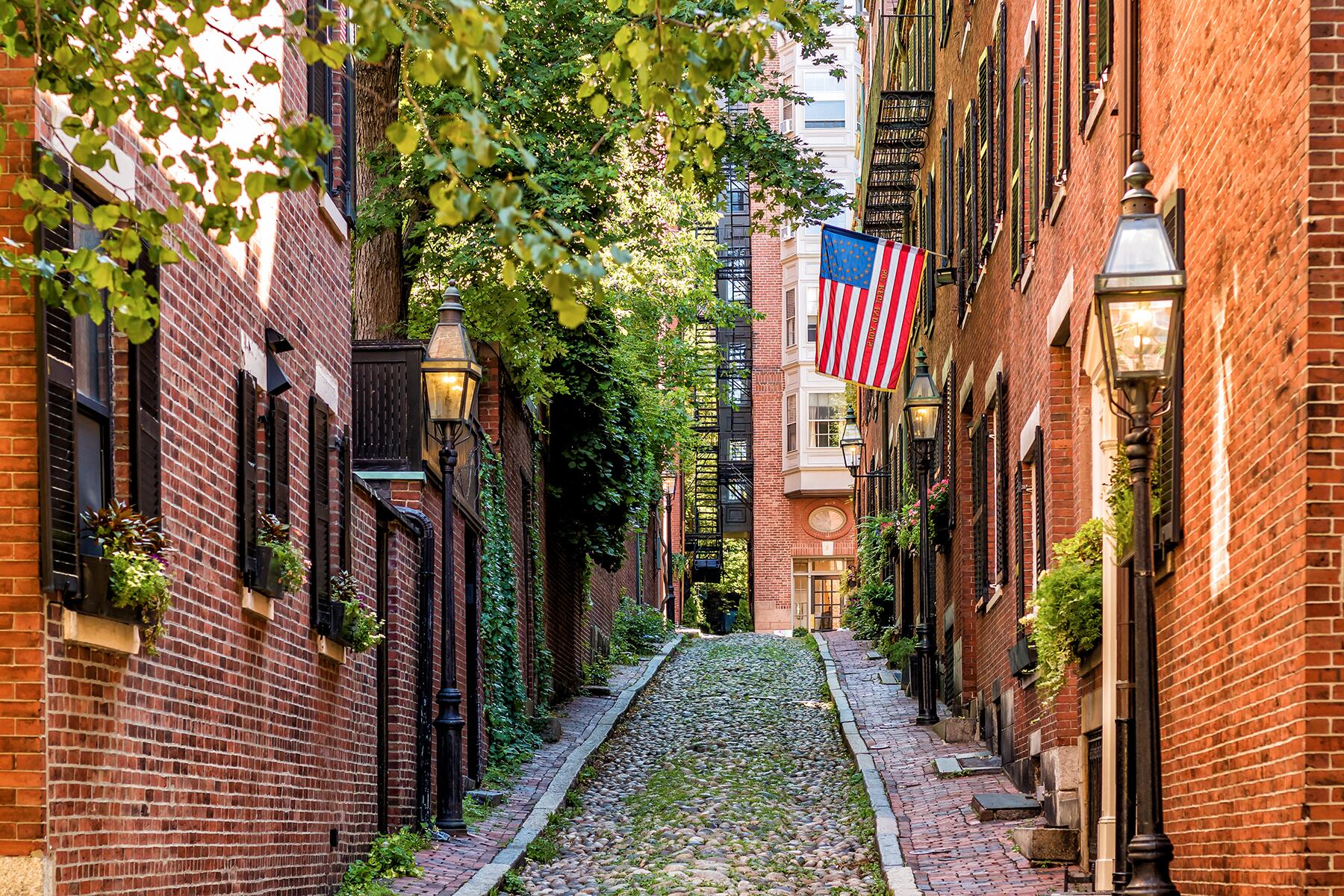
A stroll through Beacon Hill is an activity that transports visitors to another era. This historic neighborhood, characterized by its gas lamps, brick sidewalks, and elegant Federal-style row houses, is widely considered one of the most picturesque areas in the United States. Its quintessential beauty is best captured on Acorn Street, often cited as the “most photographed street in America.” The Massachusetts State House, with its iconic gold dome, presides over the neighborhood, while its charming boutiques and antique shops offer unique local culture experiences. Exploring Beacon Hill provides a glimpse into Boston’s architectural heritage and affluent past, a delightful cultural activity for those who appreciate aesthetics and history.
Waterfront Wonders and Urban Escapes
Boston’s connection to the water, both the Atlantic Ocean and the Charles River, shapes much of its identity and offers numerous recreational activities. From scenic cruises to sporting events, the city provides ample opportunities for urban escapes and unique experiences.
Charles River Recreation and Harbor Adventures
The Charles River esplanade offers a beautiful urban oasis for walking, jogging, and cycling, with stunning views of both Boston and Cambridge. Kayaking or paddleboarding on the Charles River provides a unique perspective of the city skyline. For a different kind of aquatic adventure, Boston Harbor offers a variety of boat tours. Whale watching excursions depart regularly, providing an incredible opportunity to observe marine life in their natural habitat, an exhilarating activity for nature lovers. Additionally, Boston Harbor Cruises offer scenic tours, sunset cruises, and ferry services to the Boston Harbor Islands National and State Park, perfect for a day trip filled with hiking, picnicking, and historical exploration. These activities highlight the dynamic interplay between Boston’s urban environment and its natural surroundings, offering both relaxation and adventure.
Sporting Spirit at Fenway Park
For sports enthusiasts, a pilgrimage to Fenway Park is an absolute must. Home to the Boston Red Sox since 1912, it is the oldest ballpark in Major League Baseball and an iconic symbol of Boston’s passionate sports culture. Attending a game is an electrifying experience, where the roar of the crowd and the smell of hot dogs create an unforgettable atmosphere. Even outside of baseball season, guided tours of Fenway Park are available, allowing visitors to explore the historic grounds, sit atop the famous Green Monster, and learn about the ballpark’s storied past. This activity offers a deep dive into American sports culture and the local identity of Boston, making it a significant draw for tourism.
Essential Tips for the Boston Explorer
To maximize your Boston tourism experience, a few practical tips can make all the difference, enhancing your enjoyment of the city’s local culture, activities, and food.
Navigating the City with Ease
Boston is a remarkably walkable city, especially its historic core. However, for longer distances or inclement weather, the city’s public transportation system, the MBTA (affectionately known as “the T”), is efficient and easy to use. The subway network connects most major attractions. Purchasing a CharlieCard or CharlieTicket for multiple rides can be cost-effective. For those planning to explore extensively, wearing comfortable walking shoes is paramount. Additionally, ride-sharing services and taxis are readily available. For specific activities like whale watching or tours, it’s wise to book tickets in advance, especially during peak season, to avoid disappointment.
Optimal Timing for Your Visit
The best time to visit Boston largely depends on your interests. Spring (April-May) offers pleasant weather, blooming flowers in the Boston Public Garden, and fewer crowds compared to summer. Summer (June-August) is vibrant and lively, with many outdoor festivals, harbor activities, and baseball games at Fenway Park, though it can be crowded and warm. Fall (September-October) is arguably the most picturesque, with spectacular foliage, crisp air, and comfortable temperatures, ideal for walking the Freedom Trail and exploring neighborhoods like Beacon Hill. Winter (November-March) can be cold and snowy but offers a unique charm, especially around the holidays, and provides opportunities for indoor cultural activities at museums without the crowds. Regardless of the season, Boston offers a distinct and enriching tourism experience that marries historical significance with contemporary charm.
LifeOutOfTheBox is a participant in the Amazon Services LLC Associates Program, an affiliate advertising program designed to provide a means for sites to earn advertising fees by advertising and linking to Amazon.com. Amazon, the Amazon logo, AmazonSupply, and the AmazonSupply logo are trademarks of Amazon.com, Inc. or its affiliates. As an Amazon Associate we earn affiliate commissions from qualifying purchases.