
Navigating the legal system to seek protection can be a daunting and emotionally challenging process, especially when facing threats or violence. In Florida, an “injunction for protection against domestic violence” is commonly referred to as a restraining order. This legal mechanism is designed to safeguard individuals from harm, whether it be physical violence, threats, harassment, or stalking. Understanding the procedures, requirements, and legal definitions involved is crucial for anyone considering this protective measure. This comprehensive guide aims to demystify the process, offering a professional, insightful, and engaging overview for those in need of protection within the state of Florida.
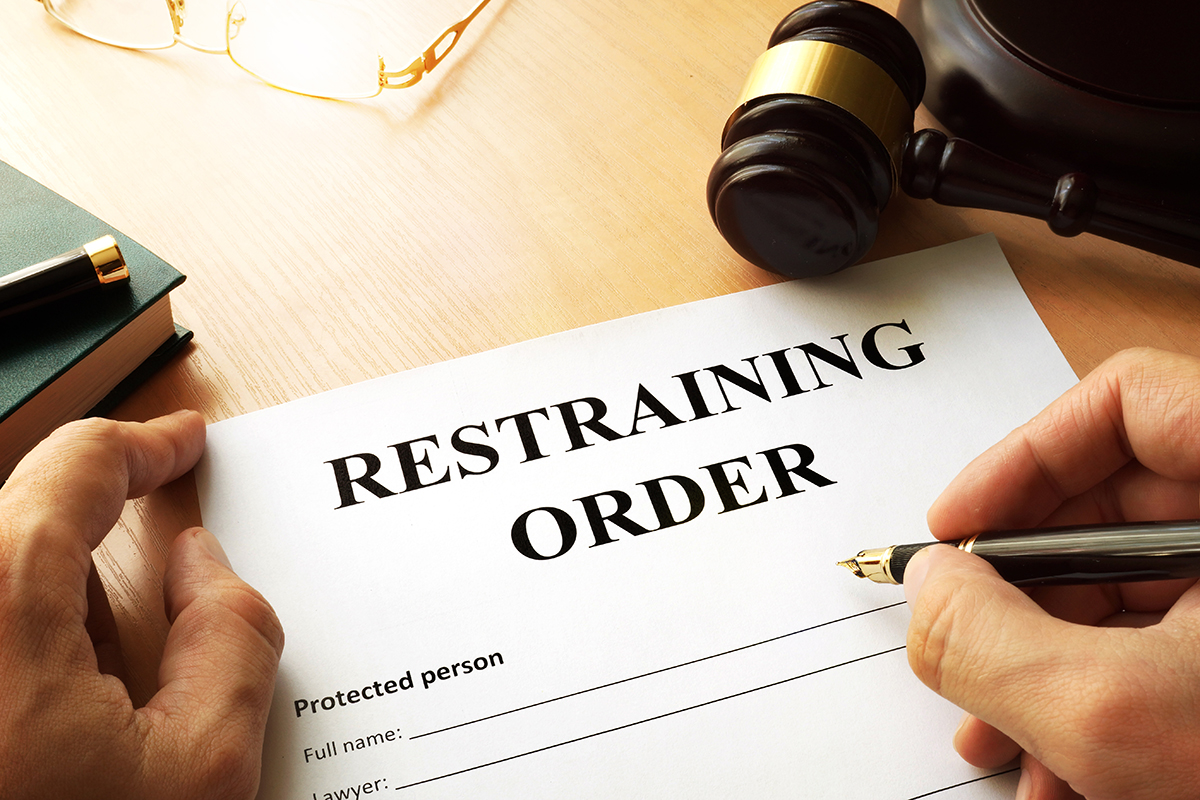
It is imperative to preface this guide by stating that the information provided herein is for general informational purposes only and does not constitute legal advice. If you are experiencing violence or threats, it is strongly recommended that you seek immediate assistance from law enforcement and consult with a qualified attorney to discuss your specific situation.
Understanding Injunctions for Protection in Florida
In Florida, injunctions for protection are civil court orders that prohibit a person from engaging in specific actions against another, such as contacting, harming, or coming near them. These orders are designed to provide immediate relief and long-term safety for victims of violence or harassment. Unlike criminal charges, which are brought by the state, an injunction is sought directly by the petitioner (the person seeking protection) through the civil court system.
Types of Injunctions Available
Florida law provides for several types of injunctions, each tailored to specific circumstances and relationships between the parties involved. Understanding which type applies to your situation is the first critical step:
- Domestic Violence Injunction: This is the most common type and applies to individuals who are family or household members. This includes spouses, former spouses, persons related by blood or marriage, persons who are presently residing together as if a family or who have resided together in the past as if a family, and persons who have a child in common regardless of whether they have been married or have resided together at any time. The violence must involve an assault, battery, sexual assault, sexual battery, stalking, kidnapping, false imprisonment, or any criminal offense resulting in physical injury or death of one family or household member by another.
- Repeat Violence Injunction: This injunction is for situations where there have been two incidents of violence within six months of each other, involving violence or stalking, but the parties do not meet the criteria for Domestic Violence. The incidents must involve different occurrences.
- Dating Violence Injunction: This applies to individuals who have been in a “dating relationship,” meaning a continuing and significant relationship of a romantic or intimate nature. The violence must also meet the criteria similar to Domestic Violence regarding the acts committed.
- Sexual Violence Injunction: This is for victims of sexual violence, regardless of the relationship with the perpetrator, where the perpetrator has been found guilty of a sexual offense, or the victim has reported the sexual violence to law enforcement and is cooperating in the criminal investigation or prosecution.
- Stalking Injunction: This applies when an individual has been subjected to a pattern of malicious course of conduct that causes substantial emotional distress to the victim and serves no legitimate purpose.
Eligibility and Grounds for an Injunction
To successfully file for an injunction in Florida, you must demonstrate to the court that you are in reasonable fear of becoming a victim of violence. The specific grounds required will depend on the type of injunction you are seeking.
Establishing the “Reasonable Fear” Criterion
The court will assess whether there is a “reasonable fear” of future violence. This is not about actual physical injury necessarily, but the apprehension of it. Evidence to support this can include:
- Physical abuse or threats of physical abuse.
- Past history of violence or threats from the respondent (the person against whom the injunction is sought).
- Harassment, intimidation, or menacing behavior.
- Stalking incidents, including repeated unwanted contact, surveillance, or following.
- Destruction of property.
- Verbal abuse accompanied by physical threats.
- Any other credible evidence that demonstrates a legitimate fear for your safety or the safety of your family.
It’s crucial to document all incidents thoroughly, including dates, times, locations, detailed descriptions of what occurred, and any witnesses. Photographs, text messages, emails, voicemails, and police reports can serve as vital evidence.
Who Can File?
Any person who meets the criteria for one of the injunction types can file a petition for injunction for protection. If the victim is a minor, a parent or legal guardian can file on their behalf. In some cases, adults who are incapacitated can also have an injunction filed for them by a guardian.
The Step-by-Step Filing Process
Filing for an injunction is a serious legal action that requires careful adherence to court procedures. While the process can vary slightly by county, the general steps remain consistent across Florida.
Step 1: Obtain and Complete the Petition
The process begins by obtaining the correct forms from the Clerk of Court in your county of residence or where the violence occurred. Forms are typically available at the courthouse or online through the Supreme Court of Florida website.
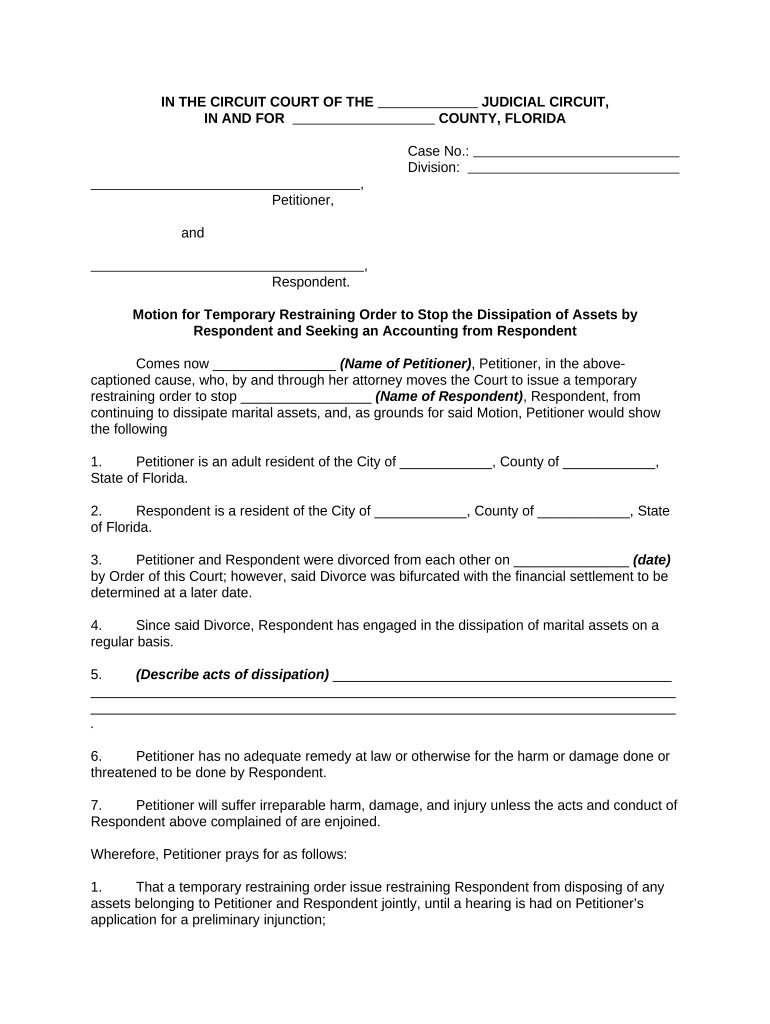
The primary document is the “Petition for Injunction for Protection Against Domestic Violence” (or similar for other violence types). You must fill out this form accurately and comprehensively, detailing every incident of violence, threats, or harassment. Be specific with dates, times, and descriptions. It is critical to include all relevant information that demonstrates your fear and the need for protection. Do not omit any details, as these forms are submitted under oath.
Step 2: File the Petition with the Clerk of Court
Once completed, take your petition to the Clerk of Court in the Circuit Court for the county where you reside or where the violence occurred. There are no filing fees for injunctions for protection. The clerk will assist you in formally filing the petition.
Step 3: The Ex Parte Hearing
After filing, you will typically have an immediate, or “ex parte,” hearing with a judge. This hearing is usually held the same day you file or the next business day. During this hearing, only you (the petitioner) and the judge will be present. The judge will review your petition and sworn testimony to determine if there is an immediate and present danger of Domestic Violence (or other specified violence type) that warrants emergency protection.
If the judge finds sufficient evidence of immediate danger, they will issue a Temporary Ex Parte Injunction. This temporary order provides immediate protection until a full hearing can be held where both parties are present. It is crucial to note that this temporary order is generally effective for a short period, typically 15 days, to allow time for the respondent to be formally served with the petition and notice of the Final Hearing.
What Happens After Filing?
The process does not end with the issuance of a temporary injunction. Several critical steps follow to ensure the protection is formalized and enforced.
Service of Process
Once a Temporary Ex Parte Injunction is issued, the respondent must be legally “served” with a copy of the petition and the temporary order, along with a notice of the date and time of the Final Hearing. Service is typically carried out by the county sheriff’s office and is a crucial step. The injunction cannot be enforced until the respondent has been properly served and is aware of its terms. If the respondent cannot be located and served, the court may extend the temporary injunction to allow more time for service.
The Final Hearing
The Final Hearing is a formal court proceeding where both the petitioner and the respondent have the opportunity to present their case, evidence, and witnesses. This hearing is often scheduled within 15 days of the temporary injunction being issued.
During the Final Hearing:
- You (the petitioner) will present your testimony and evidence, explaining why you need the injunction.
- The respondent will have an opportunity to present their side, challenging your claims or offering a defense.
- The judge will listen to both sides, review all presented evidence, and decide whether to issue a permanent injunction.
If the judge finds by a preponderance of the evidence that violence has occurred or that there is a reasonable fear of future violence, they will issue a permanent injunction for protection. This order can be in effect for a specified period or permanently, depending on the severity of the case and the judge’s discretion. A permanent injunction outlines specific prohibitions, such as no contact, no coming within a certain distance, and sometimes even temporary custody arrangements for children.
Enforcement of the Injunction
Once a final injunction is issued and the respondent has been served, it is a legally binding court order. If the respondent violates any terms of the injunction, contact law enforcement immediately. Violating an injunction for protection is a criminal offense in Florida, typically a first-degree misdemeanor, and can result in arrest and criminal charges. Always keep a copy of your injunction with you.
Important Considerations and Resources
The journey to secure an injunction for protection can be complex and emotionally taxing. Knowing where to turn for support and additional guidance is essential.
Seeking Legal Counsel
While you can file for an injunction without an attorney, having legal representation is highly recommended. An attorney specializing in family law or injunctions for protection can:
- Help you accurately complete the necessary forms.
- Advise you on what evidence is relevant and how to present it effectively.
- Represent you during the ex parte and Final Hearing, ensuring your rights are protected and your case is presented clearly.
- Navigate the complexities of civil process and court procedures.
Organizations like Legal Aid Societies in various Florida counties (e.g., in Miami, Orlando, Tampa, Jacksonville, or Tallahassee) may offer pro bono or low-cost legal services to eligible individuals.
Safety Planning
Regardless of your legal action, it’s crucial to have a safety plan in place. This includes:
- Identifying safe places to go.
- Having an emergency contact list.
- Packing an emergency bag with essentials (documents, medication, clothes).
- Informing trusted friends, family, and employers about the situation and the injunction.
- Changing locks, security codes, and routes if necessary.
Victim Support Services
Many organizations across Florida provide support services to victims of Domestic Violence and other forms of violence. These services can include counseling, shelter, advocacy, and assistance with safety planning. A few examples include:
- Florida Coalition Against Domestic Violence: This statewide organization provides resources and a helpline.
- Local Domestic Violence Shelters: Many counties, such as Broward County, Duval County, Hillsborough County, Orange County, Palm Beach County, and Pinellas County, have local centers offering crucial support.
- Local Law Enforcement Agencies: Police departments and sheriff’s offices can offer immediate protection and guide you to local resources.
Filing a restraining order in Florida is a critical step towards ensuring personal safety and well-being. While challenging, understanding the process and leveraging available resources can empower individuals to navigate the legal system effectively and secure the protection they need. Remember, your safety is paramount, and help is available.
LifeOutOfTheBox is a participant in the Amazon Services LLC Associates Program, an affiliate advertising program designed to provide a means for sites to earn advertising fees by advertising and linking to Amazon.com. Amazon, the Amazon logo, AmazonSupply, and the AmazonSupply logo are trademarks of Amazon.com, Inc. or its affiliates. As an Amazon Associate we earn affiliate commissions from qualifying purchases.