
Embracing a professional role that offers flexibility, community engagement, and a significant contribution to the state’s vibrant commerce can be a powerful lifestyle choice. Becoming a Notary Public in California is precisely such an opportunity, enabling individuals to support critical legal and business transactions while carving out a niche that complements their personal and professional aspirations. This guide delves into the comprehensive process of becoming a commissioned Notary Public in the Golden State, detailing the steps, requirements, and the profound impact this role can have on your lifestyle and the broader community.
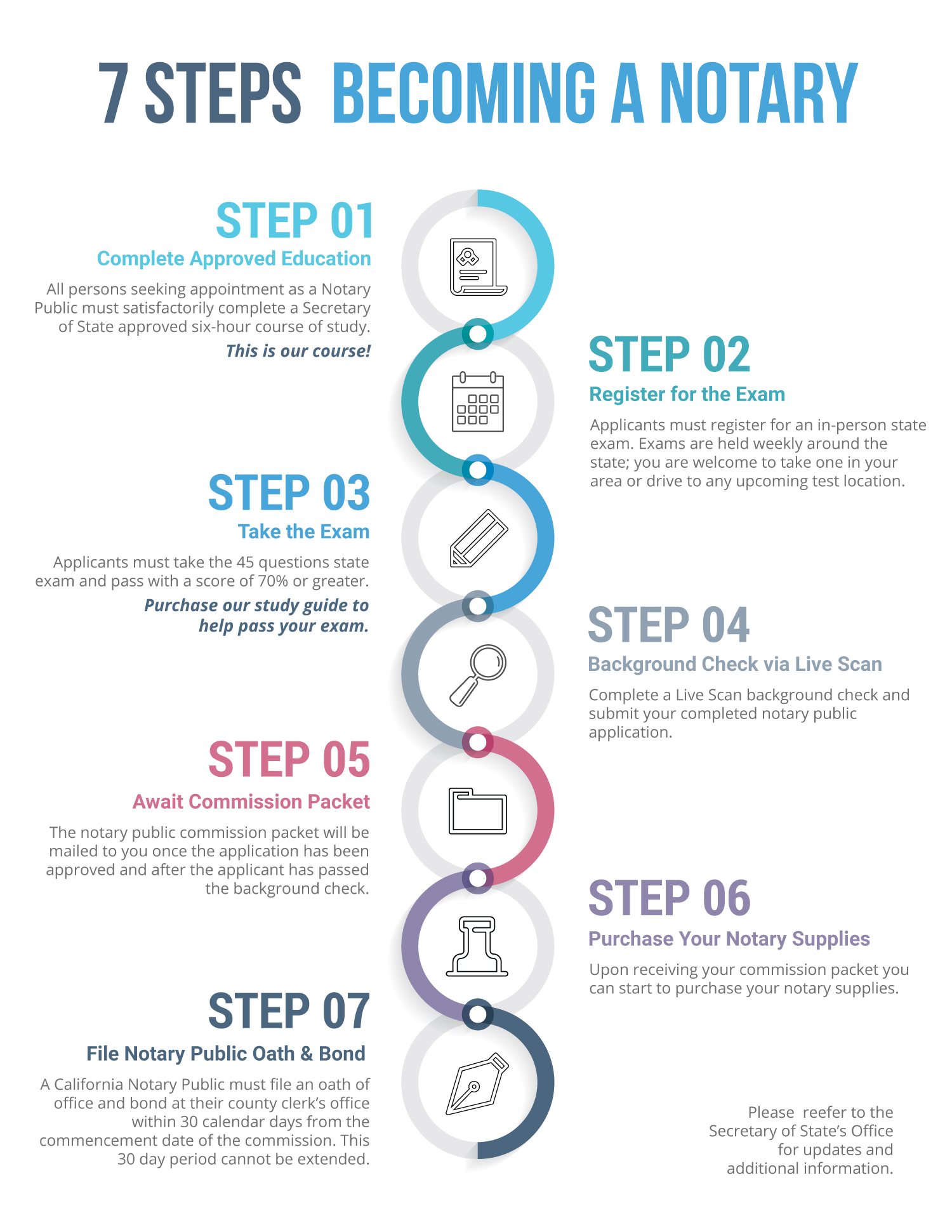
Embracing a Professional Lifestyle: Why Become a Notary in California?
The decision to pursue a notary commission in California is often driven by a desire for a flexible career path, an additional income stream, or a way to engage meaningfully with the local community. It’s a role that perfectly aligns with a lifestyle emphasizing autonomy and professional service.
The Role and Impact of a Notary Public
A Notary Public serves as an impartial witness to the signing of important documents, verifying the identity of the signers, and ensuring they are signing voluntarily and are aware of the document’s contents. This seemingly straightforward function is foundational to the integrity of countless legal, financial, and personal transactions. From real estate deeds in Los Angeles and San Francisco to power of attorney documents in San Diego or wills drafted in Sacramento, the Notary Public’s seal provides a layer of authenticity and trust. In a bustling state like California, with its dynamic economy and diverse population, the demand for competent and reliable notaries is constant. For those committed to upholding legal standards and protecting against fraud, this role offers a deep sense of purpose and professional satisfaction.
Lifestyle Benefits: Flexibility and Supplemental Income
One of the most attractive aspects of becoming a Notary Public is the unparalleled flexibility it offers. Unlike many traditional 9-to-5 jobs, notary work can often be tailored to fit your existing schedule. Whether you’re a stay-at-home parent looking for part-time engagement, a professional seeking a lucrative side hustle, or an entrepreneur building a mobile notary business, the role adapts. This flexibility allows individuals to balance work with other life priorities, contributing to a well-rounded and less stressful lifestyle. Furthermore, the income potential for notaries, especially those who specialize in areas like loan signings or mobile services, can be substantial, providing a valuable supplement to household earnings or even serving as a primary source of income for dedicated professionals. Cities like Oakland, Long Beach, and Fresno, with their diverse communities, offer fertile ground for building a thriving notary practice.
Contributing to the Community and Commerce
Beyond personal benefits, serving as a Notary Public is a direct contribution to the smooth functioning of society and commerce. Notaries are essential facilitators, helping individuals and businesses complete critical transactions securely and efficiently. They play a vital role in real estate, healthcare, finance, and legal sectors, ensuring that the legal process remains accessible and trustworthy for everyone. By preventing fraud and ensuring proper documentation, notaries uphold the rule of law and protect citizens from potential exploitation. This civic duty, combined with the professional opportunities, makes becoming a Notary Public a fulfilling endeavor that positively impacts both the individual and the wider community in California.
Navigating the California Notary Application Process
Embarking on the journey to become a Notary Public in California requires careful attention to detail and adherence to specific state guidelines. The process is designed to ensure that all commissioned notaries are knowledgeable, trustworthy, and capable of performing their duties impartially.
Essential Eligibility Requirements
Before anything else, prospective notaries must meet the fundamental eligibility criteria set forth by the California Secretary of State. These requirements are non-negotiable and form the bedrock of a legitimate commission. Applicants must be at least 18 years old, a legal resident of California, and able to read, write, and understand English. Crucially, applicants must not have been convicted of a felony or any other disqualifying offense, as this role demands an impeccable ethical standing. A thorough background check is an integral part of the application, designed to verify the applicant’s suitability for a position of public trust.
Education and Examination: Laying the Foundation
To ensure all notaries possess a standardized level of knowledge, California mandates specific educational and testing requirements. All first-time applicants are required to complete a six-hour approved course of study. This course covers the laws, regulations, and best practices governing notary publics in California. It’s an intensive program designed to equip individuals with the knowledge necessary to perform their duties competently and ethically. Following the education, applicants must pass a proctored written examination administered by the Secretary of State’s vendor. This exam tests comprehension of the course material and ensures readiness to handle real-world notarizations. Success in both the education and examination phases demonstrates a commitment to professional excellence and regulatory compliance.
Background Check and Application Submission
Upon successful completion of the education and examination, the next critical step is the background check. All applicants must submit a set of fingerprints for a live scan background check, which is forwarded to the California Department of Justice and the Federal Bureau of Investigation. This rigorous vetting process is paramount to maintaining the integrity of the notary public office. Simultaneously, applicants will prepare and submit their Notary Public Application to the Secretary of State’s office. This application includes personal details, exam results, and declarations regarding eligibility. Precision and honesty in this submission are vital, as any discrepancies or omissions can lead to delays or rejection.
The Path to Commissioning: From Application to Oath
Once your application and background check are successfully processed, the final stages involve securing your bond, obtaining your seal, and formally taking your oath of office. These steps officially activate your commission, allowing you to begin your notary practice.
Surety Bond and Notary Public Journal
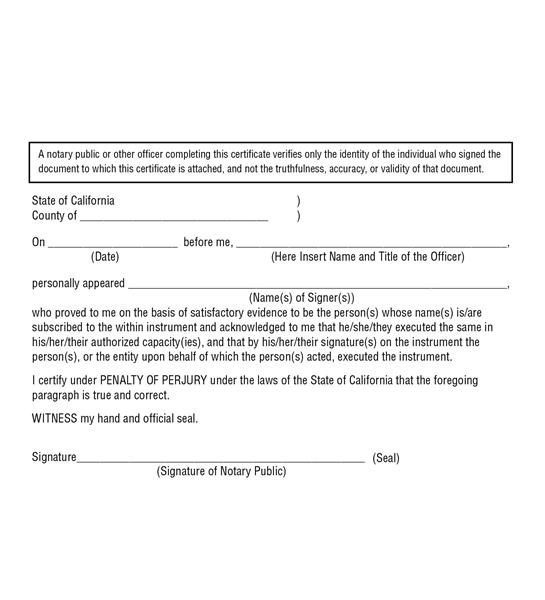
A California Notary Public is required by law to obtain a $15,000 surety bond. This bond is not insurance for the notary, but rather a protection for the public against potential damages caused by notary misconduct or negligence. It ensures that if a notary acts improperly and causes financial harm, the injured party can seek recompense up to the bond amount. Obtaining this bond from an authorized surety company is a mandatory step before receiving your commission. In conjunction with the bond, notaries must also acquire a Notary Public Journal. This journal is a critical record-keeping tool where every notarization performed is meticulously documented. The journal ensures transparency, provides an audit trail, and helps protect both the notary and the public. Selecting a compliant journal that meets all California specifications is essential.
The Official Seal and Notary Public Commission
Upon approval of your application, the Secretary of State will mail you your official Notary Public Commission packet. This packet contains your commission certificate, which officially recognizes you as a commissioned notary. With this certificate in hand, you are then authorized to purchase your official notary seal. The seal is a critical tool, legally required for all notarizations, and it must contain specific information, including your name, the words “Notary Public,” the state seal, your commission expiration date, and your commission number. It’s crucial to obtain a seal that adheres strictly to California design requirements from an approved vendor. The seal, along with your journal, are the physical instruments of your office.
Taking the Oath of Office and Filing Your Bond
The final, official steps to activate your commission involve taking an oath of office and filing your surety bond. Within 30 days of the commencement date of your commission, you must present your commission certificate, bond, and oath of office to the county clerk in the county where your principal place of business is located (e.g., San Jose, Santa Ana, Riverside, or Irvine). The county clerk will then administer the official oath of office, affirming your commitment to faithfully perform your duties. After taking the oath, you must immediately file both your oath and your bond with the county clerk. Your commission is not officially valid until both these documents are properly filed. Once these steps are completed, you are legally empowered to perform notarizations in California.
Sustaining Your Notary Public Practice in California
Becoming a Notary Public is just the beginning; maintaining your commission and ensuring compliance requires ongoing effort. A successful notary integrates continuous learning and ethical practices into their professional lifestyle.
Continuous Education and Compliance
The legal landscape is dynamic, and California notary laws can evolve. Therefore, continuous education isn’t just a recommendation but often a necessity for staying compliant and proficient. While specific renewal education requirements vary, staying informed through official Secretary of State newsletters, notary associations, and updated training courses is paramount. This commitment to ongoing learning ensures that your notary practice remains current with the latest regulations, preventing errors and protecting both you and the public you serve. Ignorance of the law is not a defense, making proactive education a cornerstone of responsible notary practice.
Ethical Conduct and Best Practices
The integrity of the notary public office hinges on ethical conduct. Notaries are impartial witnesses and must avoid conflicts of interest, never notarize documents in which they have a financial or beneficial interest, and always prioritize public protection over personal gain. Adhering to best practices, such as meticulous journal keeping, carefully verifying identities, and understanding the scope and limitations of your authority, safeguards your commission and reputation. Upholding these ethical standards builds trust within the community and reinforces the value of your services as a professional.
Renewing Your Notary Commission
A California Notary Public commission is valid for four years. To maintain your active status, you must apply for reappointment before your current commission expires. The renewal process is similar to the initial application but includes a mandatory three-hour refresher course (for those who have previously been commissioned). You will still need to pass the examination, complete a background check, and file a new bond and oath of office. Planning ahead for your renewal ensures a seamless transition and avoids any lapse in your ability to perform notarizations.
The Broader Lifestyle Impact: Opportunities for Notaries in California
Beyond traditional notarization, a California Notary Public commission can open doors to diverse professional opportunities, significantly enhancing your lifestyle choices and entrepreneurial ventures.
Expanding Your Notary Services: Loan Signing Agent and Beyond
Many notaries choose to specialize, with becoming a Certified Loan Signing Agent (LSA) being one of the most popular and lucrative avenues. LSAs specialize in notarizing loan documents for real estate transactions, often working with title companies, lenders, and signing services. This specialization requires additional training and certification but offers significantly higher earning potential and demand, particularly in California’s active real estate market. Beyond loan signings, notaries can also find opportunities in apostille services, mobile notary services, or working within legal, medical, or financial institutions, each offering a unique set of skills and client bases that align with different professional lifestyles.
Networking and Building a Notary Business
For those embracing an entrepreneurial lifestyle, a notary commission can be the foundation of a thriving small business. Networking with local businesses, real estate agents, attorneys, and medical offices can help establish a steady stream of clients. Building an online presence, utilizing social media, and joining professional notary associations can further expand your reach. A well-managed notary business offers the ultimate in work-life balance and financial independence, allowing you to be your own boss and dictate your terms of service.

Integrating Notary Services into Diverse Lifestyles
Whether you aim to provide services as part of a larger career, establish a full-time mobile notary business, or simply serve your immediate community, a California Notary Public commission offers a unique blend of professional challenge and personal freedom. It’s a role that transcends a mere job, becoming an integral part of a self-determined lifestyle focused on service, integrity, and continuous growth within the dynamic landscape of California.
LifeOutOfTheBox is a participant in the Amazon Services LLC Associates Program, an affiliate advertising program designed to provide a means for sites to earn advertising fees by advertising and linking to Amazon.com. Amazon, the Amazon logo, AmazonSupply, and the AmazonSupply logo are trademarks of Amazon.com, Inc. or its affiliates. As an Amazon Associate we earn affiliate commissions from qualifying purchases.