
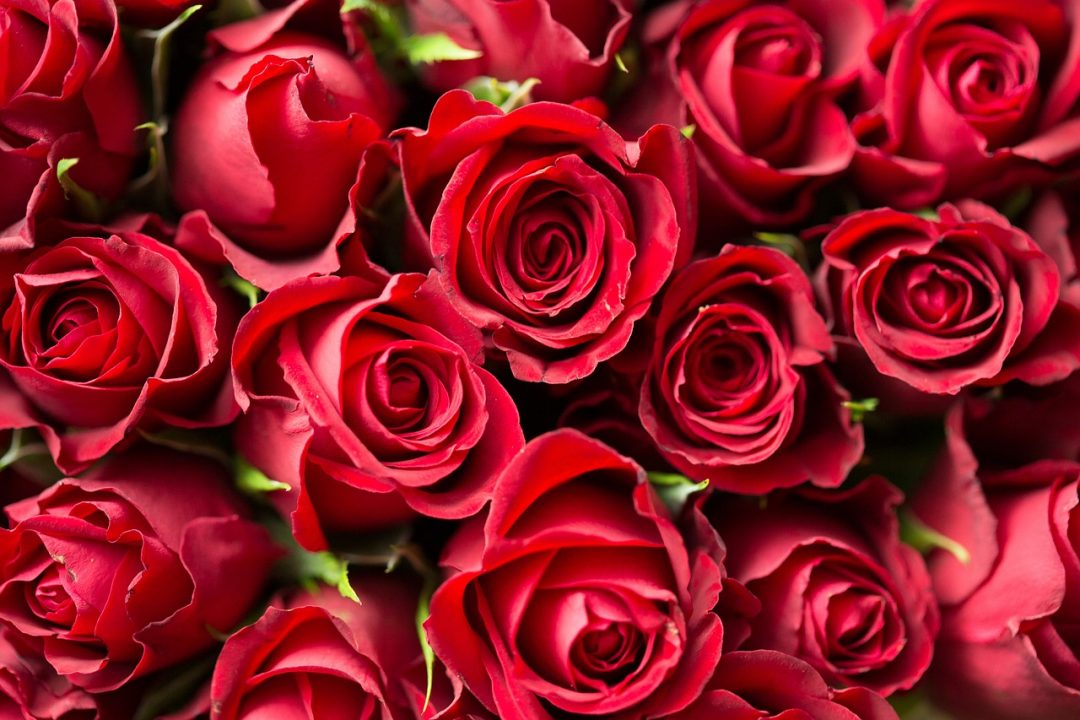
The state flower of New York State is a subject that, while seemingly simple, opens a window into the state’s natural heritage and the considerations that lead to official designations. Often, the choice of a state symbol is not merely an arbitrary decision but a reflection of historical significance, botanical importance, or widespread recognition within the state’s diverse landscapes. In the case of New York, the official state flower is the Rose. This elegant and enduring bloom holds a special place in the hearts of New Yorkers and has done so for decades.
The Rose: A Symbol of Beauty and Resilience
The selection of the Rose as the official state flower of New York was a deliberate choice, recognizing its widespread cultivation and appreciation across the state. While many different varieties of roses exist, the designation generally refers to the Rosa genus, encompassing a broad spectrum of colors, fragrances, and growth habits. From the manicured gardens of suburban homes to the wilder, more tenacious varieties found along scenic byways, the rose is a familiar and beloved sight throughout New York. Its enduring popularity speaks to its multifaceted appeal, representing not only beauty and romance but also strength and perseverance.
A Rich History of Cultivation
The cultivation of roses in New York dates back centuries, with early settlers and subsequent generations nurturing these blooms in their gardens. The favorable climate in many regions of the state allows for a remarkable diversity of rose species and cultivars to thrive. Historically, roses have been integral to the aesthetic of many New York landscapes, adorning the grounds of historic estates, public parks, and private residences alike. The dedication to growing and appreciating roses has fostered a deep connection between the people of New York and this particular flower, making its designation as the state flower a fitting tribute to a long-standing relationship.
Varied Species and Their Significance
The genus Rosa is incredibly diverse, with hundreds of species and tens of thousands of cultivated varieties. While the state designation doesn’t pinpoint a single specific type of rose, certain varieties have become particularly synonymous with the region. For instance, the wild rose species, often found blooming along roadsides and in naturalized areas, possess a hardy resilience that mirrors the spirit of New York. These native or naturalized roses, often with their simpler, more delicate blooms, are a testament to the wild beauty that can be found even amidst developed areas. Simultaneously, hybrid teas, floribundas, and climbing roses are meticulously cultivated in gardens across the state, showcasing the refined elegance that the rose also represents. This duality—the wild beauty of naturalized roses and the cultivated perfection of garden varieties—underscores the rose’s broad appeal and its suitability as a unifying symbol for New York.
The Legislative Journey to State Flower Status
The designation of a state flower is typically a legislative process, requiring formal adoption by the state’s government. The journey of the rose to becoming the official state flower of New York involved advocacy and recognition of its cultural and botanical importance. This process highlights how symbols are chosen to represent the collective identity and natural heritage of a state.
Early Efforts and Advocacy
The movement to designate a state flower often begins with grassroots efforts, involving garden clubs, horticultural societies, and interested citizens who champion a particular bloom. For the rose in New York, such advocacy likely played a crucial role. These groups would have highlighted the rose’s widespread presence, its aesthetic appeal, and its historical significance in the state. The shared passion for this flower would have been articulated and presented to lawmakers, building a case for its official recognition.
Official Proclamation and its Meaning
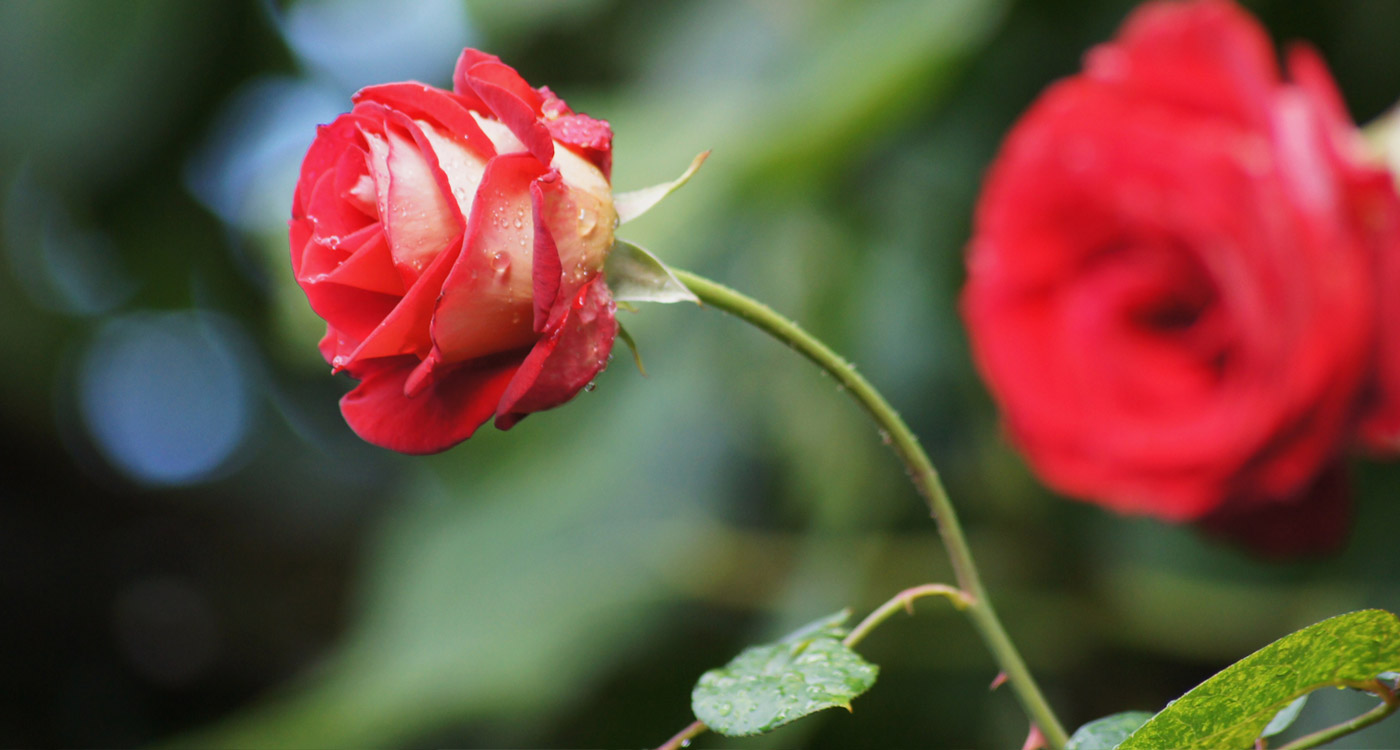
The formal legislative act that designates the rose as the state flower of New York imbues it with official status. This proclamation is more than just a symbolic gesture; it serves to promote and protect the natural resources of the state and to foster civic pride. The rose, now officially recognized, becomes a point of reference in educational materials, a recurring motif in state-related art and literature, and a symbol that can be celebrated during state holidays and events. Its presence on official seals or in state parks can further solidify its role as a recognized emblem of New York.
The Rose’s Enduring Appeal in New York
Beyond its official status, the rose continues to hold a profound and enduring appeal for the people of New York. Its presence in various aspects of life, from personal gardens to public spaces, solidifies its connection to the state’s identity.
From Personal Gardens to Public Parks
Across New York, from the bustling streets of New York City to the tranquil countryside of the Adirondacks, roses are cultivated with care. Homeowners lovingly tend to their rose bushes, adding bursts of color and fragrance to their yards. Public spaces also benefit from the rose’s beauty. Parks in cities like Rochester and Buffalo often feature dedicated rose gardens, providing residents and visitors with opportunities to admire these exquisite blooms. These spaces become destinations in themselves, attracting individuals who appreciate the horticultural artistry and the simple pleasure of a walk amongst vibrant flowers.
Cultural and Symbolic Significance
The rose’s symbolism transcends its botanical attributes. Universally, it is associated with love, beauty, and passion. In New York, these themes resonate deeply. The rose can be seen as a metaphor for the state itself—a place of diverse beauty, passion, and enduring strength. Its presence in art, literature, and popular culture further cements its place in the state’s collective consciousness. Whether featured in a classic novel set in Manhattan or a landscape painting depicting the beauty of the Hudson Valley, the rose serves as a gentle yet potent reminder of the aesthetic richness and emotional depth that New York embodies.
Exploring Rose Gardens and Natural Habitats in New York
For those who wish to connect with the state flower on a deeper level, New York offers numerous opportunities to see roses in their varied glory. From meticulously curated botanical gardens to the untamed beauty of natural settings, the state provides a landscape where the rose truly flourishes.
Renowned Botanical Gardens
Several of New York’s premier botanical gardens are excellent places to experience a wide array of rose species and cultivars. The New York Botanical Garden in Bronx is a world-renowned institution that boasts extensive collections, often featuring dedicated rose gardens that are at their peak in late spring and summer. Similarly, the Buffalo and Erie County Botanical Gardens offer a stunning display of horticultural diversity, including a vibrant selection of roses. These gardens are not just places of beauty; they are centers for education and conservation, allowing visitors to learn about the history and cultivation of roses, including those native to or historically significant in New York.
Natural Encounters with Wild Roses
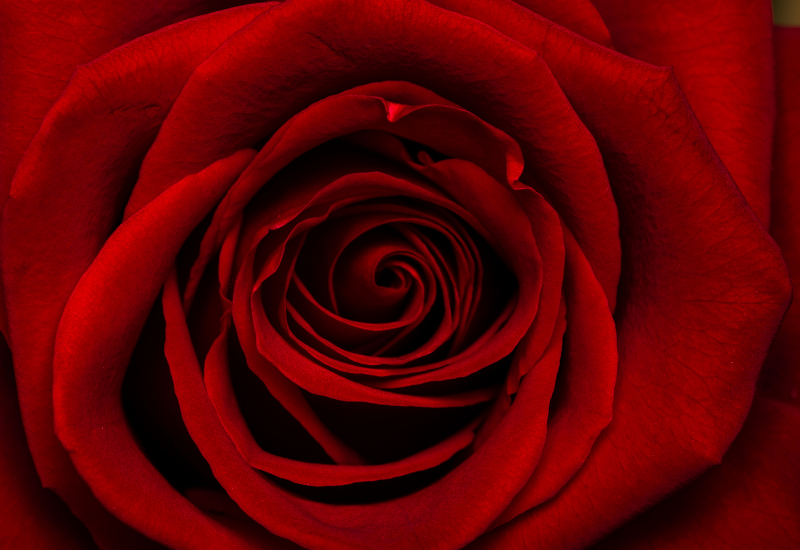
Beyond the formal settings of botanical gardens, the wild rose offers a more serendipitous encounter with New York’s state flower. As one travels through the state, particularly during the warmer months, keep an eye out for these resilient blooms along rural roadsides, in meadows, and near coastlines. The native pasture rose (Rosa carolina) and climbing rose (Rosa setigera) are examples of wild varieties that add natural charm to the New York landscape. These less cultivated forms, with their simpler beauty and tenacious spirit, are a powerful reminder of the natural heritage that the official state flower represents. Exploring state parks like Letchworth State Park or driving along scenic routes in the Catskills can often lead to delightful discoveries of these wild blooms, offering a more intimate connection to the state’s floral emblem.
LifeOutOfTheBox is a participant in the Amazon Services LLC Associates Program, an affiliate advertising program designed to provide a means for sites to earn advertising fees by advertising and linking to Amazon.com. Amazon, the Amazon logo, AmazonSupply, and the AmazonSupply logo are trademarks of Amazon.com, Inc. or its affiliates. As an Amazon Associate we earn affiliate commissions from qualifying purchases.