
Maintaining your civic duties is an integral part of a responsible and engaged lifestyle, regardless of where life’s journey takes you. For residents of the Sunshine State, understanding how to secure an absentee ballot in Florida is crucial for ensuring your voice is heard in elections, even if you’re traveling, temporarily relocated, or simply prefer the convenience of voting from home. This comprehensive guide provides an insightful, step-by-step overview of the process, empowering every eligible voter to participate effectively in Florida’s democratic process.
Understanding Absentee Voting in Florida
Absentee voting, often referred to as vote-by-mail, offers unparalleled flexibility for busy professionals, snowbirds, students, and anyone whose lifestyle demands convenience. It allows registered voters to cast their ballot without needing to visit a polling place on Election Day. Florida has streamlined this process to make it as accessible as possible, reflecting a commitment to broad civic participation.
What is an Absentee Ballot?
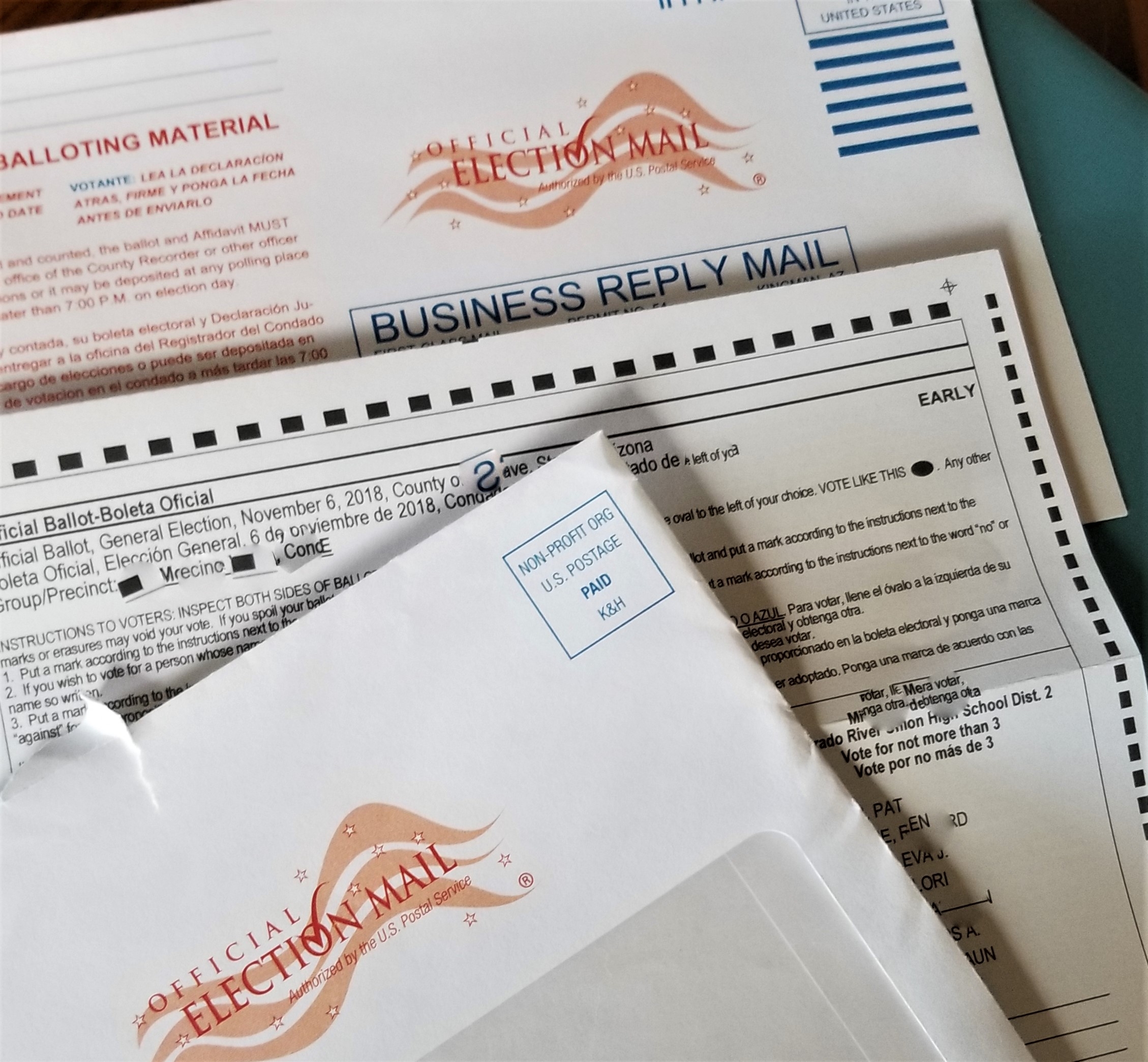
An absentee ballot is essentially a physical ballot sent directly to your registered mailing address, or another specified address, allowing you to vote from a location of your choosing. Once completed, the ballot is returned to the Supervisor of Elections office in your respective county, typically via mail or secure drop box. This method is particularly beneficial for those with unpredictable schedules, individuals with mobility challenges, or citizens living a more nomadic lifestyle who might be away from their registered precinct on Election Day. It’s a testament to how modern civic engagement can adapt to diverse personal circumstances.
Who is Eligible?
In Florida, any registered voter is eligible to request an absentee ballot without needing to provide a specific reason. This inclusive policy ensures that whether you’re on an extended vacation, working remotely from another state, or simply prefer the comfort and privacy of your home, your right to vote remains unhindered. Eligibility hinges primarily on being a currently registered voter in the state. If you’ve recently moved, it’s vital to update your voter registration to your current address to ensure your ballot is sent to the correct location and you are voting in the proper jurisdiction, such as Miami-Dade County or Orange County. This commitment to updated information is a key part of responsible citizenship.
The Application Process: Step-by-Step
Requesting an absentee ballot in Florida is a straightforward process, designed for maximum convenience. Voters have several avenues through which they can submit their request, ensuring that diverse preferences and logistical needs are met. Understanding these options and adhering to crucial deadlines are paramount for a seamless voting experience.
Online Application
The easiest and most common way to request an absentee ballot is through your county’s Supervisor of Elections website. Every county in Florida maintains a dedicated online portal where registered voters can submit their requests. This usually involves entering your name, date of birth, and residential address to verify your identity. The online system is intuitive, user-friendly, and provides instant confirmation of your request, making it the preferred method for many tech-savvy citizens. This digital convenience aligns perfectly with a modern, efficient lifestyle.
Mail, Email, or Fax Application
For those who prefer traditional methods or may not have consistent internet access, absentee ballot requests can also be submitted via mail, email, or fax. You can typically find a printable request form on your county’s Supervisor of Elections website. This form requires similar identifying information and a signature. Once completed, you can mail it to the appropriate county office, send it as an email attachment, or transmit it via fax. It’s crucial to ensure your signature matches the one on file with your voter registration to avoid any delays or issues. When using these methods, always factor in delivery times to meet the application deadlines.
In-Person Application
If you find yourself near your county’s Supervisor of Elections office, you can also request an absentee ballot in person. This can be particularly useful if you need immediate assistance or have questions about the process. While you can pick up a ballot for yourself, picking one up for another person (even a family member) usually requires a written request from that person and might have specific limitations. Checking with your local office beforehand is always advisable to understand any specific requirements. This direct approach offers a personalized touch for those who prefer face-to-face interaction.
Key Deadlines to Remember
Adhering to deadlines is critical when requesting and returning your absentee ballot. A request for a vote-by-mail ballot must be received by the Supervisor of Elections no later than 5:00 p.m. on the 10th day before an election. For example, if an election is on a Tuesday, the deadline would typically be the Saturday ten days prior. While you can request a ballot for a specific election, you can also make a request for all elections through the next two general election cycles, offering long-term convenience. Marking your calendar for these dates is a simple yet effective way to ensure your participation in every electoral cycle.
Receiving and Returning Your Ballot
Once your request for an absentee ballot has been processed, the next steps involve receiving your ballot, completing it accurately, and returning it securely. Each of these stages is designed to protect the integrity of your vote while providing maximum accessibility.

Ballot Delivery Methods
Absentee ballots are typically mailed by the US Postal Service to the address you provided in your request. If you requested a ballot to be sent to an address different from your registered residential address (e.g., a temporary vacation rental or a different state), ensure that this address is accurate and secure. Ballots are usually mailed out approximately 4-6 weeks before an election. If you haven’t received your ballot within a reasonable timeframe, it’s wise to contact your county’s Supervisor of Elections office to inquire about its status. Prompt action can prevent missing the opportunity to vote.
Completing Your Ballot Accurately
Upon receiving your absentee ballot, take your time to read all instructions carefully. Ensure you fill out the ballot completely and correctly, following the marking guidelines (e.g., using a dark pen, filling in ovals completely). One of the most critical steps is signing the voter certificate envelope. Your signature on this envelope is used to verify your identity against the signature on file with your voter registration. A mismatched or missing signature is one of the most common reasons an absentee ballot might not be counted. Double-check this step before sealing the envelope; it’s a small detail with significant implications for your vote.
Secure Return Options
There are several secure ways to return your completed absentee ballot:
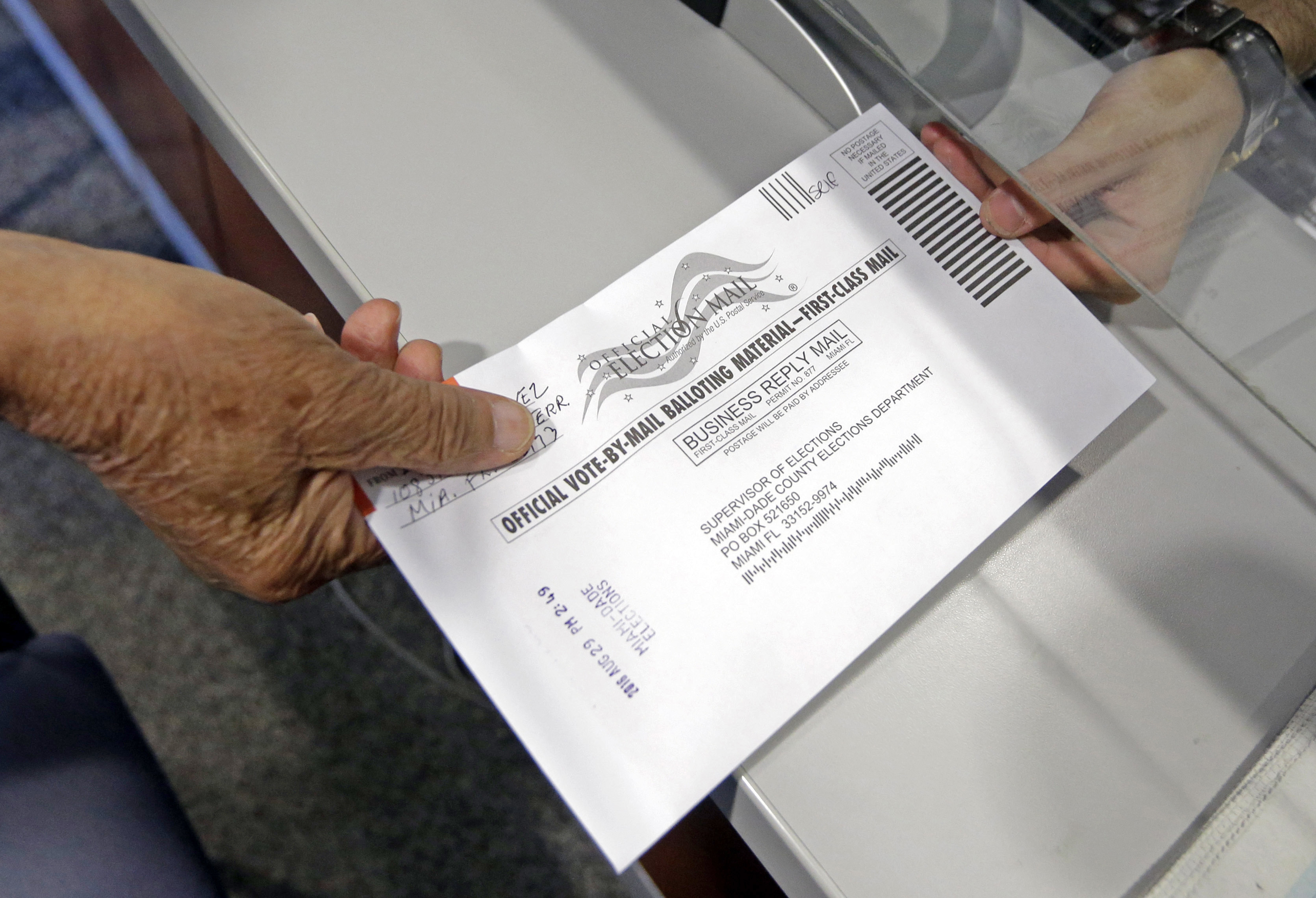
- Mail: The most common method is to mail your ballot back using the provided, postage-paid return envelope. It must be received by the Supervisor of Elections by 7:00 p.m. on Election Day. Postmarks do not count; the ballot must be received. Therefore, mailing your ballot well in advance of Election Day is highly recommended to account for any potential mail delays.
- Drop Boxes: Many counties provide secure drop boxes at the Supervisor of Elections office and sometimes at early voting sites. These drop boxes are typically monitored and provide a secure, convenient alternative to mailing, especially as Election Day approaches. This option offers peace of mind regarding timely delivery.
- In-Person (Election Day): You can also deliver your ballot in person to your county’s Supervisor of Elections office on Election Day, up until 7:00 p.m. This is an option for those who might have missed the mail deadline but still wish to hand-deliver their ballot.
Special Considerations for Travelers and Overseas Voters
For individuals whose lifestyles involve frequent travel or living abroad, Florida provides specific provisions to ensure their electoral participation. These measures acknowledge the unique challenges faced by these groups and aim to simplify the voting process.
Voting While Abroad: UOCAVA Voters
The Overseas Citizens Absentee Voting Act (UOCAVA) protects the voting rights of uniformed service members, their eligible family members, and United States citizens residing outside the country. If you fall into this category, you can register to vote and request an absentee ballot simultaneously using the Federal Post Card Application (FPCA), often available through the Federal Voting Assistance Program (FVAP) website. UOCAVA voters receive their ballots earlier and have extended deadlines for submission, often allowing return via mail, fax, or email, depending on the circumstances and state law. It’s a critical lifeline for maintaining civic connection while living a global lifestyle.
Navigating Temporary Relocations within the United States
If you’re a Florida resident temporarily living in another state – perhaps for work, school, or extended family visits – you can still request an absentee ballot to be mailed to your temporary address within the United States. The key is to clearly specify your mailing address when making your request. Remember that your voter registration must remain active in Florida and you should not register to vote in another state if you intend to vote as a Florida resident. This flexibility ensures that your electoral rights are preserved, even when your lifestyle involves movement across state lines.
Ensuring Your Vote Counts: Tips and Best Practices
Participating in elections is a fundamental aspect of civic life and contributes to the overall health of a democratic society. To maximize the chances of your absentee ballot being counted, a few best practices can make all the difference.
Verifying Your Registration Status
Before requesting an absentee ballot, it’s always a good idea to verify your voter registration status. You can do this easily through your county’s Supervisor of Elections website or the Florida Department of State’s Division of Elections website. This step confirms that your information is up-to-date and that you are indeed eligible to vote in the upcoming election. It’s a simple preventative measure that empowers you to act responsibly.
Tracking Your Ballot
Many county Supervisor of Elections websites offer an online ballot tracking tool. This invaluable feature allows you to monitor the status of your absentee ballot request and track when your ballot was mailed and, more importantly, when it was received by election officials. Using this tool provides peace of mind and allows you to address any potential issues proactively, ensuring that your diligent efforts to participate culminate in a counted vote.
Staying Informed
Finally, stay informed about election dates, deadlines, and any changes to voting laws. Follow reputable news sources, check your county’s Supervisor of Elections website regularly, and consider signing up for election alerts. A well-informed voter is an effective voter, embodying the active engagement that defines a vibrant and democratic lifestyle.
By understanding and utilizing the absentee ballot process in Florida, you can ensure that your voice is heard, contributing to the future of your community and state, no matter what your lifestyle or location. It’s an essential aspect of modern civic engagement, making democracy accessible to everyone.
LifeOutOfTheBox is a participant in the Amazon Services LLC Associates Program, an affiliate advertising program designed to provide a means for sites to earn advertising fees by advertising and linking to Amazon.com. Amazon, the Amazon logo, AmazonSupply, and the AmazonSupply logo are trademarks of Amazon.com, Inc. or its affiliates. As an Amazon Associate we earn affiliate commissions from qualifying purchases.