
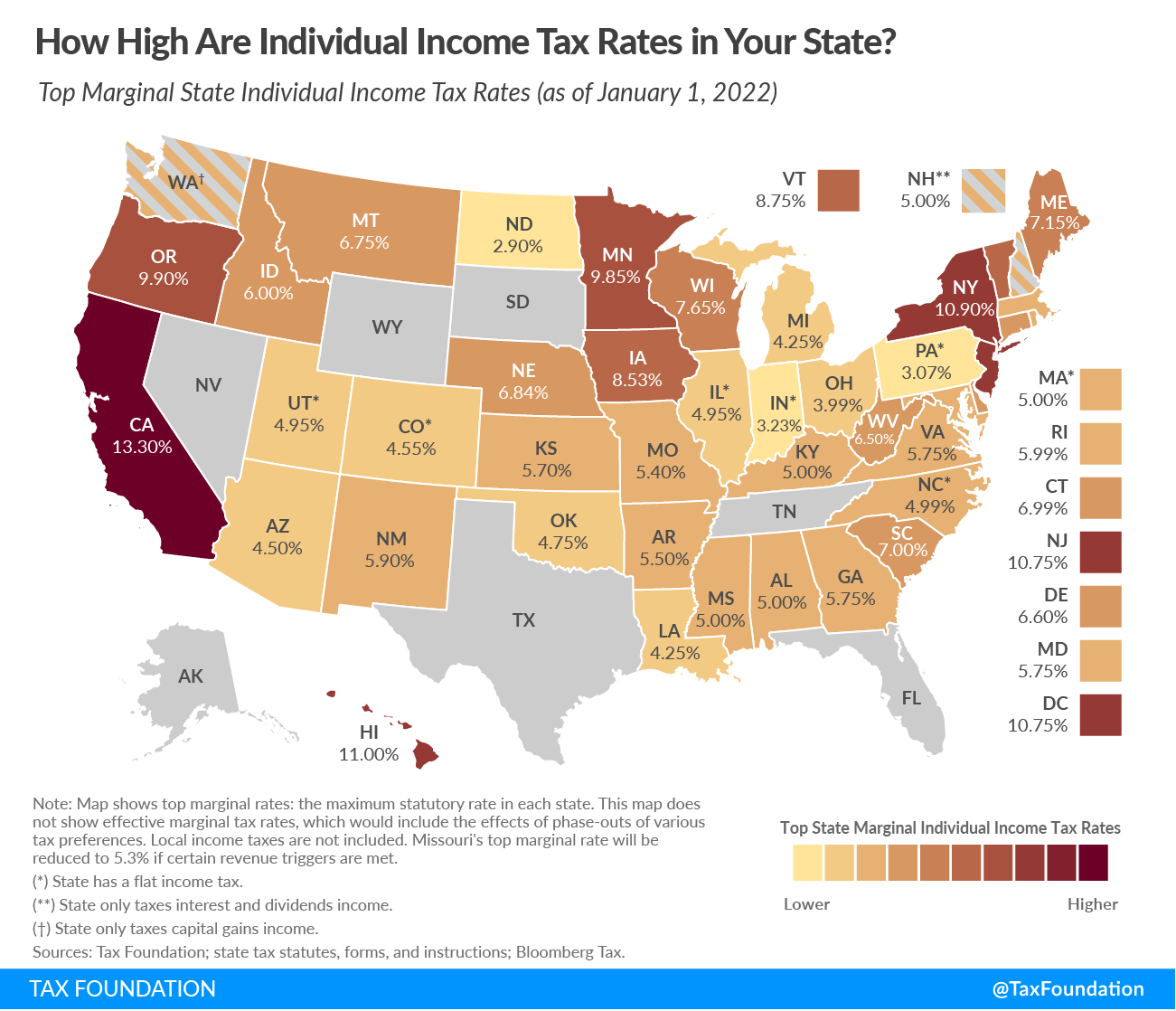
For individuals considering a move, retirement, or extended stay, understanding the tax landscape of a state is paramount to financial planning and overall lifestyle satisfaction. When it comes to state income tax, Florida stands out in the United States, offering a significant advantage that shapes the financial lives of its residents and profoundly influences lifestyle choices. The simple answer to “What is the state income tax in Florida?” is none. Florida is one of a handful of states that does not levy a state income tax on its residents. This fundamental aspect of its fiscal policy has far-reaching implications, making it a compelling destination for a diverse array of individuals and businesses seeking financial clarity and opportunity.
The absence of a state income tax is more than just a bullet point on a tax form; it’s a cornerstone of the Florida lifestyle. It directly impacts disposable income, influences investment decisions, and positions the state as an attractive locale for retirees, entrepreneurs, and families looking to maximize their financial well-being. This unique tax structure contributes significantly to the state’s economic dynamism and plays a pivotal role in the lifestyle narrative of the Sunshine State, fostering a distinctive environment where financial freedom and outdoor living often go hand-in-hand.
Florida’s Unique Tax Landscape: A Lifestyle Advantage
The appeal of Florida’s tax policy extends far beyond mere fiscal mechanics; it’s a powerful lifestyle differentiator. For many, the decision to relocate or even choose a long-term vacation spot is heavily influenced by the economic advantages a region can offer. Florida leverages its no-state-income-tax status as a primary draw, impacting everything from daily budgeting to long-term wealth accumulation. This policy has cultivated a specific kind of lifestyle, one often associated with more discretionary income and a greater sense of financial flexibility.
The Allure of No State Income Tax
The most immediate and celebrated benefit of living in Florida is the absence of a state income tax. This means that residents keep a larger portion of their earnings from salaries, wages, and most investment income, which would otherwise be subject to taxation in many other states. For an individual earning a moderate to high income, this can translate into thousands, if not tens of thousands, of dollars annually in additional disposable income. This substantial boost to personal finances has a direct impact on lifestyle:
- Direct Financial Benefits for Residents: More take-home pay allows residents to save more, invest more, or simply enjoy a higher standard of living without needing to earn a higher gross salary. This additional liquidity can be channeled into personal hobbies, travel, education, or enhancing one’s living environment, directly improving quality of life.
- Impact on Disposable Income: The increase in disposable income empowers individuals to make choices that align with their ideal lifestyle. Whether it’s dining out more frequently in vibrant Miami, enjoying attractions in Orlando, or investing in recreational activities along the Gulf Coast, the financial freedom provided by no state income tax fuels a more expansive lifestyle.
- Comparison with High-Tax States: When comparing Florida to states with high income tax rates like California or New York, the financial advantage becomes even more pronounced. Individuals and families moving from these high-tax environments often experience a significant increase in their effective income, which can dramatically alter their lifestyle, allowing for earlier retirement, more significant investments, or simply a less financially constrained daily existence.
Attracting Talent and Innovation
Beyond individual residents, the state income tax policy also acts as a magnet for businesses, entrepreneurs, and remote workers, shaping the professional landscape and contributing to a dynamic economic lifestyle.
- Entrepreneurs, Remote Workers, and Skilled Professionals: The promise of retaining more income is particularly appealing to entrepreneurs and remote workers who have the flexibility to choose their domicile. For those who are self-employed or work for companies outside of Florida but reside within its borders, the tax savings can be substantial. This influx of talent contributes to a diverse and innovative lifestyle, fostering new businesses and creative communities across the state, from the tech hubs in Tampa to the creative industries emerging in Sarasota.
- Business Relocation Benefits: While corporations in Florida are subject to a corporate income tax, the absence of individual income tax creates an attractive environment for small business owners and sole proprietors. Furthermore, states without individual income taxes are often perceived as more business-friendly, encouraging corporate relocations and expansions that bring jobs and economic opportunities. This translates into a vibrant job market and a lifestyle rich with professional growth potential.
Financial Planning and Lifestyle Choices in the Sunshine State
The absence of state income tax in Florida is a major determinant in how residents approach financial planning, especially when it comes to long-term goals like retirement and managing the cost of living. It allows for a distinct set of lifestyle choices, characterized by greater financial flexibility and a potentially faster path to wealth accumulation.
Retirement Dreams and Tax Efficiency
Florida has long been a top destination for retirees, and its tax structure is a significant reason why. For those living on fixed incomes, pensions, or investment returns, the lack of state income tax is incredibly beneficial.
- How Retirees Benefit: Retirees often depend on Social Security benefits, pension distributions, and income from retirement accounts (like 401(k)s and IRAs). While federal taxes still apply, Florida does not tax these forms of income at the state level. This means retirees keep a larger percentage of their retirement funds, which can significantly extend the longevity of their savings and enhance their quality of life. They can afford better healthcare, more leisure activities, or simply greater peace of mind knowing their nest egg goes further.
- Estate Planning Considerations: Beyond income tax, Florida also offers advantages in estate planning. There is no state inheritance tax or estate tax. This means that wealth can be passed down to heirs without additional state-level taxation, making Florida an appealing state for those concerned with preserving their legacy and ensuring their beneficiaries receive the maximum possible inheritance. This provides a sense of security and control over one’s life assets.
- Lower Overall Tax Burden: When considering the entire tax picture, many retirees find their overall tax burden significantly reduced in Florida compared to states with high income and estate taxes. This allows for a more comfortable retirement lifestyle, with greater financial freedom to enjoy the state’s natural beauty, cultural attractions, and social opportunities.
Impact on Budgeting and Cost of Living
While the absence of state income tax is a huge advantage, it’s crucial to understand that Florida relies on other revenue streams. These other taxes impact budgeting and the overall cost of living, shaping daily financial decisions.
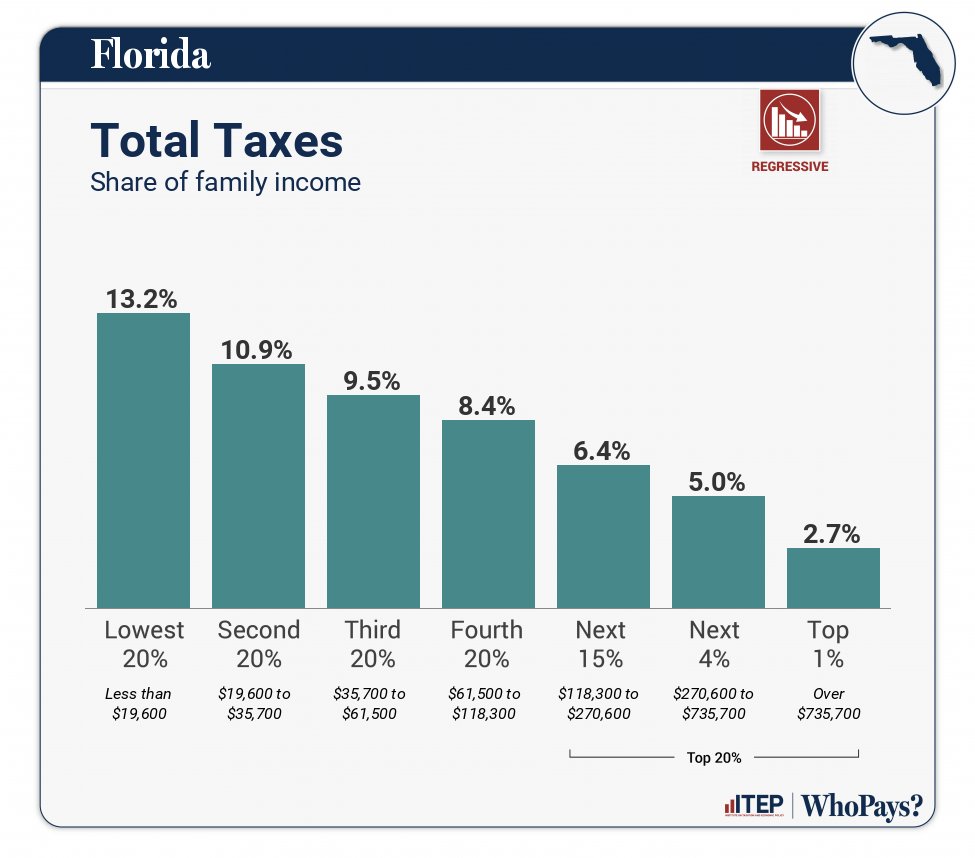
- While No Income Tax, Other Taxes Exist (Property, Sales): To compensate for the lack of income tax, Florida relies heavily on sales tax and property tax. The statewide sales tax rate is 6%, but local counties can add their own surtaxes, bringing the effective rate higher in many areas. Property taxes vary significantly by county and municipality, based on assessed value. Therefore, individuals must budget for these expenses, which can be substantial, especially in popular coastal communities or bustling cities like Miami and Fort Lauderdale.
- Overall Financial Picture for Residents: A balanced view requires considering all taxes. For someone with a high income but modest property holdings, the trade-off often favors Florida. For others, especially those with high-value properties, the property tax burden might offset some of the income tax savings. Understanding this full picture is key to making informed lifestyle decisions about where to live and what kind of home to purchase.
- How It Influences Daily Expenditures and Savings: The income tax savings can free up funds for discretionary spending, but residents must be mindful of sales tax on goods and services, which adds up. Property taxes factor into housing costs, whether directly for homeowners or indirectly for renters through their landlords. This necessitates careful budgeting, but the additional disposable income from no state income tax often provides a comfortable cushion, allowing for greater savings or more frequent participation in Florida’s diverse lifestyle offerings, from theme park visits in Orlando to boating excursions in the Florida Keys.
Beyond the Income Tax: A Holistic Look at Florida’s Appeal
While the lack of state income tax is a powerful financial incentive, Florida’s appeal as a lifestyle destination is multifaceted. The tax policy contributes to a broader economic environment that, when combined with natural beauty and cultural richness, creates a truly unique place to live, work, and play.
Economic Growth and Opportunity
The state’s tax structure is instrumental in fostering a robust economy, which in turn creates a vibrant lifestyle.
- How the Tax Policy Fosters a Robust Economy: By allowing individuals and businesses to retain more of their earnings, Florida stimulates consumer spending, investment, and capital formation. This creates a positive feedback loop: more disposable income leads to more spending, which fuels local businesses and encourages economic expansion. This environment of growth contributes to a dynamic lifestyle with abundant amenities and services.
- Job Market Implications: A thriving economy translates into a healthier job market. Sectors such as tourism, hospitality, healthcare, construction, finance, and technology all flourish in Florida, offering diverse career opportunities. For those relocating, the prospect of a strong job market (or the ability to retain more earnings from a remote job) enhances their lifestyle choices and financial security.
- Investment in Infrastructure and Services: While revenue comes from sales and property taxes, the overall economic growth helps fund improvements in public infrastructure, education, and essential services. This includes better roads, schools, public safety, and parks, all of which contribute to a higher quality of life and an attractive lifestyle for residents.
Quality of Life and Community
Ultimately, lifestyle is about more than just money; it’s about how one lives. Florida’s tax advantages directly impact the ability to enjoy a high quality of life.
- The Link Between Financial Well-being and Lifestyle Quality: With more disposable income, individuals have greater freedom to pursue passions, invest in personal development, or simply enjoy recreational activities. This financial freedom reduces stress and allows residents to fully embrace the myriad opportunities Florida offers, from world-class beaches and theme parks to vibrant arts scenes and diverse culinary experiences.
- Access to Amenities, Culture, and Nature: Florida boasts an incredible array of natural beauty, including pristine beaches, national parks, and unique ecosystems like the Everglades. Coupled with bustling cultural centers in Miami, Tampa, and Jacksonville, and global attractions in Orlando, the state offers an unmatched lifestyle filled with recreation and enrichment. The financial flexibility provided by the tax system makes these accessible to a broader population.
- Diverse Communities and Opportunities for Various Lifestyles: From the bustling urban energy of South Florida to the quieter, more relaxed pace of its smaller towns and coastal communities, Florida caters to a wide spectrum of lifestyles. The tax incentives attract a diverse population, fostering vibrant communities where people from all walks of life can find their niche, whether it’s a family-friendly suburb, an active retirement community, or a dynamic professional hub.
Navigating the Broader Tax Picture in Florida
While the absence of state income tax is a major draw, a comprehensive understanding of Florida’s overall tax structure is essential for anyone considering a move or long-term stay. The state must generate revenue, and it does so through other means that can significantly impact a resident’s financial lifestyle.
Understanding Sales and Property Taxes
These are the primary revenue drivers for Florida and directly affect the cost of living.
- Florida’s Reliance on These Revenue Streams: The state levies a 6% sales tax on most goods and services, with many counties adding an additional surtax. This means almost everything purchased, from groceries (though unprepared food is exempt) to clothing, restaurant meals, and entertainment, incurs a sales tax. For those with high spending habits, this can significantly offset some of the income tax savings.
- Homestead Exemptions and Other Property Tax Benefits: Property taxes are locally assessed and vary widely. However, Florida offers a substantial homestead exemption for primary residences, which reduces the taxable value of a home by up to $50,000 for qualifying homeowners. This benefit can significantly lower property tax bills for full-time residents, especially first-time homebuyers or those on fixed incomes, enhancing the affordability of homeownership and the overall lifestyle. Additional exemptions are available for seniors, veterans, and individuals with disabilities.
- Sales Tax on Goods and Services: It’s important for residents to factor sales tax into their daily and monthly budgets. While it might seem small on individual purchases, it accumulates over time. This aspect of the tax structure means that those who spend more on consumer goods or services might find less of a net financial benefit compared to those with lower spending patterns.
Considerations for Businesses and Investors
The tax structure also has unique implications for businesses and investors, shaping the economic lifestyle.
- Corporate Income Tax (Though Personal Is Absent): While individuals pay no state income tax, corporations that conduct business in Florida are subject to a corporate income tax. The rate is currently 4.458% (as of recent changes), applicable to profits. This distinction is crucial for business owners and can influence decisions on corporate structure and where to establish a business entity, directly impacting the business lifestyle.
- Impact on Small Businesses and Startups: For sole proprietorships or pass-through entities (like S-corporations and partnerships) where profits are taxed at the individual owner’s level, the absence of state income tax is a major advantage. This encourages entrepreneurship and supports the growth of small businesses, creating a vibrant business ecosystem and fostering a dynamic work-life balance for founders and employees.
- Investment Property Considerations: For real estate investors, Florida’s lack of state income tax can be appealing, as it means no state tax on rental income or capital gains from property sales. However, investors must still contend with property taxes, which can be higher for non-homesteaded properties, and other local fees. This complex interplay of taxes shapes the investment lifestyle and the overall profitability of real estate ventures.
Is Florida the Right Lifestyle Choice for You?
Deciding whether Florida is the ideal place to live is a deeply personal choice, heavily influenced by individual financial goals, lifestyle preferences, and priorities. The absence of state income tax is a powerful magnet, but it’s one piece of a larger puzzle.
Weighing the Pros and Cons
A balanced perspective is crucial for making an informed lifestyle decision.
- Summarize Financial Benefits: The clear advantage is the increased disposable income from having no state income tax, which directly impacts savings, investment potential, and daily spending power. This benefit is particularly strong for high-income earners, retirees, and those seeking to optimize their financial growth. The lack of state estate or inheritance tax also offers peace of mind for long-term wealth planning.
- Acknowledge Other Lifestyle Factors (Climate, Natural Disasters, Tourism Crowds): While financially appealing, Florida comes with its own set of unique lifestyle considerations. The subtropical climate, while often desirable, includes hot, humid summers and the annual hurricane season. The state’s immense popularity as a tourist destination means dealing with crowds, especially in major areas like Orlando, Miami, and the coastal regions. These factors can significantly influence day-to-day living and must be weighed against the financial benefits.
- Personal Financial Goals Alignment: For individuals prioritizing financial accumulation, tax efficiency, and a robust retirement fund, Florida’s tax structure aligns exceptionally well. For others who might value lower property taxes above all else or prefer a cooler climate, other states might be more suitable. The “right” choice depends entirely on aligning the state’s offerings with one’s personal and financial objectives.

Making an Informed Decision
Thorough research and practical experience are key to a successful transition and a fulfilling lifestyle in Florida.
- Consulting Financial Advisors: Before making a significant move, especially one driven by tax considerations, it is highly advisable to consult with a financial planner or tax professional. They can provide personalized insights into how Florida’s tax laws, combined with federal regulations, will specifically impact your unique financial situation and lifestyle.
- Exploring Different Florida Cities: Florida’s diverse geography offers a wide range of environments. From the bustling metropolitan lifestyle of Miami or Tampa, the family-friendly attractions of Orlando, the historic charm of St. Augustine, to the laid-back beach towns of the Emerald Coast, there’s a community for almost every preference. Visiting and experiencing different Florida cities firsthand is crucial to finding the perfect fit for your desired lifestyle.
- Experiencing the Lifestyle Firsthand: Spending extended periods in different parts of Florida during various seasons can provide invaluable insight into what living there truly entails. This allows prospective residents to experience the climate, local culture, traffic, and overall pace of life, ensuring that the financial advantages align with a comfortable and enjoyable day-to-day existence.
Ultimately, while the lack of state income tax is a significant financial draw that shapes the lifestyle in Florida, it’s part of a larger equation. For many, the combination of financial freedom, diverse opportunities, and a vibrant environment makes the Sunshine State an unparalleled choice for a rich and fulfilling life.
LifeOutOfTheBox is a participant in the Amazon Services LLC Associates Program, an affiliate advertising program designed to provide a means for sites to earn advertising fees by advertising and linking to Amazon.com. Amazon, the Amazon logo, AmazonSupply, and the AmazonSupply logo are trademarks of Amazon.com, Inc. or its affiliates. As an Amazon Associate we earn affiliate commissions from qualifying purchases.