
Embarking on a journey from Houston, Texas, to the breathtaking islands of Hawaii is a dream for many, promising a transition from urban sprawl to tropical paradise. However, before you can picture yourself lounging on Waikiki Beach or hiking through verdant rainforests, a significant consideration is the duration of the flight. Given the vast expanse of the Pacific Ocean separating these two distinct locales, understanding the logistics of this long-haul journey is crucial for planning an enjoyable and stress-free trip.
The flight from Houston to Hawaii is a substantial undertaking, typically ranging from 8 to 15 hours, depending on whether you secure a rare direct flight or opt for a more common connecting itinerary. While the allure of the Aloha State is undeniable, preparing for the travel time is an essential part of the adventure itself. This comprehensive guide will delve into the various factors that influence flight duration, common routes, and tips for making your journey as comfortable as possible.
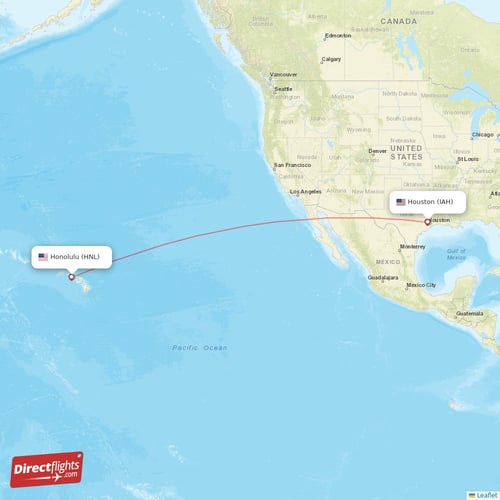
Understanding the Houston to Hawaii Flight Path
The journey across the continental United States and then over the vast Pacific Ocean to reach the Hawaiian archipelago is a significant aerial trek. Knowing the geographical context and the typical aviation hubs involved provides a clearer picture of what to expect.
The Direct Flight Reality
For travelers departing from Houston, direct flights to Hawaii are exceedingly rare, if not non-existent, on a consistent basis. While some airlines might occasionally offer seasonal or limited direct services, the vast majority of itineraries will involve at least one stop. This lack of direct service is primarily due to the distance and the demand patterns that typically route Houston passengers through major West Coast hubs. The total air distance from Houston to Honolulu is approximately 3,900 miles (about 6,275 kilometers), a distance that pushes the limits of typical domestic flight routes and aircraft range efficiency for consistent non-stop service. Therefore, planning for a connecting flight is the practical approach for most travelers.
Major Airports Involved
Your journey will begin at one of Houston’s primary airports and typically conclude at one of Hawaii’s international gateways.
-
Departure Airports in Houston:
- George Bush Intercontinental Airport (IAH): This is the larger and primary international airport serving Houston, offering the widest range of airlines and connections to Hawaii. Most flights originating from Houston to Hawaii will depart from IAH.
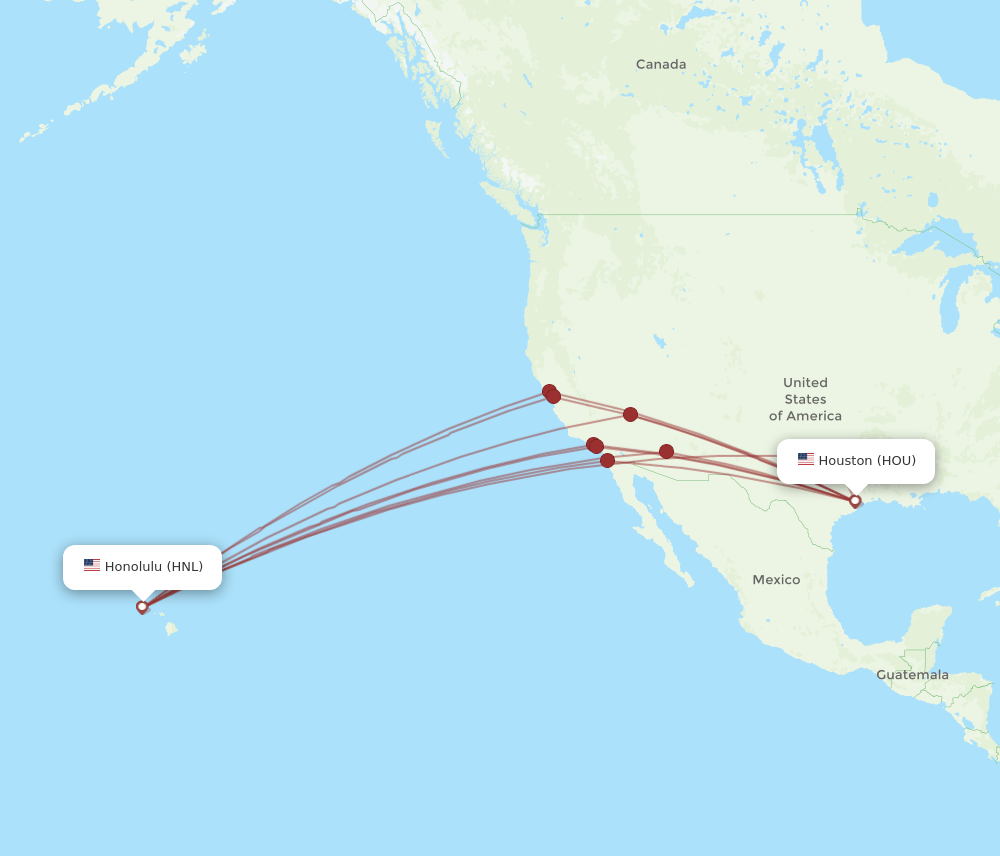
- William P. Hobby Airport (HOU): Primarily served by Southwest Airlines, Hobby Airport can also facilitate connections to Hawaii, usually involving a layover on the West Coast, often in cities like Long Beach or Oakland.
-
Arrival Airports in Hawaii:
- Daniel K. Inouye International Airport (HNL) in Honolulu, Oahu: This is the main gateway to Hawaii and the busiest airport. Many flights from the mainland will land here first, even if your final destination is another island.
- Kahului Airport (OGG) in Maui: A popular direct destination from the West Coast, often a final stop for flights to Maui.
- Kona International Airport (KOA) on the Big Island: Serves the west side of the Big Island.
- Lihue Airport (LIH) in Kauai: The primary airport for the “Garden Isle.”
- Hilo International Airport (ITO) on the Big Island: Serves the east side of the Big Island.
Travelers often fly into Honolulu first and then take a shorter inter-island flight to reach their ultimate destination on islands like Maui, the Big Island, or Kauai.
Deconstructing Flight Durations
Understanding the components that contribute to the overall travel time from Houston to Hawaii is key to managing expectations and planning effectively.
Non-Stop vs. Connecting Flights: A Major Difference
As established, non-stop flights are generally not available from Houston. This means that virtually all travelers will experience a layover, which adds significant time to the journey.
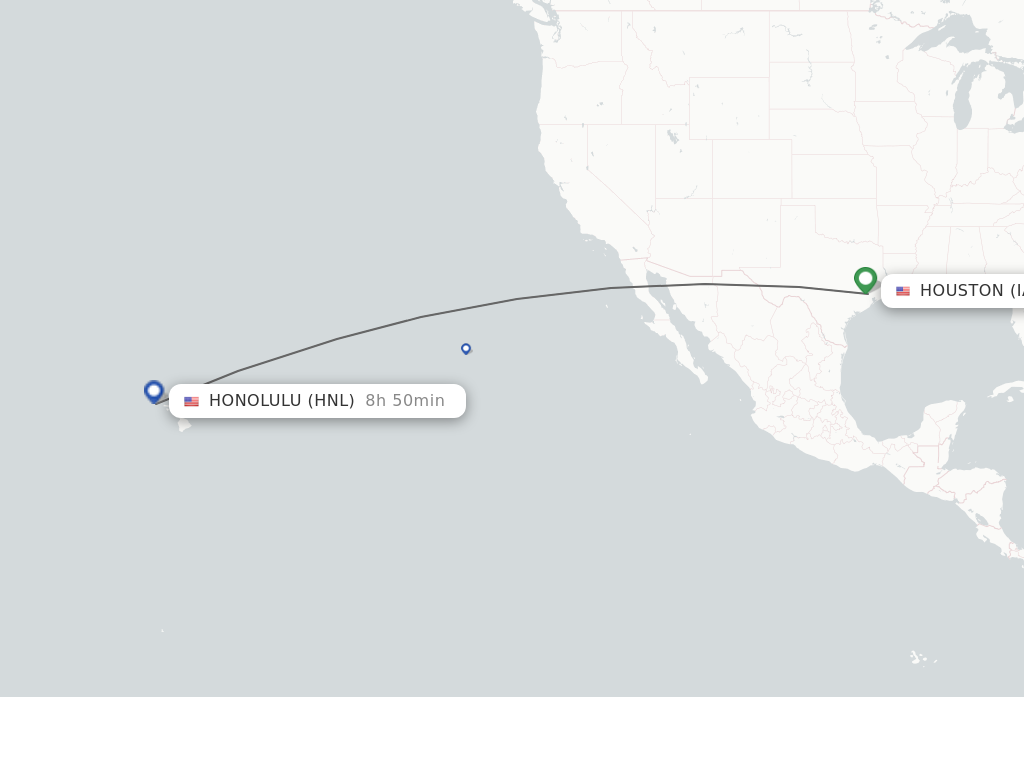
- Theoretical Non-Stop Duration: If a direct flight were available, the actual flight time from Houston to Honolulu would be approximately 8 to 9 hours. This accounts for the direct flight path, cruising speed, and descent.
- Connecting Flight Duration: The reality is that most itineraries will involve a flight from Houstonto a West Coast city, a layover, and then a subsequent flight to Hawaii. This can easily extend the total travel time to 11 to 15 hours or more, depending on the length of your layover and the efficiency of the connection.
Average Flight Times
Let’s break down the typical segments:
- Houston to West Coast Hub: This leg typically takes 3 to 4 hours. Common layover cities include Los Angeles (LAX), San Francisco (SFO), Phoenix (PHX), Seattle (SEA), or Denver (DEN).
- Layover Time: This can vary immensely, from as little as 1 hour to 5 or more hours. A comfortable layover is usually 2-3 hours, allowing enough time to deplane, navigate the airport, and board the next flight without feeling rushed.
- West Coast Hub to Hawaii: The trans-Pacific leg from the West Coast to Hawaii typically ranges from 5 to 6 hours.
Total Estimated Travel Time (including a typical layover):
- Minimum: 3.5 hours (Houston to West Coast) + 1.5 hours (layover) + 5 hours (West Coast to Hawaii) = 10 hours
- Average: 4 hours (Houston to West Coast) + 2.5 hours (layover) + 5.5 hours (West Coast to Hawaii) = 12 hours
- Maximum (with longer layovers/multiple stops): Can easily stretch to 15+ hours.
Remember that the total journey time listed on your itinerary will typically include the layover, so always check the “total travel time” rather than just the “flight time.”
Factors Influencing Flight Duration
Several variables can slightly alter the estimated flight times:
- Wind Conditions: Jet streams can either be a boon or a bane. Tailwinds (winds blowing in the same direction as the aircraft) can shorten flight times, particularly on the eastbound leg (Hawaii back to the mainland). Headwinds can add 30 minutes to an hour to a flight.
- Air Traffic Control: Delays due to congested airspace, particularly around busy hubs like Los Angeles or Honolulu, can affect departure and arrival times.
- Aircraft Type: Different aircraft models have varying cruising speeds and ranges. Newer, more efficient planes might shave off a few minutes, but this is usually a minor factor compared to winds or air traffic.
- Route Optimizations: Airlines continuously optimize flight paths based on weather, air traffic, and fuel efficiency, which can lead to slight variations in advertised flight durations.
Navigating Layovers and Connections
Since connecting flights are the norm, mastering the layover process is key to a smooth journey.
Common Layover Cities
Airlines frequently route Houston to Hawaii passengers through major West Coast hubs. The most common include:
- Los Angeles (LAX): A primary gateway, offering numerous flights to various Hawaiian islands.
- San Francisco (SFO): Another major hub with extensive Hawaii service.
- Phoenix (PHX): Often a hub for American Airlines and Southwest Airlines connections.
- Seattle (SEA): A hub for Alaska Airlines, offering connections primarily to Hawaii.
- Denver (DEN): While not on the West Coast, Denver is a significant United Airlines hub that offers direct flights to Hawaii, providing an alternative routing for Houston travelers.
When booking, consider the layover city. Some airports are easier to navigate than others, and a pleasant layover experience can make a big difference.
Optimizing Your Connection Time
Choosing the right layover duration is a delicate balance. Too short, and you risk missing your connecting flight due to delays; too long, and you spend unnecessary time waiting.
- Minimum Connection Time: For domestic connections, generally aim for at least 1.5 to 2 hours. If you’re switching airlines or terminals, allow more time.
- Ideal Connection Time: 2 to 3 hours is often ideal. It provides a buffer for minor delays and allows time for a restroom break, grabbing a meal, or stretching your legs without feeling rushed.
- Extended Layovers: Some travelers intentionally book longer layovers (4-6+ hours) to grab a proper meal, use an airport lounge, or even step out of the airport for a brief city excursion, if feasible and planned in advance.
Choosing the Right Airline and Itinerary
Several major airlines operate flights from Houston to Hawaii with various connection options:
- United Airlines: Has a major hub at George Bush Intercontinental Airport (IAH) and offers numerous flights to Hawaii via its hubs in Denver, Los Angeles, and San Francisco.
- Southwest Airlines: Operates from both IAH and William P. Hobby Airport, with connections often through Oakland, Sacramento, Long Beach, or San Diego to Hawaii.
- American Airlines: Connects through its hub in Phoenix (PHX) or Dallas/Fort Worth (DFW), which offers direct flights to Hawaii.
- Delta Air Lines: Typically routes through Atlanta, Salt Lake City, Los Angeles, or Seattle.
- Alaska Airlines: Primarily connects through Seattle (SEA) or Portland (PDX).
- Hawaiian Airlines: While not flying directly from Houston, you can often connect to Hawaiian Airlines from a West Coast gateway like Los Angeles or San Francisco for the final leg to Hawaii. This can be a good option for an authentic Hawaiian experience on the long trans-Pacific flight.
Consider factors like baggage policies, in-flight amenities, and loyalty programs when selecting your airline.
Tips for a Comfortable Long-Haul Journey to Paradise
A long flight doesn’t have to be arduous. With a little preparation, you can make the journey from Houston to Hawaii relatively comfortable.
Preparing for Your Flight
- Dress in Layers: Airplane cabins can fluctuate in temperature. Layers allow you to adjust easily.
- Hydrate: Drink plenty of water before and during your flight to combat dehydration, which is common in dry cabin air. Avoid excessive caffeine and alcohol.
- Snacks: Pack your own healthy snacks to avoid overpriced airport food and ensure you have options you enjoy.
- Entertainment: Load up your devices with movies, TV shows, podcasts, audiobooks, or e-books. Don’t rely solely on in-flight entertainment, which can be limited or subject to technical issues.
- Comfort Essentials: Bring a neck pillow, eye mask, and earplugs/noise-canceling headphones for better rest. Compression socks can also be beneficial for circulation on long flights.
Beating Jet Lag
The time difference between Houston (Central Time Zone) and Hawaii (Hawaii Standard Time Zone) is significant (5 hours during Standard Time, 4 hours during Daylight Saving Time, as Hawaii does not observe DST).
- Adjust Before You Go: A few days before departure, try to gradually shift your sleep schedule closer to Hawaii time.
- On the Plane: Set your watch to Hawaii time as soon as you board and try to sleep according to that schedule.
- Upon Arrival: Get as much natural light as possible during the day and try to stay awake until local bedtime. Avoid long naps.
- Stay Hydrated: Again, proper hydration helps alleviate jet lag symptoms.
In-Flight Entertainment and Comfort
Most major airlines operating routes to Hawaii will offer personal seat-back entertainment systems. However, having your own charged devices ensures you’re never bored. Stretch regularly in your seat or take short walks up and down the aisle when permitted to promote blood circulation and prevent stiffness. Use your layover time wisely to stretch, grab a proper meal, and refresh yourself before the next leg of the journey.
Beyond the Flight: Planning Your Hawaiian Adventure
While the flight is a major part of the journey, it’s just the beginning of your Hawaiian experience.
Arriving in Hawaii
Once you land, remember that you’ve crossed multiple time zones. Give yourself time to adjust. If you’re flying into Daniel K. Inouye International Airport (HNL) and then connecting to another island, ensure you have sufficient time for your inter-island transfer. Baggage claim and re-checking for a domestic Hawaii flight can take time.
Inter-Island Travel Considerations
If your final destination is not Oahu, you’ll need to book an additional inter-island flight. These are typically short (30-60 minutes) and operated by Hawaiian Airlines or Southwest Airlines. Factor in the extra time for these connections into your overall travel plan, especially when booking your return trip. Popular islands for inter-island travel include Maui, the Big Island (Kona or Hilo), Kauai, Molokai, and Lanai.
In conclusion, a flight from Houston to Hawaii is a significant journey, usually taking between 11 to 15 hours with a single layover. While long, proper planning, smart packing, and an understanding of the travel logistics can transform it from a daunting ordeal into an anticipated part of your unforgettable Hawaiian escape. Prepare for the journey, embrace the adventure, and soon you’ll be greeted by the warm aloha spirit of the islands.
LifeOutOfTheBox is a participant in the Amazon Services LLC Associates Program, an affiliate advertising program designed to provide a means for sites to earn advertising fees by advertising and linking to Amazon.com. Amazon, the Amazon logo, AmazonSupply, and the AmazonSupply logo are trademarks of Amazon.com, Inc. or its affiliates. As an Amazon Associate we earn affiliate commissions from qualifying purchases.