
The Cecil Hotel stands as one of the most enigmatic structures in Los Angeles. Located in the heart of Downtown Los Angeles, this towering edifice has transitioned from a symbol of Jazz Age opulence to a landmark synonymous with urban mystery and historical intrigue. To understand what happened at this location is to trace the trajectory of California history itself—from the soaring ambitions of the 1920s to the gritty realities of the late 20th-century urban decline. As a landmark, it offers a profound look at how architecture, location, and social shifts can converge to create a legacy that captivates the global imagination.

The Architectural Genesis and Early Grandeur of a Rising Landmark
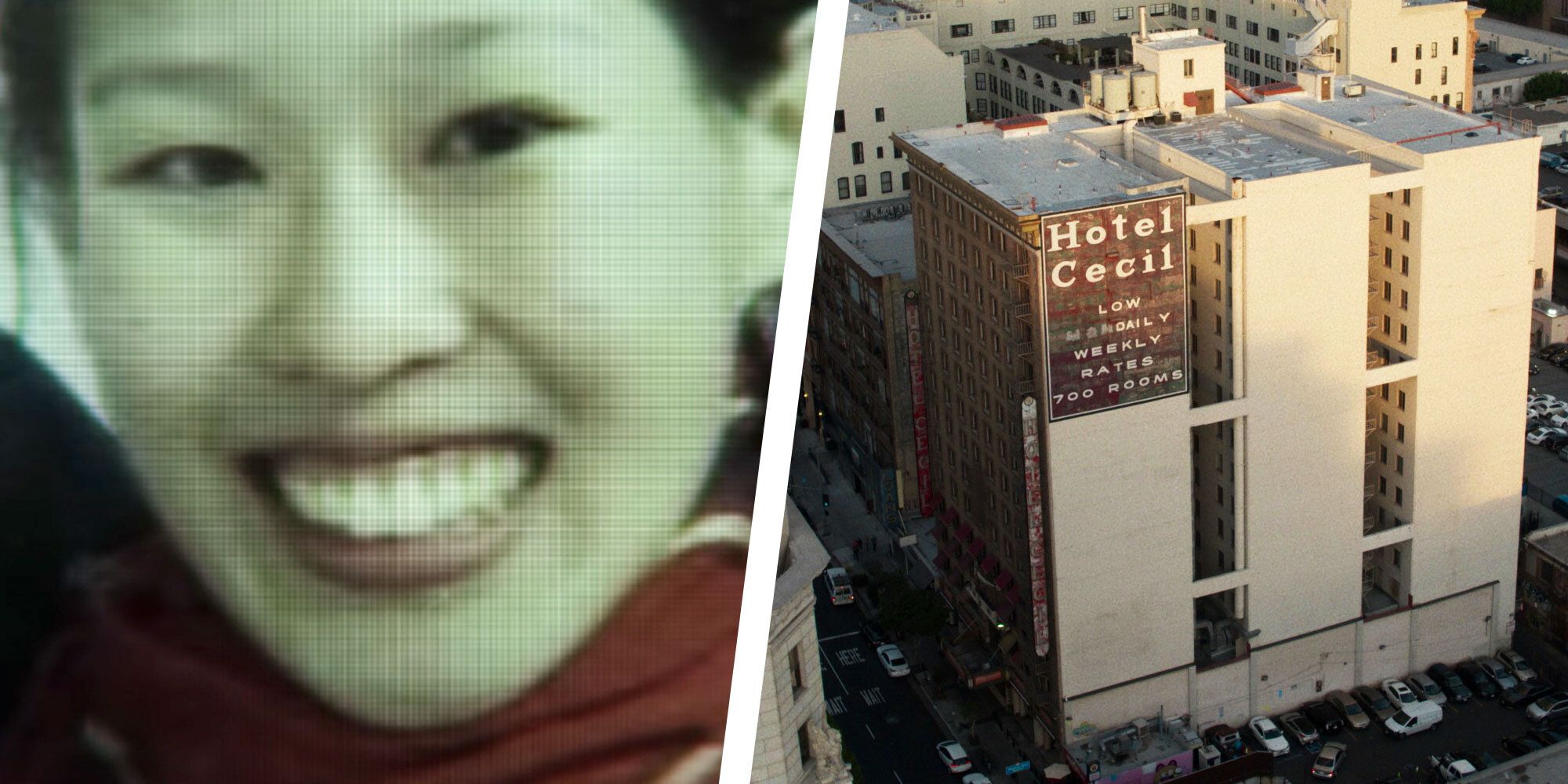
When the Cecil Hotel first opened its doors in 1924, it was intended to be a premier destination for business travelers and tourists visiting the booming metropolis of Los Angeles. Designed by the renowned architect Loy Lester Smith and built by William Banks Hanner, the building was a masterpiece of the Beaux-Arts style.
The Beaux-Arts Influence in Downtown Los Angeles
The architecture of the Cecil Hotel was a testament to the optimism of the United States during the mid-1920s. The lobby was adorned with marble floors, stained-glass windows, and alabaster statuary, rivaling the luxury of nearby landmarks like the Biltmore Hotel. Its aesthetic was designed to project stability and sophistication, featuring ornate terra cotta detailing on the exterior that still remains visible today. This architectural grandeur was a strategic move to position Main Street as the commercial heartbeat of the city.
A Beacon of Optimism in the 1920s
In its early years, the hotel served as a gateway for those arriving in California seeking the American Dream. It featured over 600 rooms and was marketed as a high-end residential and transient hub. During this era, the Cecil Hotel was part of a thriving theater and financial district, nestled comfortably among the cultural giants of Hollywood and the burgeoning industrial sectors. It was a place of high society, hosting gala events and serving as a home base for the elite of the West Coast.
A Legacy of Infamous Events and Dark Folklore
The landmark’s reputation began to shift significantly as the socio-economic landscape of Los Angeles changed. Following the Great Depression, the area surrounding the hotel evolved into what would eventually be known as Skid Row. This proximity to the city’s most vulnerable population transformed the Cecil Hotel from a luxury destination into a site of frequent tragedy, earning it a dark reputation that persists in modern folklore.
The Transition to Stay on Main
In an attempt to distance the property from its troubled past, a portion of the building was rebranded as Stay on Main in the late 2000s. This “hotel-within-a-hotel” concept aimed to attract budget-conscious travelers and students by offering boutique-style amenities and a more vibrant, modern aesthetic. However, the rebranding could not fully obscure the historical weight of the original structure. Even with the colorful paint and updated lobby, the Cecil Hotel remained a singular landmark where the past and present frequently collided.
The Case of Elisa Lam
Perhaps the most famous modern event associated with the landmark is the 2013 disappearance of Elisa Lam, a Canadian student. Her presence at the Cecil Hotel became the focus of a global investigation after surveillance footage from one of the hotel’s elevators went viral. The mystery of how she ended up in a sealed water tank on the roof sparked countless theories and brought a new wave of attention to the building’s history. This event solidified the hotel’s status as a site of fascination for those interested in the unexplained, further cementing its role as a landmark of modern urban legend.
Notorious Residents: Richard Ramirez and Jack Unterweger
The hotel is also infamous for its former residents, most notably Richard Ramirez, known as the “Night Stalker.” During the mid-1980s, Ramirez reportedly stayed in a room on the top floors of the Cecil Hotel during his period of terror across Southern California. A few years later, the Austrian serial killer Jack Unterweger also took up residence at the hotel. The fact that such figures chose the Cecil Hotel as their base contributed to the narrative that the building possessed a peculiar, perhaps even magnetic, attraction for the macabre.
The Cecil Hotel as a Cultural and Urban Landmark
Beyond the headlines, the Cecil Hotel serves as a physical record of the urban evolution of Los Angeles. It is a landmark that reflects the city’s struggles with housing, mental health, and the cyclical nature of neighborhood revitalization.
Skid Row and the Socio-Economic Context
The proximity of the hotel to Skid Row is essential to understanding its history. As the United States moved through the latter half of the 20th century, many grand hotels in downtown areas were converted into Single Room Occupancy (SRO) housing. The Cecil Hotel became a reflection of this shift, providing low-cost housing for those on the fringes of society. This intersection of a grand architectural landmark with the harsh realities of poverty created a unique cultural friction that is still studied by sociologists and urban historians today.
Media Representation and Pop Culture Impact
The landmark’s reputation has been amplified by its presence in popular culture. It famously served as the inspiration for the fifth season of the television series American Horror Story, titled “Hotel.” By translating the real-life mysteries of the Cecil Hotel into fictionalized horror, the media has ensured that the building remains a focal point of public interest. Documentaries, such as those found on Netflix, have further explored the building’s layout, history, and the various incidents that occurred within its walls, turning the physical structure into a character in its own right.
Preservation and the Future of the Landmark
Despite its dark history—or perhaps because of it—there have been significant efforts to preserve the Cecil Hotel. Recognizing its architectural and historical importance, the Los Angeles City Council and various heritage groups have worked to ensure the building is not lost to demolition.
Historical Landmark Status
In 2017, the Cecil Hotel was officially designated as a Los Angeles Historic-Cultural Monument. This designation was spearheaded by the Los Angeles Cultural Heritage Commission, which argued that the building was a representative example of the early 20th-century hotel industry in the city. By becoming a protected landmark, the building’s exterior and key interior elements must be maintained, preserving the Beaux-Arts legacy for future generations. This move highlights the paradox of the Cecil Hotel: it is a place of tragedy, yet it is also a structure of undeniable historical value.

Repurposing for Modern Los Angeles
The future of the Cecil Hotel appears to be trending toward social utility. In recent years, developers like Simon Baron Development have sought to transform the space into affordable housing and permanent supportive housing units. This transition aims to address the ongoing housing crisis in Los Angeles while honoring the building’s long history of providing shelter. By pivoting from a transient hotel to a stable residential facility, the landmark is undergoing yet another metamorphosis, potentially breaking the cycle of misfortune that has defined its public image for decades.
As the Cecil Hotel continues to stand tall on Main Street, it remains a powerful symbol of the complexity of urban life. It is a landmark that has witnessed the height of California glamour and the depths of human despair. Whether viewed through the lens of architectural history, true crime, or urban development, the Cecil Hotel remains one of the most significant and storied places in the United States, reminding us that every building has a story, and some stories are deeper and darker than others.
LifeOutOfTheBox is a participant in the Amazon Services LLC Associates Program, an affiliate advertising program designed to provide a means for sites to earn advertising fees by advertising and linking to Amazon.com. Amazon, the Amazon logo, AmazonSupply, and the AmazonSupply logo are trademarks of Amazon.com, Inc. or its affiliates. As an Amazon Associate we earn affiliate commissions from qualifying purchases.