
There is a distinct sensation of luxury that occurs the moment you step into a high-end suite at the Marriott International in New York City or a boutique villa in Paris. While the decor and the view play their parts, the true centerpiece of the experience is the bed. More specifically, it is the pillows. Travelers often find themselves sleeping better in a hotel than they do in their own homes, leading many to wonder: what exactly are these clouds of comfort made of? The answer lies in a sophisticated blend of material science, ergonomic design, and a deep understanding of hospitality standards.
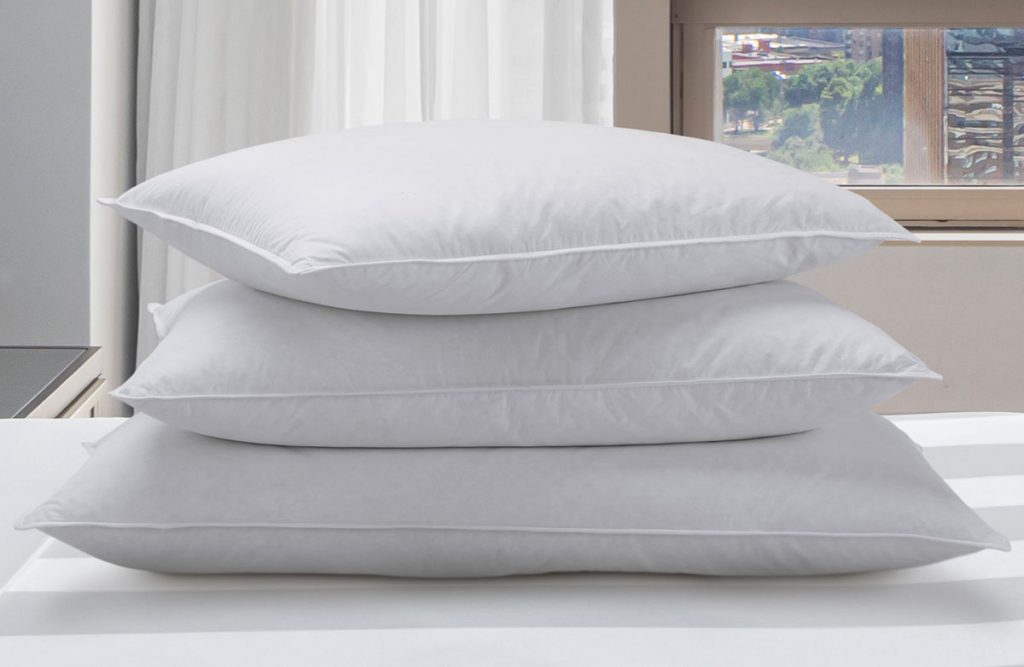
The Anatomy of a Hotel Pillow: Materials and Fillings
The hospitality industry does not rely on a one-size-fits-all approach. Instead, major chains like Hilton Worldwide and Hyatt Hotels invest heavily in research to determine which fillings provide the best support for the widest range of sleepers.
Down and Feather: The Classic Choice
For decades, the gold standard for luxury hotels has been down and feather pillows. These are favored for their incredible “loft”—the ability to remain fluffy and airy while providing a soft landing for the head. Most high-end establishments across Europe and North America utilize a blend of goose or duck down.
Down consists of the fluffy undercoating of birds, which provides insulation without the weight of quills. When a traveler stays at The Ritz-Carlton, they are likely resting on pillows sourced from companies like the Pacific Coast Feather Company. These pillows often feature a specific ratio, such as 75% down and 25% feathers, to balance softness with structural integrity. Feathers provide the “spring” that prevents the pillow from going flat, while the down provides the plushness.
Synthetic Down and Microfiber: The Hypoallergenic Alternative
As global travel expanded to Asia and beyond, hotels had to account for guests with allergies. This led to the rise of “down-alternative” pillows. These are typically filled with polyester microfibers that mimic the feel of natural down. Holiday Inn and Crowne Plaza frequently use high-quality synthetic fills because they are easier to launder frequently and are generally more durable in high-turnover environments.
Microfiber technology has advanced to the point where it is difficult for the average guest to distinguish between a synthetic pillow and a natural one. These fills are designed to be “breathable,” preventing the heat retention often associated with cheaper polyester pillows found in retail stores.
Memory Foam and Latex: Support for Modern Travelers
In tech-forward cities like Tokyo or San Francisco, many hotels have begun incorporating memory foam or latex options. Unlike down, which conforms to the shape of the head, memory foam provides targeted pressure relief. Brands like Tempur-Pedic have partnered with various luxury properties to offer specialized orthopedic support. These pillows are particularly popular in “wellness-focused” hotels, where sleep quality is treated as a primary amenity.
Why Hotel Pillows Feel More Luxurious Than Retail Options
Even when consumers buy pillows labeled “hotel quality” in the United States or Canada, they often find they don’t quite match the experience of a night at Four Seasons Hotels and Resorts. This is because the secret isn’t just in the filling; it’s in the construction and the surrounding layers.
The Double-Chamber Construction
One of the most significant secrets of the hospitality industry is the “chamber pillow.” Rather than having a uniform filling throughout, these pillows feature an inner core and an outer layer. The inner core is usually filled with supportive feathers or a firmer synthetic material, while the outer “chamber” is filled with plush, soft down. This ensures that the pillow has the “give” of a cloud while maintaining the support needed for the neck and spine. Westin Hotels & Resorts, famous for their “Heavenly Bed,” utilizes this multi-layered approach to ensure guests wake up without neck pain.
High Thread-Count Casings and Protectors
The tactile experience of a pillow is heavily influenced by its casing. Most hotels use 100% cotton covers with a high thread count, often starting at 300 and going much higher. These covers are woven tightly enough to prevent feathers from poking through, a process known as “down-proofing.”
Furthermore, hotels use high-quality pillow protectors. In a busy city like London, where turnover is high, these protectors serve two purposes: hygiene and loft. A clean, crisp protector adds an extra layer of air between the pillowcase and the filling, contributing to that “puffy” look and feel that defines a professional bed-making service.

The “Pillow Menu” Experience in Luxury Resorts
In ultra-luxury destinations like Dubai, the concept of a single pillow type is becoming obsolete. Properties under the St. Regis or Conrad Hotels banners often offer a “Pillow Menu.” This allows guests to choose from a variety of options including:
- Buckwheat Pillows: Common in Japan, these provide firm, cool support.
- Cooling Gel Pillows: Ideal for tropical climates or guests who “sleep hot.”
- Body Pillows: Frequently requested at Banyan Tree Hotels for side-sleepers or pregnant travelers.
- Lavender-Scented Pillows: Designed to promote relaxation and deep REM sleep.
Specific Pillow Secrets of World-Class Hotel Brands
Every major hotel chain has a “sleep signature.” These brands spend millions of dollars in research and development to create a proprietary sleep experience that guests will want to replicate at home.
The Marriott International Signature Style
Marriott International is known for its “Down Surround” pillow. This is the classic chamber pillow mentioned earlier, which has become a staple for their properties worldwide. They have streamlined their bedding to such an extent that they now operate a dedicated online store, allowing guests to purchase the exact pillows they used during their stay. Whether you are in Germany or Australia, the consistency of their pillow loft is a key part of their brand identity.
Hilton Worldwide and the Serenity Bed
Hilton Worldwide places a heavy emphasis on durability and hypoallergenic properties. Their “Serenity Bed” collection often features pillows with a unique polyester coil fill that provides more “bounce-back” than standard synthetic pillows. This ensures that the pillows look brand new for every guest, avoiding the flat, lifeless look that can plague lower-end accommodations.
The Westin Hotels & Resorts Heavenly Experience
Perhaps no brand is more associated with sleep than Westin Hotels & Resorts. Their “Heavenly” line was a pioneer in the industry, moving away from the traditional multicolored floral bedspreads of the 1990s toward an all-white, cloud-like aesthetic. Their pillows are specifically designed to be “oversized,” providing a sense of abundance and luxury that is immediately visible the moment a guest opens the door to their room.
How to Recreate the Hotel Sleep Experience at Home
If you have recently returned from a trip to France or Italy and find yourself missing the hotel bed, you can replicate the experience with a few strategic choices.
Choosing the Right Loft and Firmness
The “loft” refers to the height of the pillow when it is lying flat. Hotels usually provide a mix of “medium” and “firm” lofts on a single bed. To recreate this, purchase at least two different types of pillows. Use a firmer one as the base for support and a softer, down-filled one on top for that plush, “sinking in” feeling. If you are a side sleeper, look for a higher loft to fill the gap between your neck and the mattress. Back and stomach sleepers should opt for a lower loft.
Maintenance and the “Fluffing” Technique
One reason hotel pillows always feel so good is that they are professionally fluffed every single day. Housekeeping staff at properties like Sheraton Hotels and Resorts or W Hotels are trained to “karate chop” and hand-fluff pillows to redistribute the air within the fill.
At home, you can maintain your pillows by putting them in a dryer on a “no heat” or “air fluff” cycle with two clean tennis balls or dryer balls. This breaks up clumps in the down or synthetic fiber and restores the original volume. Additionally, replacing your pillows every 18 to 24 months—as many luxury hotels do—is essential for maintaining both support and hygiene.
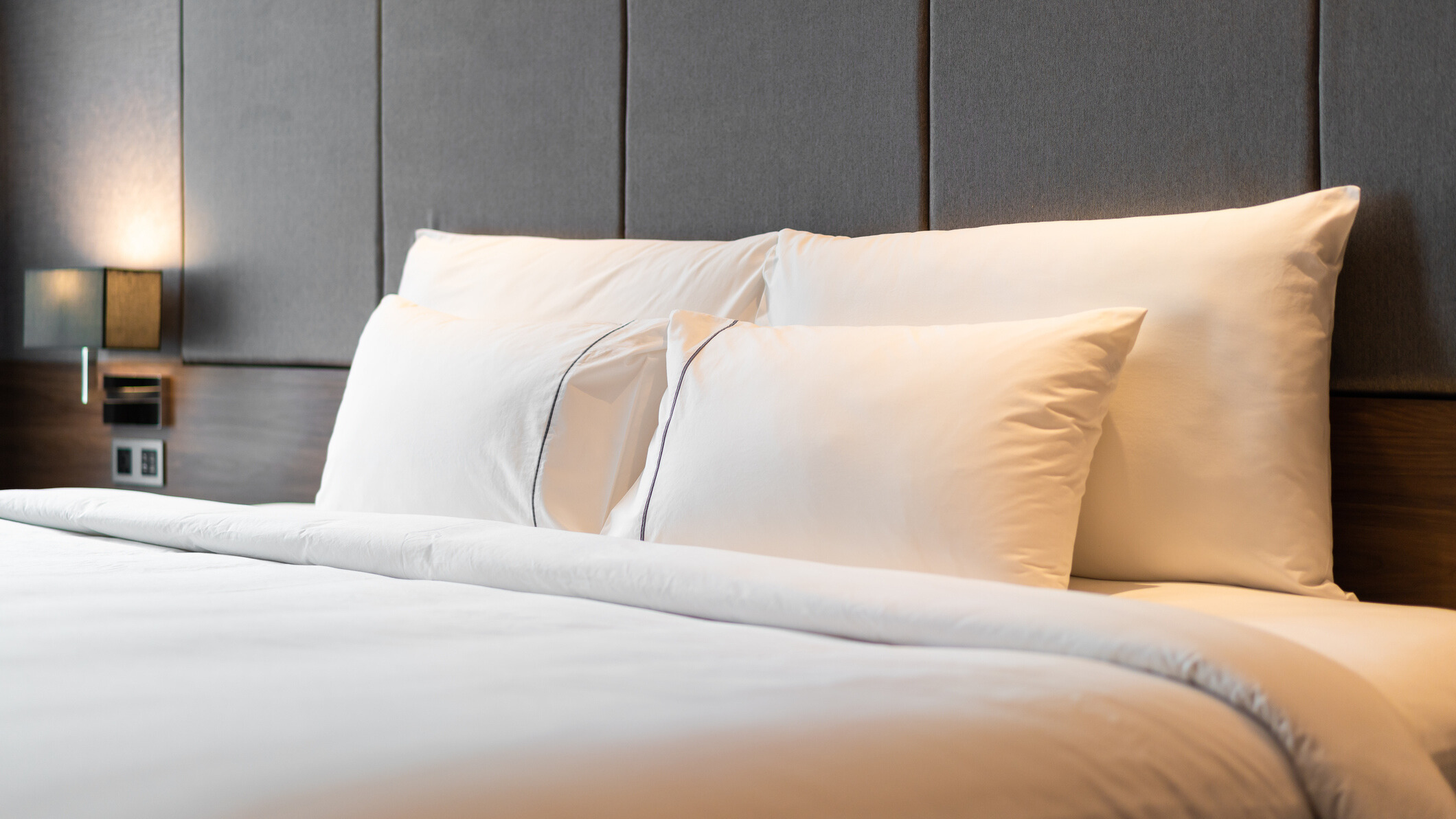
Investing in the Right Protectors
Do not underestimate the power of a high-quality pillow protector. In many hotels across Hungary and other textile-rich regions, the protector is considered just as important as the pillow itself. Look for a protector made from breathable cotton or bamboo. This not only protects the pillow from oils and moisture but also adds a slight layer of firmness that helps the pillow hold its shape throughout the night.
By understanding the materials, construction, and care that go into professional hospitality bedding, travelers can transform their own bedrooms into a sanctuary that rivals the finest suites at Marriott Bonvoy properties. While the view outside your window might not be the skyline of Hong Kong, the quality of your sleep can certainly be world-class.
LifeOutOfTheBox is a participant in the Amazon Services LLC Associates Program, an affiliate advertising program designed to provide a means for sites to earn advertising fees by advertising and linking to Amazon.com. Amazon, the Amazon logo, AmazonSupply, and the AmazonSupply logo are trademarks of Amazon.com, Inc. or its affiliates. As an Amazon Associate we earn affiliate commissions from qualifying purchases.