
For fans of literature and cinema, few buildings evoke the same sense of dread and fascination as the Overlook Hotel. Born from the imagination of Stephen King and brought to haunting visual life by Stanley Kubrick, the Overlook is more than just a setting; it is a character in its own right. However, for those seeking to visit the real-world location of this iconic landmark, the answer is not a single address, but rather a fascinating journey across three distinct locations that contributed to the mythos of the most famous haunted hotel in the world.

To understand where the hotel is, one must look at the historical inspiration in Colorado, the cinematic exterior in Oregon, and the architectural blueprints found in California. Each of these landmarks offers a unique glimpse into the creation of a cultural phenomenon.
The Literary Source: The Stanley Hotel in Estes Park
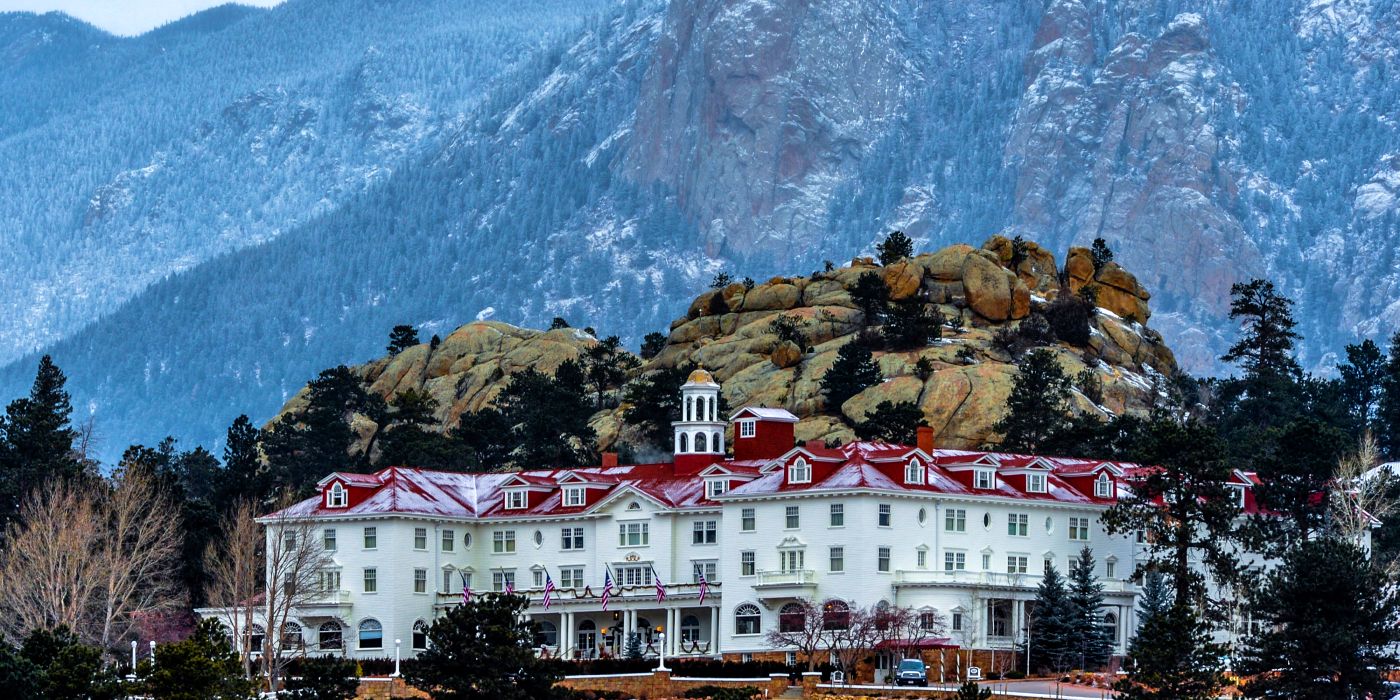
The spiritual home of the Overlook Hotel is The Stanley Hotel, located in the picturesque town of Estes Park. Nestled near the gateway to Rocky Mountain National Park, this grand estate served as the direct inspiration for Stephen King after a fateful stay in 1974.
A Night in Room 217
In late September of 1974, Stephen King and his wife, Tabitha, found themselves as the only guests at The Stanley Hotel just before it closed for the winter season. The eerie atmosphere of the vast, empty corridors and the wind whistling through the Rocky Mountains sparked the idea for a story about a winter caretaker descending into madness. King famously stayed in Room 217, which would later become the infamous Room 237 in the film adaptation (at the request of the filming location’s management). Today, The Stanley Hotel embraces its legacy, offering ghost tours and maintaining a library of King’s works for visitors.
Colonial Revival Architecture and History
Built by Freelan Oscar Stanley, the co-inventor of the Stanley Steamer automobile, the hotel opened in 1909. It was designed in the Colonial Revival style, characterized by its white wooden siding, red roof, and grand symmetrical facade. As a landmark, it represented the height of early 20th-century luxury travel for the elite of Denver and beyond. Unlike the isolated, dark fortress depicted in movies, the real landmark is bright, airy, and offers stunning views of Longs Peak. Its historical significance lies in its role as a pioneer of tourism in the United States West, being one of the first hotels in the region to be fully electrified.
The Modern Legacy of the Colorado Landmark
While The Stanley Hotel was not used for the filming of the 1980 movie, it did serve as the primary location for the 1997 television miniseries, which King wrote to be more faithful to his original vision. Today, the property is recognized on the National Register of Historic Places. It continues to be a pilgrimage site for fans of horror and history alike, bridging the gap between a turn-of-the-century mountain resort and a modern pop-culture icon.
The Cinematic Face: Timberline Lodge on Mount Hood
When viewers think of the imposing, snow-covered exterior of the Overlook Hotel from the Stanley Kubrick film, they are looking at Timberline Lodge. Located on the south slope of Mount Hood in Oregon, this landmark provided the cold, isolated aesthetic that the director required for his psychological masterpiece.
Cascadian Architecture and the WPA
Timberline Lodge is a masterpiece of Cascadian architecture, a style that emphasizes the use of local stone and timber to harmonize with the surrounding mountainous landscape. Built between 1936 and 1938 by the Works Progress Administration during the Great Depression, the lodge is a testament to American craftsmanship. Every piece of furniture and every hand-forged iron gate was created by local artisans. When Stanley Kubrick scouted the location, he chose it specifically for its “heavy” feel—the massive stones and dark wood suggested a place that could trap its inhabitants.
Filming the Exterior and the Room Number Controversy
While the exterior shots were filmed at Timberline Lodge, no interior filming took place there. Interestingly, the lodge management requested that Kubrick change the haunted room number from King’s original 217 to 237. They feared that guests would be too afraid to stay in Room 217 if it were depicted as a site of horror. Since Timberline Lodge does not actually have a Room 237, they felt the change would protect their future bookings. Ironically, Room 217 is now the most requested room at The Stanley Hotel, proving that horror fans are more than willing to face their fears for a good night’s sleep.
A High-Altitude Destination
Today, Timberline Lodge remains a premier destination for skiing and mountaineering in the Pacific Northwest. It sits at an elevation of 6,000 feet and is often buried in snow well into the summer months, much like the fictional Overlook. Visitors can still see the famous exterior where Jack Nicholson and Shelley Duvall were digitally inserted into the snowy landscape. As a National Historic Landmark, it attracts thousands of tourists who come not just for the film history, but to admire the rugged beauty of the Cascade Range.
The Internal Blueprint: The Ahwahnee Hotel and Studio Sets
While the outside of the Overlook is in Oregon, the inside—at least the inspiration for it—is located in Yosemite National Park. The Ahwahnee Hotel in California provided the aesthetic framework for the massive sets built at Elstree Studios in England.
The Influence of The Ahwahnee
The grand interiors of the Overlook, specifically the “Great Lounge” with its massive stone fireplace and Native American motifs, were modeled directly after The Ahwahnee Hotel. Kubrick’s production designer, Roy Walker, spent weeks photographing the hotel’s interiors. The high ceilings, enormous windows, and the specific red and gold color palette of the elevator lobby were all lifted from this Yosemite landmark. The choice of Native American patterns was particularly significant, as it fueled fan theories about the film being a commentary on the displacement of indigenous peoples in the Americas.
Recreating the Grandeur at Elstree Studios
Because Stanley Kubrick preferred to work close to his home in London, the vast majority of the film was shot on massive sets at Elstree Studios in Borehamwood. These sets were so large that they occupied several soundstages. The hedge maze, which does not exist at either the Oregon or California locations, was constructed on a backlot. The legendary “Colorado Lounge” was built with such attention to detail that even the light coming through the windows was carefully orchestrated using massive lighting rigs to mimic the high-altitude sun of the United States.
The Opening Shots: Glacier National Park
The geographic puzzle of the Overlook is completed by the film’s opening sequence. The sweeping aerial shots of the yellow Volkswagen Beetle driving through the mountains were filmed in Glacier National Park in Montana. Specifically, the car is seen traveling along the Going-to-the-Sun Road, passing Saint Mary Lake and Wild Goose Island. This location establishes the extreme isolation that is central to the story, even though the hotel itself is never physically present in Montana.
Visiting the Landmarks of The Shining Today
For the ultimate enthusiast, visiting the “Overlook Hotel” requires a multi-state road trip across the United States. Each location offers a different piece of the puzzle, allowing visitors to step into the world of the landmark.
A Tour of the American West
A journey might begin in Colorado at The Stanley Hotel. Here, the focus is on the literary history and the paranormal. The hotel has even leaned into the “maze” concept by planting a hedge maze on the front lawn, despite the original building not having one. Moving west, a stop at The Ahwahnee Hotel in California allows you to walk through the real-life corridors that inspired the film’s layout. The sense of scale in the dining room and lounge is instantly recognizable to anyone who has seen the movie.
Reaching the Summit in Oregon
The final stop for many is Timberline Lodge. Standing outside the massive wooden doors, one can look up at the same windows where the Torrance family supposedly peered out at the encroaching snow. The lodge offers a rugged, alpine experience that contrasts with the more refined atmosphere of The Stanley Hotel. Whether you are there for the history of the Great Depression era or the cinematic connection, it remains one of the most evocative landmarks in North America.

The Enduring Appeal of Cinematic Landmarks
Why do we continue to search for the “real” Overlook Hotel? It is because these landmarks represent the intersection of reality and imagination. While the hotel in the story is a place of horror, the physical buildings—The Stanley Hotel, Timberline Lodge, and The Ahwahnee Hotel—are monuments to architectural beauty and historical preservation. They remind us that the places we visit can hold stories far deeper than their foundations, and that sometimes, a landmark is more than just a destination; it is a gateway to another world.
LifeOutOfTheBox is a participant in the Amazon Services LLC Associates Program, an affiliate advertising program designed to provide a means for sites to earn advertising fees by advertising and linking to Amazon.com. Amazon, the Amazon logo, AmazonSupply, and the AmazonSupply logo are trademarks of Amazon.com, Inc. or its affiliates. As an Amazon Associate we earn affiliate commissions from qualifying purchases.