
Embarking on an Alaskan adventure promises breathtaking landscapes, unparalleled wildlife encounters, and a true immersion into the wild heart of nature. As travelers meticulously plan their itineraries, from cruising the majestic fjords of the Inside Passage to exploring the vast wilderness of Denali National Park, questions about the local fauna inevitably arise. Among the more common curiosities, and perhaps a source of mild apprehension for some, is the query: “Are there spiders in Alaska?” The straightforward answer is yes, spiders indeed inhabit the Last Frontier. However, for the vast majority of visitors, these eight-legged residents pose virtually no threat and are merely a natural component of Alaska’s incredibly diverse ecosystem. This guide aims to provide a comprehensive and reassuring look at Alaska’s arachnid population, ensuring that spider-related concerns do not overshadow the planning of an unforgettable travel experience.
Unveiling Alaska’s Eight-Legged Inhabitants: The Reality for Travelers
Alaska, with its vast and varied environments ranging from dense boreal forests to expansive tundras and rugged coastlines, provides habitat for a surprising array of insect and arachnid life. While the state might not be known for its large or dangerous spiders, they are an integral part of the ecological balance, playing a crucial role in controlling insect populations. For travelers, understanding the types of spiders present and their typical behaviors can help demystify any lingering worries.
The Diverse Arachnid Population of the Last Frontier
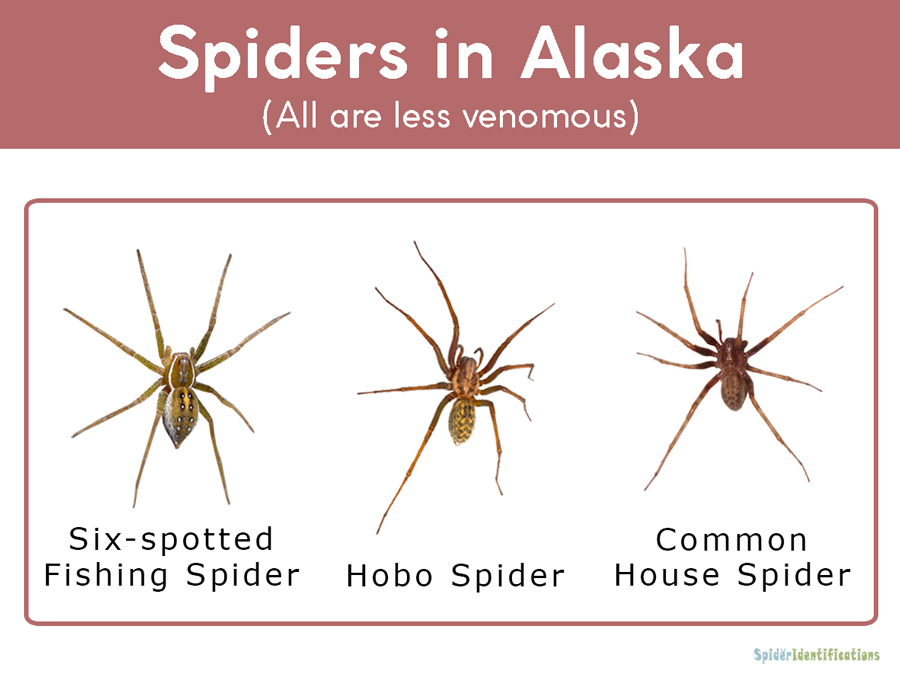
Contrary to some popular misconceptions or fears often fueled by sensational media, Alaska is not home to any dangerously venomous spider species that are native and widespread. You won’t find the notorious Black Widow or Brown Recluse spiders thriving in the Alaskan wilderness. The spiders that do inhabit Alaska are generally small, shy, and harmless to humans.
Common species travelers might encounter, albeit often fleetingly, include various types of:
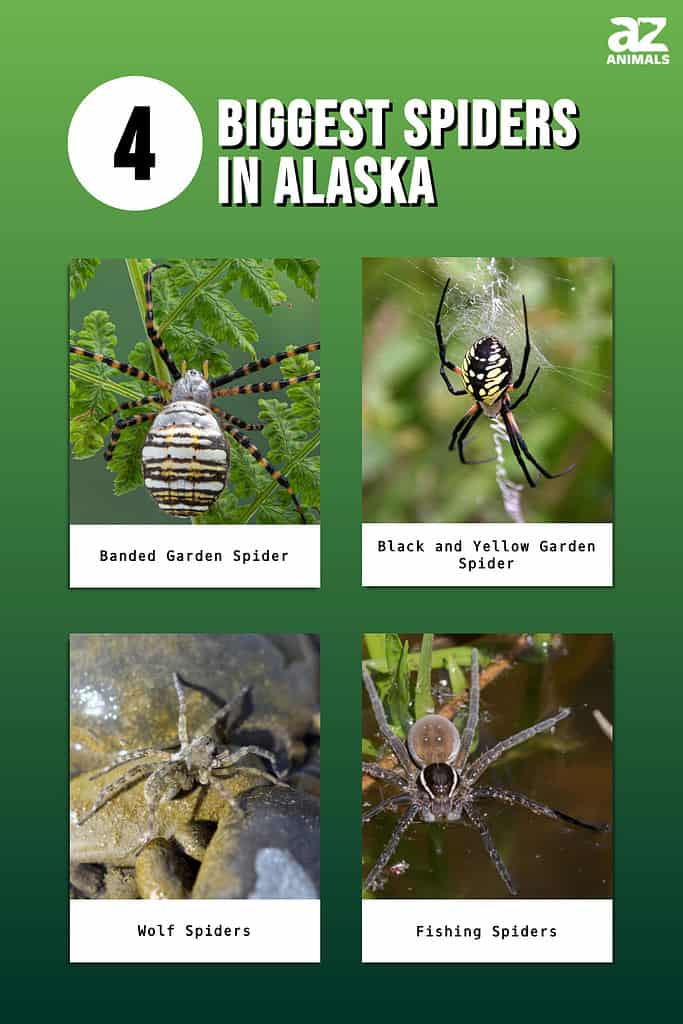
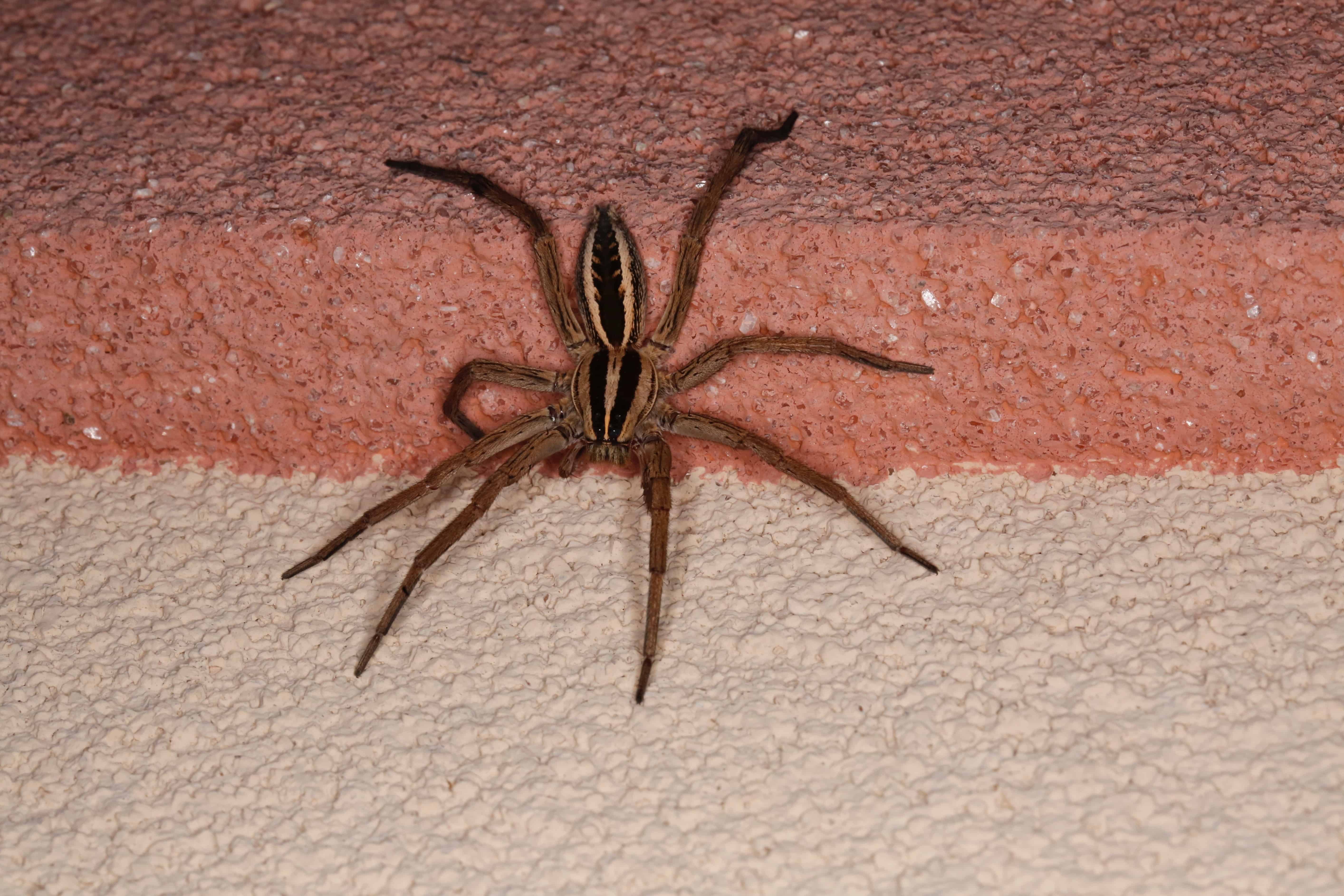
- Wolf Spiders: These active hunters are often seen scurrying across the ground in search of prey. They don’t build elaborate webs but rely on their speed and excellent eyesight. They are typically dark, hairy, and relatively large, which can sometimes startle people, but their bites are rare and mild, similar to a bee sting.
- Orb-Weaver Spiders: Known for constructing the classic spiral-shaped webs often seen between trees or shrubs. These spiders are more visible during warmer months, especially in forested areas or gardens. They are docile and primarily interested in catching flying insects.
- Jumping Spiders: Small, often fuzzy, and remarkably agile, jumping spiders are fascinating to observe. They have excellent vision and stalk their prey before pouncing. They are not aggressive towards humans and are more likely to jump away than bite.
- Funnel-Web Spiders: These spiders build sheet-like webs with a funnel-shaped retreat, often found in grassy areas, under rocks, or around human structures. Like other Alaskan spiders, they are not considered dangerous.
- House Spiders: As the name suggests, various species of common house spiders can be found inside cabins, lodges, and other accommodations, especially in more rural settings. These are generally small and help keep other household pests in check.
The sheer scale of Alaska means that spider distribution varies by region and habitat. From the coastal rainforests of Southeast Alaska to the interior’s vast forests and the Arctic tundra, each environment supports different species, all adapted to the state’s unique climatic conditions.
Where Spiders Call Home in the Alaskan Wilderness
Spiders in Alaska are resourceful creatures, establishing their homes in a variety of natural and semi-natural settings. For travelers engaged in outdoor activities, understanding these typical habitats can help in respectful cohabitation and minimize unexpected encounters.
- Forests and Woodlands: Dense spruce and birch forests, particularly around areas like Talkeetna or the Chugach National Forest near Anchorage, are prime locations for orb-weavers and various ground-dwelling spiders. Hikers exploring trails should be aware of webs spanning between trees, especially early in the morning.
- Tundra and Marshlands: In regions like the Arctic National Wildlife Refuge or wetland areas on the Kenai Peninsula, you might find wolf spiders or other ground-dwelling species adapted to cooler, moister conditions.
- Near Water Bodies: Spiders, like many insects, are drawn to areas with abundant prey. Lakes, rivers, and coastal areas (such as those around Seward or Juneau) can have higher insect populations, thus attracting spiders.
- Under Rocks and Logs: Many species prefer sheltered, damp environments. Campers or hikers who lift rocks or disturb logs might briefly expose these hidden residents.
- Human Structures: Rustic cabins, remote fishing lodges, and even some older buildings in towns like Fairbanks can offer shelter to common house spiders, especially in less-frequented corners.
Spider activity is most pronounced during Alaska’s warmer months, typically from late spring through early autumn, aligning perfectly with the peak tourist season. As temperatures rise and insect populations boom, spiders become more active in their pursuit of food. However, even during these periods, encounters are typically brief and harmless.
Dispelling Myths and Addressing Traveler Concerns
For many, the mention of spiders can conjure images of fear and discomfort. It’s important for travelers to Alaska to distinguish between cinematic portrayals or experiences in other regions and the actual reality of arachnids in the Last Frontier. The key takeaway is one of reassurance: spiders are not a significant concern for visitors.
Venomous Spiders: A Non-Issue for Alaskan Visitors
Let’s unequivocally address the primary concern: there are no dangerously venomous spiders native to Alaska that pose a serious health risk to humans. Bites from Alaskan spiders are exceedingly rare, and when they do occur, they are generally on par with a mosquito bite or a mild bee sting – causing minor localized irritation, redness, or itching that subsides quickly. Serious allergic reactions are extremely uncommon and not specific to Alaskan spiders.
While it is theoretically possible for a venomous spider from another region to hitchhike to Alaska via cargo or luggage, such occurrences are exceptionally rare and not a basis for general travel concern. Travelers can rest assured that a trip to Alaska does not come with the added worry of dangerous spider encounters.
Encountering Spiders: What to Expect and How to React
Despite their widespread presence, most travelers to Alaska will have minimal, if any, direct interaction with spiders. Encounters are most likely to occur when exploring natural areas or staying in rustic accommodations.
- Outdoor Exploration: While hiking or camping, you might spot a wolf spider scurrying away, or walk into an orb-weaver’s web stretched across a trail. These are typically accidental, and the spider will quickly retreat.
- Rustic Accommodations: In more remote lodges, cabins, or even tent camps, it’s not uncommon to see a small spider in a corner or on a wall. They are usually harmless house spiders seeking warmth or prey.
The best reaction to an encountered spider is simply to observe it respectfully from a distance. There’s no need for alarm. If a spider is inside your accommodation and causes discomfort, you can gently guide it outside using a cup and a piece of paper. Avoid direct contact and never provoke a spider, though aggression from Alaskan species is highly unlikely. Basic precautions, such as shaking out clothing or shoes left outdoors, are generally more for preventing encounters with other insects or debris than for spiders.
Beyond Spiders: Other Wildlife Considerations for Alaskan Adventures
To put the spider situation into perspective, travelers to Alaska will find that their wildlife considerations are dominated by much larger and more impactful creatures. Awareness regarding bears (grizzly, black, and polar), moose, and wolves is paramount for safety in the backcountry. Additionally, insects like mosquitoes and gnats, especially in peak summer months, are far more likely to impact a traveler’s comfort than spiders. Packing effective insect repellent and wearing appropriate clothing are practical steps that will enhance your enjoyment of Alaska’s outdoors far more than worrying about arachnids. Embracing the wild essence of Alaska means being prepared for its abundant and diverse wildlife, with spiders being a relatively benign part of that grand picture.
Preparing for Your Alaskan Expedition: Coexisting with Nature
A well-prepared traveler is a confident traveler. When planning your trip to Alaska, a few simple considerations can further enhance your peace of mind and ensure a comfortable journey, allowing you to fully appreciate the state’s magnificent natural beauty without undue concern for its eight-legged residents.
Practical Tips for a Comfortable and Worry-Free Trip
While specific spider precautions are minimal, general outdoor preparedness will serve you well across Alaska’s diverse environments:
- Clothing Choices: Opt for long sleeves and pants when hiking or exploring forested areas. This not only offers protection against the elements and scrapes but also minimizes skin exposure to insects, including the occasional spider that might wander onto your path. Sturdy hiking boots are essential for navigating varied terrain.
- Accommodation Awareness: If staying in very remote cabins or rustic lodges in areas like Ketchikan or Sitka, understand that you are sharing space with nature. While modern hotels in cities like Anchorage or Juneau will be largely pest-free, more wilderness-oriented accommodations may occasionally have small insects or spiders. This is part of the authentic Alaskan experience for many.
- Insect Repellent: While primarily for mosquitoes and gnats, a good quality insect repellent (with DEET or picaridin) can generally deter most crawling and flying insects from your person.
- Mindset: Adopt a mindset of respectful coexistence with nature. Spiders, like all creatures in Alaska, are simply trying to survive. They are not out to bother humans. Viewing them as a small, interesting part of the ecosystem can transform any mild apprehension into appreciation.
These simple steps are part of a broader strategy for enjoyable and safe travel in any wilderness setting, and they effectively address any minor concerns related to spiders without requiring excessive effort or specialized equipment.
Enhancing Your Alaskan Travel Experience
The reasons to visit Alaska are myriad and profoundly inspiring. Travelers flock to witness the majestic glaciers of Glacier Bay National Park, embark on wildlife cruises to spot whales and puffins, marvel at the incredible scale of Denali, or chase the ethereal glow of the Northern Lights in regions like Fairbanks. The state offers unparalleled opportunities for fishing, hiking, kayaking, and immersing oneself in a landscape largely untouched by human development.
The presence of harmless spiders should absolutely not detract from the planning or enjoyment of these incredible experiences. Instead, it serves as a gentle reminder of the thriving, interconnected ecosystems that make Alaska such a unique and vital place on Earth. Focus on the grand adventures that await, the breathtaking vistas, and the profound sense of wilderness that defines this extraordinary destination.
Conclusion: Embracing the Wild Beauty of Alaska
In summary, for those asking, “Are there spiders in Alaska?”, the answer is a definitive yes, but with a crucial caveat: they are overwhelmingly harmless to humans and do not pose a significant concern for travelers. Alaska’s arachnid population consists primarily of common, non-venomous species that play a natural role in the ecosystem. Dangerous spiders like the Black Widow or Brown Recluse are not native to the state, and encounters with any spider are typically rare and innocuous.
Travelers to Alaska should prioritize preparing for its more significant wildlife encounters, such as bears and moose, and managing the more pervasive presence of mosquitoes and gnats. With sensible outdoor practices and a respectful appreciation for nature, the minimal presence of spiders will quickly fade into the background as you become captivated by the awe-inspiring beauty, pristine wilderness, and unforgettable adventures that only Alaska can offer. Let the incredible journey to the Last Frontier be defined by its majestic landscapes and unique experiences, not by unfounded arachnophobia.
LifeOutOfTheBox is a participant in the Amazon Services LLC Associates Program, an affiliate advertising program designed to provide a means for sites to earn advertising fees by advertising and linking to Amazon.com. Amazon, the Amazon logo, AmazonSupply, and the AmazonSupply logo are trademarks of Amazon.com, Inc. or its affiliates. As an Amazon Associate we earn affiliate commissions from qualifying purchases.