
Detroit, often called the Motor City, is a vibrant metropolis with a rich and complex history. Its demographic makeup is a critical component of its identity, deeply influencing its culture, economy, and unique character, making it a compelling destination for tourists. Understanding the racial composition of Detroit provides essential context for appreciating its dynamic local culture, diverse culinary scene, array of activities, and offers valuable tips for visitors seeking an authentic experience.
According to recent U.S. Census Bureau estimates, the Black population constitutes a significant majority of Detroit’s residents, typically ranging from 77% to 80%. This makes Detroit one of the largest major cities in the United States with a predominantly Black population. This demographic reality is not merely a statistic; it is the bedrock upon which much of the city’s unique charm, resilience, and cultural contributions are built, offering a distinctive lens through which visitors can explore this iconic American city.
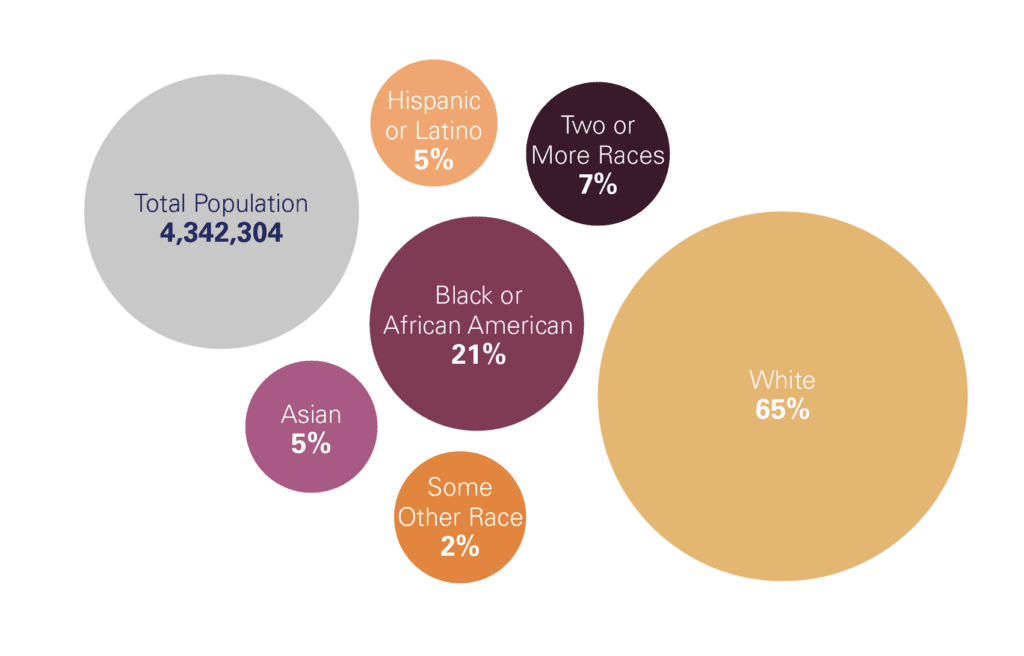
Understanding Detroit’s Demographic Landscape
The current demographic profile of Detroit is a direct result of historical movements, economic shifts, and social developments that have profoundly shaped the city over the past century. To truly appreciate what Detroit offers tourists today, it’s vital to grasp these underlying factors.
Historical Context of Population Shifts
Detroit’s story is inextricably linked to the automotive industry. In the early 20th century, the booming factories of automotive pioneers like Henry Ford offered unprecedented job opportunities, drawing millions of people to the city. Among them were hundreds of thousands of African Americans participating in the Great Migration from the Southern United States, seeking economic opportunities and escaping racial segregation and violence. This influx led to a dramatic increase in Detroit’s Black population, transforming neighborhoods like Paradise Valley and Black Bottom into vibrant cultural and economic hubs.
However, the latter half of the 20th century saw significant changes. Economic downturns, deindustrialization, suburbanization, and social unrest contributed to a substantial population decline, particularly among white residents, a phenomenon often referred to as “white flight.” This left a city whose core population remained largely African American, reinforcing its identity as a historically Black-majority city. This narrative of migration, growth, decline, and now resurgence, imbues Detroit with layers of history and resilience that are palpable to any visitor.
Current Demographics and Diversity
While the Black population remains the majority, contemporary Detroit is increasingly diverse. There are growing Latino communities, particularly in areas like Mexican Town, as well as significant Arab American and other ethnic groups. This mosaic of cultures contributes to the city’s rich tapestry, offering visitors a broader spectrum of experiences. However, the dominant African American demographic ensures that Black culture, history, and perspectives remain central to the city’s identity and its appeal as a tourist destination. Exploring Detroit means engaging with a city where African American heritage is not just acknowledged but celebrated, woven into its very fabric.
The Heartbeat of Culture: African American Influence on Detroit Tourism
The profound influence of Detroit’s Black community is perhaps most evident in its vibrant cultural scene, which serves as a major draw for tourists from around the globe. From groundbreaking music to dynamic art and intellectual contributions, the city’s cultural offerings are deeply rooted in African American experiences and creativity.
Music Heritage: Motown and Beyond
No discussion of Detroit’s culture is complete without mentioning Motown. The legendary record label, founded by Berry Gordy Jr., revolutionized popular music and gave voice to an entire generation. Artists like The Supremes, Stevie Wonder, Marvin Gaye, and Diana Ross transcended racial barriers, creating a sound that united people worldwide. A visit to the Motown Museum (Hitsville U.S.A.) is an absolute must, offering an intimate look at the studio where these iconic sounds were born. It’s an emotional journey through music history that highlights the incredible ingenuity and talent that emerged from Detroit’s Black community.
Beyond Motown, Detroit also played a pivotal role in the development of techno music, a genre pioneered by Black artists in the city during the 1980s. The city’s thriving jazz scene, deeply influenced by earlier migrations, continues to flourish, with numerous clubs and festivals celebrating this rich tradition. For music lovers, Detroit offers an unparalleled pilgrimage through the evolution of American sound, all heavily influenced by its Black residents.
Art, Murals, and Creative Expression
Detroit’s streets are an open-air gallery, bursting with murals, public art installations, and community-driven creative projects, many of which reflect African American history and contemporary experiences. Areas like the Grand River Creative Corridor and various neighborhoods showcase powerful imagery, vibrant colors, and compelling narratives that tell stories of resilience, struggle, and hope.
The Detroit Institute of Arts (DIA) houses an impressive collection, including significant works by African American artists and exhibitions that explore Black history and culture. Smaller galleries and independent art spaces across the city further amplify diverse voices, ensuring that visitors encounter a rich tapestry of artistic expression that speaks to the soul of Detroit.
Literature and Intellectual Contributions
Detroit’s Black community has also been a wellspring of literary and intellectual talent. From early 20th-century poets and playwrights to contemporary authors and thinkers, the city has fostered an environment of critical thought and storytelling. The city’s libraries, independent bookstores, and community centers often host events celebrating these contributions, providing a deeper understanding of the intellectual landscape shaped by African American voices. Understanding this facet enriches a tourist’s appreciation for Detroit’s cultural depth beyond just music and visual arts.
A Culinary Journey: Flavors of Detroit’s Black Community
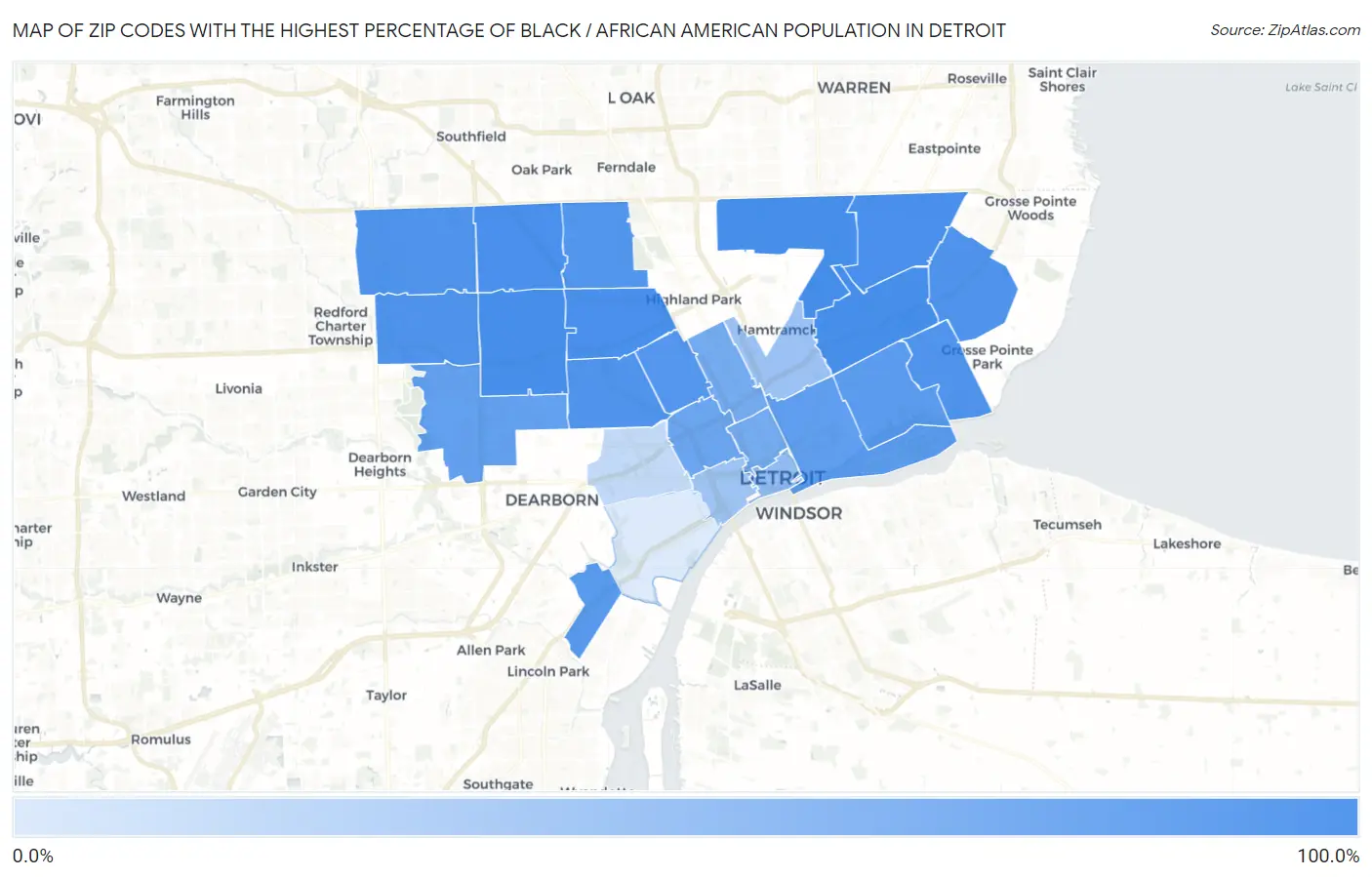
Food is an indispensable part of any travel experience, and Detroit’s culinary scene is a delicious reflection of its diverse population, with African American traditions at its core. Tourists can embark on a flavorful journey that ranges from comforting soul food to innovative modern cuisine.
Soul Food Staples and Modern Takes
For many, a visit to Detroit isn’t complete without indulging in authentic soul food. Restaurants across the city serve up classic dishes like fried chicken, collard greens, macaroni and cheese, cornbread, and candied yams. These establishments are more than just eateries; they are community pillars, embodying culinary traditions passed down through generations and offering a taste of home and heritage. Places like Sweet Potato Sensations or Damon’s Steakhouse (known for more than just steaks, but a local staple) provide an authentic dive into this beloved cuisine.
Beyond traditional soul food, Detroit is also seeing a resurgence of chefs and restaurateurs putting modern twists on these classics, incorporating global influences while staying true to their roots. This culinary evolution provides exciting options for those seeking both comfort and innovation.
Emerging Food Scenes and Entrepreneurs
The spirit of entrepreneurship is strong within Detroit’s Black community, and this is highly visible in its food scene. New cafes, bakeries, and pop-up restaurants, often Black-owned, are continually emerging, contributing to a dynamic and evolving culinary landscape. Visiting these establishments not only offers delicious food but also supports local businesses and contributes directly to the city’s revitalization. Food tours focusing on specific neighborhoods or culinary themes are excellent ways for tourists to explore this vibrant aspect of Detroit’s culture.
Exploring Iconic Sites and Experiences
Detroit’s demographic reality has also shaped many of its most iconic sites and experiences, providing tourists with unique opportunities to connect with history and community.
Museums and Historical Sites
The Charles H. Wright Museum of African American History is a paramount destination. As one of the world’s largest institutions dedicated to the African American experience, it offers comprehensive exhibits on slavery, the Civil Rights Movement, the Great Migration, and the countless contributions of African Americans to arts, sciences, and society. A visit here is profoundly educational and moving, providing crucial context for understanding Detroit and the United States as a whole.
Alongside the Motown Museum, other historical markers and sites throughout the city commemorate figures like Rosa Parks, whose courageous act against segregation took place in Montgomery, Alabama but whose later life was spent in Detroit, and Aretha Franklin, the Queen of Soul, who called Detroit home. These sites offer powerful insights into the struggles and triumphs of the Black community.
Neighborhoods to Discover
Exploring Detroit’s neighborhoods offers a localized and authentic experience. While downtown and Midtown have seen significant redevelopment, venturing into areas like New Center, Boston-Edison Historic District, or even parts of the East Side reveals a different rhythm of life, characterized by historic homes, community gardens, and local businesses. These areas provide a glimpse into the everyday lives and enduring spirit of Detroit’s predominantly Black residential areas. Walking tours or guided experiences focusing on these neighborhoods can enrich a tourist’s understanding of the city beyond its commercial core.
Additionally, the bustling Eastern Market, one of the oldest and largest historic public markets in the United States, is a vibrant hub where many local, Black-owned businesses thrive, selling everything from fresh produce to artisanal goods. The Detroit Riverwalk also offers beautiful views and access to parks and public spaces, often hosting community events and festivals that celebrate the city’s diverse heritage.
Tips for Travelers: Engaging with Detroit’s Rich Heritage
For tourists visiting Detroit, engaging thoughtfully with its rich African American heritage is key to a rewarding experience.
Respectful Exploration
Approach your visit with an open mind and a willingness to learn. Detroit’s history is one of immense challenges and extraordinary resilience. Take the time to understand the narratives presented in museums and historical sites, and recognize the impact of historical events on the city’s present. Engage with local residents, hear their stories, and appreciate the vibrant community spirit that defines Detroit. This respectful engagement elevates a casual visit into a meaningful cultural exchange.

Supporting Local Black-Owned Businesses
One of the most impactful ways to contribute positively to Detroit’s community is by patronizing local Black-owned businesses. This includes restaurants, boutiques, art galleries, and service providers. Websites and local guides often highlight these businesses, making it easy for tourists to direct their spending in a way that supports the economic empowerment of the community that forms the backbone of Detroit’s identity. By choosing to eat at a soul food restaurant, buy art from a local Black artist, or stay in a lodging that supports the community, visitors play a direct role in fostering Detroit’s continued growth and vibrancy.
In conclusion, the fact that a significant majority of Detroit’s population is Black is not merely a demographic detail; it is the fundamental characteristic that shapes its identity, culture, and appeal as a tourist destination. From the iconic sounds of Motown to the profound narratives within its museums, and from its soulful cuisine to its vibrant artistic expressions, the African American heritage is deeply embedded in every aspect of the Detroit experience. For any traveler seeking an insightful, engaging, and truly authentic journey, understanding and appreciating this rich legacy is paramount to unlocking the true spirit of the Motor City.
LifeOutOfTheBox is a participant in the Amazon Services LLC Associates Program, an affiliate advertising program designed to provide a means for sites to earn advertising fees by advertising and linking to Amazon.com. Amazon, the Amazon logo, AmazonSupply, and the AmazonSupply logo are trademarks of Amazon.com, Inc. or its affiliates. As an Amazon Associate we earn affiliate commissions from qualifying purchases.