
Florida, renowned for its sun-kissed beaches, vibrant nightlife, and world-class theme parks, draws millions of tourists each year seeking diverse experiences. However, amidst the myriad of legal recreational activities, a growing curiosity surrounds the legal status of certain substances, specifically psilocybin, commonly known as magic mushrooms. For visitors and residents alike, understanding the legal landscape concerning such substances is paramount, not only for adherence to the law but also for responsible tourism and personal safety. This article delves into the current legal standing of magic mushrooms in the Sunshine State, exploring the implications for tourism, ongoing reform efforts, and what potential visitors need to know to navigate Florida’s unique environment responsibly.

The Current Legal Landscape for Psilocybin in Florida
The question of whether magic mushrooms are legal in Florida can be answered unequivocally: No, psilocybin remains largely illegal under both federal and state law. While a global shift towards re-evaluating psychedelics for their therapeutic potential is underway, Florida has yet to enact broad reforms that would decriminalize or legalize psilocybin for recreational or medicinal use. This fact is crucial for anyone considering a trip to the state, as ignorance of the law is not a viable defense.
Federal Law vs. State Initiatives
At the federal level, psilocybin is classified as a Schedule I controlled substance under the United States Controlled Substances Act. This classification, overseen by the Drug Enforcement Administration (DEA), signifies that psilocybin has a high potential for abuse, no currently accepted medical use, and a lack of accepted safety for use under medical supervision. This federal stance casts a long shadow over any state-level efforts, meaning that even if Florida were to decriminalize or legalize psilocybin, federal law enforcement could still intervene, especially in cases involving interstate commerce or large-scale distribution. This dual legal framework creates complexities for states that choose to diverge from federal prohibitions, as seen with cannabis.
Specific Florida Statutes and Penalties
In Florida, statutes align closely with federal regulations. Possessing, selling, or manufacturing psilocybin is a felony. The severity of penalties typically depends on the quantity of the substance involved. For example, possession of small amounts can lead to third-degree felony charges, carrying potential sentences of up to five years in prison and a fine of up to $5,000. Larger quantities can result in more severe charges, including first-degree felonies with significantly longer prison terms and higher fines. These stringent laws serve as a clear deterrent, indicating that Florida is not a destination where visitors can expect leniency regarding psilocybin-related offenses. Tourists, in particular, must be acutely aware that being caught with illegal substances can lead to severe legal consequences, including incarceration and significant disruption to travel plans.
Decriminalization Efforts and Their Limitations
Despite the current legal status, there have been nascent efforts in various Florida cities and at the state level to reconsider psilocybin laws. Miami, Orlando, and Tampa, among other municipalities, have seen discussions and proposals related to decriminalization, often driven by advocates highlighting the therapeutic potential of psychedelics. However, these efforts have largely been incremental and have not yet resulted in widespread, official decriminalization policies that would significantly alter the legal risks for individuals. Unlike full legalization, decriminalization typically means that possession of small amounts of a substance for personal use is treated as a minor offense, similar to a traffic ticket, rather than a criminal charge. Crucially, it does not make the substance legal; it merely reduces the penalties. As of now, such measures have not taken firm root across Florida, meaning the legal risks associated with psilocybin remain high for anyone in the state.
Psilocybin’s Emerging Role in Health and Wellness Tourism
While psilocybin remains illegal in Florida, the global conversation around its therapeutic potential is influencing how some destinations position themselves for future health and wellness tourism. This emerging sector often focuses on alternative therapies, mindfulness, and holistic well-being. Should the legal status of psilocybin evolve, Florida, with its established health tourism infrastructure and wellness retreats, could theoretically become a significant player. However, this is a future scenario highly dependent on legislative changes and regulatory frameworks that prioritize safety, ethics, and medical oversight.
Research and Therapeutic Potential
Extensive research, particularly from institutions like Johns Hopkins University and Imperial College London, has demonstrated psilocybin’s promising efficacy in treating various mental health conditions, including depression, anxiety, PTSD, and addiction. These studies suggest that psilocybin, when administered in controlled, therapeutic settings with professional guidance, can facilitate profound psychological insights and lasting positive changes. The focus is not on recreational use but on carefully structured, medically supervised experiences that integrate psychotherapy. This scientific validation is a key driver behind the global push for psychedelic reform, laying the groundwork for how a future psilocybin-assisted therapy industry might operate.
The Concept of “Psychedelic Tourism” and its Ethical Considerations
The discussion around psilocybin’s therapeutic uses has given rise to the concept of “psychedelic tourism,” where individuals travel to destinations where psilocybin-assisted therapy or ceremonial use is legal or tolerated. Places like Jamaica, Mexico, and parts of Brazil have seen growth in this niche, offering guided retreats. However, this phenomenon also raises significant ethical and safety concerns. Without robust regulatory oversight, participants may be vulnerable to unqualified practitioners, unsafe environments, or exploitation. For Florida to ever consider this path, it would need to develop a comprehensive framework that ensures patient safety, ethical practice, and medical legitimacy, moving far beyond mere decriminalization. The emphasis must shift from unregulated access to carefully controlled, medically responsible services.
How Other Destinations Are Approaching Psilocybin-Assisted Therapy
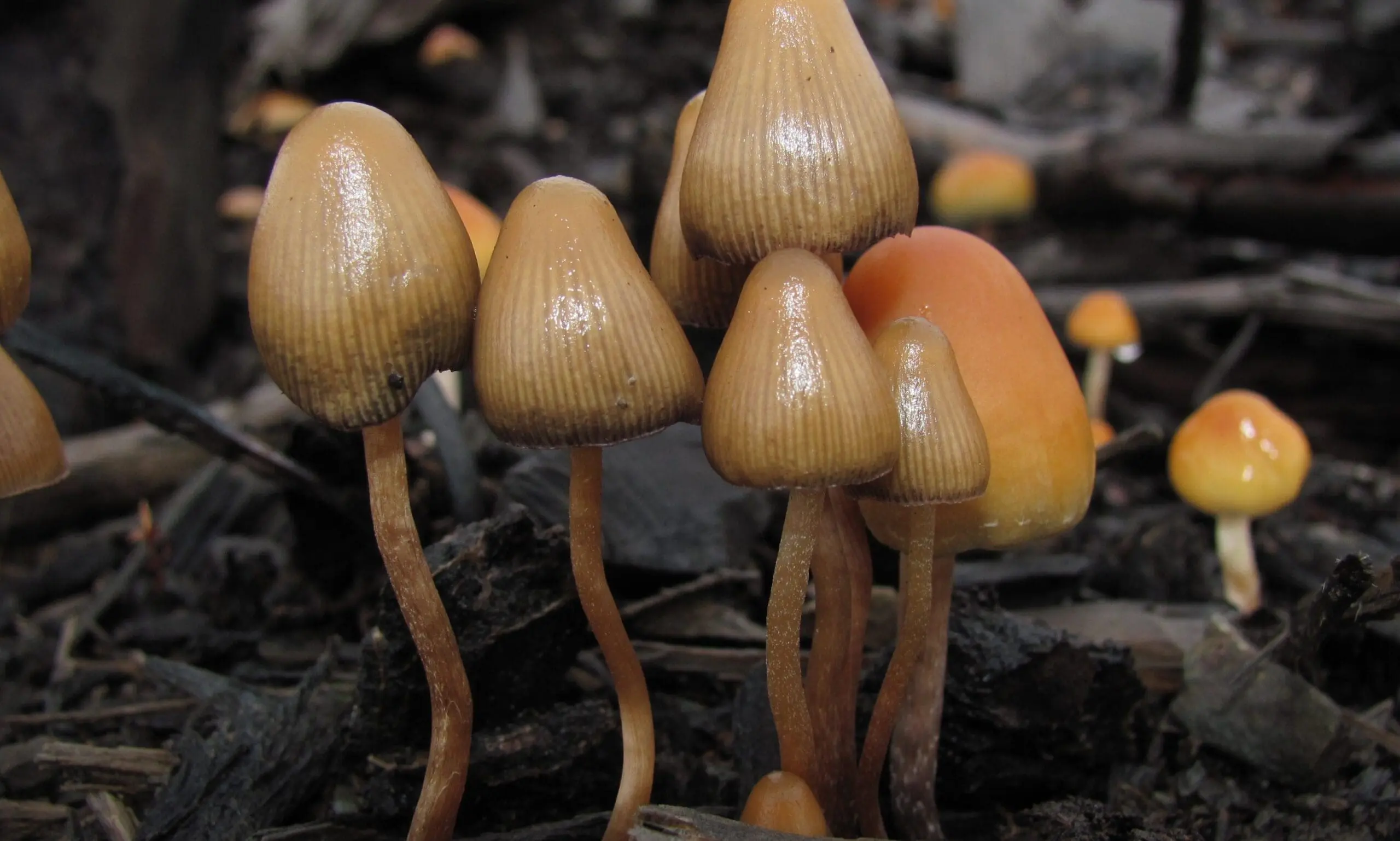
Several jurisdictions globally and within the United States are exploring or have already implemented progressive approaches to psilocybin. Oregon became the first U.S. state to legalize psilocybin for supervised therapeutic use in licensed service centers, setting a precedent for regulated access. Colorado has also passed similar measures, allowing for the regulated medical and therapeutic use of natural psychedelics. Internationally, the Netherlands has a long-standing tolerance policy for psilocybin truffles, and countries like Canada are granting exemptions for end-of-life care. These models offer blueprints for how a state like Florida might approach the integration of psilocybin into its health and wellness tourism offerings, but they underscore the extensive legal, medical, and ethical groundwork required before any such shift could occur. For now, these remain distant models rather than current realities for visitors to Florida.
Navigating Florida’s Tourism Scene Responsibly
Given the stringent laws surrounding psilocybin in Florida, responsible tourism dictates that visitors prioritize legal and safe activities. The state offers an abundance of attractions and experiences that are entirely within legal bounds, providing ample opportunity for an enjoyable and memorable trip without engaging in risky or illegal behaviors. Understanding and respecting local laws is fundamental to a hassle-free vacation.
Legal Recreational Activities in Florida
Florida is a playground for diverse interests. Tourists can explore the magical realms of Walt Disney World Resort and Universal Orlando Resort, relax on the pristine sands of South Beach in Miami, or dive into the vibrant marine life of the Florida Keys, including the unique charm of Key West. Ecotourism thrives in the Everglades National Park, offering airboat rides and wildlife viewing. For those seeking cultural experiences, cities like St. Augustine provide a glimpse into early American history, while Miami offers a rich tapestry of Latin American influences in its food, music, and art scenes. These myriad options ensure that every visitor can find activities that align with their preferences and are fully compliant with state and federal laws.
Health and Safety Advice for Visitors
Beyond legal considerations, general health and safety advice is crucial for any traveler to Florida. Always stay hydrated, especially in the intense sun, and use sunscreen to prevent sunburn. Be aware of local wildlife, particularly in natural areas, and follow guidelines for swimming in oceans and lakes. For any medical concerns, have travel insurance and know the location of local hospitals or urgent care centers. Crucially, when it comes to substances, avoid purchasing or consuming anything from unregulated sources. The risks associated with unregulated substances, including contamination or misidentification, can have severe health consequences, in addition to the legal repercussions. Sticking to legal, regulated goods and services is always the safest approach.
Understanding Local Laws to Avoid Complications
The most straightforward way to avoid complications during a trip to Florida is to be well-informed about and strictly adhere to local laws. This includes not only drug laws but also regulations concerning alcohol consumption, driving, and public behavior. Laws can vary slightly by county or city, so a general awareness is beneficial. For instance, open container laws for alcohol are strictly enforced in many public areas. Engaging in illegal activities, particularly those involving controlled substances like psilocybin, can result in immediate arrest, substantial fines, and imprisonment, which can irrevocably damage a vacation and lead to long-term legal issues. Tourists should exercise common sense and responsible decision-making to ensure their visit to Florida remains positive and problem-free.
The Future of Psilocybin and Tourism in Florida
While the present legal situation in Florida regarding psilocybin is clear, the future may hold different possibilities. As scientific research continues to unveil the therapeutic benefits of psychedelics, and as other states and countries move towards various forms of legalization or decriminalization, Florida may eventually re-evaluate its stance. Any such change, however, would likely be a gradual process, heavily influenced by public opinion, medical consensus, and legislative action.
Potential Economic Impacts of Legalization/Decriminalization
If Florida were to eventually move towards legalization or widespread decriminalization of psilocybin, particularly for therapeutic use, it could have significant economic impacts. This could potentially open new avenues for health and wellness tourism, attracting individuals seeking supervised psilocybin-assisted therapy. The state’s existing infrastructure of resorts, wellness centers, and medical facilities could be adapted to accommodate this niche. However, such an industry would require rigorous licensing, training, and regulatory oversight to ensure safety and ethical practices. The economic benefits, while potentially substantial, would need to be weighed against public health considerations and the social impact of such a shift.
Regulatory Frameworks and Public Health Concerns
Any move towards legalizing or decriminalizing psilocybin in Florida would necessitate the development of robust regulatory frameworks. These frameworks would need to address cultivation, processing, distribution, and consumption, particularly for therapeutic applications. Public health concerns, including potential risks for individuals with certain mental health conditions and the prevention of recreational misuse, would be paramount. Lessons could be learned from states like Oregon and Colorado, which are pioneering regulated psilocybin service models. Establishing clear guidelines for dosage, supervision, and aftercare would be essential to integrate psilocybin safely into the state’s health and tourism landscape.

Comparing Florida to Other Progressive Regions
Florida’s current legal status for psilocybin stands in stark contrast to more progressive regions like Oregon, Colorado, and even certain cities in California that have decriminalized natural psychedelics. These regions serve as real-world laboratories, demonstrating various approaches to managing public access and therapeutic use of psilocybin. The experiences and outcomes in these areas will undoubtedly inform future policy discussions in Florida. While Florida is known for its sometimes conservative approach to drug policy, the state also possesses a strong medical research community and a significant health tourism sector, which could eventually provide the impetus for a re-evaluation of its psilocybin laws, aligning it with a growing global trend toward psychedelic renaissance. Until then, tourists must respect and abide by the existing legal framework.
LifeOutOfTheBox is a participant in the Amazon Services LLC Associates Program, an affiliate advertising program designed to provide a means for sites to earn advertising fees by advertising and linking to Amazon.com. Amazon, the Amazon logo, AmazonSupply, and the AmazonSupply logo are trademarks of Amazon.com, Inc. or its affiliates. As an Amazon Associate we earn affiliate commissions from qualifying purchases.