
For decades, the desert landscapes of Nevada have held a secret that has captured the global imagination. Known officially as Groom Lake or the Homey Airport, the facility colloquially known as Area 51 remains one of the most enigmatic destinations in the United States. For travelers based in Las Vegas, the allure of the unknown often prompts a day trip or an overnight expedition into the heart of the Mojave Desert. Understanding the distance, the route, and the logistical requirements is essential for anyone looking to transition from the neon lights of the Las Vegas Strip to the silent, watchful gates of the world’s most famous secret base.
Mapping the Journey: Distance and Primary Routes
The physical distance between Las Vegas and the outskirts of Area 51 is approximately 83 miles as the crow flies, but the actual travel distance by road is significantly longer due to the mountainous terrain and the restricted nature of the airspace and ground territory. Most travelers should expect a drive of roughly 130 to 150 miles one way, depending on which “gate” or viewing point is the final destination.
The Drive from Las Vegas
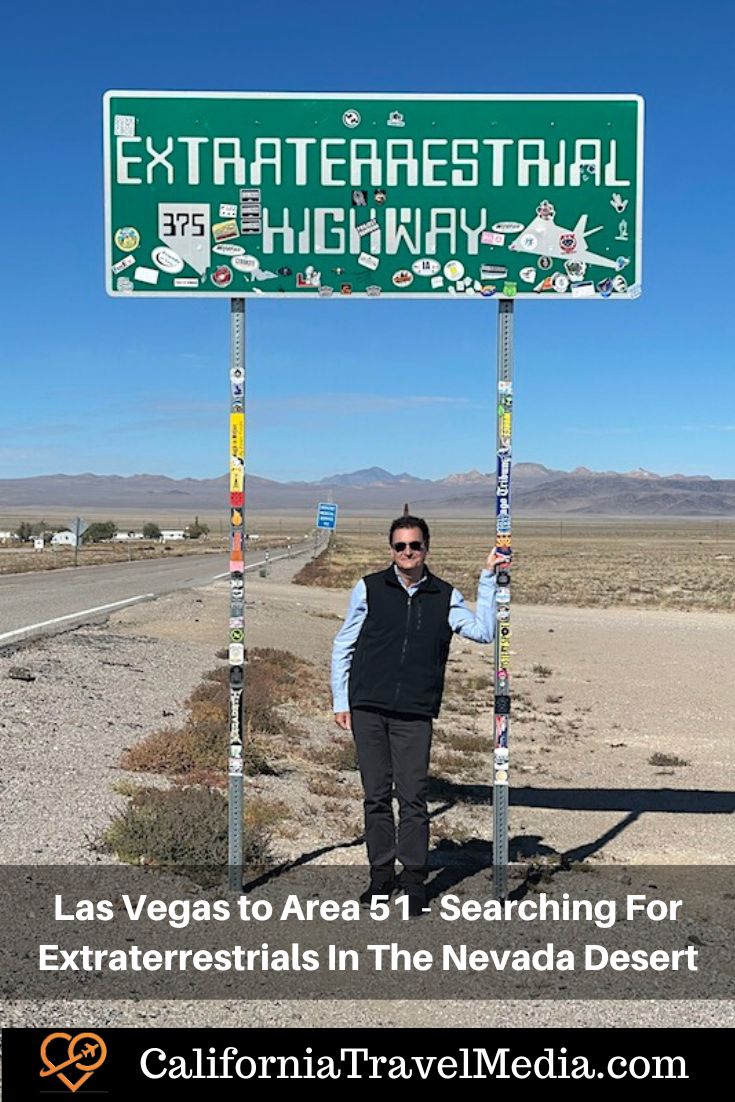
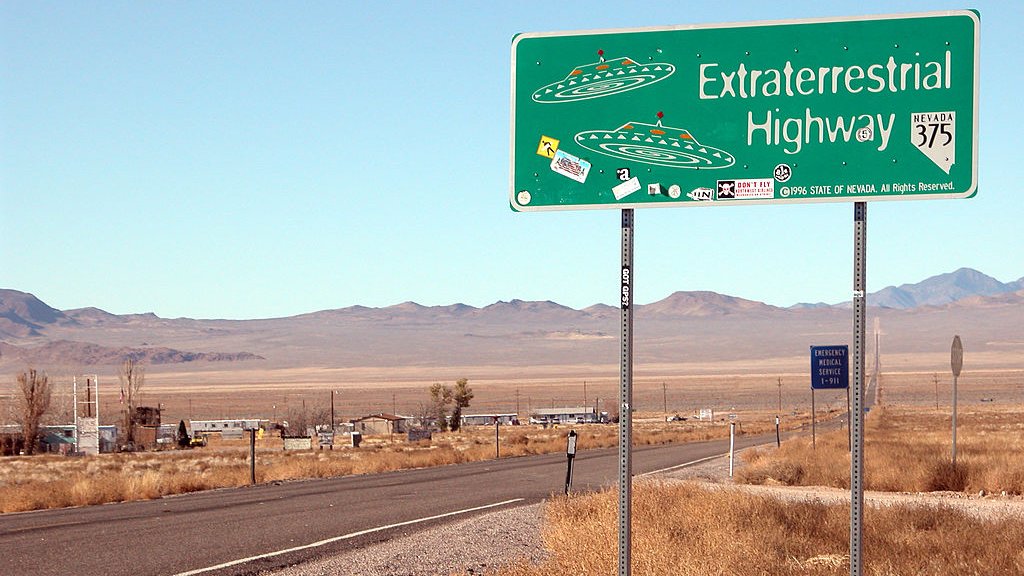
The journey typically begins by heading north out of the city via Interstate 15 before transitioning onto US-93 North. This initial stretch takes you through the sweeping valleys of the Great Basin Desert. The drive is a stark contrast to the urban sprawl of Nevada’s largest city, offering travelers a chance to see the rugged beauty of the Sheep Range. After about 90 minutes of driving, you will reach the intersection with Nevada State Route 375, which was officially designated by the state as the Extraterrestrial Highway in 1996.
Navigating the Extraterrestrial Highway
The Extraterrestrial Highway is the primary artery for those seeking the mysteries of the desert. This 98-mile stretch of road is sparsely populated and offers some of the most remote driving experiences in the country. From the junction at Hiko, it is another 40 to 50 miles to reach the small town of Rachel, which serves as the unofficial hub for enthusiasts and curious travelers. The road itself is well-maintained but passes through vast “open range” territory, meaning cattle often roam across the asphalt, requiring drivers to remain vigilant, especially after sunset.
Iconic Stops and Cultural Landmarks Along the Route
A trip to Area 51 is as much about the journey and the kitschy roadside culture as it is about the destination itself. Because the facility is strictly off-limits to the public, the “experience” of visiting is defined by the unique businesses and landmarks that have cropped up in Lincoln County.
The Alien Research Center
Located at the very beginning of the Extraterrestrial Highway in Hiko, the Alien Research Center is impossible to miss. Marked by a giant silver alien statue standing guard outside a metal hangar, this stop serves as a premier gift shop and information point. It provides travelers with a variety of themed souvenirs, from clothing to “alien tequila,” and offers a great photo opportunity before heading deeper into the wilderness. It is an essential stop for those looking to immerse themselves in the local lore before reaching the more desolate stretches of the highway.
Rachel and the Little A’Le’Inn
The town of Rachel is the closest inhabited settlement to the Area 51 perimeter. With a population that rarely exceeds 50 people, it is home to the Little A’Le’Inn, a world-famous restaurant, bar, and motel. For travelers, this is the primary base of operations. The walls are adorned with photos of alleged UFO sightings and military patches, and the staff are well-versed in the history of the region. Dining on an “Alien Burger” while chatting with fellow travelers from across the globe is a rite of passage for anyone making the trek from Las Vegas.
E.T. Fresh Jerky and the Black Mailbox
Before reaching Rachel, many travelers stop at E.T. Fresh Jerky in Hiko. Famous for its “Terrestrial Teriyaki” jerky and alien-themed murals, it is a popular pitstop for snacks. Further down the road, you will find the site of the Black Mailbox. Although the original mailbox was removed and replaced by a white, bulletproof version (which has also seen changes over the years), the location remains a significant gathering point for skywatchers. It was once believed to be the place where mail for the secret base was delivered, making it a focal point for those hoping to spot unusual lights in the night sky over the Pahranagat Valley.
Essential Preparation for Desert Travel
The journey from Las Vegas to the outskirts of Groom Lake takes you into some of the most unforgiving environments in North America. Professional travel planning is required to ensure a safe and enjoyable experience, as cellular service is non-existent for large portions of the drive.
Vehicle Readiness and Fuel Management
One of the most critical tips for travelers is to manage their fuel levels meticulously. When leaving Las Vegas, it is recommended to top off your tank in Alamo or Ash Springs. These are the last reliable fuel stations before you enter the long stretch of the Extraterrestrial Highway. While the Little A’Le’Inn occasionally has fuel available, it is not always guaranteed. Furthermore, ensure your vehicle is in top mechanical condition. The heat in the Mojave Desert can exceed 100 degrees Fahrenheit in the summer, which can be taxing on engines and tires.
Packing the Essentials
Travelers should pack as if they are entering a wilderness area. This includes carrying at least one gallon of water per person, a physical map of Nevada (as GPS can be unreliable), and a first-aid kit. If you plan on staying past sunset to view the stars—which are exceptionally clear due to the lack of light pollution near Tonopah—bring warm layers. The desert temperature drops significantly once the sun goes down.
Reaching the Perimeter: What to Expect at the Border
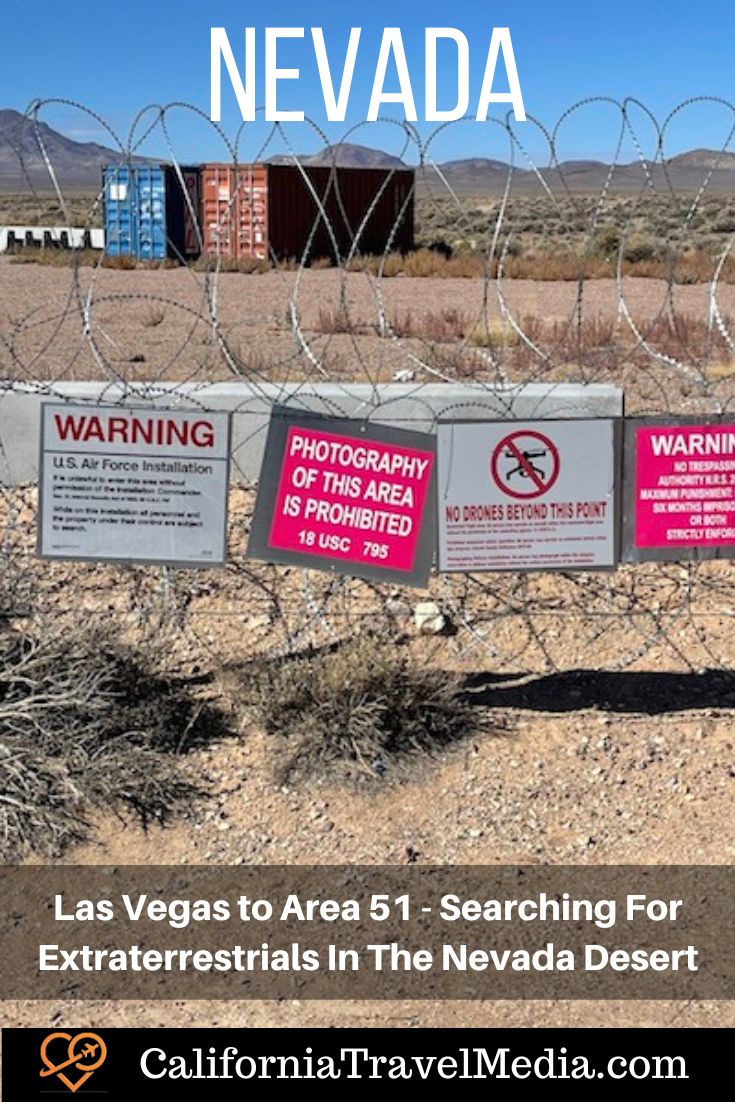
It is important to clarify that no traveler can actually enter Area 51. The facility is a high-security military installation, and the perimeter is strictly patrolled. However, reaching the “Back Gate” or the “Front Gate” is the ultimate goal for many visitors.
The Trek to the Back Gate
The “Back Gate” is reached via a long, unpaved gravel road that turns off the Extraterrestrial Highway near Rachel. The drive is roughly 10 miles over washboard dirt roads, which can be challenging for low-clearance vehicles. Upon arrival, you will find a simple gate, several warning signs, and various surveillance cameras mounted on posts. While it may look unassuming, the security presence—often referred to as “Camo Dudes” by the local community—is constant. They monitor the border from white pickup trucks perched on nearby hillsides.
Rules, Regulations, and Safety
The signs at the border are explicit: “Use of Deadly Force Authorized.” While this is standard for high-security military sites in the United States, it serves as a stern reminder to respect the boundary. Do not cross the line, do not attempt to fly drones, and do not harass the security personnel. Photography is generally permitted as long as you remain on public land and point your camera toward the gate, but avoid any actions that could be interpreted as a security threat.
Viewing from Tikaboo Peak
For the most dedicated travelers, the only legal way to see the actual Groom Lake facility is from the summit of Tikaboo Peak. This is not a casual excursion; it requires a four-wheel-drive vehicle to reach the trailhead and a strenuous, multi-hour hike to the summit. From this vantage point, approximately 26 miles away from the base, you can see the runways and hangars of Area 51 through high-powered binoculars or a long telephoto lens. It is the furthest one can go to catch a glimpse of the base while remaining within the bounds of the law.
The journey from Las Vegas to Area 51 is a testament to the enduring human fascination with mystery and the great American road trip. Whether you are a believer in extraterrestrial visitation or simply a fan of unique travel experiences, the trek through the Nevada desert offers a professional-grade adventure that combines natural beauty, quirky culture, and the thrill of standing at the edge of the unknown. By planning ahead and respecting the local regulations, travelers can safely enjoy one of the most iconic routes in the United States.
LifeOutOfTheBox is a participant in the Amazon Services LLC Associates Program, an affiliate advertising program designed to provide a means for sites to earn advertising fees by advertising and linking to Amazon.com. Amazon, the Amazon logo, AmazonSupply, and the AmazonSupply logo are trademarks of Amazon.com, Inc. or its affiliates. As an Amazon Associate we earn affiliate commissions from qualifying purchases.