
The Lone Star State, a vast expanse of diverse landscapes and vibrant culture, beckons millions of visitors each year. From the bustling metropolises of Dallas and Houston to the historic charm of San Antonio and the natural beauty of the Texas Hill Country, Texas offers an unforgettable travel experience. As you plan your adventure, understanding the state’s demographic fabric, particularly its population, can add an enriching layer to your journey. It provides context for the cultural tapestry, the economic drivers, and the very essence of what makes Texas unique. Whether you’re a history buff exploring ancient landmarks, a foodie indulging in local cuisine, or a family seeking adventure, the human element of Texas plays an integral role in its allure.
This exploration delves into the population of Texas, examining its growth trends, the distribution across its major cities and regions, and the demographic characteristics that shape its identity. We will touch upon how these figures influence the tourism landscape, the types of accommodations available, and the very lifestyle experienced by residents and visitors alike. Understanding the sheer scale and dynamism of the Texas population offers valuable insights for anyone considering a trip, a business venture, or even a long-term stay in this expansive state.
The Ever-Growing Texas Population: A Demographic Snapshot
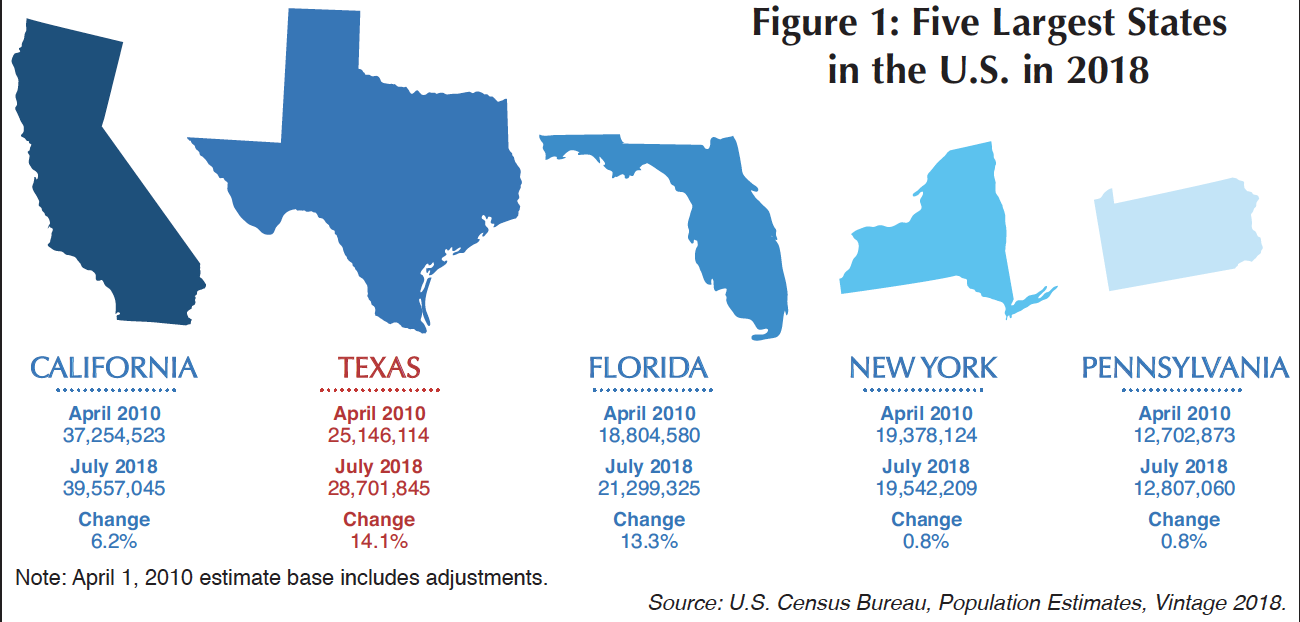
The population of Texas has been on a remarkable ascent for decades, consistently ranking as the second most populous state in the United States, trailing only California. This robust growth is a testament to the state’s economic opportunities, relatively lower cost of living compared to other major states, and its appealing lifestyle. As of recent estimates, Texas is home to well over 30 million residents, a figure that continues to climb with significant in-migration and a healthy birth rate.
This continuous influx of people is not merely a statistic; it’s the lifeblood of the state’s diverse culture and burgeoning economy. It fuels the demand for new housing, drives innovation in various sectors, and enriches the social fabric with a mosaic of traditions and perspectives. For travelers, this means a constantly evolving landscape of attractions, dining experiences, and cultural events.
Population Growth Trends and Drivers
The growth of Texas’s population can be attributed to several key factors. Historically, oil and gas have been significant economic drivers, attracting workers and their families. However, in recent years, the state has diversified its economy with burgeoning sectors in technology, healthcare, aerospace, and manufacturing. Major cities like Austin, often dubbed the “Silicon Hills,” have become hubs for tech innovation, drawing skilled professionals from across the nation and the globe.
Furthermore, the business-friendly climate in Texas, characterized by lower taxes and fewer regulations, has encouraged many corporations to relocate their headquarters or establish significant operations here. Companies like Dell and Tesla have a substantial presence, creating numerous employment opportunities. This economic vitality acts as a powerful magnet, pulling in individuals seeking career advancement and a better quality of life.
The natural increase, meaning the excess of births over deaths, also contributes to Texas’s population growth. While the birth rate has seen some national moderation, it remains a significant factor in the state’s demographic expansion. This consistent growth ensures that Texas remains a dynamic and youthful state, contributing to its vibrant energy.
Geographic Distribution: Urbanization and Rural Contrasts
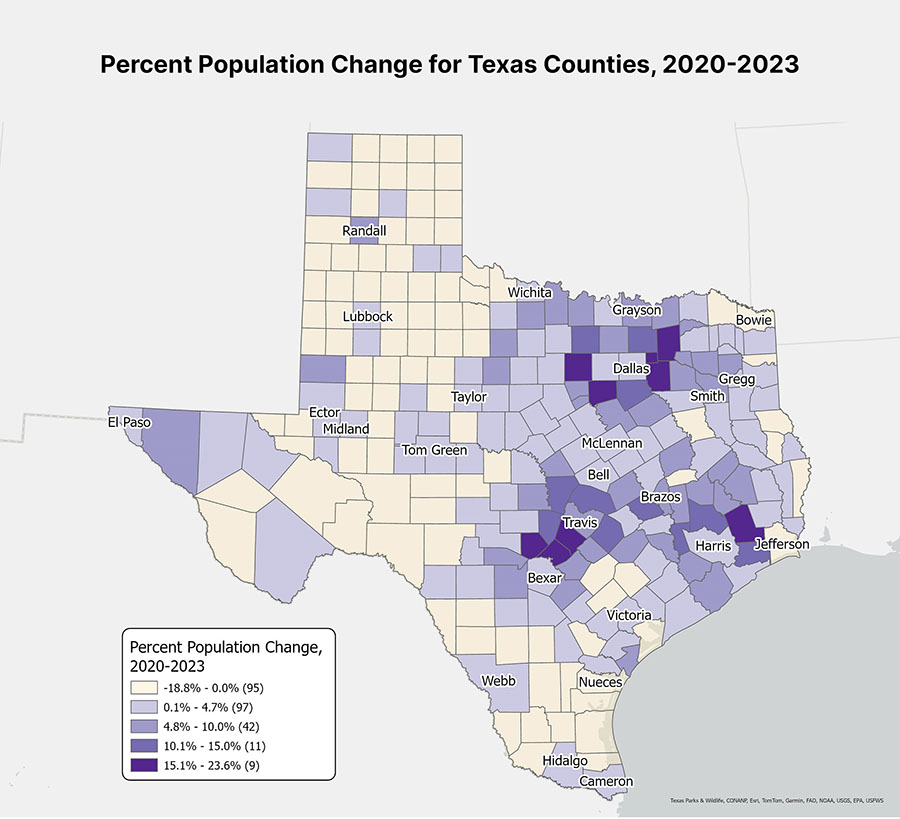
The population of Texas is not uniformly distributed. The state exhibits a significant trend towards urbanization, with the majority of its residents concentrated in its major metropolitan areas and their surrounding suburbs. The “Texas Triangle,” formed by the interconnected cities of Houston, Dallas-Fort Worth, San Antonio, and Austin, is the most densely populated region. These urban centers are not just population hubs; they are also the primary destinations for tourism, offering a wealth of attractions, hotels, and dining experiences.
The Major Metropolitan Hubs
- Houston: As the most populous city in Texas and the fourth largest in the United States, Houston is a global center for energy, medicine, and aerospace. Its diverse population contributes to a rich culinary scene and a vibrant cultural landscape. Travelers can explore the Space Center Houston, enjoy world-class museums, and experience the city’s diverse neighborhoods. The accommodation options range from luxury hotels and resorts to budget-friendly apartments, catering to every lifestyle.
- Dallas-Fort Worth Metroplex: This sprawling metropolitan area is a major economic powerhouse and a significant cultural destination. Dallas is known for its arts district, fine dining, and historical sites like the Sixth Floor Museum at Dealey Plaza. Fort Worth, on the other hand, embraces its Western heritage with the Stockyards National Historic District. The region offers a wide array of hotels, from grand suites to family-friendly resorts, and abundant opportunities for exploration and local culture immersion.
- San Antonio: Rich in history and culture, San Antonio is home to the iconic Alamo and the picturesque Riverwalk. Its Spanish colonial heritage is evident in its architecture and traditions. The city attracts millions of tourists annually, drawn by its unique blend of cultures, festive atmosphere, and historic landmarks. Accommodation here includes charming boutique hotels and modern resorts, offering diverse experiences.
- Austin: Known for its live music scene, progressive culture, and thriving tech industry, Austin has experienced explosive growth. It offers a dynamic lifestyle, from exploring Barton Springs Pool to enjoying the vibrant nightlife on Sixth Street. Travelers will find a wide range of accommodation, from trendy boutique hotels to unique apartments, and countless opportunities to immerse themselves in the local music and food scene.
While these urban centers represent the concentrated population centers, Texas also boasts vast rural areas. These regions, though less densely populated, offer a different kind of allure, characterized by sprawling ranches, wide-open spaces, and a slower pace of life. These areas are crucial for agriculture and hold significant natural beauty, from the Big Bend National Park to the Texas Panhandle. While tourism in these areas might focus more on nature, outdoor activities, and a glimpse into traditional Texan life, accommodation can range from cozy cabins and ranches to small-town inns.
Demographic Diversity: A Melting Pot of Cultures
The population of Texas is as diverse as its landscape, a rich tapestry woven from various ethnic, racial, and cultural threads. This diversity is a direct result of its history as a crossroads of cultures and its ongoing appeal to people from all walks of life. The state’s demographic makeup significantly influences its cuisine, its arts and entertainment, and its overall cultural identity.
Ethnic and Racial Composition

Texas is a majority-minority state, with the Hispanic or Latino population forming the largest ethnic group. This demographic influence is deeply ingrained in the state’s culture, from the ubiquitous Tex-Mex cuisine to the vibrant festivals and traditions celebrated across the state. Spanish is widely spoken, and many cities have a distinctively bilingual and bicultural atmosphere.
The White population remains a significant demographic segment, particularly in suburban and more rural areas. The African American population is concentrated in major urban centers like Houston and Dallas, contributing to the rich cultural heritage of these cities, particularly in music, art, and cuisine. Asian populations have also seen substantial growth, especially in metropolitan areas like Houston and Dallas, bringing with them diverse culinary traditions and cultural contributions.
This demographic mix creates a unique cultural fusion that travelers can experience firsthand. From sampling authentic Mexican food in San Antonio to enjoying the blues music scene in Houston or exploring the Vietnamese communities in the greater Houston area, the diversity of Texas offers endless opportunities for cultural immersion.
Age Distribution and Generational Influences
Texas generally has a younger population compared to the national average, a factor contributing to its dynamic growth and vibrant energy. This is partly due to the high birth rate and the influx of working-age adults and young families attracted by economic opportunities. This demographic trend has a direct impact on the types of attractions and activities that are popular. Family-friendly destinations, outdoor recreation, and entertainment venues catering to a younger demographic are abundant.
The presence of major universities and colleges across the state, such as the University of Texas at Austin and Texas A&M University, also contributes to a significant young adult population. These institutions not only drive the local economies of their host cities but also foster a culture of innovation and creativity, influencing the lifestyle and entertainment options available.
As the state’s population ages, there is also a growing focus on retirement communities and healthcare services, particularly in some of the sunnier and more amenity-rich areas. This creates a diverse demand for accommodations, from luxury retirement resorts to more accessible long-term stay options.
Population and Its Impact on Tourism and Lifestyle
The sheer size and dynamism of the Texas population have a profound and multifaceted impact on the state’s tourism industry and the lifestyles experienced within its borders. The constant flow of people, both residents and visitors, shapes the demand for services, the types of experiences available, and the overall atmosphere of its cities and towns.
The Tourism Ecosystem: Driven by Millions
Texas attracts tens of millions of domestic and international tourists each year, drawn by its diverse attractions, rich history, and unique cultural offerings. The large resident population also contributes significantly to the tourism ecosystem, with many Texans exploring their own state, visiting family and friends, and enjoying local attractions.
This robust demand supports a thriving hospitality sector. From world-class resorts like the JW Marriott San Antonio Hill Country Resort & Spa to boutique hotels in Austin and business-oriented suites in Dallas, accommodation options are varied to meet the needs of different travelers and budgets. The culinary scene is particularly vibrant, influenced by the diverse population. You can find everything from authentic Tex-Mex and BBQ joints to fine dining establishments and international cuisine, reflecting the global influences within the state.
Landmarks such as the Alamo, Space Center Houston, and the San Antonio Riverwalk are testament to the state’s rich history and cultural appeal, drawing in crowds eager to experience these iconic sites. The numerous state and national parks, including Big Bend National Park, offer natural escapes and adventure, catering to both local and visiting outdoor enthusiasts.
Lifestyle Choices: From Urban Bustle to Rural Serenity
The demographic makeup of Texas directly influences the range of lifestyle choices available. For those seeking a fast-paced urban environment, cities like Houston, Dallas, and Austin offer vibrant cultural scenes, extensive shopping, diverse dining, and a plethora of entertainment options. Luxury travel and business stays are prevalent in these areas, with a high demand for upscale hotels and amenities.
Conversely, for those who prefer a more relaxed pace, the Texas Hill Country, with its charming small towns like Fredericksburg and Boerne, offers a serene escape. This region is known for its wineries, natural beauty, and a slower pace of life, attracting visitors seeking a more laid-back experience. Budget travel and family trips are well-suited to these areas, with cozy bed and breakfasts and vacation rentals being popular choices.
The state’s vastness also accommodates a wide spectrum of living arrangements, from luxurious urban apartments and sprawling suburban homes to rustic ranches and coastal properties. This diversity in lifestyle is mirrored in the accommodation options, catering to short-term vacationers, business travelers, and those considering a long-term stay. Whether you’re drawn to the energy of the city or the tranquility of the countryside, Texas offers a lifestyle to suit almost everyone.
In conclusion, the population of Texas is not just a number; it’s the driving force behind its economic prosperity, cultural richness, and its enduring appeal as a travel destination. Understanding its growth, distribution, and diversity provides a deeper appreciation for the Lone Star State and the myriad experiences it offers to residents and visitors alike.
LifeOutOfTheBox is a participant in the Amazon Services LLC Associates Program, an affiliate advertising program designed to provide a means for sites to earn advertising fees by advertising and linking to Amazon.com. Amazon, the Amazon logo, AmazonSupply, and the AmazonSupply logo are trademarks of Amazon.com, Inc. or its affiliates. As an Amazon Associate we earn affiliate commissions from qualifying purchases.