
For decades, Las Vegas was primarily viewed through the neon-lit lens of a weekend getaway destination. However, the last few years have seen a dramatic shift in the city’s identity. As the “Entertainment Capital of the World” evolves into a major metropolitan hub with professional sports teams and a burgeoning tech sector, more people are looking to call Nevada home. If you are considering a move to the Mojave Desert, the most pressing question is often: how much is rent in Las Vegas? Understanding the nuances of the local accommodation market is essential for anyone planning a long-term stay or a permanent relocation to this vibrant city.

Understanding the Las Vegas Rental Market Landscape
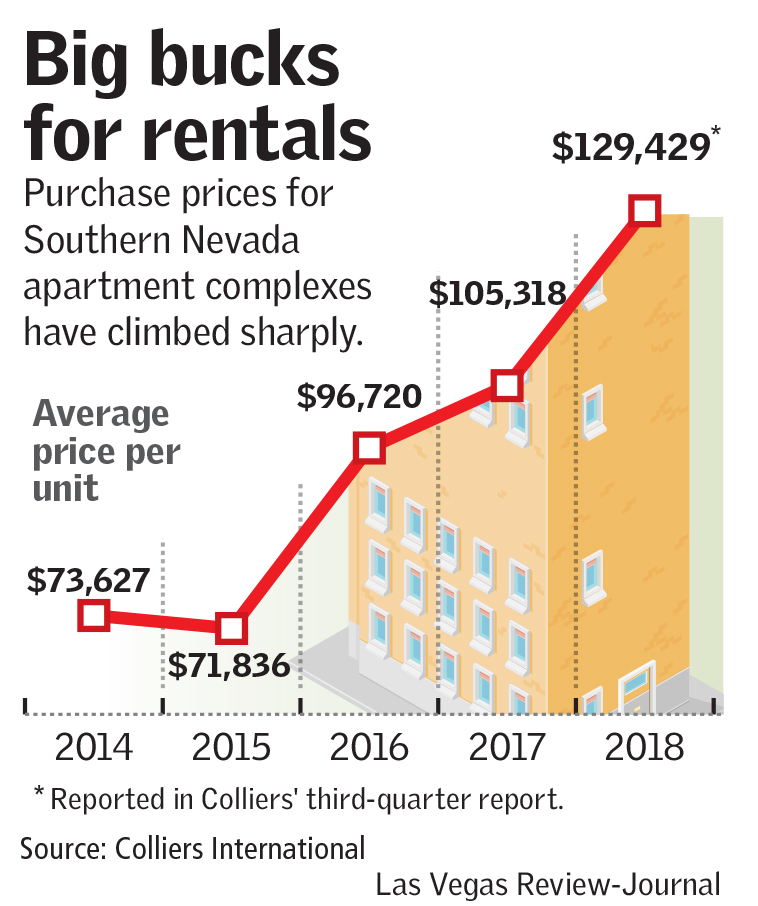
The rental market in Las Vegas has undergone significant transformation. Historically known for its affordability compared to neighboring California, the city has experienced a steady increase in demand, which has naturally influenced pricing. While it remains more accessible than Los Angeles or San Francisco, the days of ultra-cheap housing are largely a thing of the past.
Current Trends and Market Growth
In recent years, Las Vegas has seen a influx of new residents from across the United States. This migration has been driven by the lack of state income tax in Nevada and the relatively lower cost of living. Consequently, average rent prices have stabilized after a period of rapid inflation. Currently, a one-bedroom apartment in the city averages between $1,400 and $1,600, while two-bedroom units typically range from $1,700 to $2,100. These figures, however, vary wildly depending on the specific zip code and the level of luxury provided by the complex.
Seasonal Fluctuations in Pricing
Like many cities in the United States, the Las Vegas rental market experiences seasonality. Demand tends to peak in the late spring and summer months, coinciding with the school calendar and the general moving season. Conversely, the winter months often see a slight dip in demand. For those seeking accommodation with more leverage for negotiation, searching for a lease during the cooler months of November through January can sometimes result in “move-in specials” or reduced security deposits.
Rental Prices by Neighborhood and District
The cost of accommodation in Las Vegas is heavily dictated by geography. The city is a sprawling grid, and each pocket offers a distinct lifestyle and price point. Whether you want to be in the heart of the action or tucked away near the mountains, your choice of neighborhood will be the largest factor in your monthly budget.
Summerlin and the West Side
Summerlin is widely considered one of the most desirable master-planned communities in the country. Located on the western edge of the valley near Red Rock Canyon, it offers a more temperate climate and an abundance of parks and trails. Rent here is among the highest in the city. A premium one-bedroom apartment in Summerlin can easily exceed $1,800, while larger family homes can rent for $3,000 to $5,000 per month. The price reflects the proximity to high-end shopping at Downtown Summerlin and top-rated schools.
Henderson and the Southeast Corridor
Often ranked as one of the safest cities in America, Henderson is a separate municipality but functions as a major part of the Las Vegas metropolitan area. It is popular with families and professionals who work in the valley. The Green Valley area within Henderson offers a middle-ground pricing structure, with modern apartments ranging from $1,500 to $1,900. For those looking for luxury, the Lake Las Vegas community offers resort-style living with prices that reflect its exclusive waterfront views.
Downtown Las Vegas and the Arts District
For those who crave an urban, walkable environment, Downtown Las Vegas has seen a massive revitalization. The Arts District and Symphony Park have become hubs for creative professionals. High-rise living is the standard here, with modern lofts and studios. Rent in these areas is competitive, often starting around $1,600 for a studio, driven by the proximity to the city’s best bars, galleries, and the Fremont Street Experience.
Spring Valley and Enterprise
Located just west and southwest of The Strip, neighborhoods like Spring Valley and Enterprise offer some of the best value for money. These areas are diverse and provide easy access to the I-15 and CC 215 freeways. You can often find spacious two-bedroom apartments for under $1,700, making it a favorite for hospitality workers and those who want to be near Chinatown Las Vegas.
Comparing Property Types and Long-term Stay Options
The type of housing you choose in Las Vegas will significantly impact your monthly expenses. The city offers a unique blend of traditional apartments, high-rise condos, and single-family suburban homes.
Luxury High-Rise Apartments vs. Suburban Houses
One of the most distinct choices for new residents is whether to live “up” or “out.” High-rise condos located near The Strip, such as those in Panorama Towers or The Martin, offer world-class amenities like valet parking, 24-hour security, and resort-style pools. However, these often come with high rental price tags and additional homeowner association (HOA) fees that might be passed on to the tenant. On the other hand, renting a detached house in areas like North Las Vegas or Rhodes Ranch provides more square footage and private outdoor space for a similar price point, though you lose the “walkable” amenities of a luxury complex.
Corporate Housing and Furnished Rentals
For those who are in Las Vegas for a few months rather than a few years, furnished accommodation is a popular choice. Many apartments in the city cater to “snowbirds” (seasonal residents) or corporate relocations. A furnished one-bedroom apartment with utilities included can cost between $2,500 and $3,500 per month. While the monthly rate is higher, it saves the tenant the significant cost of moving furniture and setting up utility accounts in Nevada.
Key Factors Influencing Your Housing Budget
When calculating how much rent is in Las Vegas, you must look beyond the base monthly payment. The unique environment of the Mojave Desert introduces specific costs that are often overlooked by newcomers.
Utility Costs and Desert Living
The most significant additional expense in Las Vegas is electricity. During the summer months, temperatures regularly exceed 100 degrees Fahrenheit, requiring air conditioning to run almost constantly. For a standard 1,000-square-foot apartment, summer electric bills can range from $200 to $400. It is crucial to ask potential landlords about the insulation and the age of the HVAC system, as these factors will directly influence your cost of living. Water is another consideration; while often included in apartment rent, those renting single-family homes will need to budget for Southern Nevada Water Authority rates.
Amenities and Resort Fees in Residential Complexes
Interestingly, the “resort fee” culture of Las Vegas hotels has bled into the residential rental market. Many modern apartment complexes charge a mandatory “amenity fee” or “technology package” fee. This can range from $50 to $150 per month and typically covers high-speed internet, valet trash, and access to gym facilities. When comparing two properties, always ensure you are looking at the “all-in” price rather than just the base rent.
Strategic Tips for Securing Accommodation
The Las Vegas rental market moves quickly. High-demand properties in areas like Summerlin or near Allegiant Stadium can be listed and leased within 48 hours. Being prepared is the key to securing a fair price.
Navigating Lease Agreements and Requirements
To rent in Las Vegas, most landlords require a credit score of at least 620 and proof of income that is three times the monthly rent. Because the city has a high volume of hospitality workers who rely on tips, some landlords are flexible with income verification if you can show significant savings or provide a larger security deposit. Additionally, be aware of “Pet Rent.” Las Vegas is a very pet-friendly city, but most complexes will charge an additional $25 to $50 per month per pet.

The Best Time of Year to Move
If your schedule allows, aim to move between November and February. The demand for accommodation in Las Vegas drops during this period as people avoid moving during the holidays. Landlords are often more willing to waive application fees or offer the first month of rent for free. Furthermore, viewing apartments in the winter allows you to see the property without the intense heat of the Nevada sun, though it’s wise to remember that those summer utility bills are just a few months away.
Ultimately, while the cost of rent in Las Vegas has risen, the city still offers a high quality of life and a variety of housing options that cater to every budget. Whether you are looking for a high-rise view of The Strip or a quiet suburban retreat near Lake Mead, understanding the market dynamics will help you find the perfect place to call home in the desert.
LifeOutOfTheBox is a participant in the Amazon Services LLC Associates Program, an affiliate advertising program designed to provide a means for sites to earn advertising fees by advertising and linking to Amazon.com. Amazon, the Amazon logo, AmazonSupply, and the AmazonSupply logo are trademarks of Amazon.com, Inc. or its affiliates. As an Amazon Associate we earn affiliate commissions from qualifying purchases.