
When planning a trip to the sun-drenched beaches of Florida, exploring its vibrant cities like Miami, Orlando, or Tampa, or even considering a move to the Sunshine State, it’s natural to focus on the exciting attractions, local cuisine, and unique cultural experiences. However, an often-overlooked but crucial aspect of navigating any new environment is understanding its local laws and regulations. Among these, the rules governing recording conversations can have significant implications, particularly in an increasingly digital and connected world. For anyone visiting or residing in Florida, a clear understanding of its consent laws regarding audio recording is not just helpful—it’s essential for ensuring compliance and avoiding potential legal pitfalls.
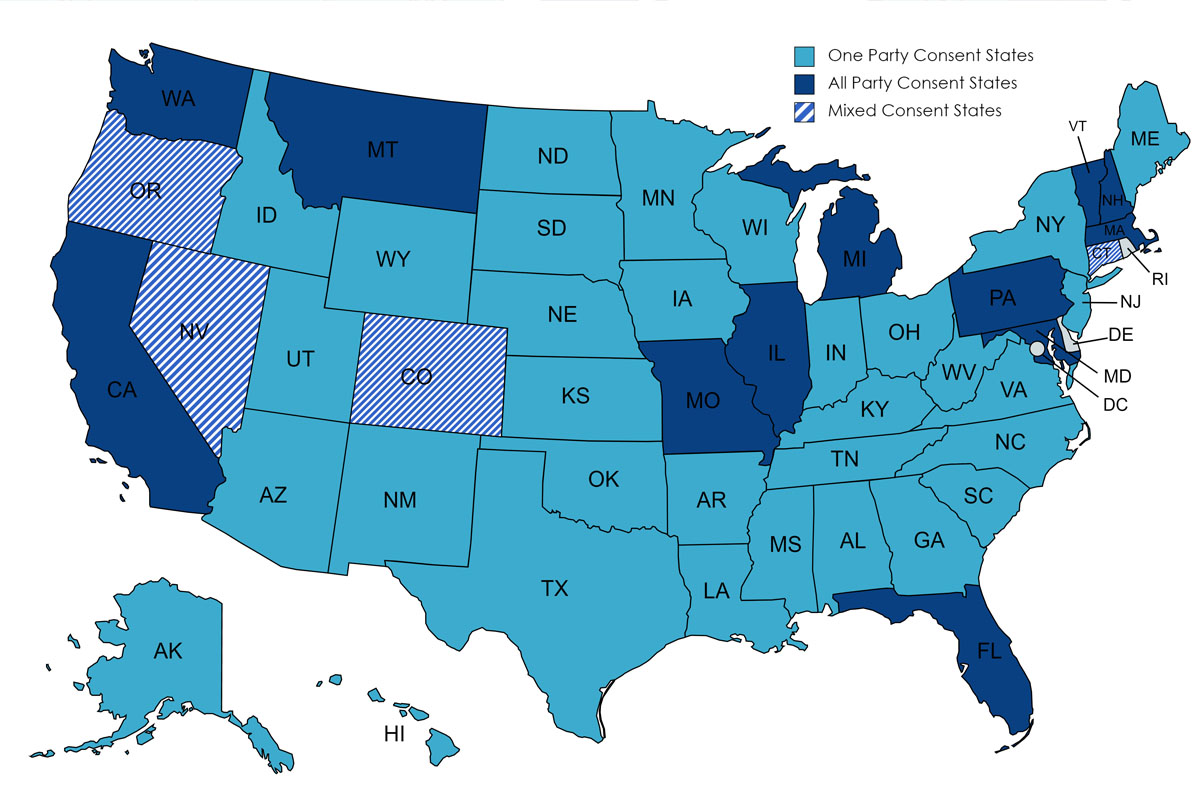
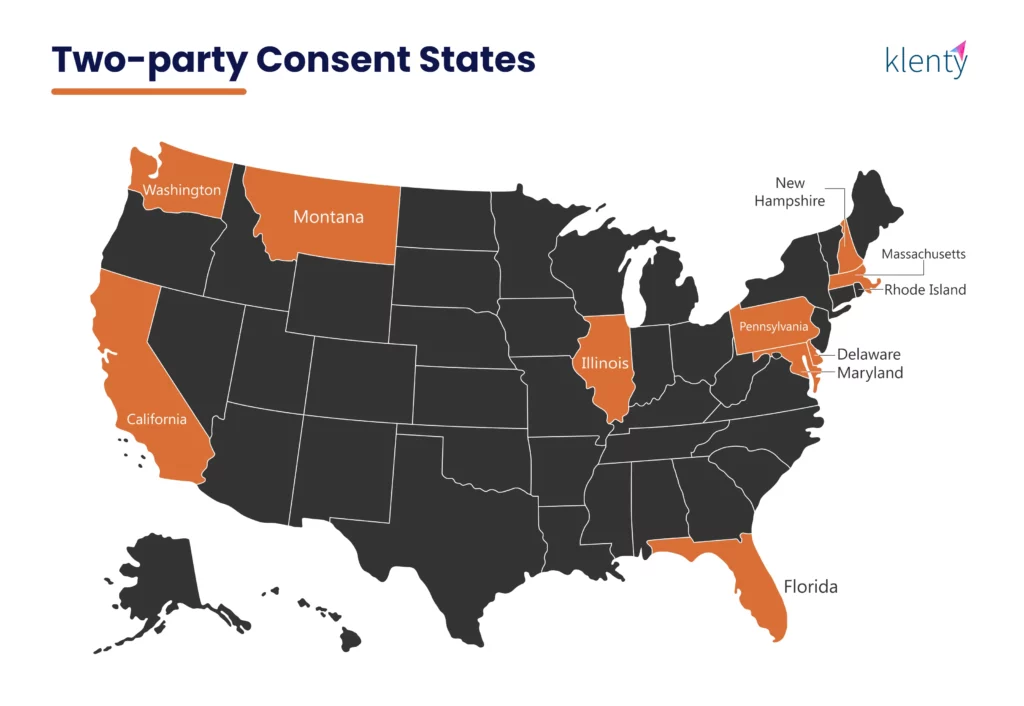
The direct answer to the question “Is Florida a 2 party consent state?” is a resounding yes. Florida operates under a “two-party consent” law for recording conversations. This means that, with very few exceptions, you must obtain the consent of all parties involved in a conversation before you can legally record it. This regulation is a critical piece of information for tourists and residents alike, shaping how individuals can interact and document their experiences within the state. Understanding the nuances of this law is key to enjoying all that Florida has to offer without inadvertently breaking the law.
Understanding Consent Laws in the Sunshine State
Florida‘s approach to recording conversations is designed to protect individual privacy, a concept deeply ingrained in its legal framework. For visitors and new residents, grasping the specifics of this law is fundamental to seamless integration into the local landscape and respectful interaction with others.
What is “Two-Party Consent”?
At its core, a “two-party consent” law dictates that all individuals participating in a private conversation must give their explicit permission for that conversation to be legally recorded. This stands in contrast to “one-party consent” states, where only one person involved in a conversation needs to know and agree to the recording. In Florida, if you intend to record a verbal exchange, whether in person or over the phone, you are legally obligated to inform all parties that the conversation is being recorded and receive their affirmative consent. This isn’t merely a polite suggestion; it’s a legal requirement designed to uphold an individual’s reasonable expectation of privacy. Without this universal consent, any recording could be deemed illegal, potentially leading to significant legal consequences.
Florida’s Wiretapping Law Explained
Florida’s two-party consent rule is primarily codified under the Florida Security of Communications Act, often referred to as its “wiretapping law.” This statute makes it illegal to intercept or record any wire, oral, or electronic communication without the prior consent of all parties to the communication. The law applies broadly, covering everything from face-to-face discussions in a private setting to telephone calls and other forms of electronic communication. The intent is to prevent surreptitious recordings that could infringe upon a person’s privacy. Penalties for violating this law can be severe, ranging from civil lawsuits seeking damages to criminal charges, including felony offenses, depending on the nature and extent of the violation. For anyone unfamiliar with such stringent privacy laws, this necessitates a conscious effort to adjust their habits and practices when in Florida.
Distinguishing Between Audio and Video Recording
It’s important to clarify that while Florida is a two-party consent state for audio recording, the laws regarding video recording are often different and generally more permissive, particularly in public spaces. In Florida, you generally have the right to video record individuals in public places where they have no reasonable expectation of privacy. This includes filming public events, street scenes, or individuals going about their daily lives in areas visible to the public eye. However, once an audio component is introduced, the two-party consent rule for audio recordings applies if there is a reasonable expectation of privacy. For instance, filming a public parade where incidental conversations are picked up by your camera might be permissible, but specifically aiming your device to record a private conversation between two individuals in a public park, if they have an expectation of privacy, could still fall under the wiretapping law. The crucial distinction lies in the audio capture and the context of privacy.
Implications for Visitors and Residents
Understanding Florida’s two-party consent law has practical implications for a wide range of scenarios, impacting both casual tourists documenting their travels and residents engaging in everyday life or business.
Recording Conversations in Public vs. Private Settings
The distinction between public and private settings is paramount when considering Florida’s consent laws. In private settings, such as a home, an office, or even a quiet corner of a restaurant where privacy is reasonably expected, obtaining consent from all parties before recording is unequivocally required. This extends to personal phone calls and virtual meetings. Conversely, in truly public spaces where there is no reasonable expectation of privacy—like a bustling city street, a crowded park, or a public beach—the rules can be more ambiguous regarding incidental audio. However, even in public, if you are intentionally targeting and recording a private conversation between individuals, the two-party consent rule can still apply. The core principle hinges on whether the individuals reasonably expect their conversation to be private and not intercepted. Therefore, it’s always safer to assume a need for consent if the conversation isn’t clearly public discourse.
Consent in Business Interactions
For those conducting business in Florida, either as visitors attending conferences in Orlando or Miami, or as permanent business owners, the two-party consent law carries significant weight. Recording business meetings, negotiations, or client consultations without explicit, universal consent is strictly prohibited. This is critical for protecting sensitive information and maintaining professional ethics. Businesses often implement clear policies regarding recording, sometimes including disclaimers at the start of calls or meetings to ensure compliance. Failure to adhere to these rules can lead to serious legal repercussions, including contract disputes, professional misconduct charges, and privacy violation lawsuits, damaging reputations and incurring substantial financial penalties. It underscores the importance of transparent communication in all professional dealings within the state.
Digital Communications and Social Media
In the digital age, conversations extend far beyond face-to-face interactions or traditional phone calls. Florida’s wiretapping law generally applies to electronic communications as well, which can include online calls, video conferences, and even certain types of digital messages if they carry a reasonable expectation of privacy. Posting recorded conversations on social media platforms without the consent of all involved parties could also lead to legal trouble. This is particularly relevant for content creators, influencers, and even casual users who might be tempted to share snippets of interactions. The ease of digital recording and sharing does not supersede the legal requirement for consent. Therefore, exercising caution and respecting privacy laws is paramount when engaging in digital communication or creating content that includes audio recordings of others.
Key Exceptions and Nuances
While Florida’s two-party consent law is strict, there are specific contexts and exceptions that provide necessary clarity and flexibility, particularly for official or emergency situations.
Law Enforcement and Emergency Situations
There are specific statutory exceptions to Florida’s consent law, particularly concerning law enforcement activities. Law enforcement officers, under certain circumstances and with proper authorization (like a warrant), are permitted to intercept communications without consent as part of an official investigation. These exceptions are narrowly defined and are subject to strict judicial oversight to prevent abuse. Similarly, in genuine emergency situations where recording might be necessary to protect life or property, the nuances of the law might be interpreted differently. However, these are specialized contexts that generally do not apply to the average citizen or tourist. For private citizens, the general rule of obtaining consent always holds, even in situations that might feel urgent, unless an immediate threat makes it impossible to do so and the recording is solely for personal safety or evidence gathering for a crime in progress.
Openly Recorded Conversations
One practical nuance within the two-party consent framework involves conversations that are openly or obviously being recorded. If a conversation takes place in an environment where recording is clearly advertised—for example, a customer service line that states “this call may be recorded for quality assurance”—then participation in that conversation implies consent. Similarly, if a person openly displays a recording device and makes it clear that a conversation is being captured, and the other parties continue to engage without objection, their consent may be implied. However, implied consent can be a tricky legal area. To be absolutely safe and legally compliant, explicit verbal consent is always the most secure route. Always ask directly, “Do you mind if I record this conversation?” rather than relying on subtle cues or assumptions.
The Role of Reasonable Expectation of Privacy
The underlying principle guiding Florida’s consent laws is the concept of a “reasonable expectation of privacy.” This legal standard determines whether an individual’s privacy rights are engaged. If a person speaks in a setting where they can reasonably expect their words to remain private, then recording that conversation without their consent is likely illegal. Conversely, if a person speaks loudly in a very public place where their words could easily be overheard by anyone, they might have a diminished expectation of privacy, making the application of the two-party consent rule more complex. However, courts tend to err on the side of protecting privacy. Therefore, when in doubt, it is always best to assume that individuals expect their conversations to be private and act accordingly by seeking consent. This principle also extends to where one is speaking; a public park is different from a private meeting room.
Practical Tips for Navigating Florida’s Consent Laws
For anyone enjoying the wonders of Florida, from the vibrant nightlife of Miami to the serene beaches of the Gulf Coast, keeping these practical tips in mind will help ensure a legally sound and enjoyable experience.
Always Err on the Side of Caution
Given the strict nature of Florida’s two-party consent law and the potential legal ramifications of violating it, the most prudent approach is to always err on the side of caution. If there’s any doubt about whether a conversation requires consent for recording, assume that it does. This proactive stance can save you from inadvertently committing a felony, facing civil lawsuits, or jeopardizing your reputation. For tourists, this means being mindful of what you record on your smartphone; for residents, it impacts daily interactions from customer service calls to neighborhood discussions.
Seeking Explicit Consent
The clearest and most legally defensible way to comply with Florida’s law is to obtain explicit, verbal consent from all parties before initiating a recording. Simply state your intention clearly: “I’d like to record this conversation for my notes, is that alright with everyone?” or “Do I have your permission to record this call?” Once consent is given, it’s often a good practice to briefly reiterate that consent at the beginning of the recording itself. This creates a clear record that all parties were aware and agreed to the recording, providing solid evidence of compliance should any questions arise later.

When in Doubt, Consult Legal Counsel
While this article provides a general overview of Florida’s two-party consent law, it is not a substitute for legal advice. Laws can be complex, and their application can vary significantly based on specific facts and circumstances. If you find yourself in a situation where you need to record a conversation and are unsure about the legality, or if you believe a conversation involving you has been illegally recorded, it is always advisable to consult with a qualified legal professional in Florida. A lawyer can provide tailored advice based on your unique situation, ensuring you navigate these regulations correctly and protect your rights.
In conclusion, Florida is indeed a two-party consent state, a fact that holds significant weight for anyone interacting within its borders. Understanding and respecting this law is not just a legal obligation but also a demonstration of respect for privacy, contributing to a more harmonious environment for both residents and the millions of visitors who flock to the Sunshine State each year.
LifeOutOfTheBox is a participant in the Amazon Services LLC Associates Program, an affiliate advertising program designed to provide a means for sites to earn advertising fees by advertising and linking to Amazon.com. Amazon, the Amazon logo, AmazonSupply, and the AmazonSupply logo are trademarks of Amazon.com, Inc. or its affiliates. As an Amazon Associate we earn affiliate commissions from qualifying purchases.