
Arizona, often celebrated for its breathtaking landscapes, vibrant desert cities, and the awe-inspiring Grand Canyon, beckons millions of visitors each year. From the saguaro-studded deserts of the south to the pine forests of the north, the state offers an unparalleled array of experiences. However, a common question for potential travelers, as with any destination, is, “Is Arizona safe?” The answer, like the state itself, is multifaceted, generally leaning towards a resounding yes, provided visitors exercise common sense, remain aware of their surroundings, and prepare for its unique environmental challenges. This guide delves into the various facets of safety in the Grand Canyon State, offering insights to ensure a secure and enjoyable journey.

Understanding Safety in the Grand Canyon State
When assessing the safety of any travel destination, it’s crucial to distinguish between perceived risks and actual threats. Arizona, like any other state in the United States, has its share of crime, but generally, tourist areas are well-policed and considered safe. Moreover, the state presents unique natural hazards that require specific attention and preparation.
General Crime Rates and Perception
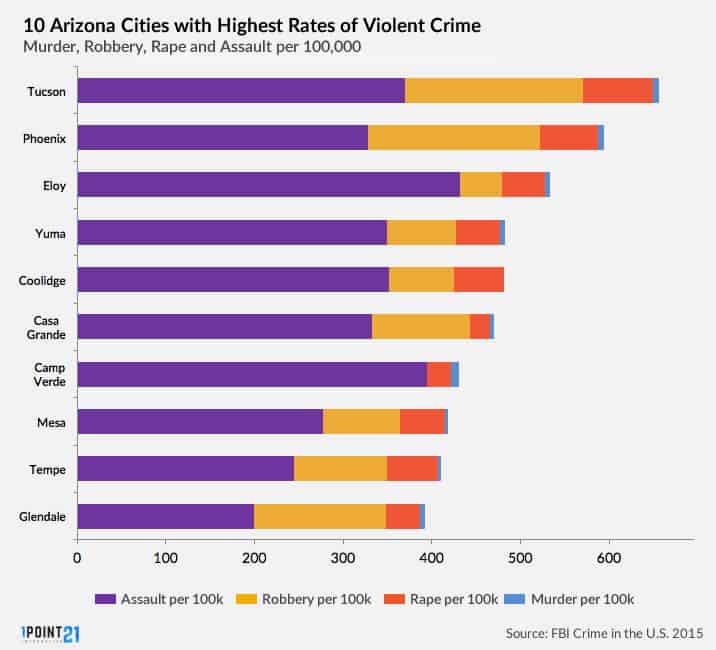
From a statistical standpoint, Arizona’s crime rates are largely comparable to the national average in the United States. Major metropolitan areas like Phoenix and Tucson have higher crime rates than smaller towns, a pattern observed in urban centers worldwide. However, violent crime is typically concentrated in specific neighborhoods and rarely affects popular tourist districts. Petty crimes such as pickpocketing or vehicle break-ins can occur, especially in crowded areas or at popular attractions, but these are largely preventable with basic precautions like not leaving valuables unattended and being aware of one’s surroundings. The perception of safety can sometimes be influenced by media portrayals, but the reality for most visitors is that they will experience a peaceful and welcoming environment. Local law enforcement agencies are generally efficient and responsive, dedicated to maintaining public order and assisting visitors.
Natural Hazards and Environmental Safety
Perhaps the most significant and often overlooked safety consideration in Arizona relates to its environment. The state’s stunning natural beauty comes with unique challenges, primarily centered around its desert climate and rugged terrain. Extreme heat is a major concern, particularly from May to September, when temperatures can soar well above 100°F (38°C). Dehydration, heat exhaustion, and heatstroke are serious risks for anyone unprepared. Visitors must prioritize hydration, wear appropriate clothing, use sun protection, and avoid strenuous outdoor activities during the hottest parts of the day.
Flash floods are another environmental hazard, especially during the monsoon season (July to September), when heavy rains can quickly turn dry washes into raging rivers. It’s crucial to heed weather warnings and never attempt to cross flooded areas. Wildlife encounters, though rare, can also pose a risk. Rattlesnakes, scorpions, javelinas, and coyotes are part of the ecosystem. Maintaining a safe distance from wildlife and being observant, especially when hiking, is essential. Staying on marked trails and avoiding direct contact with animals minimizes potential issues.
Navigating Urban Areas: Major Cities and Tourist Hubs
Arizona’s cities offer a blend of modern amenities, cultural attractions, and access to natural wonders. Understanding the safety profile of these urban centers is key to a worry-free visit.
Safety in Phoenix and Scottsdale
Phoenix, the state capital and largest city, along with its affluent neighbor Scottsdale, forms a sprawling metropolitan area. Both cities are major tourist destinations, known for their resorts, golf courses, dining, and vibrant nightlife. Overall, these areas are very safe for visitors. Tourist zones, including downtown Phoenix, Old Town Scottsdale, and various shopping districts, are well-maintained and patrolled. As with any large city, it’s advisable to be aware of your surroundings, especially at night. Parked cars can be targets for opportunistic thieves, so avoid leaving valuables visible. Public transportation is available, but many visitors opt for ride-sharing services or rental cars, which offer convenience and perceived safety, particularly after dark.
Tucson: A Desert Gem’s Safety Profile
Located in southern Arizona, Tucson offers a distinct blend of Sonoran Desert beauty, rich history, and a vibrant arts scene. Its crime rates are generally higher than Scottsdale but still within a manageable range for visitors. The University of Arizona campus and surrounding downtown areas, which host many attractions, are typically safe and bustling. Visitors should take standard urban precautions, such as avoiding walking alone in dimly lit or unfamiliar areas late at night. The city’s proximity to Saguaro National Park means that desert safety rules, particularly regarding heat and hydration, apply even when venturing just outside the city limits.
Flagstaff and Northern Arizona Considerations
Flagstaff, nestled among ponderosa pines at a higher elevation, offers a cooler escape and serves as a gateway to the Grand Canyon, Sedona, and other northern Arizona attractions. This mountain town boasts a very low crime rate and is generally considered extremely safe. Its university town atmosphere contributes to a welcoming and community-oriented feel. However, visitors to Flagstaff and surrounding northern areas should be mindful of different environmental concerns, particularly weather. Winters can bring significant snowfall and icy road conditions, requiring drivers to be prepared and check forecasts. Hiking trails can be steep and rugged, necessitating proper footwear and awareness of elevation changes.
Exploring Arizona’s Natural Wonders Safely
Arizona’s appeal largely lies in its unparalleled natural beauty. While incredibly rewarding, exploring these areas requires a proactive approach to safety.
The Grand Canyon: Precautions and Preparedness
The Grand Canyon is one of the world’s most iconic natural landmarks, attracting millions. Despite its majestic beauty, the Grand Canyon can be dangerous if visitors are unprepared. The primary risks involve falling, heat exposure, and dehydration. Park authorities continuously emphasize staying on marked trails, behind safety barriers, and avoiding risky photo opportunities near ledges. For hikers, especially those venturing below the rim, extreme caution is advised. The descent is often easier than the ascent, and many hikers underestimate the strenuous return journey and the rapid changes in temperature and elevation. Carrying ample water (more than you think you’ll need), high-energy snacks, and notifying someone of your hiking plans are critical. During summer, rangers often recommend against hiking into the canyon during midday hours.
Desert Safety: Heat, Wildlife, and Hydration
Beyond the Grand Canyon, much of Arizona is desert, including areas around Phoenix, Tucson, Sedona, and Saguaro National Park. The dangers of extreme heat cannot be overstated. Always carry more water than you anticipate needing, especially when hiking. Electrolyte-rich drinks can also be beneficial. Dress in light-colored, loose-fitting clothing and wear a wide-brimmed hat and sunglasses. Sunscreen is a must. Inform someone of your itinerary when venturing into remote desert areas. Wildlife, including venomous snakes and scorpions, are generally shy but can be encountered. Look where you step, especially near rocks or underbrush, and never attempt to handle wildlife. Javelinas and coyotes are common; observe them from a distance and never feed them.
Road Trip Safety Across Arizona’s Landscapes
Road trips are a popular way to experience Arizona’s diverse landscapes, from the iconic red rocks of Sedona to the stunning vistas of Monument Valley and the ancient forests of Petrified Forest National Park. The state’s road network is generally excellent, but long stretches of highway can be remote. Ensure your vehicle is in good condition, especially tires, and always have a full tank of gas before embarking on long drives through less populated areas. Cell service can be spotty or nonexistent in remote regions, so don’t rely solely on your phone for navigation or emergencies. Carry an emergency kit with extra water, snacks, a first-aid kit, and blankets. Be mindful of dust storms (haboobs) during monsoon season, which can severely reduce visibility and make driving hazardous. Pull over safely and wait them out if one occurs.
Border Regions and Specific Concerns
Arizona shares a border with Mexico, which sometimes raises questions about safety in the southern parts of the state.
Addressing Border Safety Misconceptions
The vast majority of tourist destinations in Arizona are far from the immediate border region and are not impacted by border-related issues. Cities like Tucson, Yuma, and even smaller towns like Nogales (the US side) are generally safe for visitors. The US-Mexico border is heavily patrolled by various law enforcement agencies, including Border Patrol. While there can be increased activity related to illegal crossings and drug smuggling in very specific, remote, and often unpopulated areas directly at the border, these incidents very rarely involve or affect tourists staying on main routes or visiting established attractions. It’s not advisable to venture off-road into remote, unmarked areas near the border, just as it’s not advisable to do so in any wilderness area without proper preparation and awareness. Staying on main highways and visiting established towns or parks means you are very unlikely to encounter any border-related safety issues.
Travel Advisories and Staying Informed
For up-to-date and authoritative information, travelers should consult official sources such as the United States Department of State’s travel advisories (if traveling internationally to the US) or local law enforcement websites for specific areas within Arizona. These resources provide objective assessments of risks and offer practical advice. Additionally, staying informed about local weather forecasts, especially during monsoon season or extreme heat advisories, is crucial for environmental safety. Respecting local guidelines and park regulations will significantly enhance your safety.
Practical Safety Tips for Visitors
Beyond specific regional or environmental concerns, general safety practices apply to any trip to Arizona.
Personal Safety and Situational Awareness
- Be aware of your surroundings: Pay attention to people and situations around you, especially in crowded areas or at night.
- Secure your valuables: Use hotel safes, avoid flashing large amounts of cash or expensive jewelry, and keep bags secure and close to your body.
- Trust your instincts: If a situation or area feels unsafe, remove yourself from it.
- Travel in groups at night: Whenever possible, avoid walking alone in unfamiliar areas after dark.
- Emergency contacts: Carry identification and a list of emergency contacts, including any medical information.
Health and Medical Considerations
- Hydration: As emphasized, this is paramount in Arizona’s climate. Drink water constantly, even if you don’t feel thirsty.
- Sun Protection: Always use high-SPF sunscreen, wear hats, and seek shade.
- Altitude Sickness: If visiting high-elevation areas like Flagstaff or the Grand Canyon South Rim, give your body time to acclimatize, especially if coming from sea level. Stay hydrated and avoid strenuous activity immediately upon arrival.
- Medical Facilities: Arizona has excellent medical facilities in its major cities. For remote areas, know the location of the nearest clinic or hospital. Ensure your travel insurance covers medical emergencies.
Driving and Transportation Safety
- Designated Drivers: If consuming alcohol, always have a sober designated driver. DUI laws in Arizona are strict.
- Rental Cars: Inspect your rental car before driving, and ensure you are familiar with its features. Do not leave valuables visible in parked cars.
- Road Conditions: Be aware of changing road conditions due to weather (rain, snow, dust storms) and construction. Drive defensively.
- Off-Roading: If planning off-road adventures, rent appropriate vehicles, stick to designated trails, and never go alone. Inform someone of your route and expected return time.
In conclusion, Arizona is, for the vast majority of visitors, a very safe and incredibly rewarding travel destination. By understanding and respecting its unique environmental challenges, exercising standard travel precautions, and staying informed, travelers can confidently explore the diverse beauty and culture of the Grand Canyon State, creating memories that will last a lifetime.
LifeOutOfTheBox is a participant in the Amazon Services LLC Associates Program, an affiliate advertising program designed to provide a means for sites to earn advertising fees by advertising and linking to Amazon.com. Amazon, the Amazon logo, AmazonSupply, and the AmazonSupply logo are trademarks of Amazon.com, Inc. or its affiliates. As an Amazon Associate we earn affiliate commissions from qualifying purchases.