
For decades, Las Vegas has served as the ultimate barometer for the health of the global travel industry. Often referred to as the entertainment capital of the world, this neon oasis in the heart of Nevada thrives on high-volume visitation, massive conventions, and a constant influx of international travelers. However, in a post-pandemic world marked by shifting economic climates and evolving traveler preferences, many are asking: Is Las Vegas tourism actually down?
To answer this question, one must look beyond the surface level of crowded sidewalks on The Strip. While headlines occasionally point to fluctuating hotel occupancy or rising costs, the reality of the tourism landscape in the United States is far more nuanced. Understanding the current state of tourism in this city requires an analysis of visitor demographics, the impact of new mega-attractions, and how the local culture is pivoting to meet the demands of a new generation of travelers.

Analyzing Recent Visitor Trends in the Silver State
The perception of whether tourism is “down” often depends on which metrics are being prioritized. If we look at raw data from Harry Reid International Airport, the numbers suggest a resilient market. In recent years, the airport has seen record-breaking passenger counts, suggesting that the desire to reach the city remains at an all-time high. However, the way people spend their time and money once they land has undergone a significant transformation.
Post-Pandemic Recovery and Record-Breaking Numbers
The recovery of Las Vegas following the global travel shutdowns was nothing short of meteoric. While many international destinations struggled to regain their footing, the domestic market in the United States flocked to the desert. This surge was initially driven by “revenge travel,” where individuals sought to make up for lost time. By 2023, visitor volume had nearly returned to pre-2019 levels, with several months actually surpassing previous records.
The primary driver behind these numbers is the diversification of the city’s appeal. The tourism industry here is no longer solely dependent on the gaming floor. Today, visitors are just as likely to fly in for a residency at a world-class venue or a high-stakes sporting event as they are to sit at a blackjack table. This shift has cushioned the city against localized economic downturns that might have historically crippled a gambling-centric economy.
The Impact of Major Events on Visitor Flow
One of the most significant changes in the tourism landscape is the city’s emergence as a global sports hub. The presence of Allegiant Stadium has revolutionized how the city manages its “slow” seasons. Major events, such as Super Bowl LVIII, brought a surge of high-spending visitors that offset any dips in traditional leisure travel.
Furthermore, the introduction of the Formula 1 Las Vegas Grand Prix has fundamentally altered the tourism calendar. By attracting an international elite and driving up average daily room rates to unprecedented levels, these events ensure that even if the volume of visitors fluctuates, the economic impact remains robust. When critics ask if tourism is down, they are often seeing a temporary “normalization” after these massive peaks, rather than a sustained decline.
The Shifting Demographics of Modern Travelers
To understand the current state of the market, we must examine who is visiting. The traditional Las Vegas visitor of twenty years ago is vastly different from the tourist of 2024. Today’s travelers are younger, more tech-savvy, and increasingly focused on “experience-based” tourism rather than traditional casino activities.
Beyond Gambling: The Rise of Culinary and Entertainment Tourism
For the first time in history, non-gaming revenue—consisting of food, beverage, and entertainment—consistently outperforms gaming revenue for the major resorts. This is a clear indicator that while people are still coming to the city, their interests have shifted. The culinary scene has become a primary draw, with celebrity chefs and immersive dining experiences at landmarks like the Bellagio and Caesars Palace serving as major attractions.
Moreover, the opening of the Sphere has introduced a new category of “architectural and tech tourism.” This landmark has become a viral sensation, drawing in people who might not have otherwise considered a trip to Nevada. This focus on “Instagrammable” moments and unique technological wonders is keeping the tourism engine running, even as the traditional “high roller” culture evolves.

High-End Luxury vs. Budget-Conscious Visitors
There is a growing divide in the tourism experience. Luxury tourism is booming, with high-end resorts like Wynn Las Vegas reporting strong demand for premium suites and exclusive experiences. These travelers are less sensitive to inflation and continue to drive high revenue for the city.
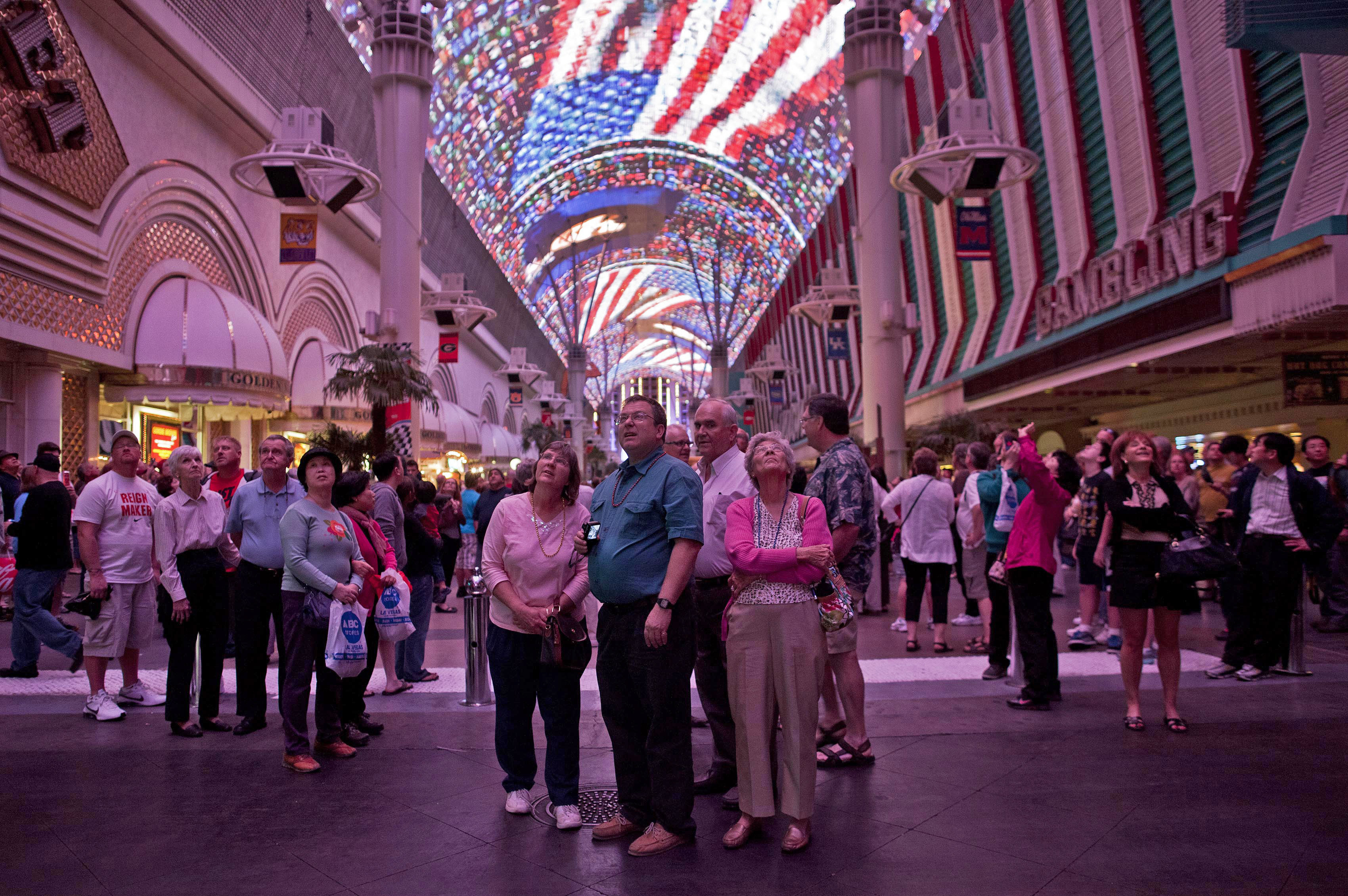
On the other end of the spectrum, the budget-conscious traveler is feeling the pinch. Rising resort fees, increased parking costs, and the general inflation of food and beverage prices have led some to reconsider their frequency of visits. This segment is where the “tourism is down” narrative gains the most traction. However, many of these visitors are simply shifting their focus toward Downtown Las Vegas, where the Fremont Street Experience offers a more affordable, yet equally vibrant, alternative to the main strip.
Key Factors Influencing Current Tourism Metrics
Several external and internal factors dictate the ebb and flow of visitors. While the city remains a powerhouse, it is not immune to global economic trends or shifts in the convention industry.
The Role of International Travel and Conventions
Conventions remain the backbone of the local economy, particularly during the midweek period when leisure travel typically dips. The Las Vegas Convention Center and other major meeting spaces are seeing a return to full capacity. However, international tourism—specifically from Asia and parts of Europe—has been slower to fully recover compared to domestic travel.
The strength of the United States dollar can sometimes act as a deterrent for international tourists, making a trip to the desert more expensive than other global hubs. Despite this, the city’s branding remains strong enough that it continues to be a top-three destination for international visitors entering the country.
Economic Pressures and Inflationary Effects
Inflation is perhaps the biggest challenge facing the industry today. As the cost of airfare and daily expenses rises, the “spontaneous weekend trip” has become less common for the middle class. To combat this, the city has leaned heavily into the “special occasion” market. People may visit less often, but when they do, they stay longer and spend more on “bucket list” items, such as a helicopter tour of the Grand Canyon or a visit to the Hoover Dam.
Practical Tips for Navigating the New Las Vegas Landscape
For those planning a visit, understanding the current climate can lead to a much more rewarding experience. The “new” Las Vegas requires a bit more strategy than it did in the past.
Timing Your Visit for Better Value
If you are looking to avoid the crowds and high prices, timing is everything. Midweek visits are significantly cheaper, as the city’s capacity is built for the massive weekend surges. Avoiding major convention weeks or big-ticket sporting events at Allegiant Stadium can save a traveler hundreds of dollars in lodging alone.
- Tip: Check the local convention calendar before booking.
- Tip: Consider visiting during the “shoulder” seasons of late spring or early fall for the best balance of weather and pricing.
Navigating Local Transport and Emerging Districts
While The Strip is the primary draw, exploring the local culture provides a more authentic look at the city. The Arts District has become a favorite for locals and savvy tourists alike, offering craft breweries, vintage boutiques, and local art galleries that feel miles away from the corporate polish of the major resorts.
For nature enthusiasts, tourism isn’t just about the bright lights. Many visitors are now incorporating trips to Red Rock Canyon into their itineraries, reflecting a broader trend toward wellness and outdoor activity. This diversification of the “Vegas experience” ensures that even if one sector—like traditional gambling—sees a dip, the overall tourism ecosystem remains healthy.
In conclusion, Las Vegas tourism is not “down” in a traditional sense; rather, it is in a state of profound evolution. The city is successfully transitioning from a gambling hub to a multi-faceted global destination for sports, tech, and culinary excellence. While economic pressures are changing how people spend their money, the sheer volume of visitors and the constant innovation of the city’s landmarks suggest that the neon lights will be shining brightly for years to come.
LifeOutOfTheBox is a participant in the Amazon Services LLC Associates Program, an affiliate advertising program designed to provide a means for sites to earn advertising fees by advertising and linking to Amazon.com. Amazon, the Amazon logo, AmazonSupply, and the AmazonSupply logo are trademarks of Amazon.com, Inc. or its affiliates. As an Amazon Associate we earn affiliate commissions from qualifying purchases.