
The journey between Los Angeles and Las Vegas is one of the most iconic travel corridors in the United States. Spanning the vast expanse of the Mojave Desert, this route connects the sprawling coastal metropolis of California with the neon-lit entertainment capital of Nevada. Whether you are a local looking for a weekend getaway or an international traveler exploring the West Coast, understanding the logistics, distance, and experiences along this path is essential for a successful trip.
Generally speaking, the distance is approximately 270 miles, depending on your starting point and final destination within each city. While the numbers on a map seem straightforward, the actual travel experience can vary wildly based on your chosen mode of transport, the time of day, and the seasonal conditions of the high desert.
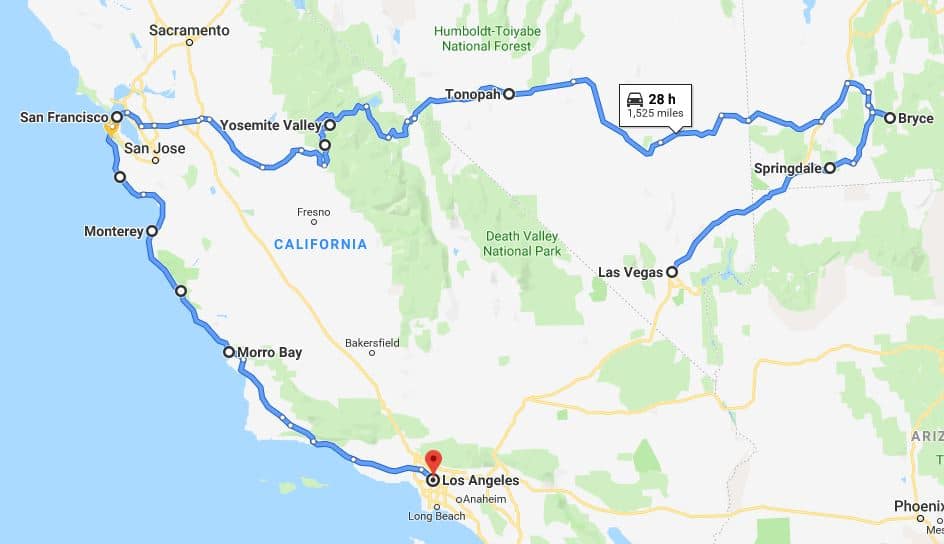
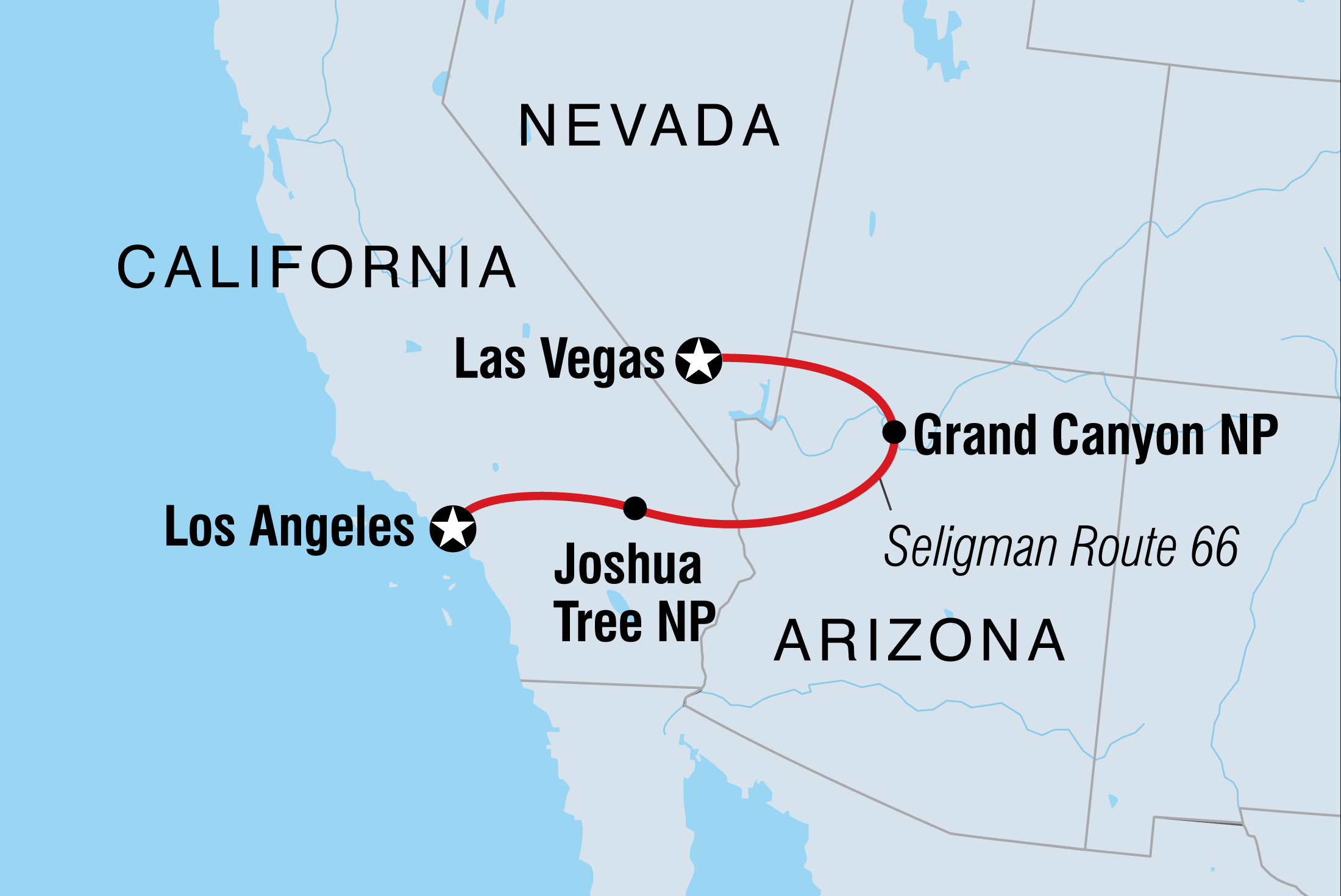
Understanding the Distance and Primary Modes of Travel
When planning your trip from the “City of Angels” to “Sin City,” the first question is usually how to get there. The physical distance might be fixed, but the “perceived distance” changes based on whether you are behind the wheel, sitting in a pressurized cabin, or relaxing on a luxury coach.
Driving the I-15 Corridor
For the majority of travelers, driving is the preferred method of travel. The primary artery connecting the two cities is the Interstate 15, more commonly known as the I-15. If you start in Downtown Los Angeles, you will likely take the I-10 or SR-60 east before merging onto the I-15 north in Ontario.
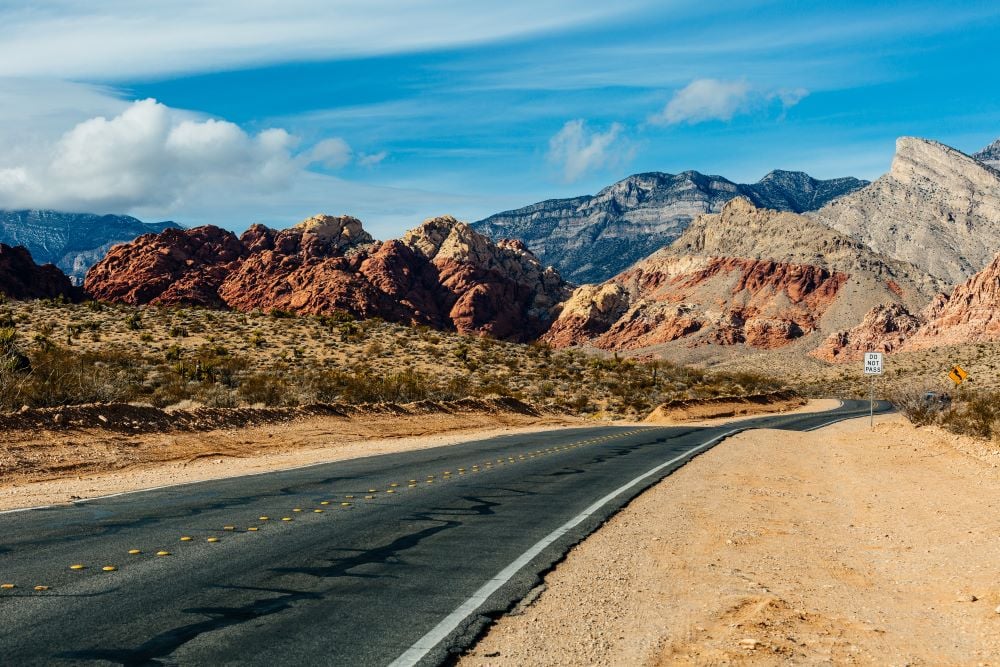
Under ideal conditions, the drive takes roughly four to five hours. However, the Cajon Pass—a mountain pass between the San Bernardino Mountains and the San Gabriel Mountains—often acts as a bottleneck. Once you clear this hurdle, the road opens up into the high desert, offering long stretches of straight highway flanked by rugged mountains and Joshua trees.
Flying Between Major Hubs
If time is of the essence, flying is an attractive alternative. The flight time from LAX (or Ontario International Airport and Burbank Airport) to Harry Reid International Airport is usually less than an hour in the air. When you factor in security, boarding, and travel to the airport, the total travel time often equals a drive, but it spares you the fatigue of navigating desert traffic. Major carriers like Southwest Airlines, Delta Air Lines, and United Airlines operate dozens of daily shuttles between these hubs, making it one of the busiest air routes in the country.
Bus and Emerging Rail Options
For those who prefer not to drive or fly, several bus services offer reliable transit. Greyhound and FlixBus provide affordable options, while luxury liners like Lux Express cater to those seeking a more premium experience with reclining seats and onboard Wi-Fi.
Excitement is also building for the Brightline West high-speed rail project. Once completed, this rail link is expected to connect Rancho Cucamonga to Las Vegas in approximately two hours, effectively revolutionizing the travel dynamic between the two regions.
Iconic Stops and Attractions Along the Route
The drive through the Mojave Desert is far from a desolate wasteland. It is a corridor filled with unique landmarks, historical sites, and kitschy roadside attractions that make the journey as memorable as the destination.
The Mojave National Preserve and Natural Wonders
As you head north past Barstow, you enter the heart of the desert. To the east lies the Mojave National Preserve, a massive protected area known for the Kelso Dunes. These “singing dunes” are famous for the low-frequency rumble they produce when sand slides down their slopes. For nature enthusiasts, a short detour to see the Cima Dome and its dense forest of Joshua trees is highly recommended.
Quirky Roadside Stops in the High Desert
No trip from Los Angeles to Vegas is complete without a stop at Baker. This small town is home to the World’s Tallest Thermometer, a 134-foot-tall landmark that honors the record-breaking temperature of 134 degrees Fahrenheit recorded in nearby Death Valley National Park in 1913. While in Baker, many travelers also stop at Alien Fresh Jerky for unique snacks and sci-fi-themed souvenirs.
Further down the road, closer to the Nevada border, you will encounter the Seven Magic Mountains. This public art installation by Ugo Rondinone features seven towers of colorful, stacked boulders that stand in stark contrast to the muted tones of the desert landscape. It has become one of the most photographed locations along the route.
Entering the Neon Glow: Primm and the Border
As you cross the state line, you arrive in Primm. This border town serves as the first taste of Nevada gaming and entertainment. Buffalo Bill’s Resort & Casino is visible from the freeway, famous for its Desperado roller coaster, which was once one of the tallest and fastest in the world. Primm also offers outlet shopping at the Prizm Outlets, making it a popular final leg break before the last 40-mile push into the Las Vegas Strip.
Best Times to Travel and Traffic Considerations
When calculating how far Vegas is from Los Angeles, time is often a more important metric than miles. Traffic can turn a 4-hour breeze into an 8-hour ordeal.
The Weekend Exodus: Friday and Sunday Peaks
The most important rule of thumb for this journey is to avoid peak travel windows. On Friday afternoons and evenings, the northbound I-15 becomes a slow-moving river of vehicles as Southern California residents head to the desert for the weekend. Conversely, Sunday afternoon and Monday morning see a massive surge in southbound traffic as travelers return home. If possible, plan your departure for mid-week or early morning hours to ensure a smooth ride.
Seasonal Weather and Desert Conditions
The Mojave Desert is a land of extremes. In the summer, temperatures can regularly exceed 110 degrees Fahrenheit. This heat puts significant strain on vehicle cooling systems and tires. In the winter, while the desert remains mostly dry, the high-elevation passes like the Cajon Pass and the Mountain Pass near the border can occasionally experience snow or ice, leading to temporary road closures. Always check the weather forecast and the Caltrans or NDOT websites for real-time road conditions.
Essential Travel Tips for a Smooth Journey
A trip across the desert requires a bit more preparation than a standard city commute. Being well-equipped ensures that the distance feels manageable and the experience remains pleasant.
Vehicle Preparation and Safety
Before setting out, check your vehicle’s fluid levels, tire pressure, and battery health. Gas stations are relatively frequent, but there are stretches where the distance between services is significant. It is a good practice to refuel in Victorville or Barstow. Furthermore, always carry extra water. In the event of a breakdown, the desert heat can become dangerous very quickly.
Maximizing Comfort on Long Stretches
The drive is visually stunning but can be monotonous for some. To make the 270 miles more enjoyable, consider downloading podcasts or a curated “Road to Vegas” playlist. If you are traveling with family, plan your stops at interesting locations like the Peggy Sue’s 50’s Diner in Yermo or the Calico Ghost Town. These breaks help break up the journey and provide a glimpse into the regional history of the Old West.
For those looking for a luxury experience, consider booking a private car service from Beverly Hills or Santa Monica. Many high-end travelers choose this option to enjoy the scenery of the San Bernardino National Forest and the open desert without the stress of driving.
Conclusion
The distance from Vegas to Los Angeles is more than just a number on an odometer; it is a transition between two distinct worlds. From the coastal influence and Hollywood hills of California to the rugged, sun-drenched valleys of the Mojave Desert, the journey is a quintessential American travel experience. Whether you fly over the mountains, drive past the World’s Tallest Thermometer, or stop to admire the Seven Magic Mountains, the trip remains a vital link between the Pacific Ocean and the shimmering oasis of Nevada. By planning ahead for traffic, preparing for the desert environment, and embracing the unique attractions along the I-15, you can ensure that your trek across the desert is as exciting as the destination itself.
LifeOutOfTheBox is a participant in the Amazon Services LLC Associates Program, an affiliate advertising program designed to provide a means for sites to earn advertising fees by advertising and linking to Amazon.com. Amazon, the Amazon logo, AmazonSupply, and the AmazonSupply logo are trademarks of Amazon.com, Inc. or its affiliates. As an Amazon Associate we earn affiliate commissions from qualifying purchases.