
The question “Did State Farm cancel fire insurance in California?” sent ripples of concern through homeowners, real estate professionals, and anyone with a vested interest in property security and long-term accommodation in the Golden State. This isn’t merely a business decision by a private company; it’s a stark indicator of mounting challenges in securing and maintaining safe, insurable homes in an era of escalating climate risks. For residents, particularly those in wildfire-prone areas, reliable fire insurance isn’t just a regulatory requirement for mortgages; it’s the bedrock of financial security and the ability to sustain a long-term stay in their chosen accommodation.

Indeed, in May 2023, State Farm General Insurance Company, one of the largest property and casualty insurers in California, announced that it would cease accepting new applications for all business and personal lines property and casualty insurance, including homeowner’s insurance, across the state. While it wasn’t a cancellation of existing policies outright, it signaled a profound shift. This move directly impacts potential new residents, those looking to relocate within California, and existing homeowners seeking to switch providers or facing policy renewals in an increasingly constrained market. The ability to secure adequate fire insurance is intrinsically linked to the feasibility of acquiring, owning, and maintaining accommodation, making this development a critical issue for the state’s housing landscape.
The Unfolding Crisis for California Accommodation
The announcement by State Farm was not an isolated incident but rather the most prominent symptom of a broader crisis impacting the availability and affordability of accommodation-related insurance in California. The decision underscores the significant hurdles insurers face in managing risk within a state frequently ravaged by devastating wildfires, compounded by unique regulatory challenges. For homeowners, especially those whose properties represent their most significant long-term accommodation investment, the ramifications are immediate and unsettling.
Why Insurers Are Pulling Back
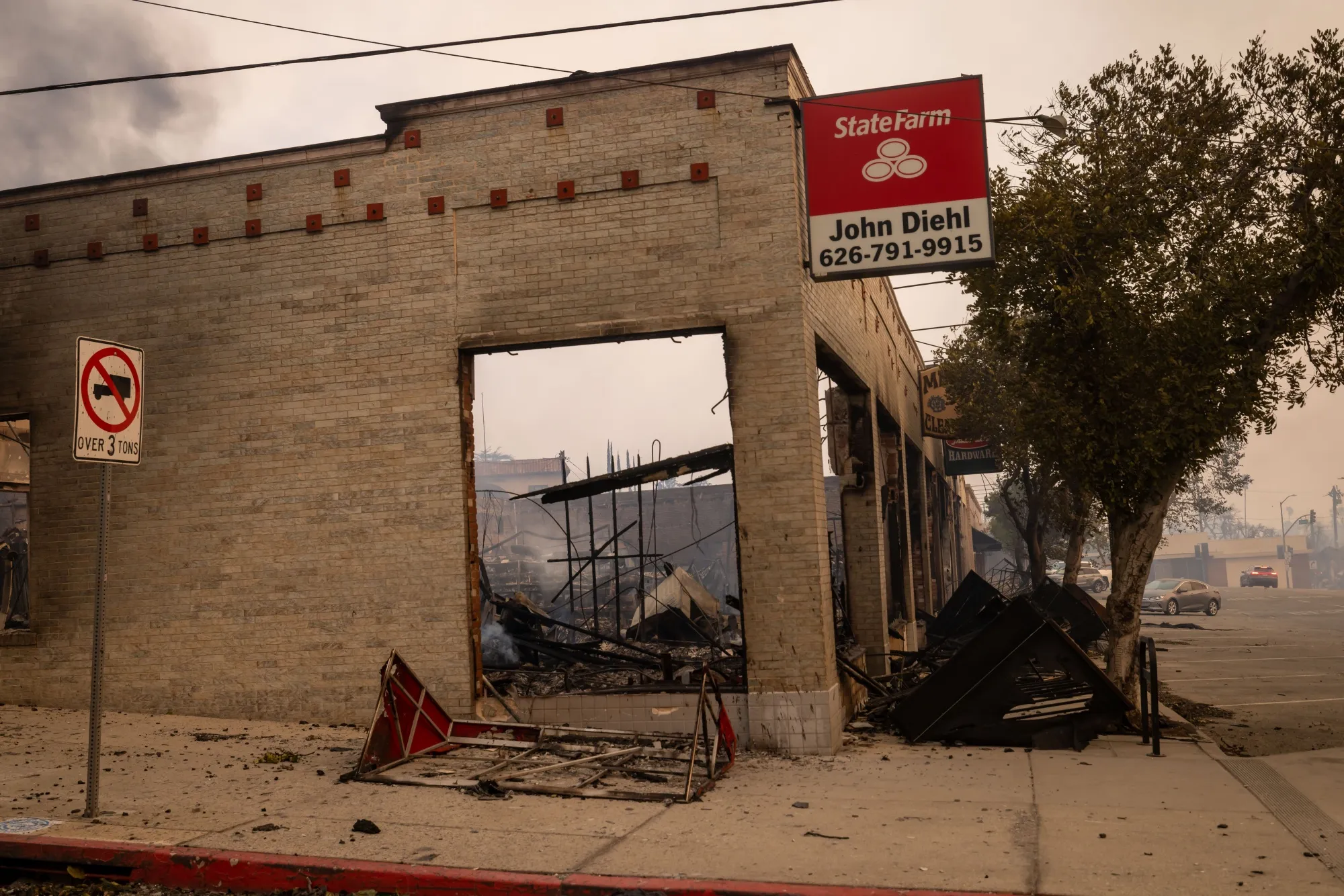
The primary driver behind State Farm’s decision, and similar actions by other insurers, is the escalating risk associated with wildfires. California’s geography, climate, and increasing development in the wildland-urban interface (WUI) have created a perfect storm for catastrophic fires. Each wildfire season brings billions of dollars in losses, often exceeding the premiums collected by insurers. These losses are not merely abstract figures; they translate directly into uninsured or underinsured homes, jeopardizing the long-term accommodation plans of thousands of families.
Beyond the immediate wildfire risk, insurers point to California’s regulatory environment as a complicating factor. State laws and regulations, particularly Proposition 103, limit how quickly insurers can raise rates to reflect actual and projected risks. This means that even as their costs for claims skyrocket, companies may be unable to adjust premiums commensurately, leading to unsustainable business models. The inability to price risk accurately creates an environment where providing coverage becomes economically unviable, forcing insurers to limit their exposure, often by restricting new policies or withdrawing from the market. This directly impacts the long-term viability of secure accommodation for many.
Immediate Impacts on Homeowners and Buyers
The immediate fallout for residents is profound. For prospective homebuyers, especially those eyeing properties in beautiful, yet fire-prone regions like Malibu, parts of the Sierra Nevada foothills, or even suburban areas surrounding Los Angeles and San Francisco, securing a mortgage becomes contingent on obtaining fire insurance. With major carriers like State Farm halting new policies, finding affordable coverage has become a daunting task. This can delay or even derail real estate transactions, affecting both buyers’ ability to secure accommodation and sellers’ ability to divest their property.
Existing homeowners aren’t immune either. As policies come up for renewal, many are finding their premiums have surged dramatically, sometimes by hundreds of percentage points. Others are receiving non-renewal notices, forcing them into a desperate search for alternative coverage. The lack of competitive options means homeowners might be forced into the state’s insurer of last resort, the FAIR Plan, which typically offers less comprehensive coverage at higher costs. For many, this translates to an increased financial burden simply to protect their long-term accommodation, impacting their overall cost of living.
Navigating the Limited Landscape of Accommodation Insurance
With major insurers like State Farm stepping back, homeowners and prospective buyers in California are forced to navigate an increasingly complex and restrictive market for fire insurance. Understanding the available options and strategies is crucial for securing and maintaining their accommodation.
The Role of the FAIR Plan
When conventional insurance options dwindle, the California FAIR Plan (Fair Access to Insurance Requirements) becomes a critical safety net. The FAIR Plan is an association of all insurers licensed to write property insurance in California, designed to ensure that basic property insurance is available to those who cannot obtain it in the voluntary market. It provides coverage for fire, extended coverage (windstorm, hail, explosion, riot, aircraft, vehicles, smoke), and vandalism/malicious mischief.
While the FAIR Plan serves its purpose by providing essential coverage, it often comes with limitations. It typically offers “bare bones” coverage, meaning homeowners usually need to purchase a “wrap-around” or “difference in conditions” policy from a separate carrier to cover perils not included, such as liability, theft, and water damage. This two-policy approach can be more expensive and administratively cumbersome, adding another layer of complexity to securing comprehensive accommodation insurance. The increase in FAIR Plan policyholders is a direct reflection of the shrinking voluntary market and the escalating challenges homeowners face in protecting their long-term investment.
Mitigation Efforts and Home Hardening
In response to the wildfire crisis, there’s a growing emphasis on proactive mitigation efforts – known as “home hardening” – to make properties more resilient to fire. The California Department of Insurance and various fire agencies are actively promoting strategies such as:
- Defensible Space: Creating zones around a home free from flammable vegetation. This includes clearing brush, removing dead plants, and maintaining irrigated lawns.
- Ignition-Resistant Building Materials: Using materials like fire-resistant roofing, siding, and decks.
- Venting Protection: Installing fine mesh screening on vents to prevent embers from entering the attic or crawl space.
- Window Upgrades: Replacing single-pane windows with multi-pane, tempered glass windows which are more resistant to radiant heat.
Homeowners who implement these measures may find it easier to obtain or renew policies in the voluntary market, or they might qualify for discounts. The long-term viability of accommodation in high-risk areas is increasingly tied to these proactive steps, transforming property ownership into a partnership with risk management. Efforts by communities in areas like Napa Valley to implement such measures collectively can also influence insurers’ willingness to underwrite policies.
The Future of Accommodation Security in California
The departure of major insurers from significant segments of the California market has far-reaching implications for the state’s housing sector, challenging conventional notions of long-term accommodation security and property value. It prompts a critical re-evaluation of how residents can continue to affordably and safely live in desirable, yet vulnerable, areas.
Impact on Real Estate Values and Affordability
A constricted insurance market inevitably impacts real estate values. Properties that are difficult or excessively expensive to insure become less attractive to buyers, even if they are otherwise desirable. This can lead to downward pressure on home prices in affected areas, potentially creating a two-tiered housing market: properties with accessible insurance commanding higher values, and those without facing significant discounts. For individuals and families who view their home as a key component of their long-term financial planning and accommodation strategy, this introduces a new layer of risk.
The affordability crisis in California is already severe, and the rising cost of insurance exacerbates it. Even if a home is otherwise affordable, exorbitant insurance premiums can push monthly housing costs beyond reach for many, especially those on fixed incomes or first-time buyers. This makes the dream of owning a long-term accommodation in California even more elusive for a significant portion of the population.

Calls for Regulatory Reform and Innovation
The crisis has intensified calls for significant regulatory reform within California’s insurance sector. Insurers argue that they need more flexibility to incorporate reinsurance costs and future climate models into their rate-setting, enabling them to offer competitive policies while remaining financially solvent. The Department of Insurance is under immense pressure from both consumers and insurers to find a balance that protects homeowners while ensuring a healthy, competitive insurance market.
Potential reforms could include:
- Streamlined Rate Approvals: Expediting the process for insurers to adjust rates, allowing them to better respond to market conditions and risk changes.
- Incentives for Mitigation: Developing robust programs that provide financial incentives for homeowners to harden their homes, making properties more insurable.
- New Insurance Products: Encouraging the development of innovative insurance products that better reflect modern climate risks and offer flexible coverage options.
The future of securing long-term accommodation in California hinges on these dialogues and reforms. Without a stable and accessible insurance market, the very foundation of property ownership and the ability to establish secure, long-term residences becomes increasingly precarious.
The question of whether State Farm canceled fire insurance in California highlights a profound shift in the state’s accommodation landscape. While not a blanket cancellation of existing policies, the halting of new applications by a major insurer signals a critical juncture. For anyone considering a long-term stay, investing in property, or simply wishing to maintain their current home in California, understanding these dynamics and adapting to the evolving market for fire insurance is no longer optional—it’s essential for securing their future. The path forward requires a collaborative effort from policymakers, insurers, and homeowners to mitigate risks, adapt regulations, and innovate solutions to ensure that the dream of secure accommodation remains attainable for all Californians.
LifeOutOfTheBox is a participant in the Amazon Services LLC Associates Program, an affiliate advertising program designed to provide a means for sites to earn advertising fees by advertising and linking to Amazon.com. Amazon, the Amazon logo, AmazonSupply, and the AmazonSupply logo are trademarks of Amazon.com, Inc. or its affiliates. As an Amazon Associate we earn affiliate commissions from qualifying purchases.