
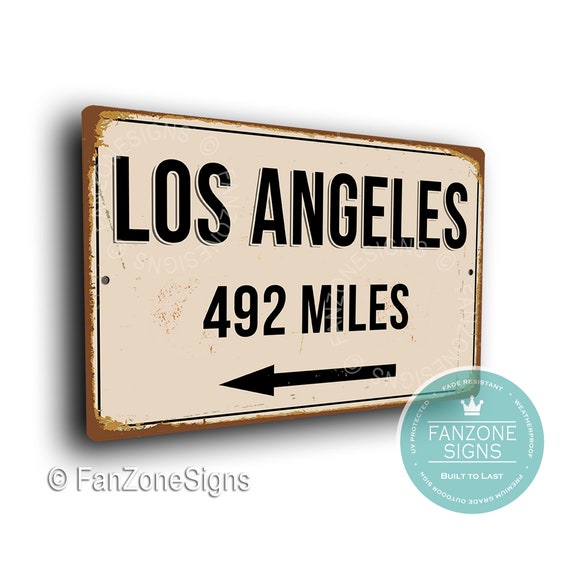
When travelers ask, “How many miles to Los Angeles?” they are often seeking more than a simple numerical figure. In the context of global travel, this question represents the beginning of a pilgrimage to the epicenter of world entertainment, a coastal paradise, and a cultural melting pot that defines the California dream. Whether you are planning a cross-country road trip across the United States or booking a long-haul flight from a distant continent, understanding the distance and the journey is the first step in mastering the art of visiting this sprawling metropolis.
Measuring the Journey: Distance and Logistics from Major Gateways
The distance to Los Angeles varies significantly depending on your point of origin, but the city’s accessibility remains one of its greatest strengths. As a primary hub on the West Coast, it serves as a magnetic north for travelers exploring the Pacific region.
The West Coast Corridor: From San Francisco and San Diego
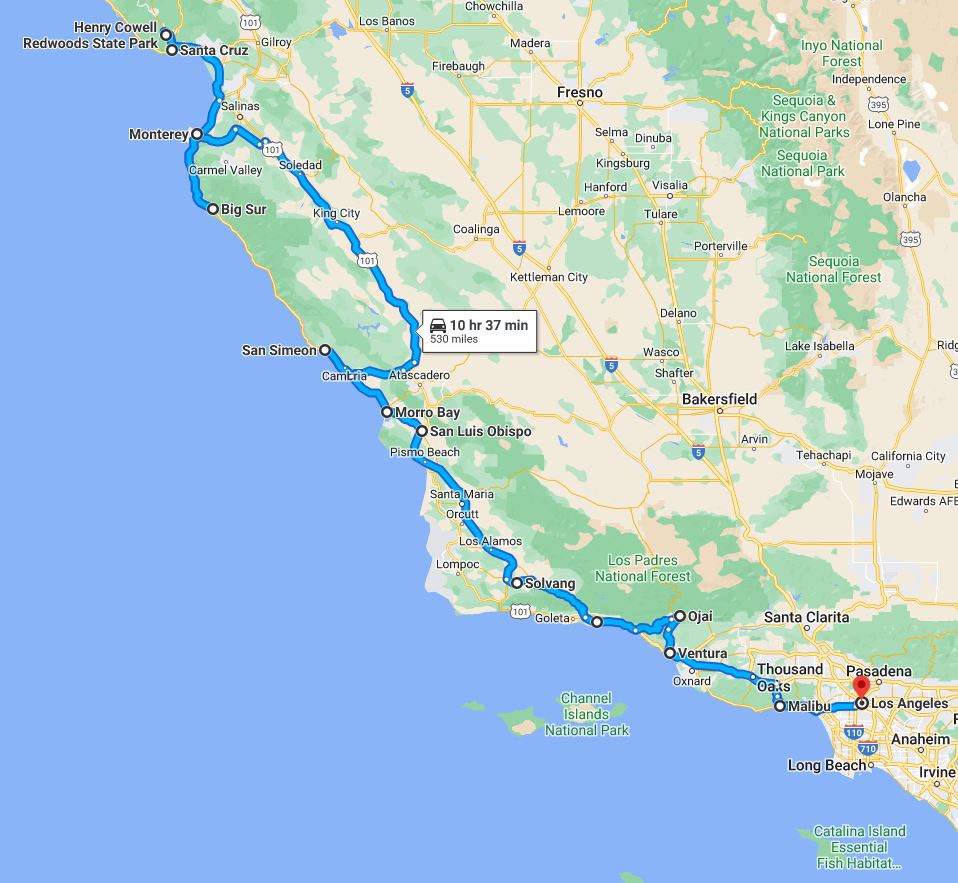
For those already within the Golden State, the journey to the “City of Angels” is a classic American experience. If you are starting in San Francisco, the distance is approximately 380 miles. Most travelers choose between the efficiency of Interstate 5 or the breathtaking vistas of the Pacific Coast Highway. While the latter adds significant time to the trip, the winding roads through Big Sur and Santa Barbara are widely considered some of the most beautiful in the world.
Conversely, coming from the south, San Diego sits just 120 miles away. This short trek is a staple for local tourists, offering a quick transition from the laid-back surf culture of the border region to the high-energy urban sprawl of the north.
Crossing the Country: Transcontinental Perspectives
For those embarking on a journey from the East Coast, the scale of the trip changes dramatically. From New York to Los Angeles, the distance covers roughly 2,800 miles. This journey spans four time zones and a diverse array of landscapes, from the Appalachian Mountains to the vast Great Plains and the Mojave Desert. Similarly, a trip from Chicago encompasses about 2,000 miles, often following the historic spirit of Route 66.
International Arrivals through LAX
For international visitors, the distance is measured in flight hours rather than road miles. LAX (Los Angeles International Airport) serves as the primary gateway. Whether you are arriving from London, Tokyo, or Sydney, the final approach over the Pacific Ocean provides a stunning introduction to the city’s vast coastline and shimmering lights.
Navigating the Sprawl: Understanding the Geography of Los Angeles
Once you have arrived, the question of “how many miles” shifts from the distance to the city to the distance within the city. Los Angeles is not a single concentrated downtown area but a collection of unique neighborhoods, each with its own character and allure.
The Coastal Charm of Santa Monica and Venice Beach
The western edge of the city is defined by its relationship with the ocean. Santa Monica is perhaps the most iconic beach destination in the region, famous for the Santa Monica Pier and its vibrant Third Street Promenade. Just a few miles south lies Venice Beach, a bohemian enclave known for its eclectic boardwalk, street performers, and the famous Muscle Beach. For travelers, these areas offer a refreshing breeze and a slower pace of life compared to the inland valleys.
The Glamour of Hollywood and Beverly Hills
No trip to this region is complete without exploring the heart of the film industry. Hollywood remains a top priority for first-time visitors, eager to see the Hollywood Walk of Fame and the historic TCL Chinese Theatre. A short drive west leads to Beverly Hills, an area synonymous with luxury and high fashion. Walking down Rodeo Drive provides a glimpse into the world of elite shopping and architectural elegance.
Downtown Los Angeles: The Historic and Modern Core

In recent years, Downtown Los Angeles (DTLA) has undergone a massive revitalization. It is now a hub for foodies, art lovers, and sports fans. From the contemporary art at The Broad to the bustling stalls of Grand Central Market, the downtown area proves that the city has a rich history that predates the film industry. Sports enthusiasts also flock here to catch a game at Dodger Stadium or the Crypto.com Arena.
Iconic Travel Experiences and Must-See Landmarks
The “miles” you travel to reach Southern California are rewarded by access to some of the most recognizable landmarks on the planet. These sites are the pillars of the local tourism industry and offer profound insights into the city’s identity.
Cultural Hubs: Getty Center and Griffith Observatory
Perched high above the city, the Getty Center is a masterpiece of modern architecture and classical art. Its gardens and views of the Santa Monica Mountains make it a tranquil escape from the urban hustle. For a different perspective of the stars—both celestial and cinematic—the Griffith Observatory offers the best vantage point in the city. Located in Griffith Park, it provides a clear view of the Hollywood Sign, a quintessential photo opportunity for every traveler.
Family Adventures and Theme Parks
For many, the journey to Los Angeles is a family-oriented quest for magic and excitement. While Disneyland is technically located in Anaheim, it is an inseparable part of the regional travel experience. Within the city limits, Universal Studios Hollywood combines a working movie studio with high-octane theme park rides, offering an immersive look at how blockbusters are made.
The Natural Beauty of Malibu and Beyond
Travelers seeking natural wonders should head north along the coast to Malibu. With its rugged cliffs and pristine beaches like Zuma Beach, it serves as a reminder of the raw beauty of the California coastline. Hiking enthusiasts often frequent Runyon Canyon Park for a workout with a view, illustrating that the city is just as much about outdoor lifestyle as it is about red carpets.
Planning Your Trip: Practical Advice for the Modern Traveler
To make the most of the miles you travel, logistical planning is essential. Los Angeles is a city that rewards the prepared and can overwhelm the spontaneous.
Mastering the California Freeway System
The phrase “how many miles” is often replaced by “how many minutes” in local parlance. Traffic is a defining characteristic of the travel experience here. When moving between Westwood and Silver Lake, or Pasadena and Long Beach, it is vital to account for peak hours. Utilizing navigation apps and considering the Metro Rail for certain routes can save hours of frustration.
The Best Times to Visit for Optimal Travel
Weather is rarely an issue in Southern California, which boasts a Mediterranean climate year-round. However, for the best experience, many travel experts recommend visiting during the “shoulder seasons” of spring (March to May) and autumn (September to November). During these months, the crowds at major attractions like the Santa Monica Pier are thinner, and the heat is more manageable than the peak of summer.
Strategic Accommodations and Staying Connected
Because the city is so vast, choosing where to stay is a strategic decision. If your goal is to spend time on the sand, Manhattan Beach or Hermosa Beach are excellent choices. If you want to be in the center of the action, West Hollywood offers proximity to Sunset Boulevard and legendary nightlife. Regardless of where you land, having a reliable rental car or a ride-share app is almost mandatory for exploring the full breadth of what the region has to offer.
In conclusion, “How many miles to Los Angeles?” is a question that invites a journey of discovery. From the high-rises of the financial district to the surf breaks of Malibu, the distance covered is merely the prelude to an unforgettable travel experience. By understanding the geography, planning for the traffic, and targeting the iconic landmarks that resonate with your interests, you can ensure that every mile traveled is worth the effort. California is waiting, and its most famous city is ready to welcome you with open arms and endless sunshine.
LifeOutOfTheBox is a participant in the Amazon Services LLC Associates Program, an affiliate advertising program designed to provide a means for sites to earn advertising fees by advertising and linking to Amazon.com. Amazon, the Amazon logo, AmazonSupply, and the AmazonSupply logo are trademarks of Amazon.com, Inc. or its affiliates. As an Amazon Associate we earn affiliate commissions from qualifying purchases.