
Embarking on a journey from the bustling metropolis of Chicago to the tranquil shores of Hawaii is a dream for many. This iconic route connects the heart of the Midwest to the paradisiacal islands of the Pacific, promising an escape filled with sun, sand, and aloha spirit. However, given the vast geographical distance, one of the most pressing questions for prospective travelers is: “How long is the flight to Hawaii from Chicago?” The answer, while seemingly straightforward, involves a nuanced understanding of direct versus connecting flights, aircraft types, weather conditions, and your ultimate island destination. Preparing for this long-haul adventure means understanding the logistical realities to ensure a smooth and enjoyable transition from urban landscape to tropical bliss.
Understanding the Non-Stop vs. Connecting Flight Dynamics
The duration of your flight from Chicago to Hawaii is primarily dictated by whether you secure a non-stop flight or opt for a more common connecting itinerary. Each option presents its own set of advantages and challenges in terms of time, cost, and convenience.
The Ideal Scenario: Non-Stop Flights
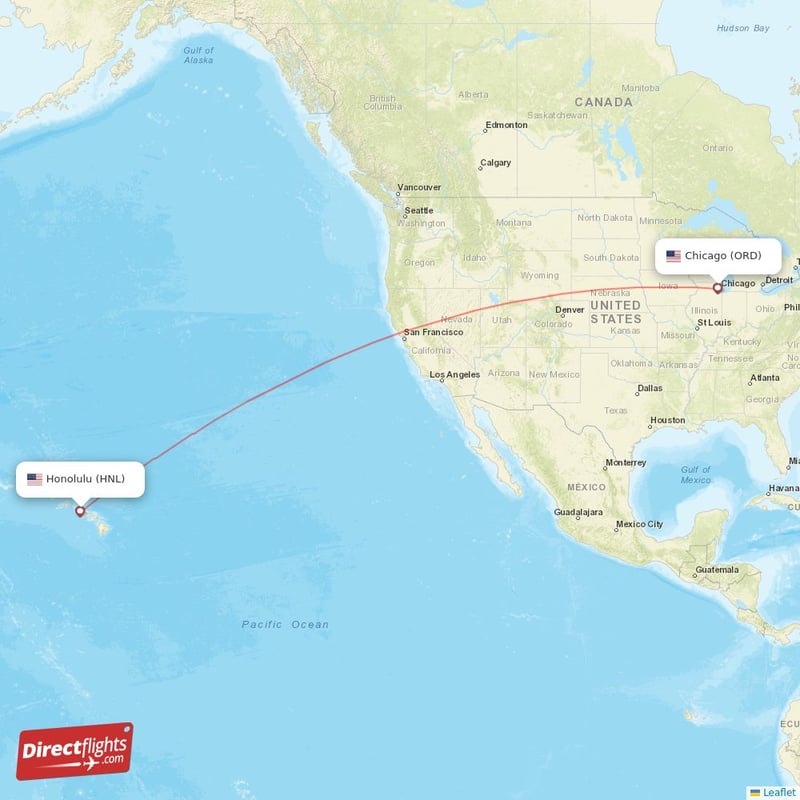
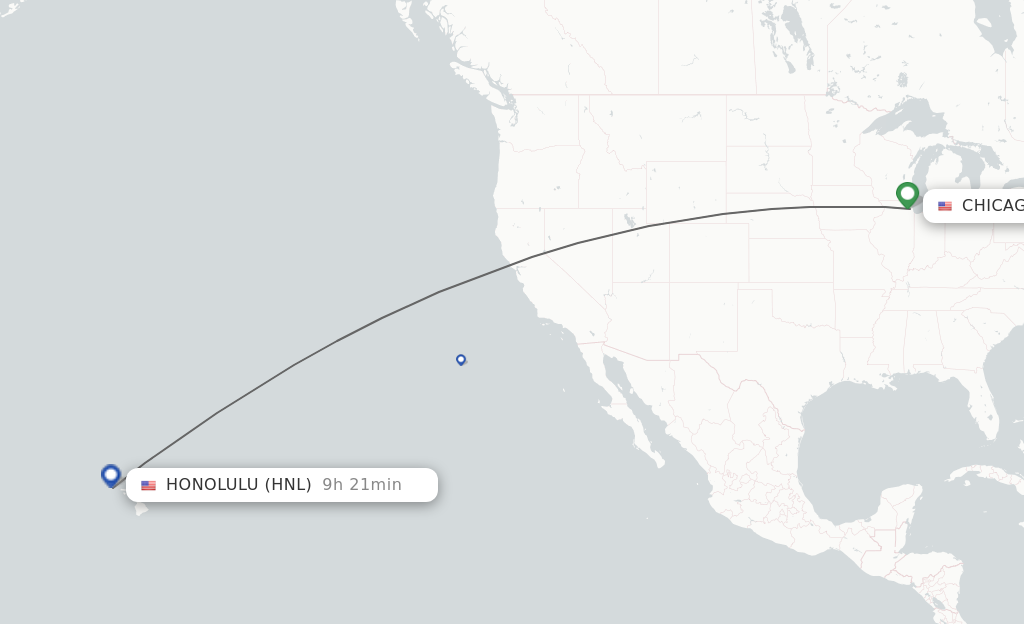
For those prioritizing speed and seamless travel, a non-stop flight is the most desirable option. Direct flights from Chicago O’Hare International Airport (ORD) to major Hawaiian airports like Honolulu Daniel K. Inouye International Airport (HNL) on Oahu or Kahului Airport (OGG) on Maui typically range from 8.5 to 9.5 hours.
These direct services, while less frequent than connecting flights, are usually operated by major carriers such as United Airlines and American Airlines. The exact duration can fluctuate based on several factors:
- Tailwinds vs. Headwinds: Flights traveling westward generally experience headwinds, which can add 30-60 minutes to the flight time. Eastward return flights often benefit from tailwinds, potentially shortening the journey.
- Specific Flight Path: Minor variations in air traffic control routes can also subtly influence the total time in the air.
- Aircraft Type: Modern, efficient aircraft can sometimes shave off a few minutes compared to older models.
Opting for a non-stop flight means avoiding the stress of layovers, potential delays during transfers, and the need to re-board. It’s often the preferred choice for business travelers or families seeking the quickest path to relaxation.
The Reality for Many: Connecting Flights
While non-stop flights offer the ultimate convenience, connecting flights are far more common and often more budget-friendly for the Chicago to Hawaii route. A typical itinerary involving one or more layovers will significantly extend your total travel time.
Common layover cities on the mainland United States include major West Coast hubs like Los Angeles (Los Angeles International Airport – LAX), San Francisco (San Francisco International Airport – SFO), Phoenix (Phoenix Sky Harbor International Airport – PHX), or Seattle (Seattle-Tacoma International Airport – SEA).
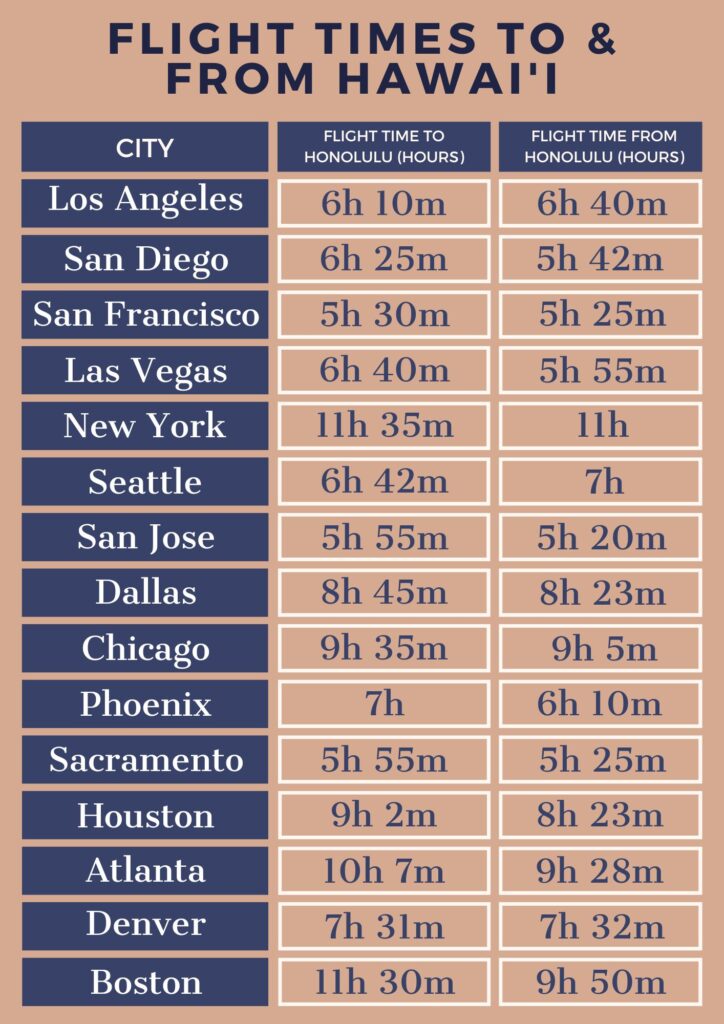
When you factor in the flight segments and the time spent on the ground during layovers, the total travel time can range from 12 to 18 hours or even more. For example:
- Chicago to Los Angeles: Approximately 4 hours.
- Layover in Los Angeles: Typically 2-4 hours, but can be shorter or much longer.
- Los Angeles to Honolulu: Approximately 5.5 hours.
This brings the total minimum travel time to around 11.5 hours, assuming minimal layover time. Realistically, with airport navigation, boarding, and potential delays, 14-16 hours is a more common experience for a one-stop journey. While longer, connecting flights offer more flexibility in terms of departure times and often come with a more attractive price tag, making them a practical choice for many travelers.
Factors Influencing Flight Duration and Comfort
Beyond the simple distinction between non-stop and connecting flights, several other elements play a crucial role in determining both the exact duration of your journey to Hawaii and your overall comfort during the extended air travel. Understanding these factors can help in planning and setting expectations.
Aircraft Type and Speed
Modern long-haul aircraft are designed for efficiency and passenger comfort over vast distances. Airlines flying the Chicago to Hawaii route typically utilize wide-body jets such as the Boeing 787 Dreamliner, Airbus A330, or Boeing 777. These aircraft cruise at speeds of approximately 550-600 miles per hour (885-965 kilometers per hour). While subtle, newer models with improved aerodynamics can sometimes achieve slightly faster travel times under optimal conditions. They also offer a more comfortable experience with better cabin pressurization, humidity, and entertainment systems, which is crucial for a flight of this length.
Weather Conditions and Air Traffic
Mother Nature and busy skies can significantly impact flight duration.
- Wind Patterns: The most notable natural factor is wind. Strong headwinds (winds blowing against the direction of travel) can add a considerable amount of time to your flight, particularly on westbound journeys to Hawaii. Conversely, tailwinds can shorten the flight. Pilots constantly adjust routes and altitudes to minimize adverse wind effects and maximize favorable ones.
- Air Traffic Control (ATC): Delays due to heavy air traffic at departure or arrival airports, particularly major hubs like [Chicago O’Hare International Airport](https://lifeoutofthebox.com/chicago-ohare-international-airport] or Honolulu Daniel K. Inouye International Airport, can lead to holding patterns or ground delays, adding extra minutes or even hours to your journey.
- Seasonal Weather: Severe weather events, such as winter storms in Chicago or rare tropical disturbances near Hawaii, can lead to significant delays, re-routing, or even flight cancellations.
Specific Hawaiian Island Destination
While most long-haul flights from the mainland target Honolulu (HNL) on Oahu, your final island destination can affect the overall travel time.
- Oahu (Honolulu): Most non-stop and direct flights land here, making it the primary gateway.
- Maui (Kahului), Kauai (Lihue), or Big Island (Kona/Hilo): If your destination is one of these islands, and you don’t have a direct flight, you’ll typically fly into Honolulu first and then take an inter-island connection. These inter-island flights are short, usually 30-45 minutes, but add to your total travel time and require baggage re-check or transfer. Some airlines do offer direct flights from the mainland to Maui (OGG) or Kona (KOA) on the Big Island, which would bypass the Honolulu connection. Always verify your final destination airport when booking.
Preparing for a Long-Haul Flight to Paradise
A lengthy flight across the Pacific requires a bit of preparation to ensure you arrive in Hawaii feeling as refreshed as possible, ready to embrace the aloha spirit. Focusing on comfort, managing time zone shifts, and smart packing are key.
Maximizing Comfort During the Journey
An 8 to 18-hour journey demands attention to personal comfort.
- Clothing: Opt for loose-fitting, comfortable clothing in layers. Cabin temperatures can fluctuate.
- Hydration: Drink plenty of water throughout the flight. Avoid excessive alcohol and caffeine, which can contribute to dehydration and disrupt sleep patterns.
- Movement: Get up and walk around the cabin every couple of hours if possible. Perform simple in-seat stretches to promote circulation and prevent stiffness.
- Entertainment: Load your devices with movies, TV shows, music, podcasts, or audiobooks. A good book can also be a timeless companion. Don’t forget noise-canceling headphones to block out cabin noise.
- Sleep Aids: A comfortable neck pillow, an eye mask, and earplugs can make a significant difference in getting quality rest.
Managing Time Zones and Jet Lag
Traveling from Chicago to Hawaii involves crossing several time zones. Hawaii Standard Time (HST) is 5 hours behind Central Standard Time (CST) during Daylight Saving Time (e.g., in summer), and 4 hours behind when CST is in effect (winter). This significant shift can lead to jet lag upon arrival.
- Gradual Shift: If possible, start adjusting your sleep schedule a few days before departure, shifting it closer to Hawaii’s time.
- On Arrival: As soon as you land, try to adapt to the local time. Expose yourself to natural light during the day and avoid napping for too long. Prioritize getting a good night’s sleep on your first night.
- Stay Hydrated: Again, hydration helps your body adjust.
Essential Packing Considerations
Your packing list should reflect the destination and the journey itself.
- Carry-on Essentials: Keep important documents (ID, passport, tickets), medications, a change of clothes, toiletries, chargers, and any valuables in your carry-on bag.
- Reef-Safe Sunscreen: Hawaii has strict regulations on sunscreen to protect its delicate coral reefs. Ensure you pack or purchase reef-safe options.
- Lightweight Clothing: Hawaii is warm year-round, so pack light, breathable fabrics.
- Comfortable Footwear: For exploring the islands, comfortable walking shoes or sandals are a must.
- Reusable Water Bottle: Stay hydrated and reduce plastic waste.
Flight Planning Strategies for Your Hawaiian Getaway
Strategic planning is paramount for a smooth and cost-effective journey from Chicago to Hawaii. From choosing the best time to book to understanding inter-island connections, these strategies will optimize your travel experience.
Best Time to Book and Fly
- Booking in Advance: For such a popular route, aim to book your flights 3 to 6 months in advance. This typically secures better prices, especially for non-stop options.
- Shoulder Seasons: Consider flying during the shoulder seasons (April-May and September-November). These periods often offer a balance of good weather, fewer crowds, and more competitive airfares compared to peak summer or winter holiday travel.
- Mid-Week Travel: Tuesdays, Wednesdays, and Saturdays are generally the cheapest days to fly. Avoid departing on Fridays or Sundays if possible.
Choosing the Right Airline and Itinerary
- Balance Cost and Comfort: While a non-stop flight is ideal for speed, a connecting flight might save you a significant amount of money. Weigh the trade-offs based on your budget and preference for comfort.
- Airlines: Research different airlines that serve the route. United Airlines, American Airlines, Delta Air Lines, and Alaska Airlines are major carriers offering flights to Hawaii, often with connections through West Coast hubs. Check their baggage policies, seat pitch, in-flight amenities, and any loyalty programs you might be part of.
- Layover Duration: If you choose a connecting flight, pay attention to the layover duration. Too short, and you risk missing your connection; too long, and you add unnecessary hours to your travel. A 2-3 hour layover is often a good balance.
Inter-Island Travel Logistics
If your ultimate destination is not Oahu (where Honolulu Daniel K. Inouye International Airport is located), you’ll likely need to arrange an additional inter-island flight.
- Primary Carriers: Hawaiian Airlines and Southwest Airlines are the main providers of inter-island flights, connecting Oahu to Maui, Kauai, and the Big Island.
- Booking Strategy: You can book these inter-island flights as part of your main itinerary or separately. Booking them together with your mainland flight might offer some protection in case of delays, but separate bookings can sometimes yield better prices.
- Baggage: Be mindful of baggage policies, as they can differ between international/mainland flights and inter-island services. You may need to collect and re-check your luggage.
In conclusion, the flight from Chicago to Hawaii is a significant undertaking, ranging from 8.5-9.5 hours for non-stop journeys to 12-18+ hours for connecting flights. While the journey is long, the reward of stepping onto the shores of Hawaii and immersing yourself in its unique beauty and culture makes every minute in the air worthwhile. With careful planning and an understanding of the travel dynamics, your passage to paradise will be as comfortable and enjoyable as possible, setting the perfect tone for an unforgettable Hawaiian adventure.
LifeOutOfTheBox is a participant in the Amazon Services LLC Associates Program, an affiliate advertising program designed to provide a means for sites to earn advertising fees by advertising and linking to Amazon.com. Amazon, the Amazon logo, AmazonSupply, and the AmazonSupply logo are trademarks of Amazon.com, Inc. or its affiliates. As an Amazon Associate we earn affiliate commissions from qualifying purchases.