
The history of Los Angeles is inextricably linked to the element of fire. For decades, the landscape of Southern California has been shaped by the seasonal Santa Ana winds and the rugged terrain of the Santa Monica Mountains. When people ask, “How many people died in Los Angeles fire?” they are often searching for information regarding specific historical events that have left an indelible mark on the city’s memory. While the loss of life in these events is a somber aspect of the region’s history, the story of Los Angeles is also one of architectural innovation, ecological resilience, and the preservation of world-class landmarks.
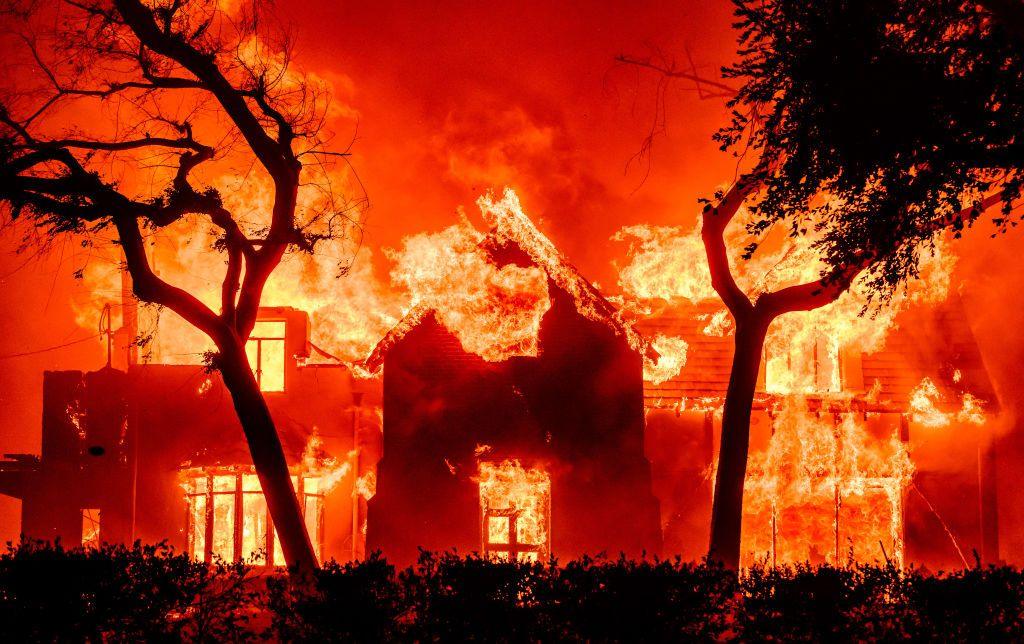
From a tourism and landmarks perspective, understanding the impact of fire is essential to appreciating the city’s unique geography and the design of its most famous structures. Fire has dictated where people build, how they protect their heritage, and how the natural parks that define the California experience are managed.
Historical Fires and the Shaping of the Cityscape
The urban development of Los Angeles was significantly altered by major fire events in the 20th century. These disasters led to stricter building codes and the creation of some of the most sophisticated fire-prevention infrastructure in the United States.
The Griffith Park Fire of 1933
One of the deadliest fires in the history of California occurred right in the heart of the city’s most beloved park. In October 1933, a brush fire broke out in Griffith Park. At the time, thousands of workers were in the park as part of a Depression-era relief project. When the fire escalated, many were trapped in the steep canyons. It is estimated that 29 people lost their lives that day, though some historical accounts suggest the number could have been higher.
Today, visitors to the Griffith Observatory look out over a landscape that has since been meticulously managed to prevent a repeat of such a tragedy. The fire led to a massive overhaul of how the Los Angeles Fire Department approaches wilderness-urban interfaces. For those exploring the hiking trails near the Hollywood Sign, the lush greenery is a testament to the city’s ongoing conservation efforts.
The 1961 Bel Air Fire and Urban Planning
The 1961 Bel Air fire is often cited as a turning point in the architectural history of Los Angeles. The fire destroyed nearly 500 homes in one of the city’s wealthiest enclaves. While no lives were lost directly due to the flames, the sheer scale of property destruction forced a complete rethink of residential landmarks.
Because of this fire, Los Angeles banned the use of wood-shingle roofs, a decision that fundamentally changed the aesthetic of neighborhoods in the Hollywood Hills and Brentwood. When you drive through these areas today, the Spanish-style tile roofs and fire-resistant materials you see are a direct result of the lessons learned from the 1961 blaze.
Natural Landmarks and Recovery: The Santa Monica Mountains
The Santa Monica Mountains represent the largest urban mountain range in the world, stretching from Hollywood all the way to the Pacific Ocean. This natural landmark is a primary destination for outdoor enthusiasts, but it is also the site of the city’s most frequent fire activity.
The Woolsey Fire and Malibu
In 2018, the Woolsey Fire became one of the most destructive in Southern California history. It scorched nearly 100,000 acres, including significant portions of Malibu. Sadly, three people lost their lives in this event. The fire also damaged several historical filming locations and landmarks within Paramount Ranch, a site where countless Hollywood westerns were filmed.
However, the recovery of the Santa Monica Mountains National Recreation Area has become a point of pride for the local community. The “superbloom” of wildflowers that often follows a fire season attracts tourists from across North America. This cycle of destruction and rebirth is a core part of the ecological identity of California.
Ecology and Rebirth in Topanga State Park

Topanga State Park serves as a vital green lung for the city. Fires in this region often prompt questions about the safety of the unique flora and fauna. While fires can be devastating, the native chaparral has evolved to coexist with fire. Many plants in the San Fernando Valley periphery actually require the heat of a fire to crack their seed coats and begin new growth.
For the modern traveler, hiking through Topanga State Park offers a lesson in environmental science. You can see the charred remains of older trees standing alongside vibrant new growth, a visual representation of the resilience that defines the Los Angeles landscape.
Modern Safety and the Evolution of Los Angeles Architecture
In a city known for its stunning landmarks, fire safety is not just a regulatory requirement; it is a design philosophy. Modern architects in Los Angeles prioritize fire-resistant materials and innovative engineering to protect both people and art.
Building Standards at the Getty Center
Perhaps the most famous example of fire-resistant architecture in the world is the Getty Center. Perched on a hill overlooking Brentwood and the San Diego Freeway, the museum was designed by Richard Meier with the specific threat of brush fires in mind.
The Getty Center features thick travertine stone walls, an extensive internal sprinkler system, and a sophisticated air filtration system designed to keep smoke away from precious artworks. During several recent fires, the museum was actually considered the safest place for the art to stay, rather than being moved. It stands as a landmark of safety and a model for how cultural institutions can thrive in fire-prone environments.
Fireproofing the Skyscraper District
In Downtown Los Angeles, the skyline is dominated by architectural marvels like the US Bank Tower and the Wilshire Grand Center. High-rise fire safety became a major focus following the 1988 First Interstate Tower fire, which resulted in one fatality and led to the mandatory installation of sprinklers in all high-rise buildings in the city.
The Wilshire Grand Center, currently the tallest building in Los Angeles, incorporates state-of-the-art pressurized stairwells and fire-hardened elevators. These landmarks are not just beautiful to look at; they represent decades of engineering progress aimed at ensuring that the question of “how many people died” becomes a relic of the past.
Visiting Los Angeles Safely: A Guide for History Enthusiasts
For travelers interested in the history and landmarks of Los Angeles, understanding the fire history of the region adds a layer of depth to the visiting experience. It highlights the community’s strength and the importance of preserving both natural and man-made treasures.
Visiting Mount Wilson Observatory
The Mount Wilson Observatory, located high in the San Gabriel Mountains, has come perilously close to destruction during several fires, most notably the Bobcat Fire in 2020. The heroic efforts of firefighters to save this historic landmark—where Edwin Hubble discovered the expanding universe—is a legendary story in local lore.
Visitors can take guided tours of the observatory and see the firebreaks and defensive measures that continue to protect this site. It serves as a reminder that the preservation of human knowledge and history requires constant vigilance against the forces of nature.

Tips for Responsible Tourism
When visiting California during the dry season, typically from late summer through autumn, tourists are encouraged to be mindful of fire safety. This includes:
- Adhering to “Red Flag Warnings” issued by the National Weather Service.
- Avoiding any activities that could spark a fire in dry brush areas.
- Supporting local conservation groups that work to restore landmarks like Malibu Creek State Park after fire events.
By exploring Los Angeles through the lens of its history and its landmarks, visitors gain a greater appreciation for the city’s complex relationship with the environment. The story of fire in Los Angeles is not just a tally of numbers; it is a narrative of evolution, where every landmark stands as a monument to the city’s enduring spirit. Whether you are gazing at the stars from Griffith Park or admiring the travertine at the Getty Center, you are witnessing a city that has been refined, not just ravaged, by the flames.
LifeOutOfTheBox is a participant in the Amazon Services LLC Associates Program, an affiliate advertising program designed to provide a means for sites to earn advertising fees by advertising and linking to Amazon.com. Amazon, the Amazon logo, AmazonSupply, and the AmazonSupply logo are trademarks of Amazon.com, Inc. or its affiliates. As an Amazon Associate we earn affiliate commissions from qualifying purchases.