
Navigating the financial landscape of one of the world’s most iconic metropolitan areas can be as complex as its famous freeway system. Whether you are a frequent business traveler, a luxury seeker, or someone considering a permanent move to California, understanding the nuances of the local economy is essential. One of the most immediate financial factors anyone encounters in Los Angeles is the sales tax. It affects everything from your morning latte in Silver Lake to a high-end purchase on Rodeo Drive.
In the United States, sales tax is not a singular federal rate but a layered combination of state, county, and local district levies. In Los Angeles, this rate is frequently subject to change based on voter-approved initiatives and municipal requirements. For those living a high-paced lifestyle or managing business expenses, these percentages are more than just numbers—they are a critical component of budget management and financial planning.

Understanding the Composition of Sales Tax in the City of Angels
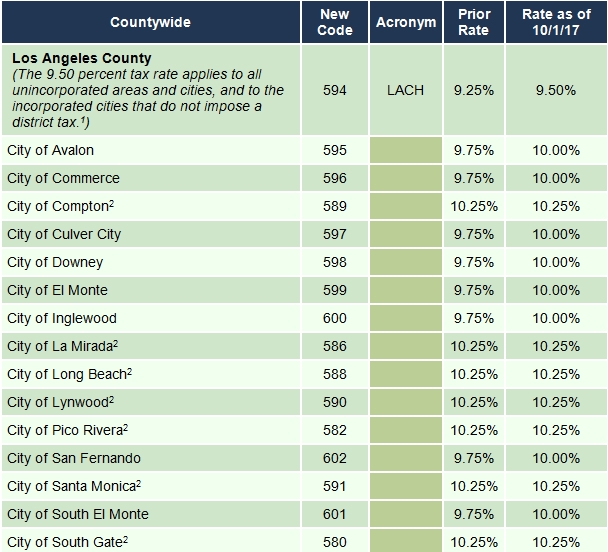
To understand why the sales tax in Los Angeles is what it is, one must look at the various layers that compose the final percentage. Currently, the sales tax rate for the city of Los Angeles is 9.5%. However, this is not a flat rate dictated solely by the city council. Instead, it is a cumulative figure that incorporates several different jurisdictions.
The Breakdown: State, County, and Local Districts
The foundation of the sales tax is the California state tax. While the base state rate is 7.25%, the actual amount that remains with the state government is smaller, as a portion is redistributed to local governments. On top of the state’s base, Los Angeles County adds its own percentage to fund regional services, such as public transportation and healthcare.
What often pushes the rate in Los Angeles to its current 9.5% are “District Taxes.” These are additional taxes approved by voters to fund specific projects. For instance, Measure R and Measure M are well-known initiatives in Los Angeles County designed to fund massive improvements to the Los Angeles County Metropolitan Transportation Authority. When you pay sales tax in the city, you are directly contributing to the expansion of the light rail system and the maintenance of the sprawling infrastructure of Southern California.
How Los Angeles Compares to Neighboring Jurisdictions
When managing a lifestyle in Southern California, it is important to realize that the 9.5% rate is not universal across the entire region. Los Angeles County contains 88 incorporated cities, and many have their own specific district taxes.
For example, if you travel just a few miles west to Santa Monica or Culver City, you might find rates that vary slightly, often reaching 10.25%. Conversely, if you head south to Orange County and visit cities like Irvine or Newport Beach, the sales tax is generally lower, typically around 7.75%. For business travelers or residents making large-scale purchases—such as electronics or luxury vehicles—knowing these discrepancies can lead to significant savings.
The Impact of Sales Tax on the Los Angeles Lifestyle
For those who enjoy the finer things in life, Los Angeles offers unparalleled opportunities. However, the sales tax rate plays a silent role in the cost of that lifestyle. From high-fashion retail to the thriving culinary scene, every transaction is influenced by the 9.5% levy.
Shopping Culture: From Rodeo Drive to Local Boutiques
Los Angeles is a global fashion capital. Whether you are browsing the designer storefronts in Beverly Hills or exploring the trendy boutiques in West Hollywood, the sales tax is added at the point of sale. Unlike many European countries where the Value Added Tax (VAT) is included in the price tag, in the United States, the tax is calculated at the register.
For a shopper purchasing a $2,000 designer handbag at The Grove, the 9.5% tax adds an additional $190 to the total. For international travelers, this is a crucial distinction to remember. While California does not currently offer a sales tax refund program for international tourists—unlike some other states or countries—the sheer variety of goods available at South Coast Plaza or Citadel Outlets often offsets the tax burden for many visitors.
Dining and Entertainment: The Cost of the LA Experience
The lifestyle in Los Angeles is heavily centered around its world-class dining and entertainment. From the historic Musso and Frank Grill in Hollywood to the modern gastropubs in Downtown Los Angeles, prepared food is subject to sales tax.
It is a common misconception among visitors that all food is taxed. In California, “cold” grocery items are generally exempt from sales tax. However, the moment that food is prepared, heated, or served in a restaurant setting, it becomes taxable. If you are catching a show at the Hollywood Bowl or spending a day at Universal Studios Hollywood, remember that the prices you see on the menu will have that 9.5% added to the final bill, alongside any expected gratuity.
Strategic Financial Planning for Residents and Business Travelers
For those in Los Angeles for business stays or long-term relocation, understanding the tax structure is part of smart financial management. When you are operating within a high-cost-of-living area, every percentage point counts toward your bottom line.
Tax-Exempt Goods and Services
One of the benefits of the California tax code is the exemption of certain essential services and goods. For lifestyle planning, it is helpful to know that most professional services—such as legal advice, accounting, or consulting—are not subject to sales tax. Additionally, prescription medicines and many medical devices are exempt.
For the budget-conscious resident, shopping at a Farmers Market for fresh produce or stocking up on essentials at a Whole Foods Market in Pasadena allows you to avoid the 9.5% tax on those specific items. Understanding what is and isn’t taxable can help in structuring a monthly budget that maximizes your purchasing power.
Navigating High-Value Purchases in Los Angeles County
If you are planning a major purchase, such as a vehicle or home office equipment for a new startup in Silicon Beach, the location of the purchase matters. In California, for vehicle purchases, the sales tax is usually based on where the vehicle is registered, not necessarily where it is bought. This prevents people from simply driving to a lower-tax area to avoid the Los Angeles rate.
However, for other tangible goods, “border shopping” is a common lifestyle tactic. Someone living in Long Beach, where the rate is 10.25%, might choose to make significant household purchases in a nearby city with a lower rate if the item is being picked up in person. For business travelers, keeping meticulous records of these taxes is essential for reimbursement and tax deductions, especially if the expenses are incurred while visiting landmarks like the Griffith Observatory or attending conferences at the Los Angeles Convention Center.
Future Outlook and Economic Considerations
The sales tax in Los Angeles is not static. It is a reflection of the city’s evolving needs and the collective will of its residents. As Los Angeles prepares for major international events, such as the 2028 Summer Olympics, the tax landscape may continue to shift.
Recent Legislative Changes and Ballot Measures
The California Department of Tax and Fee Administration frequently updates the tax rates based on new legislation. In recent years, there has been a trend toward “special purpose” taxes. These are often small increases—sometimes just 0.1% or 0.25%—dedicated to specific social issues, such as homelessness initiatives or park renovations.
For the lifestyle-oriented resident, these taxes are often seen as an investment in the city’s future. Funding for the Los Angeles County Museum of Art or the preservation of the Santa Monica Mountains often comes from these public funds. Staying informed via local news or official government portals is the only way to keep track of the exact rate as it fluctuates.

Long-term Budgeting for Life in Southern California
When considering the lifestyle of Los Angeles, the sales tax should be viewed as part of the broader “sunshine tax”—the price paid for the weather, the culture, and the economic opportunity of the region. While 9.5% is high compared to the national average, the services it provides are what make Los Angeles a premier global destination.
For those planning a business stay or a lifestyle change, the best approach is to always factor in a 10% buffer for taxes and fees on all non-exempt purchases. This conservative approach ensures that there are no surprises when the bill arrives at a luxury hotel like the Beverly Wilshire or when purchasing tech gear at an Apple Store in Santa Monica. By understanding the “What” and “Why” of Los Angeles sales tax, you can navigate the city with the confidence of a local and the financial savvy of a seasoned traveler.
LifeOutOfTheBox is a participant in the Amazon Services LLC Associates Program, an affiliate advertising program designed to provide a means for sites to earn advertising fees by advertising and linking to Amazon.com. Amazon, the Amazon logo, AmazonSupply, and the AmazonSupply logo are trademarks of Amazon.com, Inc. or its affiliates. As an Amazon Associate we earn affiliate commissions from qualifying purchases.