
California, with its diverse landscapes, vibrant economy, and unique cultural tapestry, attracts millions of visitors annually. For many, a temporary visit sparks a desire for something more permanent – a move to make the Golden State their long-term home. However, transitioning from a visitor or temporary resident to a recognized California resident involves a series of deliberate steps, extending far beyond simply existing within its borders. It’s a process rooted in establishing a genuine intent to make California your primary domicile, substantiated by tangible actions that demonstrate your long-term commitment to the state.
Obtaining California residency is not a singular event but rather a cumulative effort of establishing deep personal, financial, and legal ties within the state. This comprehensive guide delves into the nuances of defining and demonstrating residency, offering practical steps and crucial insights for anyone looking to officially call California home. Understanding these requirements is paramount, as residency status impacts everything from income taxes and vehicle registration to in-state tuition eligibility and voting rights.
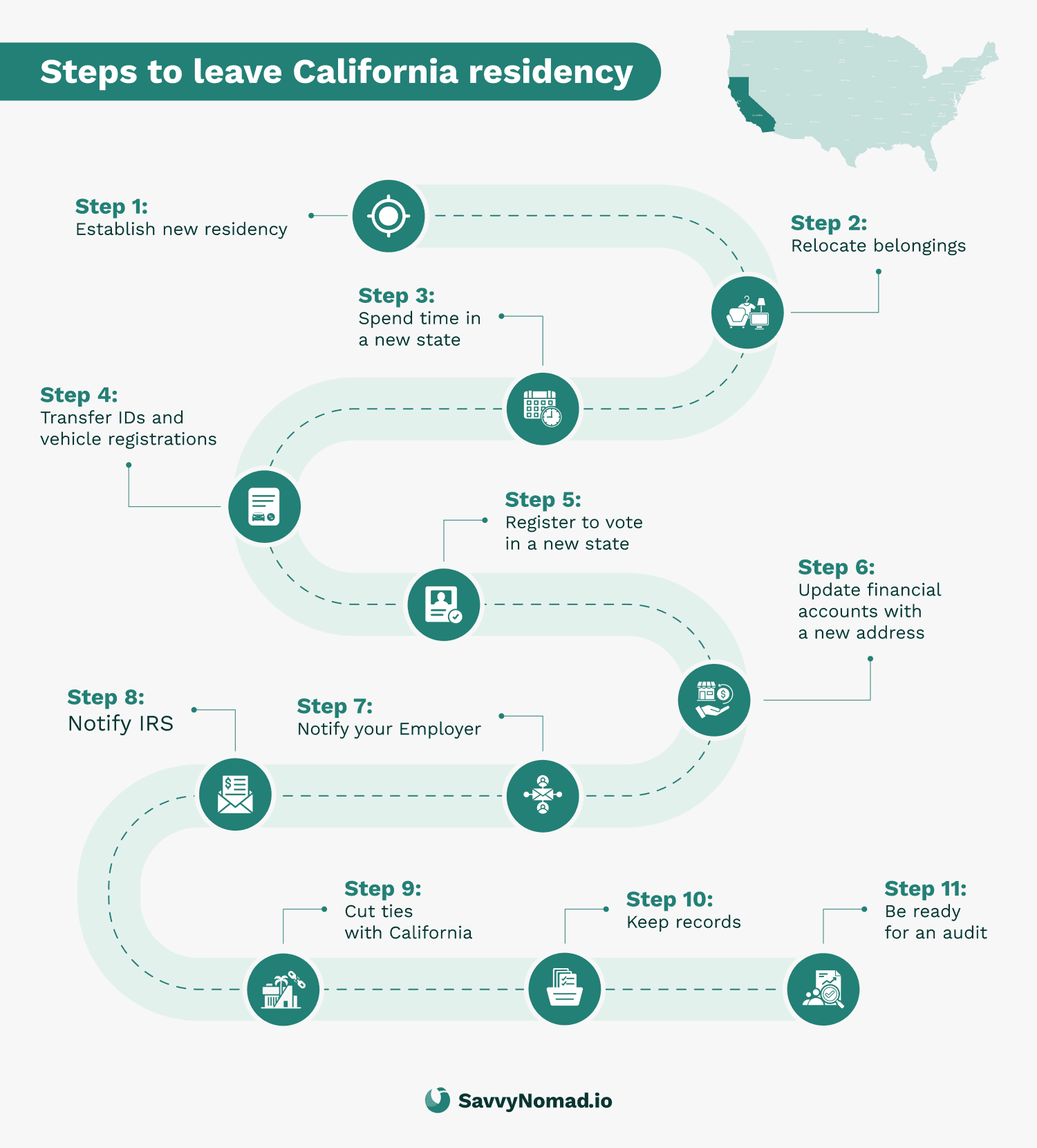
Understanding California Residency: More Than Just a Visit
Establishing residency in California is fundamentally about proving your intent to make the state your permanent home. It’s not merely about how long you’ve been physically present but rather the culmination of actions that signify a genuine break from your previous domicile and a firm commitment to building a life here. The state of California looks for clear and convincing evidence that you have abandoned your prior residence and have taken definitive steps to establish your domicile within its boundaries.
Defining Domicile and Intent
At the heart of California residency lies the concept of “domicile.” Your domicile is the one place where you intend to remain permanently or indefinitely, and to which you intend to return whenever you are absent. It’s the place you consider your true home. Unlike “residence,” of which you can have multiple, you can only have one domicile at any given time. Establishing domicile in California requires two primary components: physical presence and an unequivocal intent to make California your permanent home. Without both, your claim to residency may be challenged. This intent cannot be merely stated; it must be demonstrated through a pattern of actions.
Key Factors for Establishing Residency
California considers a multitude of factors when determining residency, and no single factor is definitive on its own. Instead, it’s the weight and consistency of these factors combined that paint a clear picture of your intent. Key elements include:
- Physical Presence: While not the sole factor, a significant duration of physical presence in California is essential. Generally, spending more than six months (183 days) in the state during a tax year is a strong indicator for tax purposes, though residency for other purposes might require deeper ties.
- Permanent Accommodation: Establishing a primary dwelling within [California](https://lifeoutofthebox.com/california], whether through ownership or a long-term lease agreement, is a crucial step. This demonstrates a commitment beyond a temporary stay.
- Severing Ties with Former State: Actions like selling property in your previous state, cancelling utility accounts, changing mailing addresses, and relinquishing professional licenses or memberships from your former state are vital.
- Establishing Ties in California: Conversely, establishing strong ties within California is equally important. This includes employment, opening bank accounts, registering to vote, obtaining a California Department of Motor Vehicles driver’s license, and enrolling children in local schools.
The Importance of a Physical Presence
While “intent” is abstract, “physical presence” is concrete. For most purposes, particularly tax and in-state tuition, California will scrutinize your physical whereabouts. Simply renting an apartment or owning property in California while spending the majority of your time elsewhere may not be sufficient to establish residency. The expectation is that your primary day-to-day life unfolds within the state. This means your work, social engagements, medical care, and personal routines should predominantly occur within California’s borders. Documentation such as airline tickets, utility bills, and credit card statements can sometimes be used by the state to verify your physical presence, especially if residency is challenged.
Practical Steps for Establishing Your Long-Term Home
Once you’ve grasped the fundamental concept of domicile and intent, the next phase involves taking concrete, practical steps to solidify your residency claim. These actions are not merely formalities but are tangible demonstrations of your commitment to living in California for the long haul.
Securing Permanent Accommodation
The foundation of any long-term stay is a stable living situation. For prospective residents, this means securing permanent accommodation in California. This could involve purchasing a home, entering into a long-term lease agreement for an apartment, or even staying with family or friends if it genuinely serves as your primary and permanent dwelling. A temporary rental, such as an Airbnb for a few weeks or months, will likely not be considered sufficient proof of domicile. Ensure your lease or property deed reflects your name and the California address. This address will become critical for all official communications, including banking, taxes, and government services. Cities like Los Angeles, San Francisco, and San Diego offer diverse housing markets, but regardless of location, securing a long-term place to live is your first major practical step.
Utility Services and Mail Forwarding
Establishing utilities in your name at your California address is a powerful indicator of your physical presence and intent. This includes electricity, gas, water, internet, and trash services. Ensure all bills are sent to your new California address. Simultaneously, it’s crucial to officially change your mailing address with the U.S. Postal Service to forward your mail from your previous address to your new one in California. This action not only simplifies your life but also serves as documented proof that you have relinquished your former mailing address and established a new primary one. Keep records of utility bills and mail forwarding confirmations as they can serve as valuable evidence.
Financial Ties and Employment
Integrating yourself into [California](https://lifeoutofthebox.com/california]’s financial and economic ecosystem is another vital step. Open a California bank account and close accounts in your previous state, if possible. Update all credit cards, investment accounts, and insurance policies with your new California address. If you are employed, obtaining employment within California is one of the strongest indicators of establishing residency. Your pay stubs, W-2 forms, and employer records will clearly show your income is earned in California, subject to California state taxes, and that your primary place of work is within the state. If you are self-employed or retired, demonstrating other significant financial ties and a consistent physical presence becomes even more critical.
Officializing Your Residency Status
Beyond the practical establishment of your home, there are several official administrative steps that legally cement your status as a California resident. These actions are often the most heavily weighted by state agencies when evaluating residency claims.
The California DMV and Driver’s License
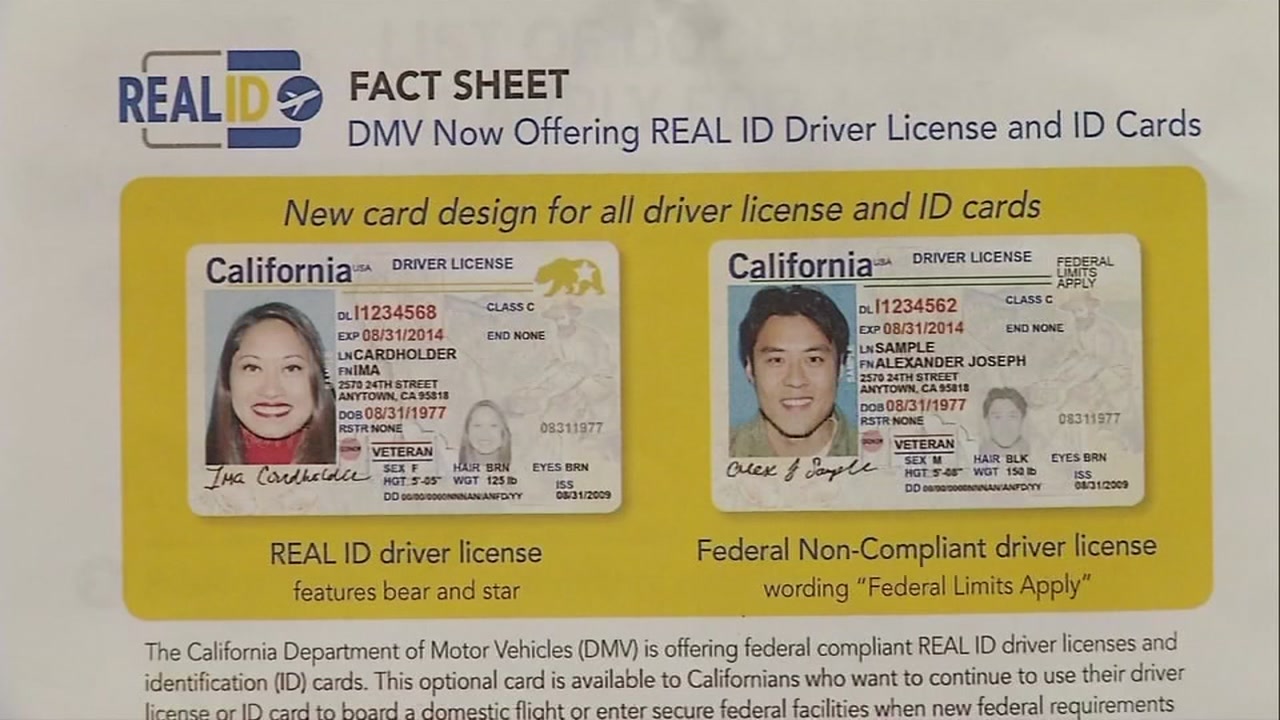
One of the earliest and most important steps in officializing your residency is interacting with the California Department of Motor Vehicles (DMV). If you possess an out-of-state driver’s license, you are generally required to apply for a California driver’s license within 10 days of establishing residency. This process typically involves passing a knowledge test, a vision test, and possibly a driving test, as well as providing proof of identity, residency, and social security number. Similarly, if you own a vehicle, you must register it with the California DMV within 20 days of establishing residency. These actions are highly visible and documented declarations of your intent to reside in California permanently and are often among the first pieces of evidence requested by state entities.
Voter Registration and State Taxes
Registering to vote in California is a powerful, formal declaration of your intent to be a permanent resident. It signifies your engagement in the local political process and your commitment to the community. You can register to vote online, by mail, or in person at the DMV or other government offices. Once registered, ensure you cancel your voter registration in your previous state.
Regarding taxes, filing California state income tax returns as a resident is non-negotiable for anyone who earns income or resides in the state for a significant portion of the year. This involves declaring your worldwide income to California. Conversely, you should cease filing as a resident in your former state, instead filing as a non-resident if you have any lingering income sources there. This financial commitment unequivocally demonstrates your legal and fiscal ties to the state.
Professional Licensing and School Enrollment
If your profession requires state licensure (e.g., medical, legal, real estate, teaching), obtaining a California license and surrendering any out-of-state licenses is a strong indicator of residency. For families, enrolling children in California public or private schools is also a significant factor. For individuals pursuing higher education, establishing California residency is crucial for qualifying for in-state tuition rates at the University of California and California State University systems, which can result in substantial savings. The requirements for in-state tuition often mirror, and can even be stricter than, general residency requirements, typically requiring at least one year of physical presence and demonstrated intent prior to the start of the academic term.
Important Considerations and Potential Pitfalls
While the path to California residency may seem straightforward, certain complexities and potential pitfalls warrant careful attention. Navigating these considerations ensures a smoother transition and helps avoid future complications.
The 183-Day Rule and Tax Implications
As previously mentioned, the “183-day rule” is a common guideline, particularly for tax purposes. Generally, if you spend more than 183 days (six months) in California during a calendar year, the state may consider you a resident for tax purposes, even if you claim domicile elsewhere. However, physical presence alone is not sufficient to establish domicile. The California Franchise Tax Board (FTB) looks at all the aforementioned factors. It’s possible to be a tax resident of California without being considered a permanent resident for other purposes, or vice-versa, which can lead to complex tax situations. Always consult with a tax professional experienced in California residency law to understand your specific obligations and avoid penalties.
Maintaining Records and Documentation
Throughout your journey to establish California residency, meticulous record-keeping is paramount. Keep copies of all official documents: utility bills, lease agreements, property deeds, bank statements, tax returns, DMV records, voter registration confirmations, and any correspondence related to your residency. These documents serve as tangible proof of your actions and intent. Should your residency ever be questioned, having a comprehensive paper trail will be invaluable in defending your claim. Digital copies, stored securely, alongside physical copies, are recommended.

Avoiding Dual Residency Issues
One of the most significant challenges new residents face is the potential for dual residency claims, especially if they maintain strong ties to their former state. While you can have residences in multiple states, you can only have one domicile. If you continue to maintain a driver’s license, voter registration, bank accounts, or significant property and family ties in another state, California (or your former state) may argue that you have not genuinely abandoned your previous domicile. This can lead to double taxation, legal disputes, and administrative headaches. The key is to genuinely and thoroughly sever ties with your former state to the greatest extent possible, while simultaneously establishing robust connections within California. This often requires a deliberate and well-planned transition to ensure a smooth and undisputed establishment of your new life in the Golden State.
In conclusion, obtaining California residency is a systematic process that requires more than just physical presence. It demands a clear demonstration of intent, backed by a comprehensive array of practical and legal actions that solidify your commitment to making California your permanent home. By understanding and diligently following these steps, you can successfully transition from a visitor to a fully recognized resident, unlocking all the opportunities and responsibilities that come with calling California home.
LifeOutOfTheBox is a participant in the Amazon Services LLC Associates Program, an affiliate advertising program designed to provide a means for sites to earn advertising fees by advertising and linking to Amazon.com. Amazon, the Amazon logo, AmazonSupply, and the AmazonSupply logo are trademarks of Amazon.com, Inc. or its affiliates. As an Amazon Associate we earn affiliate commissions from qualifying purchases.