
Navigating the financial landscape of any travel destination can be a crucial part of planning an enjoyable and budget-conscious trip. For those considering a journey to the Silver State, understanding its tax structure is paramount. This includes not only understanding the base cost of goods and services but also the added layer of sales tax. Nevada, known for its dazzling entertainment, vast desert landscapes, and iconic cities, does indeed impose a sales tax. However, the specifics of this tax can vary significantly depending on where you are within the state and what you are purchasing. This guide aims to demystify Nevada’s sales tax for travelers, providing clarity on potential costs and offering insights into how it impacts your overall travel budget.
Understanding Nevada’s Sales Tax Framework
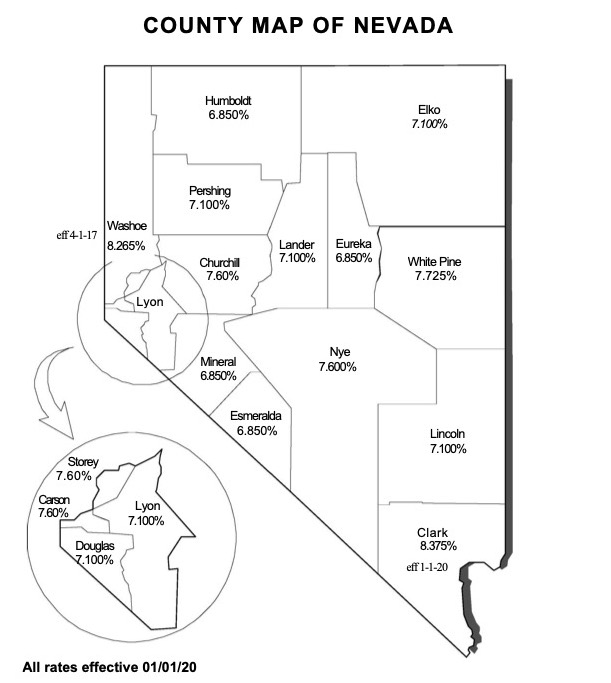
Nevada’s sales and use tax system is a complex, multi-layered structure that combines state, county, and in some instances, district-level taxes. This means that the rate you encounter will not be uniform across the entire state. The primary purpose of these taxes is to fund essential public services, including education, infrastructure, and public safety, across Nevada’s diverse regions. For travelers, this translates into a tangible addition to the prices displayed on everything from hotel rooms and restaurant meals to souvenirs and attraction tickets. It’s important to remember that the “use tax” component is designed to complement the sales tax, ensuring that items purchased out-of-state but used within Nevada are taxed accordingly.
State and Local Tax Rates: A Variable Equation
The base sales tax rate in Nevada is set by the state, but a significant portion of the total tax burden is determined by individual county and local tax authorities. These local rates can fluctuate, with higher rates often found in areas with greater tourism and a higher demand for public services. For instance, the sales tax rate in Las Vegas, a major tourist hub, will differ from that in a more rural county. These rates are subject to change, and it is advisable for travelers to check the most current rates for the specific areas they plan to visit. The variability is a key characteristic of Nevada’s tax system and a critical factor for any tourist to consider when budgeting.
What is Taxed and What is Exempt?
Generally, most tangible personal property and a broad range of services are subject to Nevada’s sales and use tax. This includes purchases like clothing, electronics, and recreational equipment, as well as services such as car rentals, hotel stays, and admissions to entertainment venues. However, there are certain exemptions. For example, many essential groceries are typically exempt from state sales tax, though local taxes might still apply. Certain services, like basic residential utilities, may also have different tax treatments. Understanding these exemptions can help travelers make informed purchasing decisions and potentially save money on their trip. For example, while a guided tour of the Hoover Dam will likely be taxed, the purchase of raw produce from a local market might not be.
Sales Tax Implications for Las Vegas and Reno Visitors
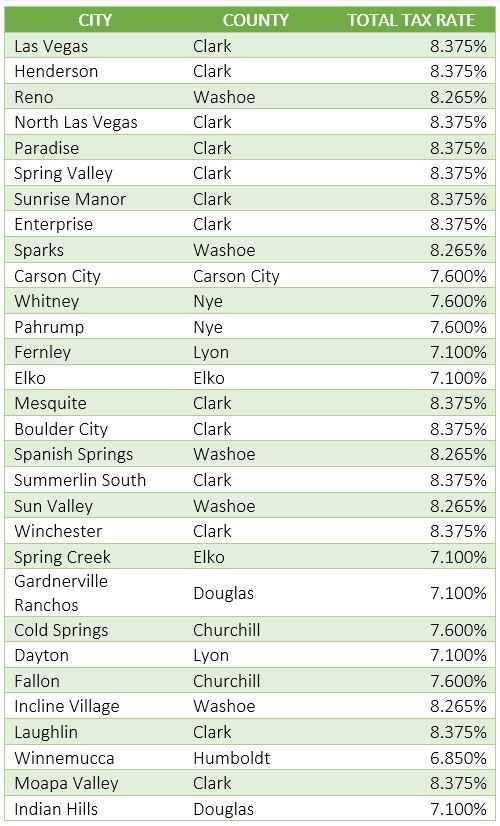
The most heavily trafficked tourist destinations in Nevada, namely Las Vegas and Reno, often exhibit the highest sales tax rates due to the concentration of economic activity and the demand for public amenities. These vibrant cities are magnets for visitors, and their tax structures reflect this. Understanding the sales tax in these specific locales is crucial for managing expectations and financial planning for a trip to the casinos, shows, and culinary delights that these cities offer.
The Impact on Entertainment and Dining
When planning a visit to the world-renowned resorts and casinos on the Las Vegas Strip, such as the Bellagio or Caesars Palace, travelers will find that entertainment tickets, restaurant meals, and even the cost of alcoholic beverages are subject to sales tax. This means that the advertised price of a show or a fine dining experience will likely have a percentage added on top. Similarly, in Reno, the “Biggest Little City in the World,” activities ranging from dining at a local eatery to attending an event at the Grand Sierra Resort will also have sales tax applied. This added cost can accumulate, especially for travelers who plan to indulge in a variety of these offerings.
Lodging and Accommodation Taxes
A significant component of a traveler’s expense is accommodation. In Nevada, hotel rooms, resort suites, and other forms of lodging are subject to sales tax, in addition to specific lodging taxes that vary by city and county. These lodging taxes are often levied to support tourism-related infrastructure and services, such as convention centers and marketing efforts. For example, a stay at a luxury hotel in Lake Tahoe, whether on the Nevada or California side (though California’s tax structure differs), will include both state and local sales taxes, as well as dedicated room taxes. This can substantially increase the nightly rate, making it essential for travelers to factor these taxes into their accommodation budget when booking their stays in places like Las Vegas or Reno.
Beyond the Cities: Sales Tax in Rural Nevada
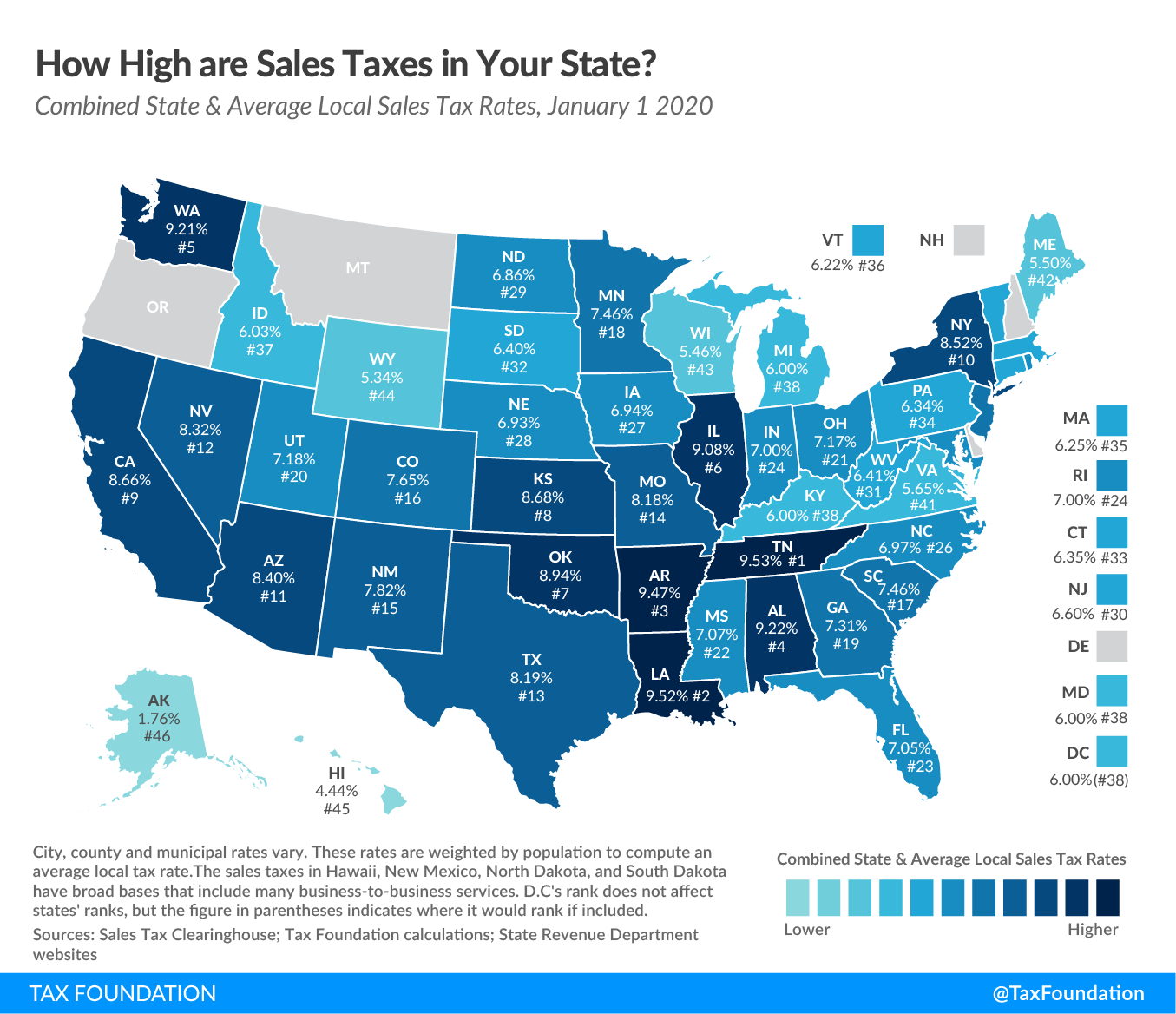
While the allure of Las Vegas and Reno often dominates the conversation about Nevada tourism, the state offers a wealth of experiences in its vast rural landscapes. From national parks to charming small towns, these areas also have their own sales tax rates, which can differ from the urban centers. Understanding these rates is important for travelers venturing off the beaten path, ensuring they are not caught by surprise when making purchases in these less-populated regions.
Exploring State Parks and Natural Wonders
Nevada is home to breathtaking natural attractions like Valley of Fire State Park and the Great Basin National Park. Entrance fees to state parks, any associated concessions, and purchases of souvenirs or supplies within these areas are generally subject to state and local sales taxes. While the rates might be lower in some rural counties compared to Clark County or Washoe County, they are still a factor to consider. For instance, if you are buying camping gear in a town near the Black Rock Desert or a memento from a visitor center, the sales tax will be applied. This applies to any goods or taxable services acquired during your exploration of Nevada’s diverse natural beauty.
Small Town Charm and Local Crafts
Traveling through Nevada’s smaller towns, such as Virginia City or Tonopah, offers a glimpse into the state’s rich history and unique local culture. Purchases made in these communities, whether it’s antiques, local art, or a meal at a diner, will also be subject to the prevailing sales tax rates for that specific county or district. These rates might be more modest than those in the major cities, but they still contribute to the overall cost of your purchases. Understanding that sales tax is a consistent feature across Nevada, regardless of the size of the community, allows for more accurate budgeting for all aspects of your Nevada adventure, from the bustling streets of Las Vegas to the quiet solitude of its rural highways.
Budgeting Tips for Sales Tax in Nevada
Effectively managing the impact of Nevada’s sales tax on your travel budget requires a proactive approach. By understanding the nuances of the tax system and employing smart spending strategies, travelers can minimize unexpected costs and maximize their enjoyment of the Silver State.
Researching Rates Before You Go
A key strategy for budget-conscious travelers is to research the sales tax rates for the specific destinations they intend to visit within Nevada. Websites of the Nevada Department of Taxation or county assessor offices often provide current tax rate information. Knowing these rates in advance, especially for major purchases or planned expenditures like hotel stays and car rentals, allows for more accurate budgeting. For example, if you are planning a wedding in Reno or a family vacation in Las Vegas, understanding the combined state and local tax rates for lodging and dining can prevent sticker shock.
Identifying Tax-Exempt Purchases
As mentioned earlier, certain goods and services in Nevada are exempt from sales tax. Familiarizing yourself with these exemptions can lead to savings. For instance, purchasing essential groceries from a supermarket for a picnic in a state park can be a tax-saver compared to dining out. While not all food items are exempt, many basic foodstuffs are. Additionally, understanding the tax treatment of specific services, such as medical care or certain professional services (though less common for typical tourists), can also be beneficial. Planning your meals and shopping with these exemptions in mind can contribute to a more affordable trip to Nevada.
Leveraging Hotel and Resort Deals
While hotel rooms are subject to sales tax, savvy travelers can often offset this cost by taking advantage of promotions and package deals offered by Nevada’s numerous hotels and resorts. Many establishments, particularly in Las Vegas and Reno, offer discounted rates, resort credits, or bundled packages that can effectively reduce the overall cost of your stay, even after the sales tax is applied. Booking during off-peak seasons or exploring options beyond the most opulent properties can also lead to significant savings on accommodation, thereby lessening the total sales tax paid. Always compare prices and look for hidden fees or taxes that might not be immediately apparent in the advertised rate, ensuring your final booking reflects the true cost.
LifeOutOfTheBox is a participant in the Amazon Services LLC Associates Program, an affiliate advertising program designed to provide a means for sites to earn advertising fees by advertising and linking to Amazon.com. Amazon, the Amazon logo, AmazonSupply, and the AmazonSupply logo are trademarks of Amazon.com, Inc. or its affiliates. As an Amazon Associate we earn affiliate commissions from qualifying purchases.