
When embarking on a culinary journey through the vibrant food scene of a destination, mastering the art of cooking a premium cut of beef like the New York strip steak is an experience that elevates any meal. Whether you’re a seasoned chef or a curious traveler eager to replicate the flavors of your recent travels, understanding the nuances of steak preparation is key. This guide delves into the essential factors that determine the perfect cooking time for a New York strip steak, ensuring a delicious outcome every time, a skill as valuable as navigating the bustling markets of Marrakech or discovering the hidden trattorias in Rome.
The Anatomy of a Perfect New York Strip Steak
The New York strip steak, also known as the Kansas City strip, New York sirloin, or strip loin, is a prized cut celebrated for its robust beefy flavor and tender texture. Its appeal lies in the balance between the lean muscle and a strip of flavorful fat running along one edge, which renders during cooking, imparting moisture and richness. The thickness of the steak, the heat of your cooking surface, and your desired level of doneness are the primary determinants of cooking time. Understanding these elements is the first step towards achieving steakhouse-quality results, whether you’re in your own kitchen or enjoying a vacation rental kitchen overlooking the vineyards of Tuscany.
Thickness Matters: The Foundation of Cooking Time
The single most influential factor in determining how long to cook a New York strip steak is its thickness. Thicker steaks require longer cooking times to reach the desired internal temperature without overcooking the exterior.
- Standard Thickness (1 to 1.5 inches): These are the most common cuts found in butchers and grocery stores. For a steak of this thickness, you can generally expect searing times of 3-5 minutes per side for medium-rare, adjusting slightly for other levels of doneness.
- Thick-Cut (1.5 to 2 inches): These substantial steaks offer a more luxurious experience and require a more patient approach. Allow 5-7 minutes per side for medium-rare, potentially longer if you’re aiming for medium or beyond. A thicker cut also benefits from a reverse sear method for more even cooking.
- Thin-Cut (Under 1 inch): While less common for New York strips, thinner cuts cook very quickly. Be vigilant to avoid overcooking, as they can go from underdone to overdone in a matter of minutes. Typically, 2-3 minutes per side might suffice for medium-rare.
It is always advisable to invest in a reliable meat thermometer. This tool removes the guesswork and is as essential as a good pair of walking shoes when exploring the ancient ruins of Machu Picchu.
Temperature is King: Achieving Your Desired Doneness
The internal temperature of the steak is the ultimate arbiter of doneness. For the New York strip, common desired temperatures range from rare to well-done, each offering a distinct texture and flavor profile.
- Rare: 120-125°F (49-52°C). The steak will be very red and cool in the center.
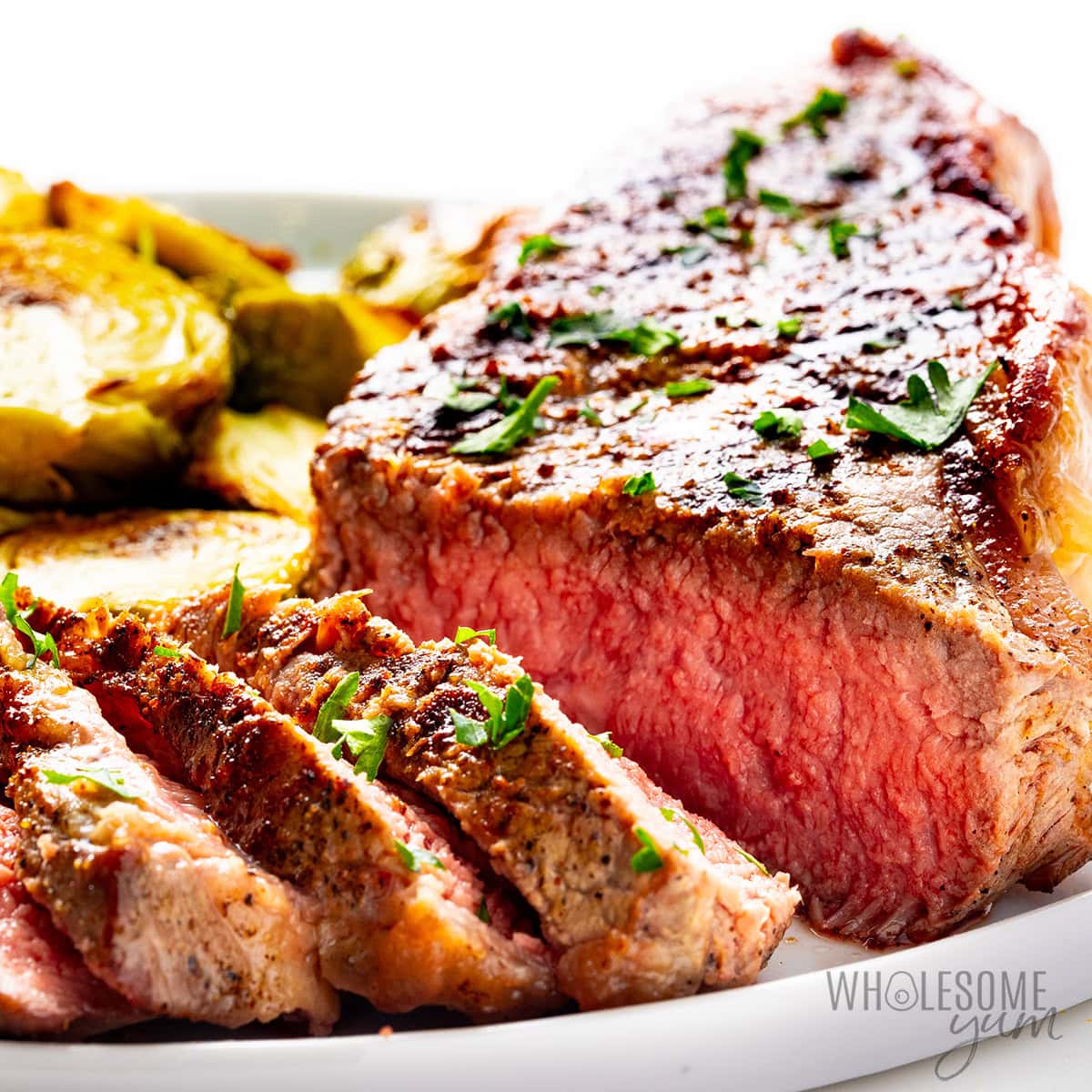
- Medium-Rare: 130-135°F (54-57°C). This is often considered the sweet spot for New York strip, offering a warm, red center with a tender, juicy texture.
- Medium: 135-140°F (57-60°C). The center will be pink and slightly firmer.
- Medium-Well: 140-145°F (60-63°C). Only a hint of pink remains in the center.
- Well-Done: 150-155°F (66-68°C). The steak will be cooked through with no pink.
Remember that the steak’s temperature will continue to rise by 5-10°F (3-5°C) as it rests, a process known as carryover cooking. Therefore, remove the steak from the heat a few degrees below your target temperature. This principle of patience and precision is akin to the meticulous craftsmanship evident in the architecture of Barcelona.
Mastering the Sear: Cooking Methods and Their Impact
The method by which you cook your New York strip steak significantly influences the cooking time and the resulting crust. High, direct heat is crucial for achieving a beautiful, flavorful sear.
Pan-Searing: The Go-To Method
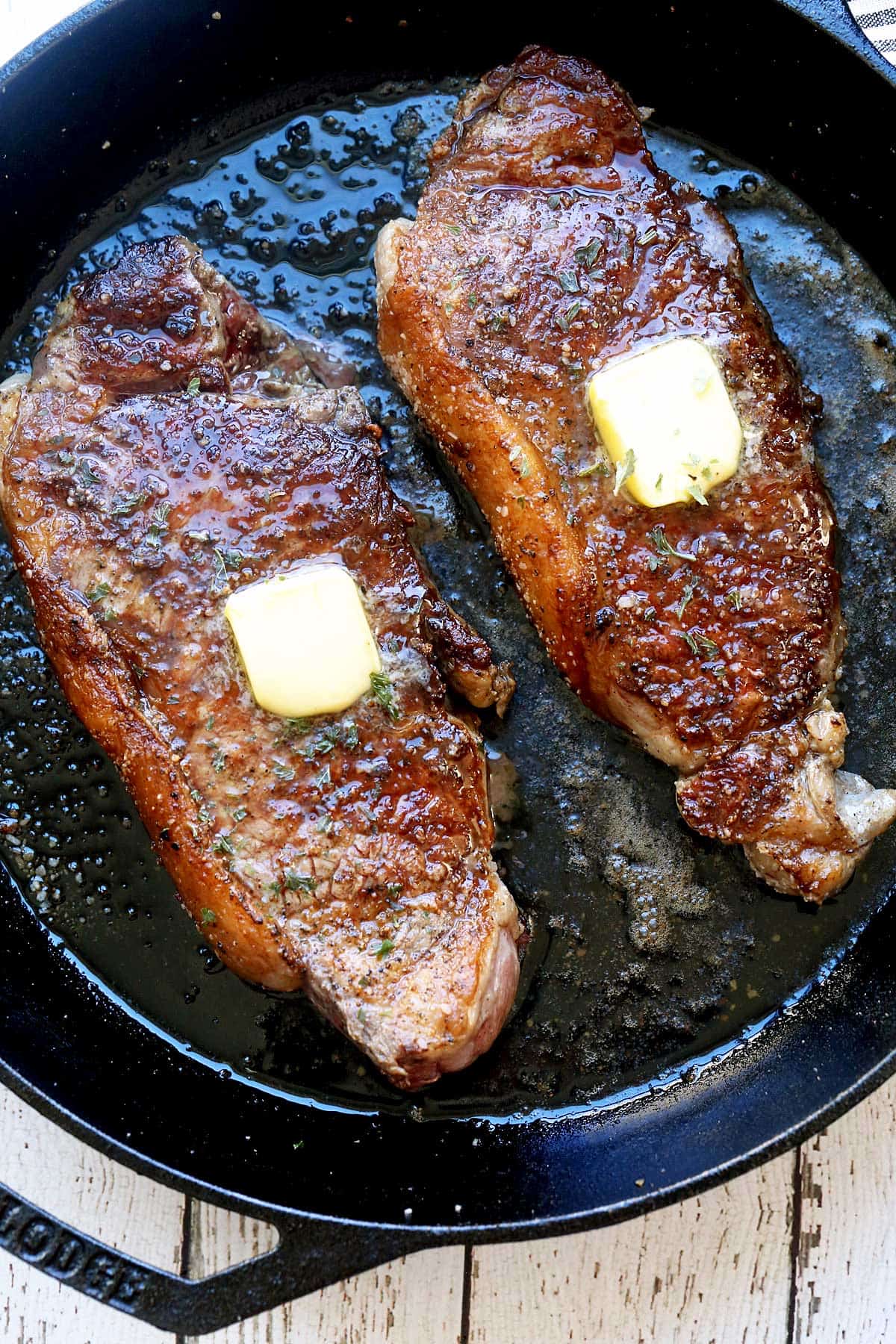
Pan-searing is a popular and effective method for cooking New York strip steaks, especially when aiming for a restaurant-quality crust. This technique requires a heavy-bottomed skillet, such as cast iron, which retains and distributes heat evenly.
- Preheating is Paramount: Ensure your skillet is screaming hot before adding the steak. A well-preheated pan creates an immediate crust, locking in juices.
- High Heat Searing: For a 1 to 1.5-inch thick New York strip, a good starting point is searing for 3-4 minutes per side over medium-high to high heat. This should give you a beautiful crust and bring the steak close to medium-rare.
- Basting for Flavor: During the final minutes of cooking, you can add butter, garlic, and herbs like rosemary and thyme to the pan. Tilt the pan and spoon the melted butter over the steak. This not only adds flavor but also helps to finish the cooking process evenly. This aromatic infusion is reminiscent of the spice markets in Istanbul.
- Adjusting for Thickness: For thicker cuts (1.5 inches or more), after achieving a good sear on both sides, you may need to reduce the heat to medium and continue cooking, flipping every minute or so, until the desired internal temperature is reached. Alternatively, you can finish thicker steaks in a preheated oven (around 400°F/200°C) after searing.
Grilling: The Outdoor Classic
Grilling offers a distinct smoky flavor and the characteristic grill marks that many diners adore. The principle of high, direct heat applies here as well.
- Hot Grill: Ensure your grill is preheated to a high temperature, typically 450-500°F (230-260°C).
- Direct Heat: Place the seasoned steak over the direct heat zone. For a 1 to 1.5-inch thick steak, aim for approximately 4-5 minutes per side for medium-rare.
- Flare-ups: Be prepared for potential flare-ups from the rendering fat. If they become excessive, briefly move the steak to an indirect heat zone to prevent burning. This dance with the flames is as exhilarating as watching a cultural performance in Rio de Janeiro.
- Resting: As with pan-searing, allowing the steak to rest after grilling is crucial for redistribution of juices.
The Crucial Resting Period: Don’t Skip This Step!
Once your New York strip steak has reached its desired internal temperature, the cooking process isn’t quite over. The resting period is a non-negotiable step that significantly impacts the final texture and juiciness of your steak.
Why Resting is Essential
When steak cooks, the muscle fibers contract, forcing the juices towards the center. If you slice into the steak immediately after removing it from the heat, these juices will spill out onto the plate, leaving you with a dry, less flavorful cut. Resting allows the muscle fibers to relax and reabsorb the juices, resulting in a more tender and succulent steak. This principle of allowing time for processes to complete is fundamental, whether it’s letting a historical site settle in your mind after visiting the Colosseum or allowing dough to proof before baking.
How to Rest Your Steak
- Tent with Foil: Transfer the cooked steak to a clean cutting board or plate. Loosely tent it with aluminum foil. This traps residual heat, helping to keep the steak warm while it rests.
- Duration: For a New York strip steak, a resting period of 5-10 minutes is generally sufficient. Thicker cuts may benefit from a slightly longer rest. The steak will continue to cook slightly during this time, so account for carryover cooking when determining your initial pull temperature.
- Juice Collection: Some chefs like to place the steak on a wire rack set over a tray to allow any excess juices to drip into the tray. These juices can then be incorporated into a sauce or spooned back over the steak.
Beyond the Basics: Tips for an Unforgettable Steak Experience
Elevating your New York strip steak from merely good to truly exceptional involves a few extra considerations that can make a world of difference. These are the finer points that often distinguish a home-cooked meal from a gourmet dining experience.
Seasoning and Marinades: Building Flavor
- Simplicity is Key: For a high-quality New York strip, simple seasoning with salt and freshly cracked black pepper just before cooking is often all that’s needed to highlight its natural flavors. A generous application of coarse sea salt and a few grinds of black pepper, pressed into the meat, will create a delicious crust.
- Pre-Salting: Some cooks advocate for salting the steak an hour or even overnight in advance. This process, known as dry-brining, helps to season the meat more deeply and can contribute to a more tender texture.
- Marinades: While not always necessary for a good strip steak, marinades can add complexity and tenderness, especially for leaner cuts or if you’re aiming for a specific flavor profile. Acidic ingredients like citrus juice or vinegar, along with oil and aromatics, are common components. However, be mindful that prolonged marinating in strong acids can “cook” the steak.
Accompaniments and Pairings: Completing the Dish
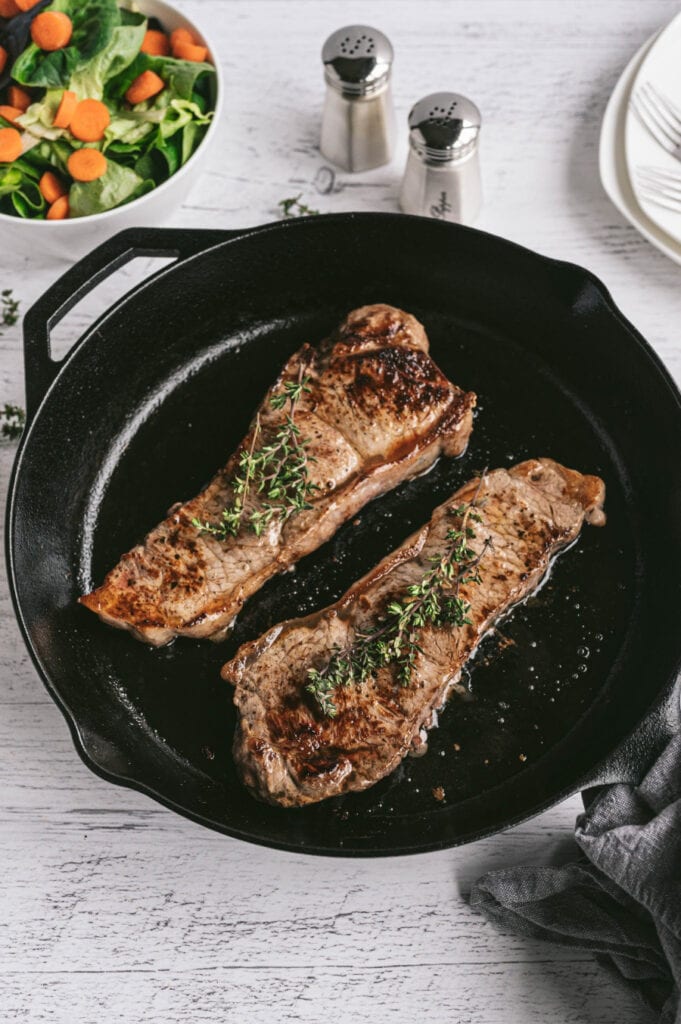
The perfect steak is often enhanced by thoughtful accompaniments. Consider the context of your meal, whether it’s a casual BBQ in the Australian Outback or a formal dinner in a European city.
- Classic Sides: Roasted vegetables such as asparagus, broccoli, or potatoes are perennial favorites. Creamy mashed potatoes, a rich béarnaise sauce, or a sharp chimichurri sauce can add layers of flavor and texture.
- Wine Pairings: A New York strip steak, with its robust flavor, pairs wonderfully with full-bodied red wines. A California Cabernet Sauvignon, a robust Bordeaux blend, or an Argentinian Malbec are excellent choices. The tannins in these wines cut through the richness of the steak, creating a balanced palate.
By understanding the interplay of steak thickness, desired doneness, cooking method, and the crucial resting period, you can confidently prepare a New York strip steak that is as memorable as your most cherished travel memories. Each element, when handled with care and attention, contributes to a culinary experience that is both satisfying and sophisticated, a testament to the universal language of good food.
LifeOutOfTheBox is a participant in the Amazon Services LLC Associates Program, an affiliate advertising program designed to provide a means for sites to earn advertising fees by advertising and linking to Amazon.com. Amazon, the Amazon logo, AmazonSupply, and the AmazonSupply logo are trademarks of Amazon.com, Inc. or its affiliates. As an Amazon Associate we earn affiliate commissions from qualifying purchases.