
California, a land renowned for its breathtaking diverse landscapes, from sun-drenched beaches to towering redwood forests and snow-capped mountains, is also paradoxically synonymous with another, more destructive phenomenon: wildfires. Every year, as summer turns to autumn, headlines across the globe are dominated by images of orange skies and vast swathes of land engulfed in flames. For intrepid travelers dreaming of exploring the Golden State, understanding the underlying reasons for these recurring blazes is crucial for both safety and appreciating the resilience of this vibrant destination. This guide delves into the complex factors fueling California’s wildfire crisis and offers insights for planning a responsible and enjoyable visit.

The Complex Tapestry of California’s Wildfire Season
The propensity for large, destructive wildfires in California is not a singular issue but a confluence of natural vulnerabilities, a changing climate, and human activity. Understanding this intricate web is the first step for any traveler planning to visit the region.
Natural Vulnerabilities and Climate Change
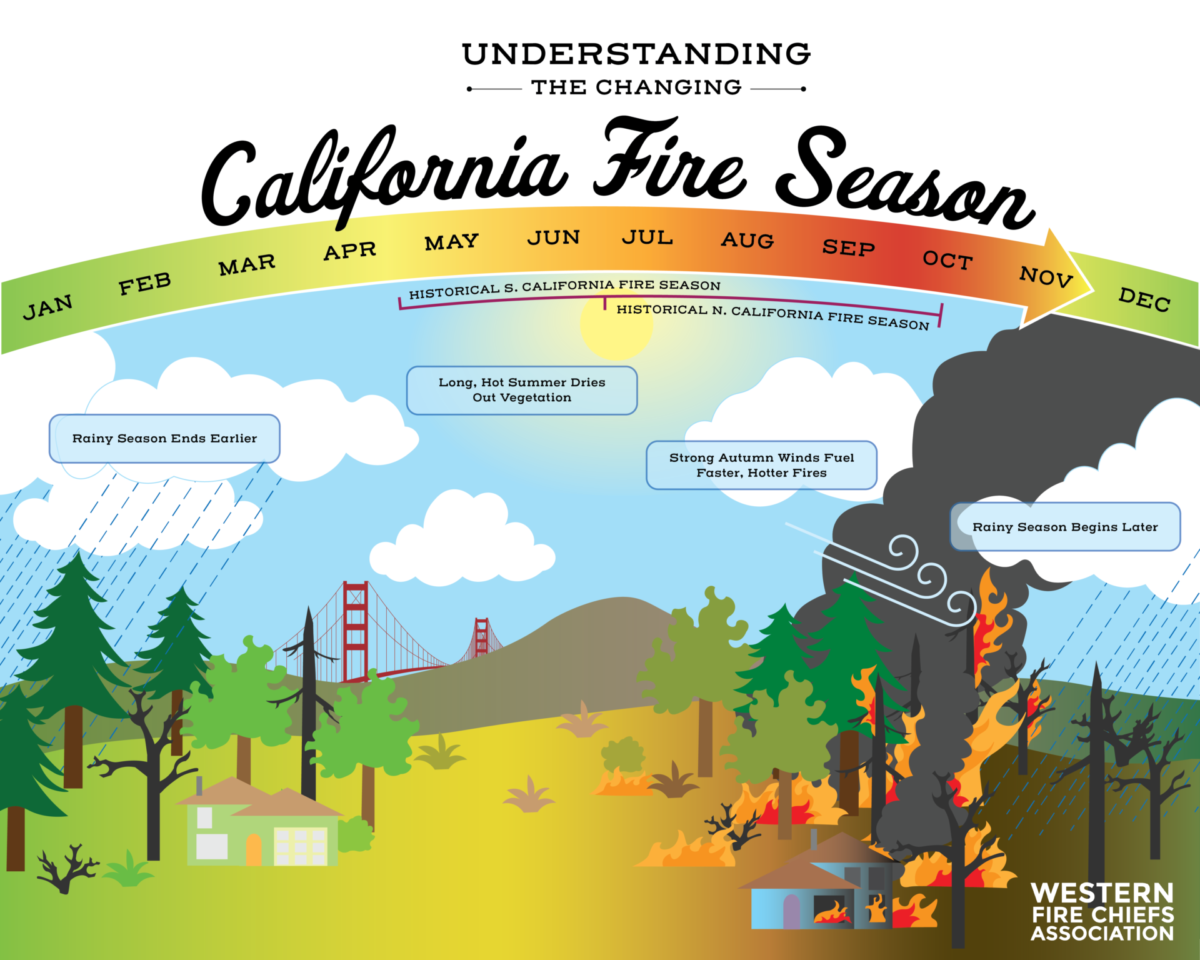
California’s unique Mediterranean climate is a primary driver. Characterized by hot, dry summers and mild, wet winters, this pattern inherently sets the stage for fire. The state’s diverse topography, ranging from coastal plains to arid deserts and mountainous regions, further exacerbates the risk. Each year, the vegetation, including chaparral, grasslands, and forests, grows during the wet season, only to dry out into highly flammable fuel during the prolonged summer and fall droughts.
Adding to this natural predisposition are the notorious wind events that frequently sweep across the state. The Santa Ana winds in Southern California and the Diablo winds in Northern California are powerful, hot, dry gusts that pick up speed as they descend mountain ranges. These winds not only fan existing flames but also carry embers over vast distances, starting new fires and making containment exceedingly difficult. They are often responsible for the rapid spread and devastating scale of the largest blazes.
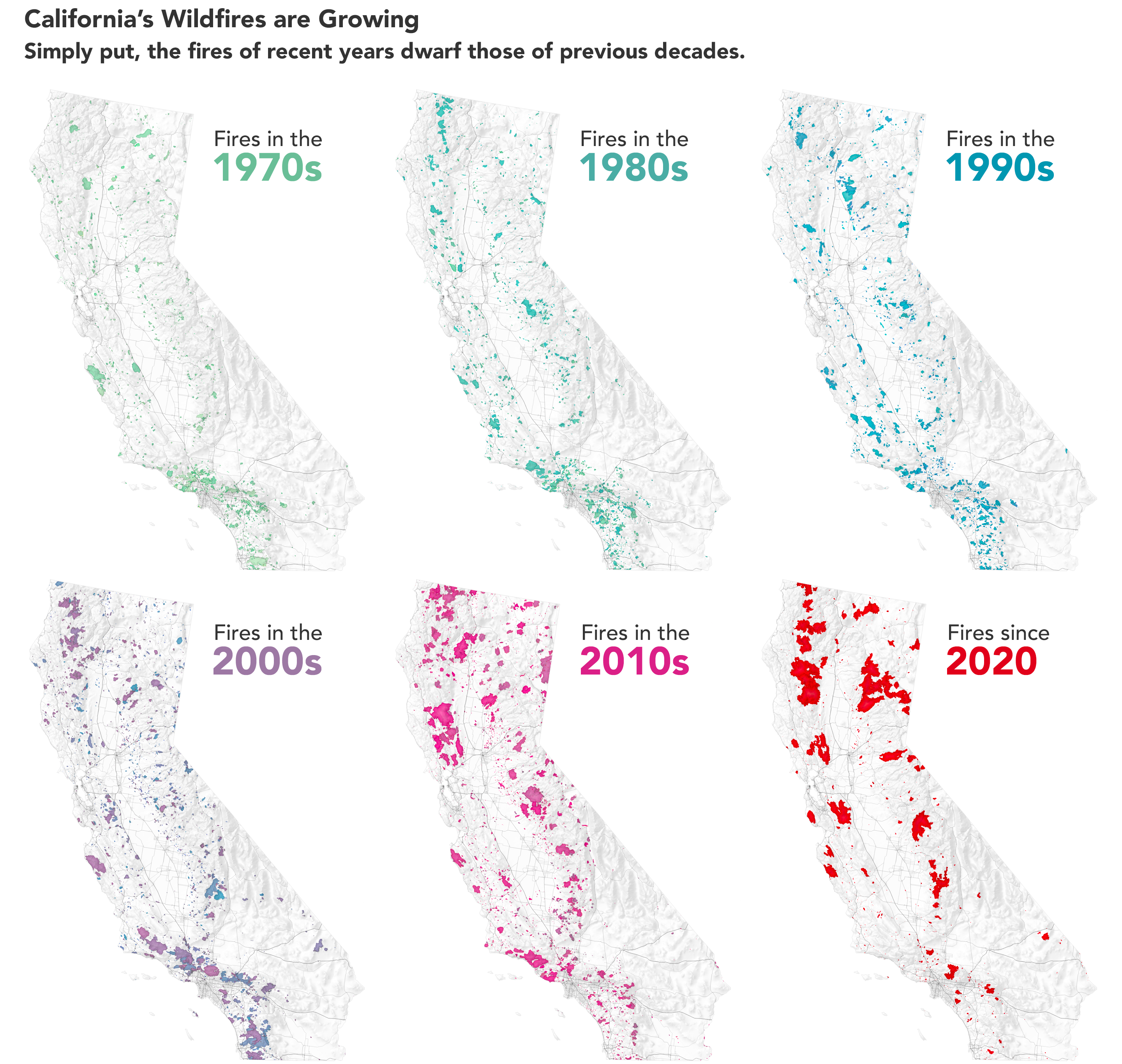
The most significant accelerant in recent decades has been climate change. Rising global temperatures have led to hotter, longer, and more intense drought periods across California. This results in parched landscapes and “tree mortality events” where millions of trees succumb to drought and insect infestations, becoming perfect kindling for fires. The warming climate also shortens the wet season and lengthens the dry season, effectively extending the window for wildfire activity, sometimes lasting well into winter months. This shift creates a “new normal” where what was once considered extreme is now becoming commonplace, directly impacting travel seasons and destination accessibility.
Human Footprint: A Catalyst for Ignition
While natural factors create the conditions for wildfires, human activity is overwhelmingly the cause of ignition. Over 95% of wildfires in California are directly or indirectly started by people.
One major culprit is aging and inadequate electrical infrastructure. Power lines, particularly in rural and wildland-urban interface areas, can spark fires when damaged by high winds, falling trees, or equipment failure. Utility companies in California have faced immense scrutiny and financial penalties for their role in starting some of the most destructive fires in recent history, leading to controversial preventative power shutoffs during high-risk periods.
Beyond infrastructure, human carelessness remains a significant factor. Discarded cigarettes, unattended campfires, sparks from equipment or vehicles, fireworks, and even arson contribute to a substantial number of ignitions each year. The increasing population density and expansion of communities into what’s known as the wildland-urban interface (WUI) further heighten this risk. As more homes and infrastructure are built closer to natural landscapes, the chances of human-caused ignitions increase, as does the potential for property damage and loss of life. For travelers, understanding these human factors underscores the importance of exercising extreme caution and adhering to all fire safety regulations, especially when visiting natural areas.
Navigating Travel During California’s Wildfire Season
For travelers, understanding the “why” of California’s wildfires is paramount, but equally important is knowing how to plan and adapt a trip to the Golden State amidst these realities. It’s not about avoiding California altogether, but rather about smart, informed travel.
Pre-Trip Planning and Awareness
Forewarned is forearmed. Before and during a trip to California, diligent monitoring of wildfire conditions is essential. Reputable sources like CAL FIRE (California Department of Forestry and Fire Protection) and the National Interagency Fire Center provide real-time maps, incident reports, and containment updates. These resources can help travelers understand current fire locations, projected paths, and areas under evacuation orders or warnings. It’s also vital to monitor air quality, often reported through an Air Quality Index (AQI), which indicates the level of pollutants from smoke. Poor air quality can severely impact health, especially for individuals with respiratory conditions, necessitating the use of N95 masks or adjustments to outdoor plans.
Travel insurance is another crucial consideration. Many standard travel insurance policies offer coverage for trip cancellations or interruptions due to natural disasters, including wildfires. However, it’s imperative to read the fine print regarding “known events” or specific policy exclusions. Purchasing comprehensive travel insurance that covers fire-related disruptions can provide peace of mind and financial protection should plans need to change unexpectedly. It’s always best to consult with an insurance provider about coverage specifics.
Destination Adaptability and Flexibility
Given the dynamic nature of wildfires, travelers must embrace flexibility. While iconic destinations like Yosemite National Park or Lake Tahoe might be temporarily affected, California offers an abundance of alternatives. During peak fire season (typically late summer through fall), travelers might consider focusing on coastal regions such as San Francisco, Los Angeles, or the picturesque Pacific Coast Highway further north or south, which often experience cooler, damper conditions less conducive to large blazes. These areas are vast and offer countless attractions, from world-class museums and culinary experiences to vibrant urban landscapes and coastal trails.
Alternatively, travelers could explore California’s diverse indoor attractions. Cities boast an impressive array of art galleries, historical sites, shopping districts, and theatrical performances that are unaffected by smoke or fire. For those keen on outdoor adventures, researching less fire-prone regions or considering off-season travel can be beneficial. For instance, visiting national parks like Sequoia National Park or Yosemite National Park in spring (when wildflowers bloom and fire risk is low) or winter (for snow sports) can offer a unique experience without the same level of fire concern. Always check the current status of parks, as closures can occur for safety reasons or due to active fires.
Sustaining California’s Natural Attractions Amidst Fire Threats
The destructive immediate impact of wildfires is evident, but their long-term effects on California’s natural attractions and the traveler’s experience are also profound. A conscious approach to tourism can contribute positively to recovery and resilience.
Impact on Iconic Landscapes and Outdoor Experiences
Wildfires leave an indelible mark on California’s iconic landscapes. Vast forests, ancient groves, and delicate ecosystems can be decimated in a single blaze. Regions known for their stunning vineyards, like parts of Sonoma County, or celebrity homes in Malibu, have faced repeated devastation. The immediate aftermath often means temporary, or even prolonged, closures of national and state parks, hiking trails, and scenic routes, impacting beloved outdoor activities. Smoke plumes can obscure breathtaking views, reducing visibility and diminishing the aesthetic appeal of natural wonders.
Beyond the immediate damage, the long-term ecological recovery is a slow process. While fire is a natural part of some ecosystems, the increased frequency and intensity of modern blazes can overwhelm natural regeneration cycles, leading to lasting changes in biodiversity and landscape composition. Travelers might encounter areas of visible burn scars for years, a stark reminder of nature’s power and vulnerability. Understanding this ecological context allows for a more empathetic and insightful travel experience, shifting focus from pristine wilderness to appreciating resilience and recovery.
Responsible Tourism and Community Support
In the face of these challenges, travelers have a vital role to play in fostering recovery and promoting responsible tourism. One of the most direct ways to help is by consciously supporting local businesses in communities that have been impacted by wildfires. Many small businesses, from restaurants and hotels to artisan shops and wineries, rely heavily on tourism, and their recovery is often intertwined with visitor spending. Choosing to visit and spend money in these areas, once they are deemed safe, injects much-needed economic vitality.
Furthermore, adhering strictly to all fire safety regulations is paramount. This includes observing fire bans, properly extinguishing campfires (if permitted), not discarding cigarettes, and using appropriate spark arrestors on vehicles or equipment. Travelers should also practice “Leave No Trace” principles, ensuring they leave natural areas as they found them, minimizing any potential for human-caused ignition. For those seeking to contribute further, volunteering with local conservation groups engaged in restoration efforts or donating to reputable relief organizations can make a tangible difference in helping communities and landscapes rebuild. These actions exemplify a form of conscious travel that goes beyond mere sightseeing, contributing to the well-being of the places visited.
Future Outlook: Adapting to a New Normal for California Travel
California’s battle with wildfires is ongoing, and adaptation is key to its future, both for residents and for the tourism industry. The state is at the forefront of developing innovative solutions and fostering resilient travel experiences.
Innovations in Fire Management and Prevention
The state of California is investing heavily in advanced technologies and proactive strategies to manage and prevent wildfires. This includes sophisticated satellite monitoring systems and AI-powered analytics that can detect ignitions almost instantly, allowing for rapid response. Improved weather forecasting models predict wind patterns and humidity levels with greater accuracy, aiding in proactive planning for power shutoffs or controlled burns. Forest management practices are evolving, with increased focus on prescribed burns to reduce fuel loads naturally and strategic forest thinning to create defensible spaces around communities and critical infrastructure. Community preparedness programs, which educate residents and visitors on creating fire-resistant homes and evacuation plans, are also becoming more widespread. These efforts, though long-term, aim to reduce the frequency and intensity of future blazes, making the state safer for everyone, including travelers.
Evolving Travel Trends and Resilient Destinations
The realities of wildfire season are also shaping travel trends within California. There’s a growing demand for fire-resistant and sustainable accommodations, with travelers increasingly seeking out properties that prioritize safety and environmental stewardship. The tourism industry is adapting by promoting off-season travel, particularly in spring and winter, to distribute visitor impact and encourage exploration when fire risks are lower. This not only eases pressure on popular destinations during peak times but also offers unique seasonal experiences, such as witnessing superblooms in the desert or enjoying snow sports in the mountains.
Moreover, there’s a concerted effort to highlight regions less affected by wildfires or those that have demonstrated remarkable resilience and recovery. This includes celebrating the spirit of communities that have rebuilt and inviting travelers to witness the regeneration of natural landscapes. The message is clear: California remains an unparalleled destination, but a thoughtful, informed, and adaptable approach is essential for a safe, enriching, and responsible travel experience in the face of its enduring wildfire challenges. By understanding the “why” and embracing adaptive strategies, travelers can continue to explore and cherish the beauty of the Golden State for generations to come.
LifeOutOfTheBox is a participant in the Amazon Services LLC Associates Program, an affiliate advertising program designed to provide a means for sites to earn advertising fees by advertising and linking to Amazon.com. Amazon, the Amazon logo, AmazonSupply, and the AmazonSupply logo are trademarks of Amazon.com, Inc. or its affiliates. As an Amazon Associate we earn affiliate commissions from qualifying purchases.