
The journey between Los Angeles and San Diego is one of the most iconic road trips in the United States. Spanning the sun-drenched coastline of Southern California, this corridor offers more than just a commute; it is a gateway to diverse landscapes, legendary surf spots, and world-class attractions. Whether you are a local looking for a weekend getaway or a traveler exploring California for the first time, understanding the distance and the routes available is the first step toward an unforgettable adventure.
Measuring the Journey: Mileage and Logistics
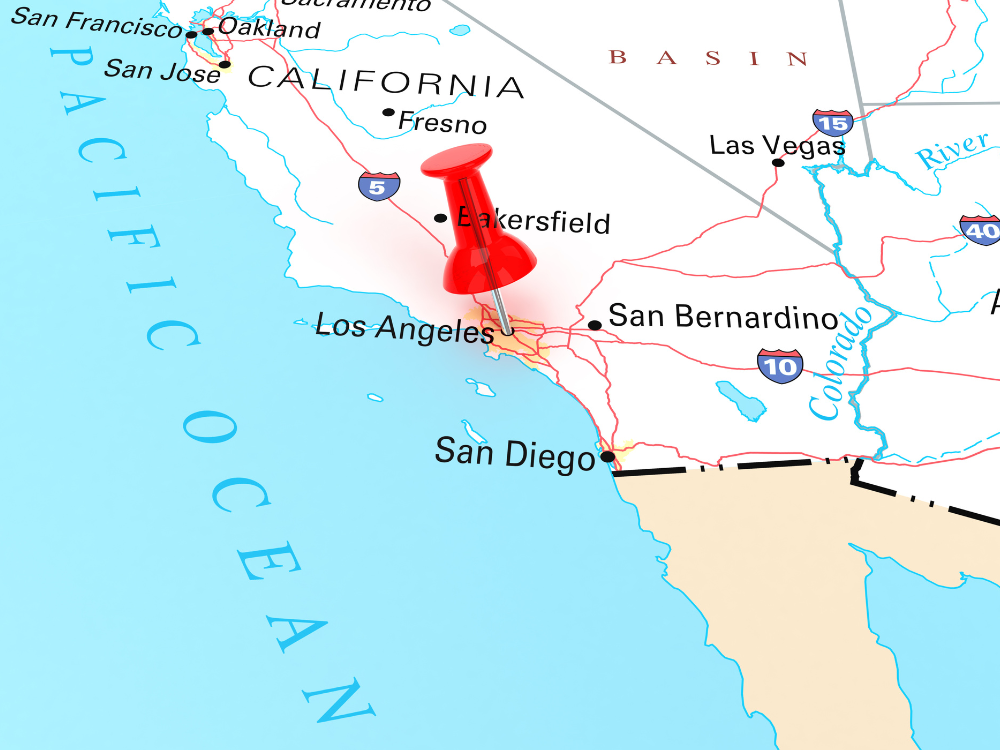
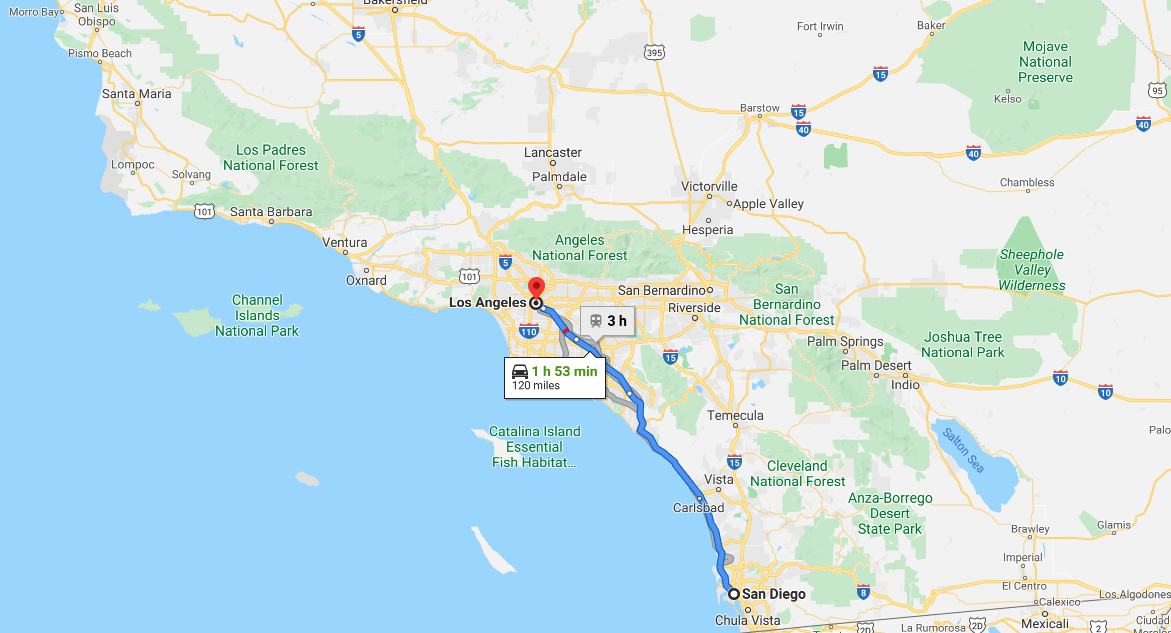
When planning a trip from the bustling metropolis of Los Angeles to the laid-back shores of San Diego, the actual mileage can vary slightly depending on your starting point and the route you choose. On average, the distance is approximately 120 miles. However, in a region as vast as Southern California, geography plays a significant role in your travel time.
The Direct Route via Interstate 5
The most common and direct way to traverse the distance is via Interstate 5. If you are starting from Downtown Los Angeles, the drive to Downtown San Diego covers about 121 miles. This multi-lane highway is the primary artery connecting the two cities, cutting through Orange County and running parallel to the Pacific Ocean for significant stretches.
While the mileage is relatively short, the “California mile” is often measured in minutes rather than distance. On a clear day with no traffic, the drive can be completed in roughly two hours. However, those familiar with the 405 Freeway and Interstate 5 know that timing is everything.
Factoring in Travel Time and Traffic
Traffic is the defining variable of this journey. Departing during peak rush hour can easily double your travel time. For the most efficient trip, seasoned travelers recommend leaving Los Angeles before 7:00 AM or after 7:00 PM on weekdays. Weekends can also be congested, particularly on Friday afternoons as people head south for vacations.
For those who prefer to leave the driving to someone else, Amtrak offers the Pacific Surfliner service. This train route covers the same general distance but offers a unique perspective of the coast, often hugging the bluffs in areas where the highway veers inland. The train journey typically takes about two hours and 45 minutes, arriving at the historic Santa Fe Depot in San Diego.
The Scenic Alternative: Coastal Highway Exploration
If you aren’t in a hurry to reach your destination, the best way to experience the true essence of California is to trade the high-speed interstate for the scenic Pacific Coast Highway, also known as Highway 1. While this route adds time and slightly more mileage due to its winding nature, the views are incomparable.
The Allure of the Pacific Coast Highway
Starting your journey in Santa Monica or Venice Beach allows you to follow the coastline southward. This route takes you through some of the most affluent and picturesque neighborhoods in the country. You will pass the rugged cliffs of Palos Verdes and the industrial yet charming Long Beach, where the Queen Mary sits permanently docked.
The coastal route is less about speed and more about the experience. It invites you to roll down the windows, breathe in the salty air, and stop whenever a vista catches your eye. This is the quintessence of Travel in the Golden State.
Key Coastal Towns Worth a Visit
As you move through Orange County, several towns serve as perfect waypoints. Huntington Beach, famously known as Surf City USA, offers a classic pier and wide sandy beaches. Continuing south, Newport Beach provides a glimpse into luxury living, with Balboa Island offering a nostalgic atmosphere and famous frozen bananas.
Laguna Beach is perhaps the jewel of the coastline, nestled between steep hills and the sea. Known for its art galleries and hidden coves like Victoria Beach, it is an essential stop for anyone wanting to capture the artistic spirit of the region. By the time you reach Dana Point and San Clemente, the landscape begins to transition into the more rugged, wide-open feel of North County San Diego.
Top Attractions and Pit Stops Between the Two Cities
The 120-mile stretch is packed with landmarks that cater to every interest, from history buffs to families seeking thrills. Breaking up the drive with a few stops can turn a standard commute into a full-day excursion.
Cultural Landmarks and History
One of the most significant historical sites along the route is Mission San Juan Capistrano. Founded in 1776, this historic landmark and museum is known as the “Jewel of the Missions.” Its beautiful gardens and preserved adobe architecture offer a peaceful respite from the highway.
Further south, as you cross into San Diego County, you will find the California Surf Museum in Oceanside. This stop highlights the deep-rooted surfing culture that defines much of the coastal life in Southern California.
Family-Friendly Destinations and Theme Parks
For those traveling with children, the corridor between Los Angeles and San Diego is home to some of the world’s most famous theme parks. While Disneyland Resort in Anaheim is a major draw just south of Los Angeles, Legoland California in Carlsbad is perfectly positioned for a mid-trip break.
Near Carlsbad, you can also visit the Flower Fields at Carlsbad Ranch, which bloom into a sea of color every spring. These attractions make the 120-mile journey feel much shorter by providing high-quality entertainment along the way.
Arriving in San Diego: A Guide to the City’s Best Experiences
Once you have crossed the Camp Pendleton marine base—a vast stretch of undeveloped coastline that marks the border between Orange County and San Diego County—you enter the northern reaches of San Diego. The city is a patchwork of distinct neighborhoods, each offering a unique vibe.
Natural Wonders and Beaches
The first major stop in San Diego should undoubtedly be La Jolla. Known as “The Jewel” of San Diego, La Jolla Cove is famous for its sea lion colony and stunning sea caves. It is an ideal spot for snorkeling, kayaking, or simply enjoying a sunset dinner overlooking the Pacific Ocean.
For those who prefer a more expansive beach experience, Torrey Pines State Natural Reserve offers hiking trails that wind through rare pine trees and lead down to a pristine beach. The contrast between the golden sandstone cliffs and the deep blue water is a signature sight of the San Diego coast.

Urban Exploration and Entertainment Districts
As you reach the heart of the city, Balboa Park stands as a must-visit destination. This 1,200-acre urban cultural park is home to more than 16 museums, several theaters, and the world-renowned San Diego Zoo. The architecture within the park, much of it built for the 1915 Panama-California Exposition, is a stunning display of Spanish Colonial Revival style.
Finally, no trip to San Diego is complete without a visit to the Gaslamp Quarter. This historic heart of the city is filled with Victorian-era buildings that now house trendy restaurants, bars, and boutiques. Just a short ferry ride or bridge drive away is Coronado Island, where the legendary Hotel del Coronado sits on one of the best beaches in the United States.
The journey from Los Angeles to San Diego may only be 120 miles, but it encompasses the very best of California living. From the high-energy streets of Los Angeles to the relaxed, sun-soaked atmosphere of San Diego, every mile offers a new discovery. Whether you choose the efficiency of Interstate 5 or the beauty of the Pacific Coast Highway, the trip between these two iconic cities remains a quintessential American travel experience.
LifeOutOfTheBox is a participant in the Amazon Services LLC Associates Program, an affiliate advertising program designed to provide a means for sites to earn advertising fees by advertising and linking to Amazon.com. Amazon, the Amazon logo, AmazonSupply, and the AmazonSupply logo are trademarks of Amazon.com, Inc. or its affiliates. As an Amazon Associate we earn affiliate commissions from qualifying purchases.