
Embarking on a transatlantic journey from the vibrant streets of New York to the sun-drenched shores of Spain is an exciting prospect, promising a rich tapestry of culture, history, and culinary delights. A primary concern for many travelers planning this adventure is the duration of the flight. Understanding the flight time is crucial for effective trip planning, from booking connecting flights and arranging airport transfers to simply managing jet lag and anticipating arrival. While the exact flight length can vary, several factors influence this duration, allowing for a comprehensive understanding of what to expect.
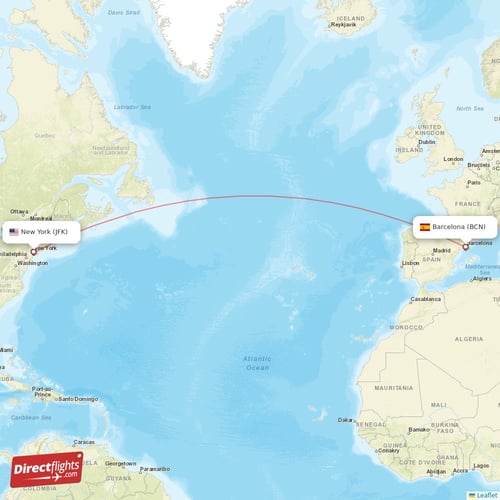
The flight from New York to Spain is a significant undertaking, bridging the Atlantic Ocean. Unlike domestic flights, these long-haul journeys require careful consideration of time zones, airline schedules, and potential layovers. This article delves into the typical flight durations, explores the variables that contribute to these times, and offers insights into making the journey as comfortable and efficient as possible.
Understanding the Factors Influencing Flight Duration
The journey across the Atlantic is not a static one; its duration is subject to a confluence of elements that collectively determine how long you’ll be airborne. Airlines, air traffic control, and even the planet’s rotation play a role in shaping the flight experience.
Direct vs. Connecting Flights
The most significant determinant of flight duration is whether you opt for a direct flight or one with layovers.
Direct Flights: The Swift Passage
Direct flights from New York to major Spanish cities like Madrid or Barcelona offer the most time-efficient way to reach your destination. These flights bypass the need to disembark and re-embark at an intermediate airport, thus saving considerable time. Typically, a non-stop flight from New York to Spain can range from approximately 7 to 8.5 hours. This is the idealized scenario for travelers prioritizing speed and minimizing travel time. Airlines like Iberia, United Airlines, and American Airlines often operate these non-stop services, connecting John F. Kennedy International Airport (JFK) or Newark Liberty International Airport (EWR) with key Spanish hubs.
Flights with Layovers: The Extended Journey
Flights involving one or more layovers can significantly extend your total travel time. The duration of a connecting flight is a sum of the flight time itself, plus the layover period at the intermediate airport, and the time spent deplaning and re-boarding. These layovers can occur in various cities, such as London, Amsterdam, Paris, or even Dublin, depending on the airline’s network and the specific route booked. A journey with a layover can easily stretch to 10, 12, 15, or even upwards of 20 hours, depending on the length of the connection. While sometimes more budget-friendly, these options require a greater commitment of time and can be more taxing on the traveler.
Geographical Considerations and Flight Paths
The sheer distance between New York and Spain is a primary factor, but the specific route taken by aircraft is also influenced by a complex interplay of atmospheric conditions and optimized flight paths.
Eastbound Advantage: The Jet Stream
Flights traveling eastbound from New York to Spain generally benefit from the prevailing westerly winds, most notably the jet stream. This high-altitude current of air can significantly propel aircraft forward, effectively shortening the flight time. Pilots strategically utilize the jet stream to their advantage, gaining valuable minutes, and sometimes even hours, on the journey. This is a key reason why eastbound flights are typically shorter than westbound flights.
Westbound Challenge: Battling the Winds
Conversely, flights traveling westbound from Spain back to New York often have to contend with headwinds, including the jet stream. This means the aircraft is flying against a powerful air current, which slows its ground speed and consequently increases the flight duration. A westbound flight can, on average, be 30 minutes to an hour longer than its eastbound counterpart.
Aircraft Type and Airline Operations
While less impactful than the direct vs. layover decision or the jet stream, the specific aircraft model and the operational efficiencies of the airline can also contribute to minor variations in flight time.
Modern Aircraft and Efficiency
Modern, wide-body aircraft used for transatlantic routes are designed for speed and fuel efficiency. Different models have varying cruising speeds, which can lead to slight differences in flight duration. Airlines also optimize their flight plans for fuel consumption and speed, taking into account factors like air density and wind patterns.
Air Traffic Control and Scheduling
Air traffic control plays a vital role in managing the skies. The efficiency of air traffic control systems in both North America and Europe, as well as the specific airport congestion at departure and arrival, can also introduce minor delays or impact flight path adherence. Airlines meticulously schedule their flights to minimize taxi times and gate delays, but unforeseen circumstances can always arise.
Typical Flight Durations to Major Spanish Cities
Spain is a country with diverse regions, and the specific arrival city in Spain can influence the flight duration, even for direct routes.
Flights to Madrid: The Central Hub
Madrid, the capital city, is a primary gateway for many international travelers. A direct flight from New York to Madrid-Barajas Airport (MAD) typically lasts around 7 to 7.5 hours. This duration positions Madrid as one of the most accessible major Spanish cities from the East Coast of the United States.
Flights to Barcelona: The Coastal Charm
Barcelona, located on the northeastern coast, is another popular destination. The flight time from New York to Barcelona-El Prat Airport (BCN) is often slightly longer than to Madrid, usually ranging from 7.5 to 8 hours. This difference is attributed to the additional distance and potentially slightly different flight paths taken to reach the Mediterranean coast.
Flights to Other Spanish Destinations
For travelers heading to other regions of Spain, such as Seville in Andalusia or Valencia on the eastern coast, direct flights might be less common. In such cases, travelers will likely book connecting flights through major hubs like Madrid or Barcelona. The total travel time, including layovers, will therefore be considerably longer, often ranging from 10 to 15 hours or more, depending on the connection.
Making the Most of Your Transatlantic Journey
Understanding flight durations is just one piece of the puzzle. Optimizing your travel experience involves proactive planning and making informed choices.
Choosing the Right Flight
When booking your flight, scrutinize the flight details carefully. Pay close attention to whether the flight is direct or has layovers. If layovers are unavoidable, examine the duration of the connection. A short layover might seem appealing, but it carries the risk of missing your connecting flight, especially in large, busy airports. Conversely, an excessively long layover can lead to fatigue and boredom. Aim for a balanced layover, typically between 1.5 to 3 hours, allowing ample time without excessive waiting. Consider the total travel time, not just the airborne hours, when comparing different flight options.
Preparing for a Long Flight
A long flight requires preparation to ensure comfort and mitigate the effects of jet lag.
Onboard Comfort
Pack essentials for your flight, including a neck pillow, eye mask, and earplugs to help you rest. Comfortable clothing is paramount. Bring layers, as cabin temperatures can fluctuate. Staying hydrated by drinking plenty of water is crucial. Avoid excessive alcohol and caffeine, which can dehydrate you and disrupt sleep. Consider bringing your own entertainment, such as books, downloaded movies, or podcasts, as airline entertainment systems can vary.

Navigating Jet Lag
Jet lag is an inevitable consequence of crossing multiple time zones. To combat it, try to adjust your sleep schedule in the days leading up to your departure, shifting your bedtime and wake-up time gradually. Once you arrive in Spain, expose yourself to natural daylight as much as possible, and try to adhere to the local meal and sleep times. Even a short direct flight of 7-8 hours will cause a noticeable time difference, so being prepared is key to enjoying your initial days in Spain.
In conclusion, the flight from New York to Spain is a substantial journey, with direct flights averaging between 7 and 8.5 hours. However, various factors, including the presence of layovers, prevailing winds, and the specific destination within Spain, can influence this duration. By understanding these elements and preparing adequately, travelers can ensure a smoother and more enjoyable transatlantic experience, setting the stage for an unforgettable exploration of beautiful Spain.
LifeOutOfTheBox is a participant in the Amazon Services LLC Associates Program, an affiliate advertising program designed to provide a means for sites to earn advertising fees by advertising and linking to Amazon.com. Amazon, the Amazon logo, AmazonSupply, and the AmazonSupply logo are trademarks of Amazon.com, Inc. or its affiliates. As an Amazon Associate we earn affiliate commissions from qualifying purchases.