
The question of “How Many Jews In New York State?” delves into the demographic landscape of a significant population group within one of the most diverse and historically rich states in the United States. While seemingly a straightforward statistical inquiry, understanding the Jewish population of New York offers profound insights into the cultural fabric, historical migrations, and vibrant community life that characterize the state. This exploration is not merely about numbers; it is about understanding the presence, impact, and enduring legacy of the Jewish people in New York.
The Enduring Presence: Historical Roots and Migration Patterns
The Jewish story in New York is one of continuous presence and significant growth, shaped by waves of immigration and the state’s magnetic pull as a land of opportunity and refuge. From the earliest colonial days to the mass migrations of the 19th and 20th centuries, New York has been a primary gateway and home for Jewish communities.

Early Settlements and Colonial Life
The earliest documented Jewish presence in New York dates back to the 17th century, with the arrival of Sephardic Jews in New Amsterdam, which would later become New York City. These pioneers, fleeing persecution in Europe and South America, established the foundation for a community that would grow exponentially. Despite facing initial challenges and restrictions, they laid the groundwork for religious and social institutions, demonstrating resilience and a deep commitment to their heritage. This early period, though small in numbers, was crucial in establishing a foothold that would eventually blossom.
The Great Waves of Immigration
The 19th and early 20th centuries witnessed unprecedented waves of Jewish immigration to New York. Primarily driven by economic hardship, pogroms, and antisemitism in Eastern Europe, millions of Ashkenazi Jews sought a new life in America. New York City, with its bustling port and burgeoning industries, served as the principal port of entry. Ellis Island became a symbol of hope and a gateway for these new arrivals, many of whom settled in the crowded but vibrant neighborhoods of the Lower East Side. This influx dramatically reshaped the demographic and cultural landscape of New York, establishing a dominant Jewish presence that continues to this day. The communities established during this era not only provided mutual support but also fostered a rich tapestry of religious, cultural, and Yiddish-speaking life.
Post-War Demographics and Suburbanization
Following World War II and the Holocaust, New York continued to be a focal point for Jewish survivors and families. The post-war era also saw a significant shift as many Jewish families moved out of the densely populated urban centers of New York City and into the surrounding suburbs. Counties like Nassau, Suffolk, and parts of the Hudson Valley experienced a substantial increase in their Jewish populations. This suburbanization was part of a broader American trend but also reflected a desire for more space, better schools, and community development, leading to the establishment of new synagogues and Jewish community centers across New York State.
Statistical Snapshot: Estimating the Jewish Population of New York
Pinpointing an exact number for any population group is inherently challenging, and the Jewish population of New York State is no exception. Demographers and research institutions employ various methodologies, including surveys, census data analysis, and community studies, to arrive at estimates. These figures, while subject to variations, consistently highlight New York as having one of the largest, if not the largest, Jewish populations in the United States and globally.
Key Demographic Indicators
Estimates from reputable organizations like the Pew Research Center and local Jewish federations consistently place the New York State Jewish population in the range of 1.5 to 2 million individuals. This significant number represents a substantial portion of the United States‘ total Jewish population, underscoring the state’s importance as a center of Jewish life.
- Geographic Distribution: The majority of New York‘s Jewish population resides within New York City, particularly in boroughs like Brooklyn and Queens. However, substantial communities also exist in the surrounding suburban counties and in other urban centers throughout the state, such as Buffalo, Rochester, and Albany.
- Religious Affiliation: Within this population, there is a wide spectrum of religious observance, ranging from Orthodox, Conservative, and Reform Judaism to secular and culturally Jewish individuals. This diversity in religious practice and belief is a hallmark of New York‘s Jewish community.
- Age and Family Structure: Like the general population, New York‘s Jewish community exhibits varying age distributions and family structures, with ongoing generational shifts and trends influencing community dynamics.
Factors Influencing Population Estimates
Several factors contribute to the complexity of estimating the Jewish population. These include:
- Defining Jewish Identity: Whether Jewish identity is defined by religious practice, matrilineal descent, or self-identification can impact counts.
- Data Collection Challenges: Unlike some demographic markers, Jewish affiliation is not explicitly tracked in the U.S. Census, requiring indirect estimation methods.
- Internal Migration and Emigration: Movement within the state and out of the state, as well as immigration from other countries, continually alters the demographic landscape.
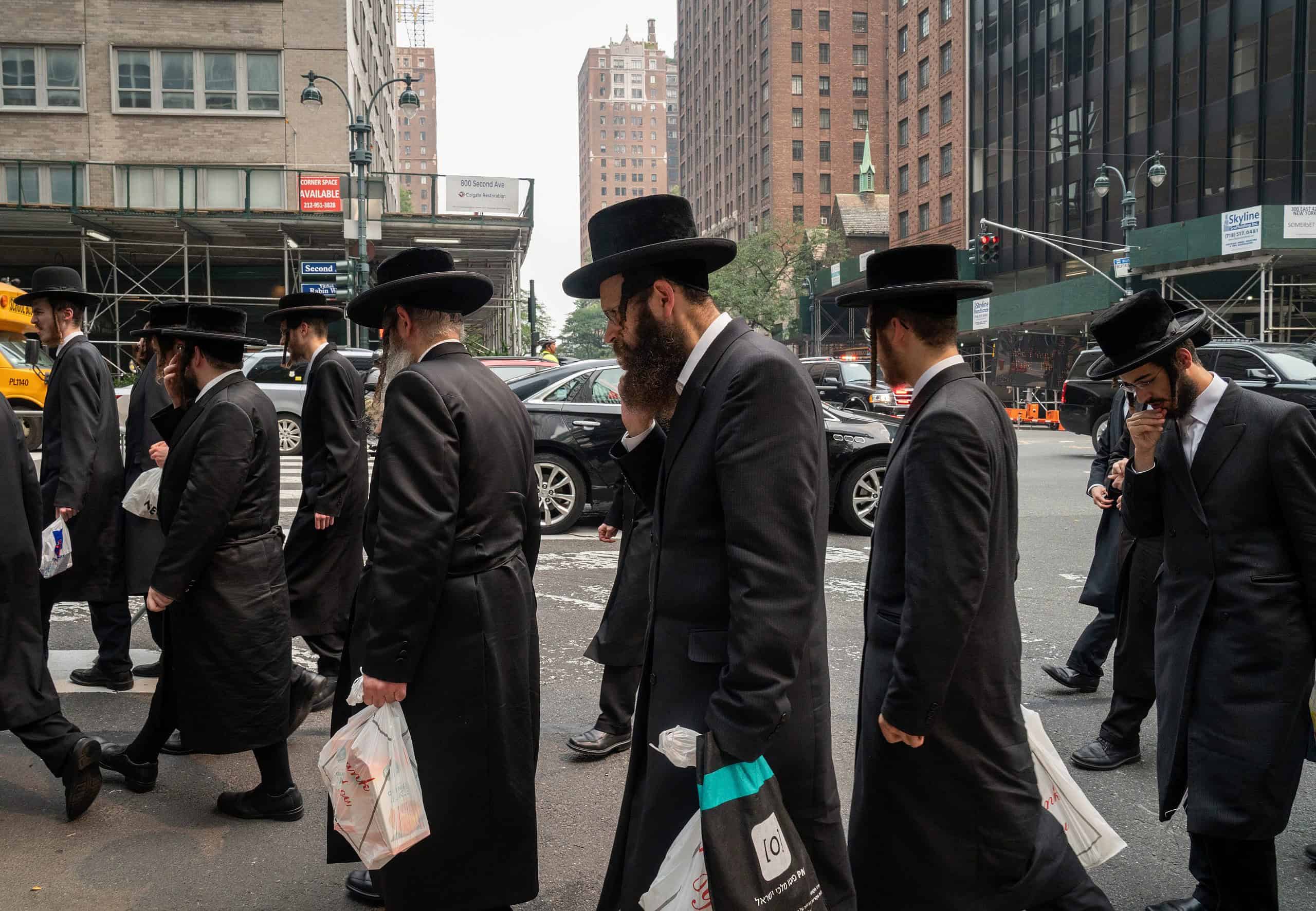
Despite these challenges, the consistent upward trend in estimates over decades solidifies New York‘s position as a preeminent hub for Jewish life.
The Cultural Tapestry: Jewish Life and Community in New York
The presence of a large Jewish population in New York State has profoundly shaped and continues to enrich its cultural, social, and intellectual landscape. Beyond the numbers, it is the vibrant community life, the diverse institutions, and the indelible contributions to American society that define this significant demographic.
Religious and Community Institutions
New York State is home to an extensive network of religious institutions, community centers, educational facilities, and social service organizations that cater to the diverse needs of its Jewish population. Synagogues, ranging from ancient historic congregations to modern edifices, dot the urban and suburban skylines. These serve not only as places of worship but also as centers for community gathering, education, and cultural programming. Jewish community centers (JCCs) play a vital role in providing social, recreational, and educational activities for all ages, fostering a sense of belonging and shared identity.
Educational and Intellectual Contributions
Jewish institutions in New York have long been at the forefront of Jewish education and secular learning. Yeshivas, Hebrew schools, and Jewish day schools provide religious and general education, while renowned universities and colleges, such as Columbia University, New York University, and Yeshiva University, boast significant Jewish student and faculty populations and offer extensive Jewish studies programs. The intellectual contributions of Jewish scholars, writers, artists, and thinkers have had a far-reaching impact on American culture, science, and public discourse, with New York serving as a fertile ground for much of this innovation.
Culinary Heritage and Traditions
The culinary landscape of New York is deeply intertwined with its Jewish heritage. From the iconic delis serving pastrami on rye and matzah ball soup to the artisanal bakeries offering rugelach and babka, Jewish food traditions are an integral part of the state’s gastronomic identity. These culinary offerings are not just sustenance but carry with them stories of migration, adaptation, and community. Traditional holidays are marked by specific dishes, further embedding Jewish food culture into the fabric of New York life, enjoyed by people of all backgrounds.
Social and Political Engagement
The Jewish community in New York State has historically been, and continues to be, actively engaged in social justice, philanthropy, and political life. Many Jewish organizations are dedicated to supporting Israel, combating antisemitism, and advocating for human rights. The influence of Jewish individuals and organizations in shaping public policy and contributing to civic life is substantial, reflecting a deep-seated commitment to community betterment and the broader good.
Future Trends and Enduring Significance
The Jewish population of New York State, while historically robust, is subject to evolving demographic trends and societal shifts. Understanding these dynamics is crucial for appreciating the future trajectory of Jewish life within the state.
Demographic Shifts and Challenges
Like many established communities, New York‘s Jewish population faces demographic challenges such as intermarriage rates, declining birth rates in some segments, and the ongoing effects of assimilation. Furthermore, the rising cost of living in New York City and its surrounding areas can impact community growth and accessibility for some. However, these challenges are often met with innovative community programming and a strong commitment to Jewish continuity.
The Role of Modern Jewish Life
The adaptability of Jewish life in New York is evident in its embrace of new forms of engagement. This includes the growth of innovative synagogues, the rise of social justice initiatives driven by younger generations, and the utilization of digital platforms for connection and education. The emphasis on experiential Jewish engagement, coupled with a strong sense of historical awareness, ensures that the community remains dynamic and relevant.

New York as a Global Jewish Hub
Despite demographic shifts, New York State is poised to remain a preeminent global center for Jewish life. Its unparalleled concentration of Jewish institutions, its rich history, and its diverse community offer a unique environment for Jewish people to thrive. The ongoing contributions of New York‘s Jewish population to the state’s cultural vibrancy, its economy, and its social fabric are undeniable, cementing its legacy for generations to come. The question of “How Many Jews In New York State?” is not just an answer in numbers, but a testament to an enduring and dynamic presence that continues to shape the American experience.
LifeOutOfTheBox is a participant in the Amazon Services LLC Associates Program, an affiliate advertising program designed to provide a means for sites to earn advertising fees by advertising and linking to Amazon.com. Amazon, the Amazon logo, AmazonSupply, and the AmazonSupply logo are trademarks of Amazon.com, Inc. or its affiliates. As an Amazon Associate we earn affiliate commissions from qualifying purchases.