
The question “How big is the California fire?” is often posed with a sense of awe, concern, and a profound desire to grasp the scale of a force that reshapes landscapes with terrifying speed and intensity. California’s wildfires have, in recent decades, become an increasingly dominant and devastating feature of its natural cycle, fueled by a complex interplay of climate change, historical forest management practices, and urban expansion into wildland-urban interface zones. When we ask about the “bigness” of a fire, we are not merely inquiring about acreage; we are probing its ecological footprint, its impact on iconic natural landmarks, its long-term effects on the environment, and its relentless challenge to the state’s natural heritage.

To truly understand the magnitude of a California fire, particularly in the context of its impact on the natural world, we must move beyond simple statistics. We must delve into the intricate relationship between these fires and the very fabric of the landscapes they consume, assessing how they challenge the resilience of ancient forests, unique ecosystems, and the geological processes that define this remarkable state. The “bigness” then transforms from a numerical value into a narrative of ecological struggle, adaptation, and the critical imperative for preservation.
Understanding the Scale: Defining Wildfire Magnitude
The sheer size of a California wildfire is often difficult to comprehend, especially when viewed through the lens of a map or a news report. These events frequently exceed the boundaries of individual counties, spanning across vast mountain ranges, national forests, and wilderness areas. Assessing their magnitude requires a multi-faceted approach that considers not just the immediate destruction but also the broader geographical and ecological implications.
Acreage and Perimeter: The Primary Metrics
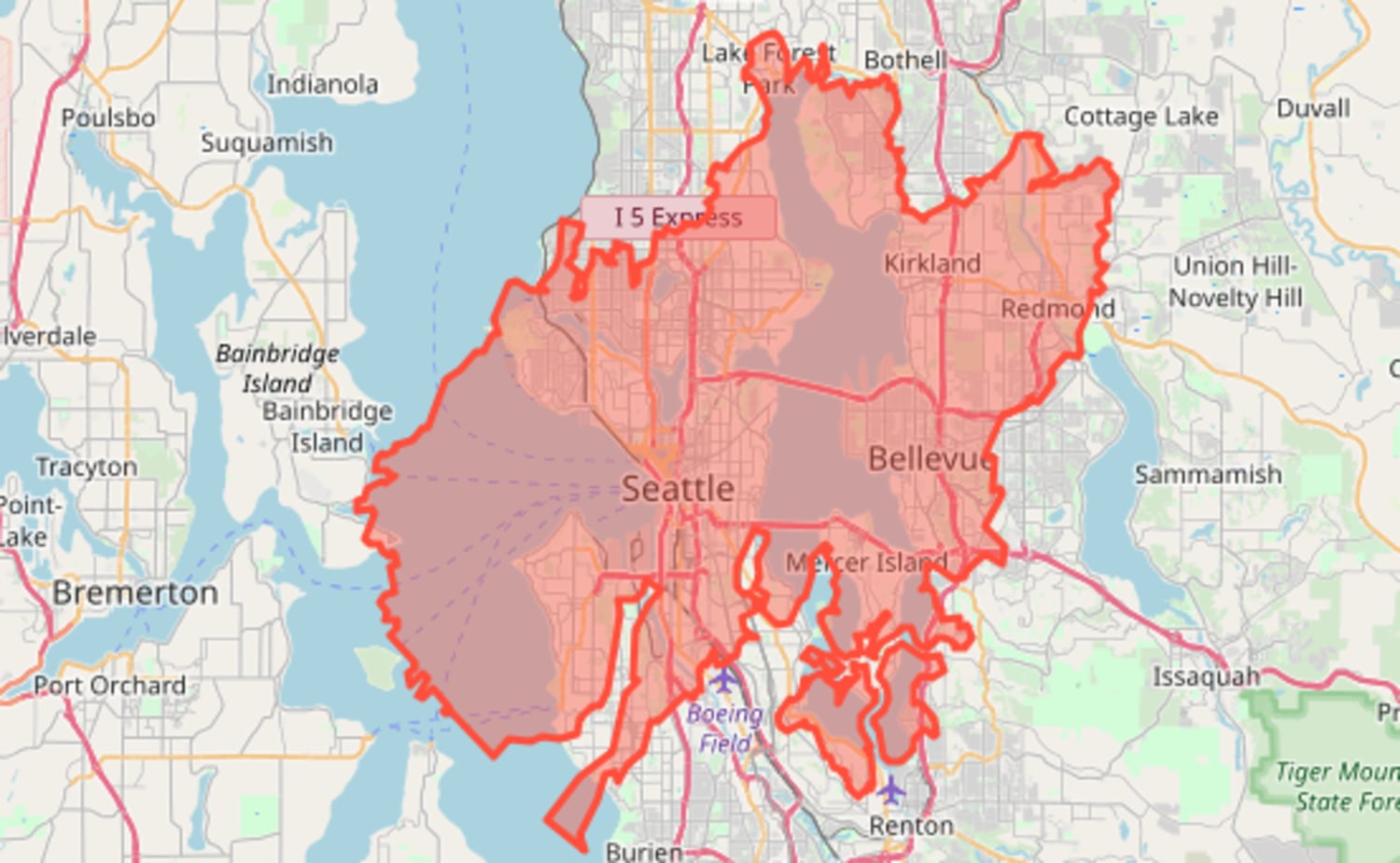
The most common metric used to quantify a wildfire’s size is the number of acres burned. A few hundred acres can be a significant local event, but many California fires now routinely exceed tens of thousands, hundreds of thousands, and even over a million acres. To put this into perspective, a fire burning 100,000 acres is roughly equivalent to a rectangular area of about 156 square miles, which is larger than many major cities. The largest fires have swallowed areas comparable to entire states, illustrating a frightening expansion of their reach. For instance, the August Complex fire of 2020, which ignited across seven different fires, eventually grew to over one million acres, becoming the largest wildfire in California’s recorded history. This monumental scale obliterates vast swaths of natural habitat, leaving a stark, lunar-like landscape in its wake.
Beyond acreage, the perimeter of a fire offers another crucial dimension of its “bigness.” A fire with a highly irregular or extended perimeter can pose greater containment challenges, requiring more resources and personnel to manage. A long perimeter often indicates a fire spreading across varied topography, threatening numerous communities and natural features along its path. The sheer length of these perimeters can stretch for hundreds of miles, requiring immense logistical efforts to establish fire lines and protect vulnerable areas. This intricate dance between fire and landscape defines the immediate challenge and sets the stage for the long-term ecological recovery or transformation.
Geographic Extent: Crossing Natural Boundaries
The true “bigness” of a California fire is perhaps best understood by observing how it transcends and blurs natural boundaries. A single wildfire can sweep across multiple national forests, such as the Shasta-Trinity National Forest and the Mendocino National Forest, or threaten iconic national parks. These fires often jump major rivers, highways, and even mountain ridges, demonstrating their immense energy and the challenging conditions that propel them.
When fires cross these natural barriers, they don’t just expand in size; they fundamentally alter the ecological dynamics of vast regions. The connectivity of ecosystems is disrupted, and the potential for a fire to reach previously untouched or less fire-adapted areas increases significantly. This geographic fluidity means that the “fire season” is no longer a localized event but a state-wide, and sometimes regional, phenomenon that demands a coordinated, multi-agency response to protect California’s diverse natural heritage. The smoke plumes themselves, often visible from space, serve as a stark reminder of the immense geographical reach, affecting air quality across thousands of miles and impacting even distant urban centers like San Francisco or Los Angeles.
Iconic Natural Landmarks Under Threat
The “bigness” of California’s fires carries a particularly poignant weight when considering the iconic natural landmarks that define the state. These are not merely geographical points but living museums of natural history, harboring irreplaceable biodiversity and unique geological formations. The threat of wildfire to these areas is a threat to a collective global heritage.
National Parks and Forests: Irreplaceable Ecosystems
California is home to some of the world’s most cherished national parks and vast national forests, including Yosemite National Park, Sequoia National Park, Kings Canyon National Park, and the sprawling Sierra Nevada mountain range. These areas are characterized by ancient forests, some containing trees that have stood for millennia, and unique ecosystems that have evolved over geological timescales. When a fire of immense scale approaches or enters these areas, the risk is not just to individual trees but to entire ecological communities and the intricate web of life they support.
Consider the giant sequoias, the largest trees on Earth, found almost exclusively in the Sierra Nevada. These majestic trees, which can live for over 3,000 years, are fire-adapted, requiring low-intensity fires to clear underbrush and aid cone germination. However, the high-intensity mega-fires now common in California are fundamentally different. These infernos can consume mature sequoias, which were once considered virtually indestructible by fire, by burning through their crowns or scorching their root systems. The impact of losing even a single grove of these ancient giants is an irreversible loss to natural heritage, marking a catastrophic shift in these irreplaceable ecosystems.
Similarly, the diverse ecosystems within national forests, from chaparral and oak woodlands to coniferous forests, face unprecedented challenges. These areas provide critical habitat for endangered species, regulate water cycles, and contribute significantly to regional air quality. A large fire can devastate these habitats, displacing wildlife, destroying nesting sites, and altering food sources for years, if not decades. The sheer “bigness” of these fires means that the impact is not localized but spreads across vast, interconnected natural systems, testing their resilience to the breaking point.
Biodiversity Hotspots: A Legacy at Risk
California is recognized globally as a biodiversity hotspot, home to an extraordinary number of endemic species — plants and animals found nowhere else on Earth. Many of these species are highly specialized, relying on specific habitats that are increasingly vulnerable to large-scale wildfires. The state’s unique Mediterranean climate and diverse topography have fostered an unparalleled richness of life, but this very richness is now under existential threat.

A massive wildfire can wipe out entire populations of rare plants, obliterate the breeding grounds of sensitive bird species, and fragment the habitats of mammals, amphibians, and insects. The “bigness” of the fire dictates the scale of this ecological triage, determining whether species can adapt, migrate, or face local extinction. For instance, the destruction of critical chaparral ecosystems, though fire-adapted, by too frequent or too intense fires can lead to type conversion, where native shrubs are replaced by invasive grasses, fundamentally altering the long-term ecological trajectory of the landscape. This profound shift in the natural composition of California’s biodiversity hotspots represents a permanent loss, a legacy of natural wonder diminished by forces of immense scale and changing climate.
Long-Term Ecological and Geological Impacts
The immediate aftermath of a massive California fire reveals a stark, often charred landscape. However, the “bigness” of these events extends far beyond the visible destruction, initiating a cascade of long-term ecological and geological impacts that can reshape the natural environment for decades, if not centuries.
Landscape Transformation: Scars and Regeneration
Large-scale wildfires leave an indelible mark on the landscape, transforming vast areas from vibrant forests and chaparral into barren, fire-scorched earth. This transformation is not always purely destructive; some ecosystems are adapted to fire and undergo a cycle of regeneration. However, mega-fires can push these systems beyond their adaptive capacity. The sheer heat generated by these intense blazes can sterilize soil, kill seeds that would normally sprout after a fire, and eliminate the “seed bank” vital for post-fire recovery.
The scale of the devastation means that natural regeneration can be incredibly slow and, in many cases, may lead to a different type of ecosystem altogether. For example, a conifer forest might be replaced by an oak woodland, or even by invasive grasses if the fire frequency is too high. These landscape transformations impact everything from local microclimates to regional hydrological cycles, fundamentally altering the character and resilience of California’s natural areas. The “scars” left by these fires are not merely aesthetic; they represent deep-seated ecological shifts that reflect the unprecedented “bigness” of modern wildfires.
Water Systems and Soil Erosion: Cascading Effects
Perhaps one of the most critical long-term impacts of large California fires is on water systems and soil stability. When vast areas of vegetation are consumed by fire, the protective canopy and root systems that hold soil in place are destroyed. This leaves the soil vulnerable to erosion, especially during subsequent rain events. The “bigness” of the burned area amplifies this problem exponentially.
Heavy rains falling on denuded hillsides can trigger massive mudslides and debris flows, especially in steep terrain common throughout California’s mountain ranges. These events not only pose a direct threat to communities downstream but also funnel sediment, ash, and pollutants into rivers, streams, and reservoirs. This degrades water quality, harms aquatic ecosystems, and can clog vital water infrastructure. The increased runoff also changes the hydrological regime of a watershed, potentially leading to more severe flooding in some areas and reduced water availability in others. The immense scale of fire-damaged areas means that these cascading effects on water and soil can be widespread and endure for many years, impacting both natural systems and human populations reliant on these resources.
Prevention, Preparedness, and Preserving California’s Natural Heritage
Understanding “how big” the California fire is, in its multi-dimensional sense, underscores the urgent need for comprehensive strategies to protect the state’s natural heritage. The challenge is immense, requiring a blend of proactive management, scientific understanding, and community engagement to mitigate the increasing threat of mega-fires.
Forest Management and Mitigation Strategies
Addressing the scale of California’s fires necessitates a fundamental shift in forest management. Decades of fire suppression have led to an unnatural accumulation of fuel in many forests, making them ripe for catastrophic blazes. Strategies like prescribed burning, mechanical thinning, and the creation of defensible space around communities are crucial. These proactive measures aim to reduce fuel loads, mimic natural fire regimes, and restore forest health, making them more resilient to the intense wildfires we now experience.
The challenge lies in implementing these strategies on a scale commensurate with the “bigness” of the problem. This requires significant investment, coordinated efforts across multiple agencies and land ownerships, and a long-term vision for ecosystem restoration. By strategically managing landscapes, we can reduce the risk of mega-fires and help preserve the ecological integrity of California’s national parks and forests.
The Role of Climate Change in Escalating Risks
It is impossible to discuss the “bigness” of California’s fires without acknowledging the profound role of climate change. Rising temperatures, prolonged droughts, and earlier snowmelt create drier conditions that extend the fire season and increase the flammability of vegetation. These climatic shifts contribute directly to the increased frequency, intensity, and sheer size of wildfires, making containment more challenging and the impacts more severe.
Addressing climate change through global emissions reductions and local adaptation strategies is paramount to stemming the tide of escalating wildfire risk. While immediate fire management focuses on mitigating existing threats, the long-term solution lies in tackling the root causes that exacerbate these natural disasters, ensuring that future generations can inherit California’s extraordinary natural landmarks.
Community Engagement and Natural Resource Protection
Ultimately, the preservation of California’s natural heritage from the threat of large-scale wildfires requires a collective effort. Communities, especially those living in the wildland-urban interface, play a vital role in preparedness, creating fire-adapted homes and landscapes. Public awareness and education about fire safety, evacuation plans, and the ecological role of fire are essential.
Moreover, continued scientific research into fire behavior, ecosystem response, and climate resilience is crucial for developing effective strategies. By understanding the intricate dynamics of these “big” fires and their relationship with the diverse natural landmarks of California, we can work towards a future where the state’s natural beauty and ecological richness are protected for generations to come. The question of “how big” then becomes not just a measure of destruction, but a call to action for stewardship and resilience.
LifeOutOfTheBox is a participant in the Amazon Services LLC Associates Program, an affiliate advertising program designed to provide a means for sites to earn advertising fees by advertising and linking to Amazon.com. Amazon, the Amazon logo, AmazonSupply, and the AmazonSupply logo are trademarks of Amazon.com, Inc. or its affiliates. As an Amazon Associate we earn affiliate commissions from qualifying purchases.