
The allure of paradise, the vibrant culture of Aloha, and landscapes ranging from lush rainforests to active volcanoes – these are the quintessential images that spring to mind when one mentions Hawaii. But beyond its reputation as a world-class travel destination, where exactly is this enchanting archipelago situated on the global map? The State of Hawaii holds a unique and intriguing geographical position, standing as the most isolated population center on Earth, a fact that has profoundly shaped its natural beauty, distinct culture, and overall appeal as a travel experience.
Geographically, Hawaii is located in the central Pacific Ocean, thousands of miles from any continental landmass. It is the only U.S. state situated entirely within the tropics and the only one that is not geographically connected to North America. As the 50th state of the United States, its position is roughly 2,400 miles (3,860 km) southwest of California, placing it firmly in Oceania and specifically within Polynesia. This extreme isolation, while presenting logistical challenges for early settlers and modern-day travelers alike, is precisely what has preserved its unique ecosystems and allowed a distinct cultural identity to flourish, making it a prime destination for those seeking an authentic and unforgettable experience.
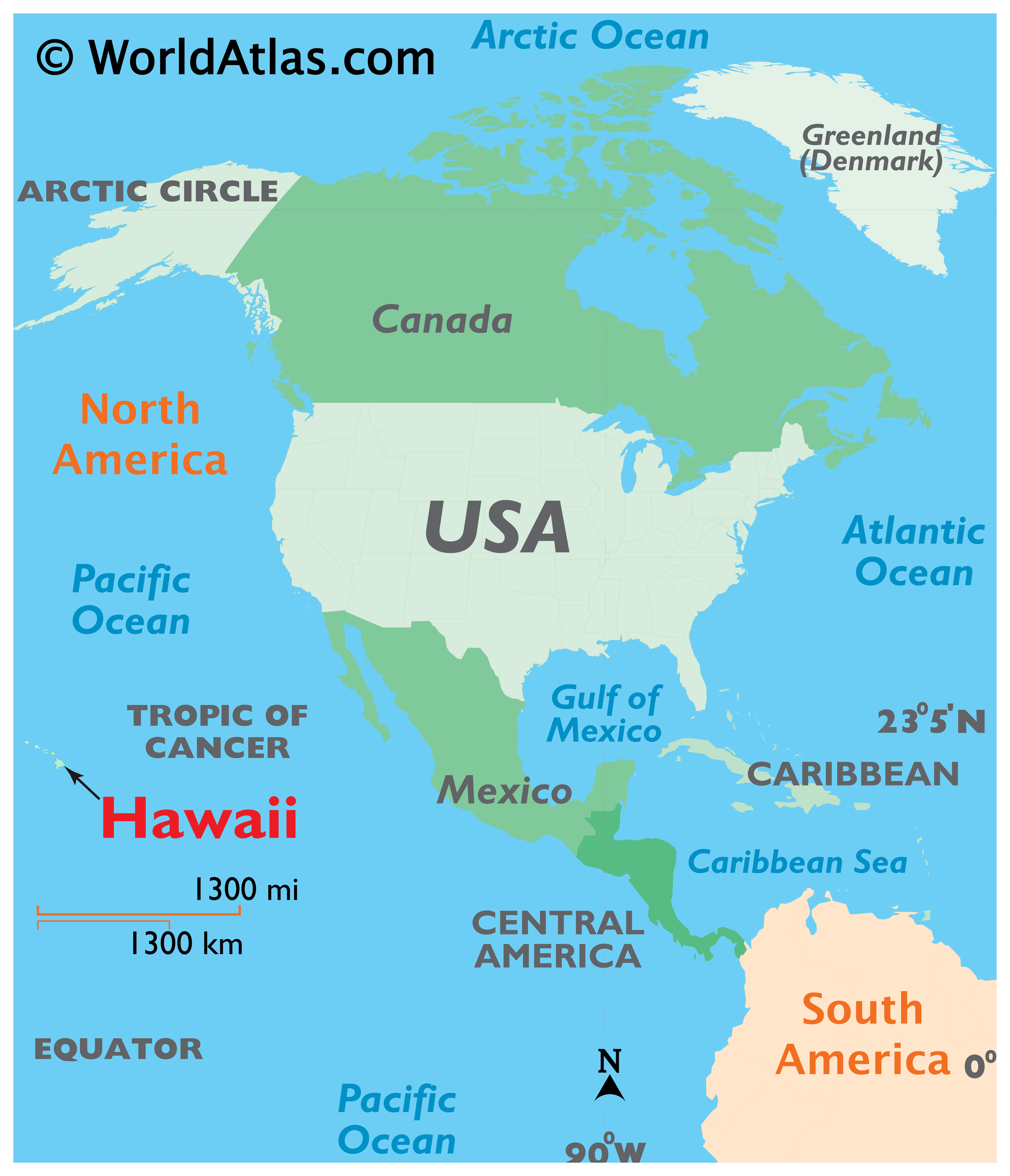
The Aloha State: A Gem in the Vast Pacific
Hawaii’s location is not just a point on a map; it’s a defining characteristic that influences everything from its climate and biodiversity to its cultural heritage and tourism industry. Understanding its geographical context provides a deeper appreciation for this island paradise.
Geographical Coordinates and Isolation
The Hawaiian Islands span a considerable area in the Pacific Ocean, roughly between 18° and 22° North latitude and 154° and 160° West longitude. This places them firmly within the Northern Hemisphere and the Western Hemisphere. The state comprises a chain of 137 volcanic islands and atolls stretching over 1,500 miles (2,400 km), though only eight of these are considered the “main” islands: Niihau, Kauai, Oahu, Molokai, Lanai, Kahoolawe, Maui, and the Big Island of Hawaii itself.
The sheer distance from other major landmasses is astonishing: approximately 2,400 miles from the U.S. mainland, 3,850 miles (6,200 km) from Japan, and 4,900 miles (7,900 km) from the Philippines. This extreme isolation is a double-edged sword: it made early colonization by Polynesian navigators an epic feat of seamanship, and it continues to contribute to the unique evolutionary path of its flora and fauna, many species of which are endemic to Hawaii. For travelers, this means a journey to Hawaii is truly an escape to a distant, exotic realm, far removed from the everyday hustle.
A Unique Geological Formation
Hawaii’s location is also fascinating from a geological perspective. The Hawaiian Islands were formed by volcanic activity originating from a “hotspot” in the Earth’s mantle, a plume of magma that rises and punches through the Pacific Ocean plate. As the Pacific Plate slowly moves northwestward over this stationary hotspot, new islands are continuously formed, while older ones gradually erode and subside.
This process explains why the southeastern-most island, the Big Island of Hawaii, is home to active volcanoes like Kilauea and Mauna Loa – it’s directly over the hotspot. As you move northwest through the chain, the islands become progressively older, smaller, and more eroded, eventually becoming atolls and seamounts. This geological history provides not only breathtaking landscapes but also incredible opportunities for volcano tourism, a unique attraction that draws visitors worldwide to witness the raw power of Earth’s creation.
Hawaii’s Place in Global Geography
While technically a state of the United States and thus part of North America politically, Hawaii is undeniably part of Oceania geographically and culturally. Its indigenous people, the native Hawaiians, are Polynesians, sharing linguistic, cultural, and genetic ties with peoples from Tahiti, Samoa, New Zealand, and other Pacific Island nations.
This dual identity—American and Polynesian—is central to Hawaii’s unique charm. It offers the comfort and familiarity of traveling within the United States (currency, language, infrastructure) combined with the exotic appeal of a distant Pacific Island culture. This makes it an ideal destination for travelers looking to experience diverse traditions, historical depth, and natural wonders without the complexities often associated with international travel.
Discovering the Diverse Hawaiian Islands
The “where” of Hawaii isn’t just about its overall position; it’s also about the distinct character of each of its main islands. Each island offers a unique blend of attractions, activities, and ambiance, catering to different travel styles and preferences.
Oahu: The Gathering Place of Urban Vibrancy and Historical Echoes
Oahu, known as “The Gathering Place,” is the most populous and developed of the Hawaiian Islands. Home to the state capital, Honolulu, it perfectly blends cosmopolitan city life with stunning natural beauty. Travelers seeking a mix of cultural exploration, historical significance, and beach relaxation often gravitate here.
- Landmarks & Attractions: Pearl Harbor, a poignant historical site, draws millions annually. The iconic Waikiki Beach is famous for its golden sands, surfing lessons, and vibrant atmosphere, flanked by high-rise hotels and resorts. Hiking to the summit of Diamond Head offers panoramic views of the coastline. Further afield, the North Shore is legendary for its massive winter waves, attracting professional surfers and spectators alike. The Polynesian Cultural Center provides an immersive experience into the cultures of the Pacific Islands.
- Accommodation: Oahu boasts a vast array of accommodation options, from luxury resorts like the Hilton Hawaiian Village Waikiki Beach Resort and the historic Royal Hawaiian, a Luxury Collection Resort on Waikiki to boutique hotels, vacation rentals, and budget-friendly apartments. The west side of the island offers family-friendly resorts like Aulani, A Disney Resort & Spa.
Maui: The Valley Isle’s Scenic Grandeur
Maui, the “Valley Isle,” is a perennial favorite for its stunning beaches, lush landscapes, and adventure opportunities. It’s often chosen for romantic getaways, family trips, and those seeking outdoor exploration.
- Landmarks & Attractions: The epic Maui’s Road to Hana is a winding coastal drive renowned for its breathtaking waterfalls, black sand beaches, and verdant rainforests. Watching the sunrise from the summit of Haleakala National Park’s dormant volcano is a spiritual experience. Kaanapali Beach offers pristine sands and excellent snorkeling, while the charming town of Lahaina, a historic whaling village, provides cultural insights and vibrant nightlife. During winter months, Maui’s waters are prime for spotting migrating Humpback Whales.
- Accommodation: Maui features some of the world’s most luxurious resorts, particularly in areas like Wailea and Kapalua. Options include the opulent Four Seasons Resort Maui at Wailea, the sprawling Grand Wailea, A Waldorf Astoria Resort, and the elegant Ritz-Carlton Kapalua. Villas and condo rentals are also popular for longer stays or family groups.
Kauai: The Garden Isle’s Untamed Beauty
Kauai, the “Garden Isle,” lives up to its name with its dramatic cliffs, emerald valleys, and cascading waterfalls. It’s a paradise for nature lovers, hikers, and those seeking a more serene and wild Hawaiian experience.
- Landmarks & Attractions: The majestic Na Pali Coast, with its towering sea cliffs, can be explored via helicopter, boat tour, or by hiking parts of the challenging Kalalau Trail. Waimea Canyon, often dubbed the “Grand Canyon of the Pacific,” offers stunning vistas and hiking trails. Lush botanical gardens and picturesque beaches like Poipu Beach complete the island’s natural allure.
- Accommodation: Resorts on Kauai often blend seamlessly into the natural landscape. The north shore hosts luxury properties like the Princeville Resort Kauai, while the south shore’s Poipu area offers family-friendly resorts and villas, such as Koloa Landing Resort at Poipu, Autograph Collection, known for its suites and amenities.
The Big Island of Hawaii: A Realm of Active Volcanoes and Diverse Landscapes
The Big Island of Hawaii is the youngest and largest of the islands, famous for its active volcanoes and incredibly diverse ecosystems, ranging from snow-capped mountains to black sand beaches.
- Landmarks & Attractions: Hawaii Volcanoes National Park is the undisputed highlight, offering a chance to witness active lava flows (when conditions permit) and explore volcanic craters like Kilauea and Mauna Loa. The summit of Mauna Kea, home to world-class observatories, offers stargazing opportunities and even snow in winter. Visitors can explore lush rainforests in Hilo, coffee plantations in Kona, and vibrant marine life perfect for snorkeling and diving.
- Accommodation: On the Big Island, resorts often sprawl along the Kona-Kohala Coast, featuring extensive grounds, golf courses, and oceanfront views. Notable examples include the Four Seasons Resort Hualalai and the Fairmont Orchid, both offering luxurious amenities and distinct island experiences.
Exploring Molokai, Lanai, Niihau, and Kahoolawe
Beyond the main four, the smaller islands offer unique insights and experiences:
- Molokai: Known as the “Friendly Isle,” it offers a glimpse into traditional Hawaiian life. Its Kalaupapa National Historical Park is a significant historical landmark. Accommodation is more rustic, focusing on local guesthouses and smaller hotels.
- Lanai: The “Pineapple Isle,” once entirely a pineapple plantation, is now a luxury retreat. It offers exclusive resorts like the Four Seasons Resort Lanai at Manele Bay, world-class golf, and rugged off-road adventures.
- Niihau: The “Forbidden Isle” is privately owned and largely off-limits to visitors, preserving its traditional Hawaiian culture and language.
- Kahoolawe: Once a bombing range, this island is undergoing ecological restoration and is uninhabited.
Experiencing Hawaii: Beyond the Map
Hawaii’s geographical location has not only shaped its physical landscape but also its cultural tapestry, its approach to tourism, and the unique lifestyle it offers to both residents and visitors.
Travel and Tourism: Embracing the Spirit of Aloha
Tourism is the cornerstone of Hawaii’s economy, and it’s built upon the state’s natural beauty, cultural richness, and the renowned spirit of Aloha. Visitors come for everything from adventure travel—surfing, hiking, diving, zip-lining—to serene relaxation on pristine beaches. The local culture is a profound draw, with opportunities to experience traditional luaus, hula performances, and historical sites. Responsible tourism is increasingly emphasized, encouraging visitors to respect the natural environment (malama Aina) and local customs. Engaging with local cuisine, from fresh poke bowls to traditional kalua pig, is an integral part of the travel experience. Guides often highlight hidden gems, local eateries, and sustainable activities that benefit the community.
Accommodation: Your Home Away From Home in Paradise
The accommodation landscape in Hawaii is as diverse as its islands. Whether you’re planning a luxury escape, a budget-conscious family trip, or a long-term stay, there’s an option to suit.
- Resorts & Hotels: From sprawling beachfront resorts with all-inclusive amenities to intimate boutique hotels, Hawaii offers world-class hospitality. Many resorts provide suites, villas, and family-friendly options, featuring multiple pools, spa services, golf courses, and direct beach access. Booking in advance, especially during peak season, is crucial.
- Apartments & Villas: For those seeking more space, privacy, or a longer stay, vacation rentals, apartments, and private villas are popular choices. These often come with fully equipped kitchens, ideal for budget-conscious travelers or families who prefer to cook some meals. Websites offering booking and comparison tools are invaluable for finding the perfect fit.
- Unique Stays: Beyond traditional hotels, Hawaii also offers unique accommodation experiences, such as eco-lodges, glamping sites, and charming bed-and-breakfasts, particularly on the less-developed islands, catering to different lifestyle choices.
Lifestyle and Activities: Crafting Your Hawaiian Adventure
Hawaii caters to a spectrum of lifestyles and travel preferences.
- Luxury Travel: The islands are a haven for luxury travelers, with five-star resorts offering exclusive services, private excursions, gourmet dining, and opulent suites. Experiences often include private yacht charters, helicopter tours, and world-class spa treatments.
- Budget Travel: While known for its luxury, Hawaii can also be explored on a budget. Opting for vacation rentals, cooking some meals, utilizing public transport or rideshares, and focusing on free natural attractions like beaches and hiking trails can make a trip more affordable.
- Family Trips: With its safe environment, abundant outdoor activities, and family-friendly resorts, Hawaii is an ideal destination for families. Kids can enjoy surfing lessons, snorkeling with sea turtles, exploring tide pools, and visiting educational sites.
- Business Stays & Events: Honolulu and other major resort areas are equipped to host business conferences and events, offering state-of-the-art facilities alongside opportunities for team-building activities in a stunning setting.
Planning Your Journey to the Heart of Polynesia
A trip to Hawaii is an experience of a lifetime, and thoughtful planning can enhance its magic.
Tips for Sustainable and Responsible Travel
Given its isolated ecosystem and delicate cultural balance, sustainable tourism is vital.
- Respect the Aina (Land): Stay on marked trails, do not disturb wildlife, and refrain from taking anything natural from the environment, including sand or rocks.
- Conserve Resources: Be mindful of water and energy usage, especially in drought-prone areas.
- Support Local: Choose locally owned businesses, buy local products, and participate in cultural experiences that genuinely benefit the community.
- Ocean Etiquette: When snorkeling or diving, maintain a safe distance from marine life, especially sea turtles and monk seals, and never touch them. Use reef-safe sunscreen to protect coral reefs.
Best Time to Visit and What to Pack
Hawaii enjoys a mild, tropical climate year-round.
- Peak Season: Mid-December to March (whale watching, holidays) and June to August (summer vacations) see higher prices and larger crowds.
- Shoulder Seasons: April-May and September-November often offer pleasant weather, fewer crowds, and better deals on flights and accommodation.
- What to Pack: Lightweight clothing, swimwear, reef-safe sunscreen, comfortable walking shoes for hiking, a light jacket for evenings or higher elevations (like Haleakala or Mauna Kea), and essential toiletries. Don’t forget your camera to capture the stunning landscapes.
Understanding Local Etiquette
- The Aloha Spirit: Embrace the local hospitality. A smile, a friendly “Aloha,” and respect for elders are always appreciated.
- Shoes Off: When entering a private home, it’s customary to remove your shoes. Some establishments may also request this.
- Be Patient: Island time is a real thing; things may move at a slower pace. Relax and enjoy it.
In conclusion, the State of Hawaii is uniquely positioned in the central Pacific Ocean, a remote archipelago that serves as a vibrant crossroads of American and Polynesian cultures. Its location has fostered unparalleled natural beauty, distinct ecological systems, and a captivating history dating back to its discovery by ancient Polynesians and later by Captain Cook in 1778, eventually leading to its unification under King Kamehameha I. For those pondering a visit, understanding “Where is the State of Hawaii located?” is the first step towards unlocking an adventure defined by breathtaking landscapes, warm hospitality, and the enduring spirit of Aloha. It is not merely a place on a map, but a journey to the heart of paradise itself.
LifeOutOfTheBox is a participant in the Amazon Services LLC Associates Program, an affiliate advertising program designed to provide a means for sites to earn advertising fees by advertising and linking to Amazon.com. Amazon, the Amazon logo, AmazonSupply, and the AmazonSupply logo are trademarks of Amazon.com, Inc. or its affiliates. As an Amazon Associate we earn affiliate commissions from qualifying purchases.